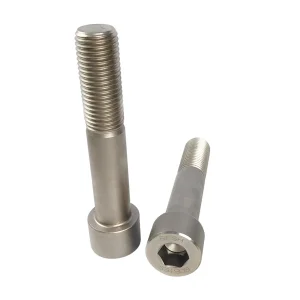
Explore our industrial high-precision machining components and custom alloy fastener configurations manufactured under strict quality audits.
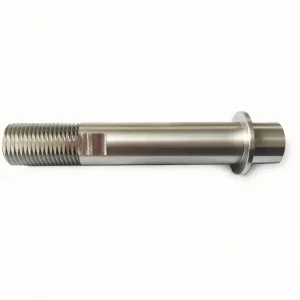
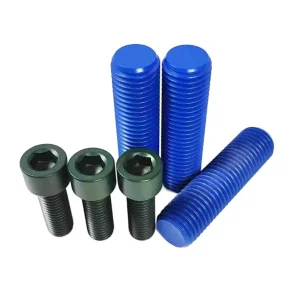
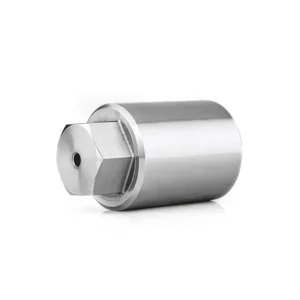
Global Industrial Dynamics, Engineering Principles, & Future Standards of Castle Nut & Cotter Pin Assemblies
In high-vibration and structural safety-critical industries, mechanical fasteners are exposed to dynamic shear forces, axial tensions, and severe harmonic resonance. Under such demanding conditions, typical thread friction-locking elements (like nylon insert nuts, spring washers, or double nuts) can experience micro-slip, ultimately leading to catastrophic loosening. This is where Castle Nuts and Cotter Pins serve as the gold standard of positive mechanical locking systems. Pair-assembled, they provide a fail-safe configuration where the cotter pin physically obstructs the nut rotation, preventing axial disassembly even if torque tension is completely lost.
The global market for these critical fasteners has expanded from legacy automotive applications to highly specialized fields. Advanced military aerospace systems, heavy off-highway machinery, maritime propulsion assemblies, and high-speed rail systems demand superior tensile strengths and corrosion resistance. China’s supply chain has shifted significantly from mass production of commodity carbon-steel fasteners to precision manufacturing of superalloy, non-magnetic, and cryogenic/thermal-adapted locking mechanisms. As dynamic workloads increase, global procurement teams are shifting toward custom Chinese manufacturers capable of providing mill certification, chemical composition analysis, and non-destructive testing (NDT).
"The structural integrity of heavy equipment wheels, aerospace flight control actuators, and maritime drive systems rests on the chemical and mechanical consistency of the cotter pin safety system. Failure is not an option."
The engineering design behind the Castle Nut (slotted nut) revolves around aligning pre-cast slot geometries with radial drill-holes on the threaded shaft. The Cotter Pin (split pin) is then inserted through the slots and the shaft hole, with its tines bent outwards to secure the locking state.
Achieving optimum performance requires precise tolerance control. If the slot height in the castle nut is too low, the cotter pin is subjected to uneven shear stresses. If the thread tolerance is loose, axial play increases the impact force on the cotter pin during cyclic loading. Typical standards followed by leading manufacturers include:
To maintain reliable locking under continuous dynamic loads, metallurgical homogeneity is mandatory. Micro-cracking during the slotting or cold-heading process can trigger premature stress fatigue, making high-end test protocols like ultrasonic and eddy-current inspection essential.
Fasteners must perform consistently under severe environmental conditions, including arctic cold, marine spray, and jet turbine heat. Standard zinc-plated steel is often insufficient for safety-critical components. Advanced industrial applications require high-strength and corrosion-resistant alloys:
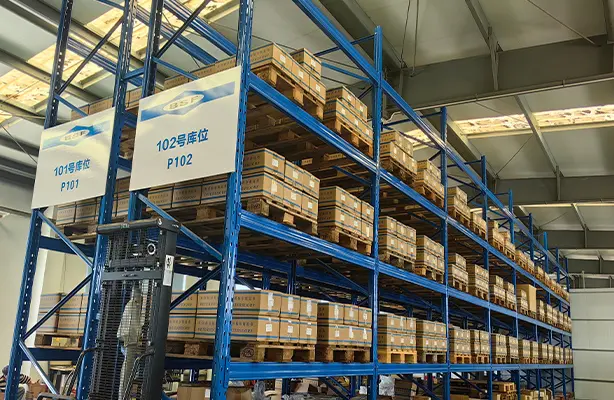
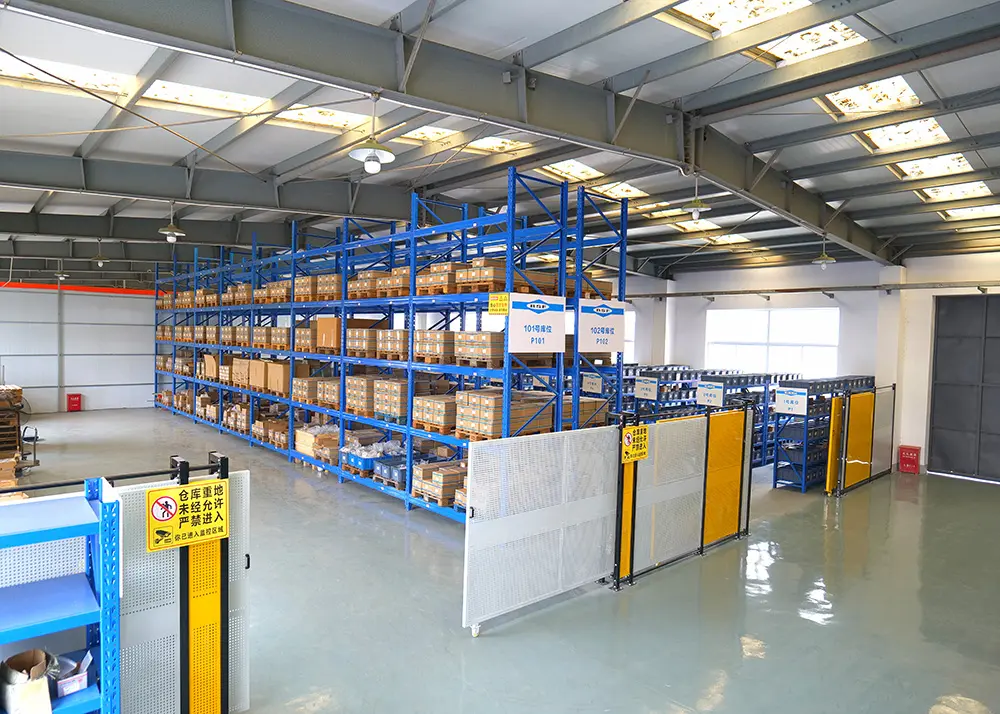
Our commitment to zero defects is backed by rigorous test methods, continuous R&D investment, and robust warehouse supply capacities.
We have formulated the most stringent sampling inspection system, so as to strive to achieve zero defects for the products out of our factory.
At present, our entire group has more than 100 utility model patented products and eight invention patented products.
We currently operate nearly 100,000 product models, with 500 tons of special raw materials in stock and 10,000 tons of finished stainless steel standard parts in stock.
Beiersdorf Industrial Technology (Shanghai) Co., Ltd. was established in 2015 and is located in Shanghai, China. It is an enterprise mainly engaged in the business of special fasteners and ultra-high precision components.
 “Product quality is the foundation for an enterprise's survival.”
 “Heart to sunshine, everything to prosperity”
M² Production Base
 -270℃ Cryogenic Performance
 Titanium Alloy Precision Fastening
 Cobalt & Nickel Alloy Base
Nickel Alloy Superalloys
Best Seller Configurations
Ultra-High Tensile 1900 MPa
1200℃ High-Temperature Shield
Cobalt & Nickel Alloy Base
Nickel Alloy Superalloys
Best Seller Configurations
Ultra-High Tensile 1900 MPa
1200℃ High-Temperature Shield
Comprehensive fastening lines designed to perform in extreme situations, custom forged and CNC machined to blueprint tolerances.
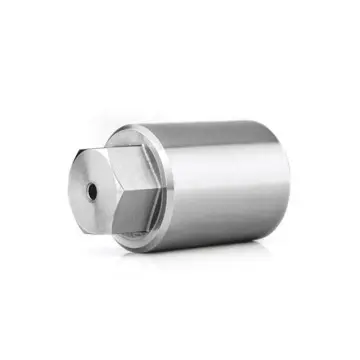
Suitable for precision electronics, EMI shield applications and magnetic resonance equipment.
View Details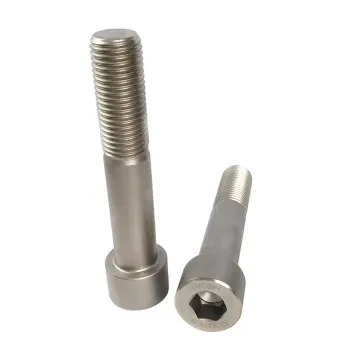
Includes super stainless steels, titanium alloys, nickel-based alloys and Inconel.
View Details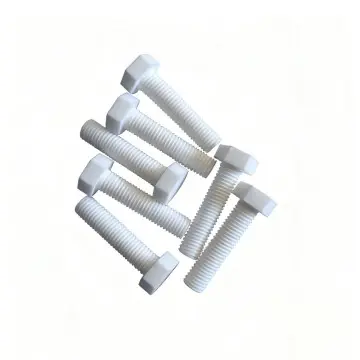
It is lightweight, corrosion-free, and ideal for chemical processing and cleanroom equipment.
View Details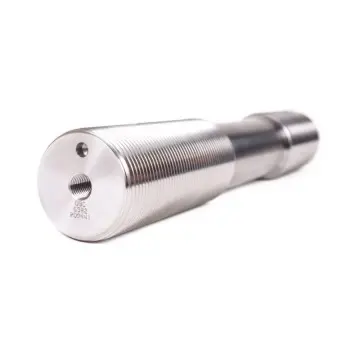
Certified components specifically produced for marine structures and offshore platforms.
View Details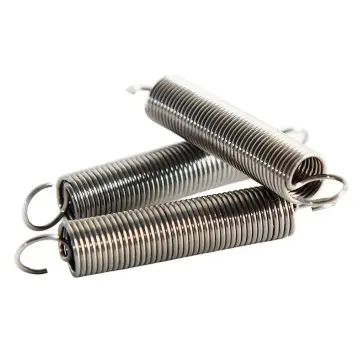
High tensile strength wire stocks for specialized heavy-duty spring manufacturing.
View Details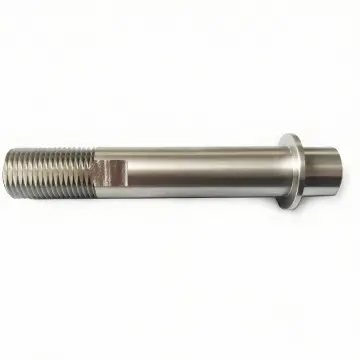
Ultra-high precision CNC machined components designed for medical, semiconductor and aerospace.
View Details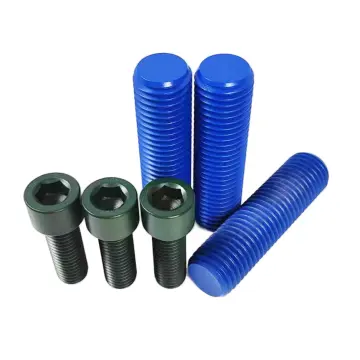
Exceptional impact toughness in environments reaching as low as -270℃.
View Details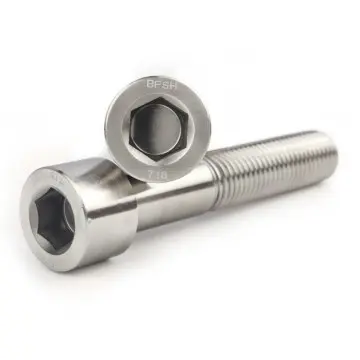
Maintains structural stability and oxidation resistance under high thermal loads up to 1200℃.
View DetailsProviding high-integrity mechanical fastening solutions for demanding industries globally.
Our special fasteners are widely used in the field of shipbuilding and oceanography engineering, specifically in the manufacture of special ships, marine propulsion, marine accessories, yacht manufacturing, offshore oil drilling platforms, submarine pipelines, offshore wind power, underwater lifeboats, port machinery, dock construction, etc.
These special fasteners mainly include A4-80, A5-80, D8-80, D6-70, 2205, L7, 40CrNiMoA, 718, EN14399 steel structure connection pair, classification society certificate fasteners, etc. Our production ensures extreme resistance to chloride pitting, stress corrosion cracking (SCC), and severe dynamic wave loads.
View More Application Scenarios
Correct assembly is vital for the mechanical integrity of the locking system. The torque process must preload the bolt to its elastic limit without causing thread yield. Once target torque is achieved, the slot in the castle nut must align with the cross-bore of the male threads. Engineers should avoid backing off the nut to match the nearest slot; instead, the nut should be tightened further to reach alignment, or washers of adjusting thicknesses should be introduced.
Once aligned, the cotter pin is inserted. Tines should be bent around the nut's perimeter using a wrap method, minimizing loose movement that could cause wear under vibration. Standard methods include:
Using the correct cotter pin material is crucial. A stainless steel cotter pin paired with a galvanized carbon steel bolt can cause galvanic corrosion. In critical joints, matching metallurgical families prevents chemical degradation.
Industrial applications are driving several key technological trends for castle nut and cotter pin assemblies:
Direct technical answers to help engineers and procurement specialists make informed decisions.
Stay updated with our warehouse expansions, engineering developments, and industry updates.

Providing high-precision components to key industrial hubs worldwide.


Beiersdorf is more than a supplier of special fasteners; we provide technical consultation and engineering guidance. Our team assists with early-stage material selection, specification design, and installation support.
Need a consultation? Contact us 24/7
Explore our industrial high-precision machining components and custom alloy fastener configurations manufactured under strict quality audits.
 BSF
BSF