Custom High Strength Alloy Fasteners Supplier in China - Ultra-High Strength & High Temperature Resistant Factory Products Products, Product

,

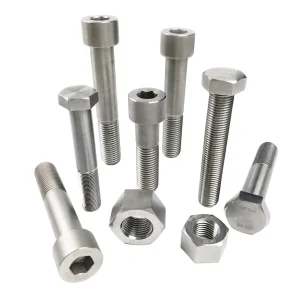
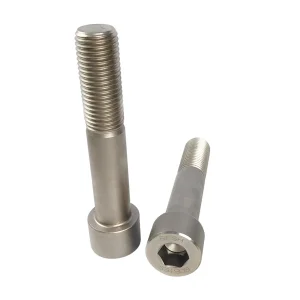
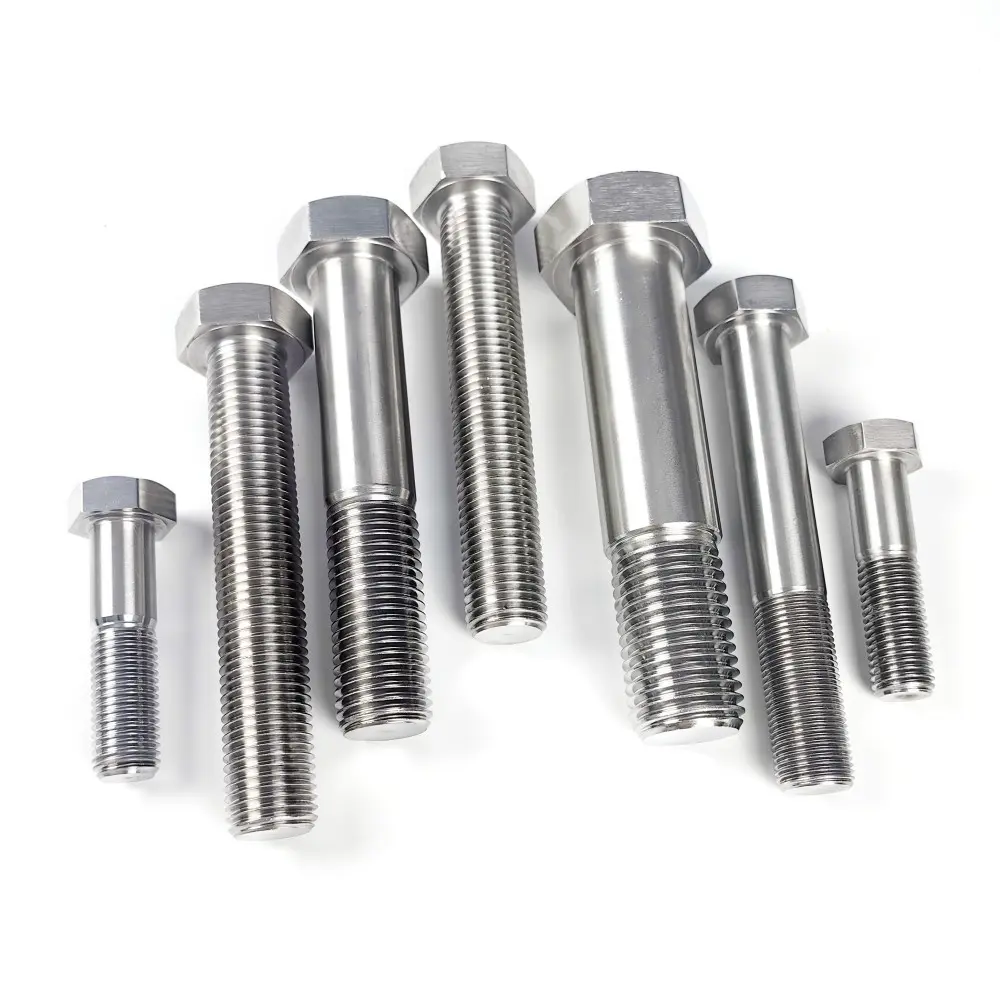
High Strength Alloy Fasteners are expertly crafted from a combination of steel, silicon, and manganese, ensuring durability and reliability in various applications. As a leading manufacturer in China, we specialize in supplying high-performance alloy steel fasteners that meet international quality standards.

,

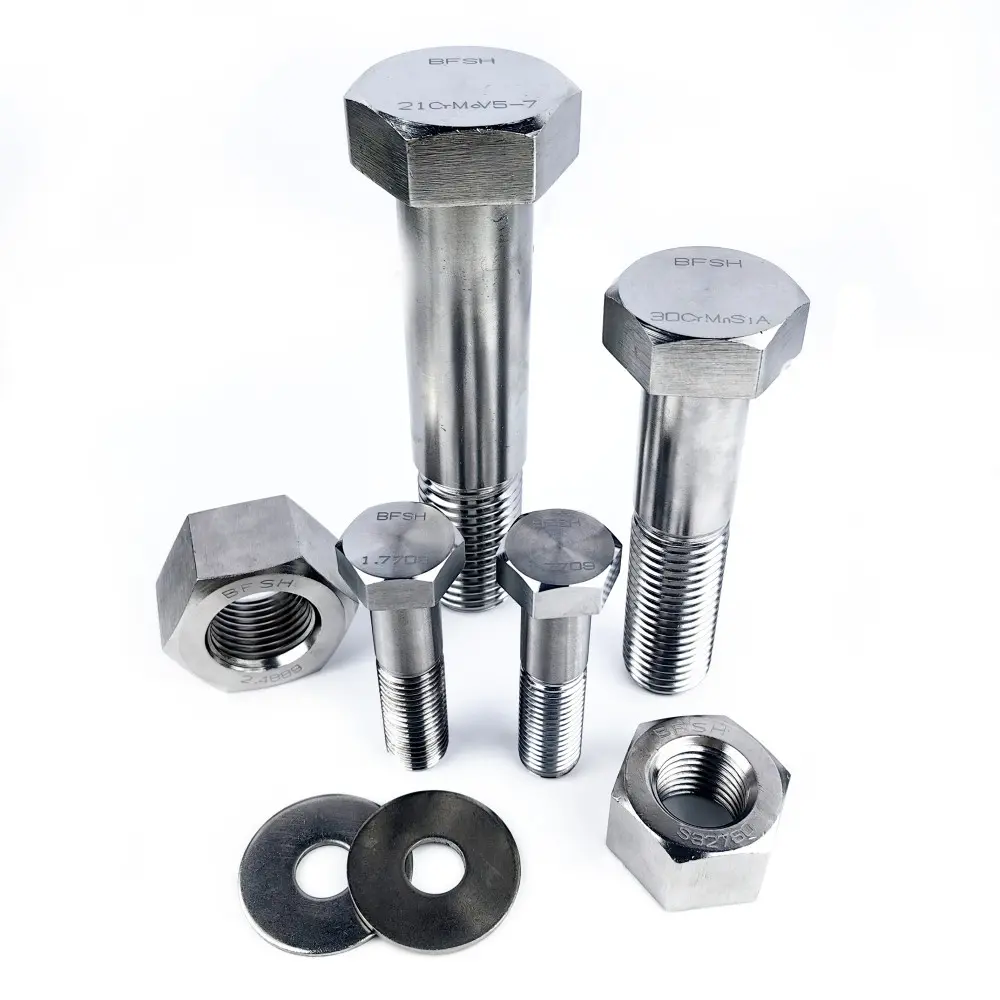
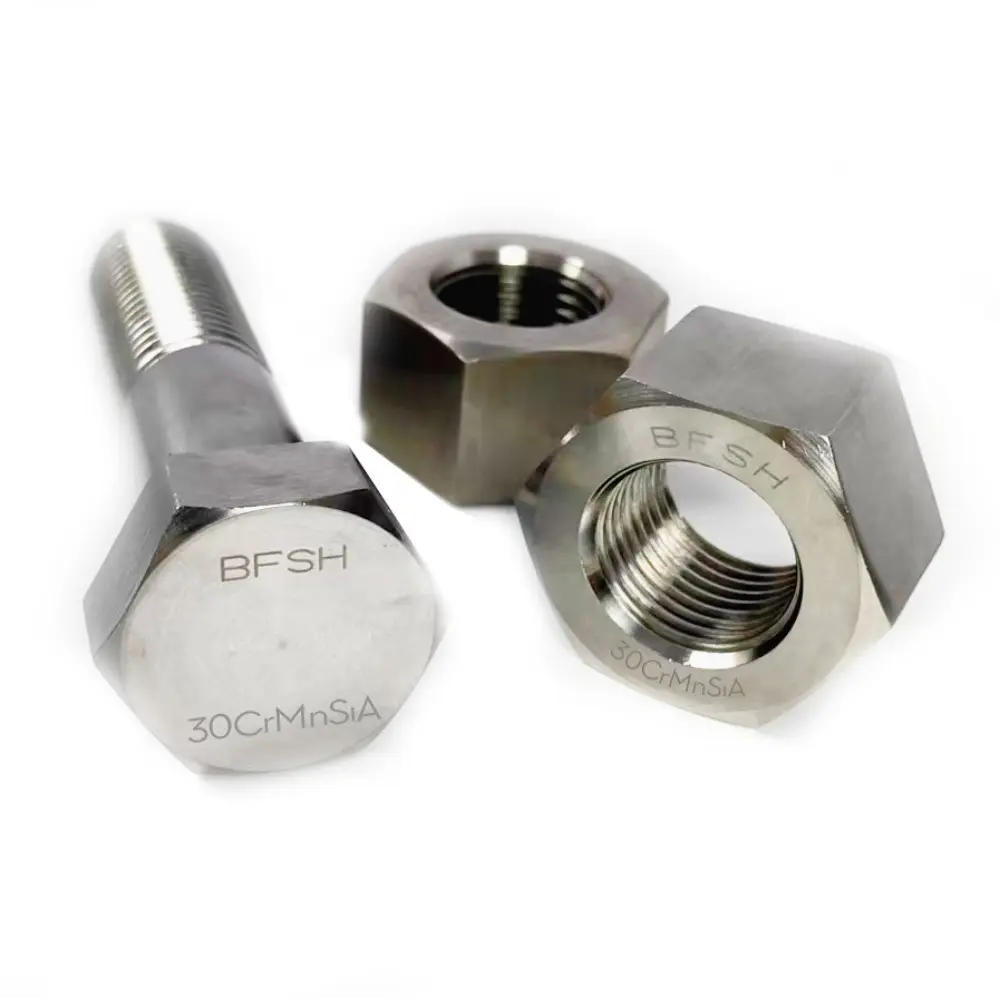
Our product range includes common material grades such as 40CrNiMoA, 30CrMnSiA, 21CrMoV5-7, 1.6772, 20Cr1Mo1VTiB, X22CrMoV12-2, 1.7709, and 300M. Partner with trusted suppliers and experience the excellence of our factory’s produce that caters to the needs of industries requiring superior fastening solutions.

,

Product Description

7709 Material Characteristics

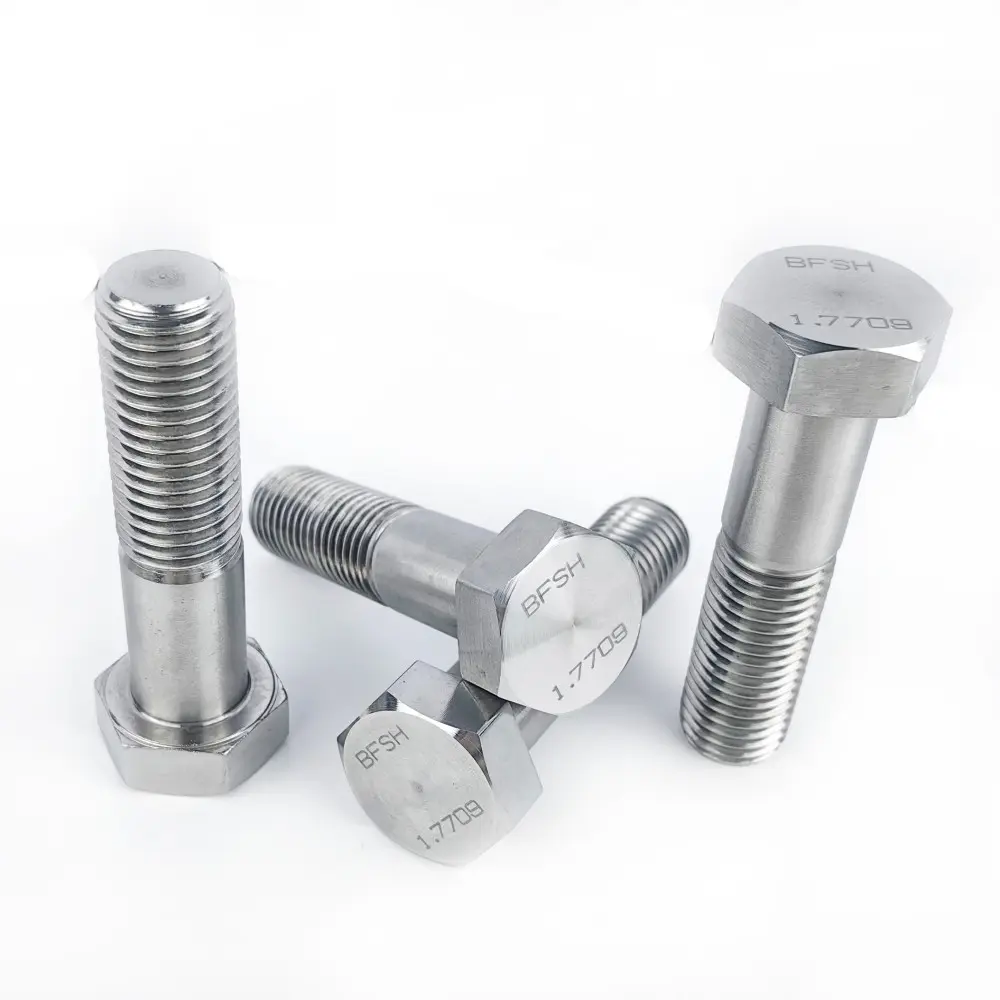
7709 steel is a high-performance alloy steel, also known as 21CrMoV5-7, and is widely used in the manufacturing of high-strength, high-temperature-resistant fasteners such as bolts and nuts. The following is an in-depth introduction to the screws made of 1.7709 material:

⚗️
Chemical Composition

Mainly consists of Carbon (C: 0.17–0.25), Silicon (Si: 0.15–0.35), Manganese (Mn: 0.35–0.85), Chromium (Cr: 1.20–1.50), Molybdenum (Mo: 0.65–0.80), and Vanadium (V: 0.25–0.35).

🔩
Mechanical Properties

In the heat-treated state, 1.7709 steel has high strength. Yield strength (Rp0.2) ≥ 550 MPa, tensile strength (PM) ≥ 700 MPa, elongation (A) ≥ 16%, and reduction of area ≥ 60%.

🌡️
Heat Resistance

This material can still maintain good mechanical properties in high-temperature environments and is suitable for working conditions with temperatures exceeding 300°C.

Characteristics of 300M Material

300M is a medium-carbon nickel-chromium-molybdenum alloy steel, featuring the following characteristics:

💪
Ultra-High Strength

Tensile strength can reach 1900–2100 MPa, and yield strength is over 1600 MPa, making it suitable for withstanding high loads.

🛡️
High Toughness

It has good plasticity and toughness, capable of resisting fracture under extreme conditions.

🔄
Excellent Fatigue Performance

Suitable for applications that require long-term exposure to dynamic loads, such as aircraft components.

🔥
Good Hardenability

Through heat treatment (such as quenching and tempering), its hardness and strength can be further enhanced.

Application

High-strength alloy stainless steel plays a crucial role in several high-end fields:

✈️ Aerospace and Defense Industry

Aircraft landing gear and fasteners (tensile strength ≥ 1500 MPa) are used for landing gear hinges and bolts. Missile and engine components use martensitic stainless steel for high hardness and heat resistance.

🌊 Ocean Engineering and Petrochemical

Deep-sea equipment and pipelines utilize Duplex stainless steel for resistance to chloride ion stress corrosion. 1.4945 alloy is used in chemical reactors for high-temperature/high-pressure stability.

🏗️ Architecture and Emerging Tech

Bridges and tunnels utilize martensitic stainless steel for high-strength fasteners. Emerging fields like 3D printing use 1.4310CSPANN alloy fabricated via laser cladding.

High Strength Alloy Steel Available Types

High Strength Stainless Steel Product Grade
40CrNiMoA30CrMnSiA21CrMoV5-71.6772
20Cr1Mo1VTiBX22CrMoV12-11.7709300M

Frequently Asked Questions (FAQ)

What is 1.7709 steel and what are its main alloying elements?
1.7709 steel, also known as 21CrMoV5-7, is a high-performance alloy steel primarily composed of carbon, silicon, manganese, chromium (1.20–1.50%), molybdenum (0.65–0.80%), and vanadium (0.25–0.35%).
What is the maximum operating temperature for 1.7709 material fasteners?
1.7709 material is designed to maintain its mechanical properties in high-temperature environments. It is suitable for working conditions with temperatures exceeding 300°C.
How does 300M steel achieve its ultra-high strength?
300M steel achieves its strength through its medium-carbon nickel-chromium-molybdenum alloy composition combined with heat treatment processes such as quenching and tempering.
What industries commonly use high-strength alloy stainless steel?
It is widely used in aerospace and defense, ocean engineering, petrochemical industries, infrastructure, and emerging technologies like 3D printing.
What is the difference between 1.7709 and 300M in terms of performance?
1.7709 is optimized for high-temperature fastener applications, while 300M delivers far higher strength levels (1900–2100 MPa) for extreme load-bearing applications.
Why is duplex stainless steel preferred for marine applications?
Duplex stainless steel is preferred because of its superior resistance to chloride ion stress corrosion cracking compared to standard austenitic stainless steel in saline environments.

Related Products