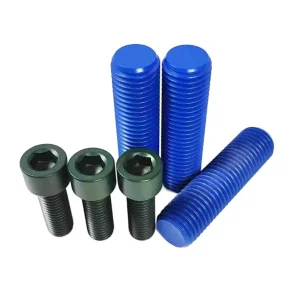
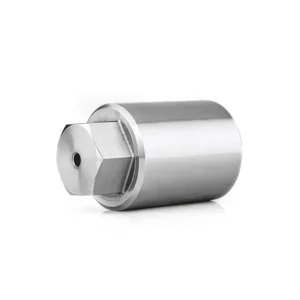
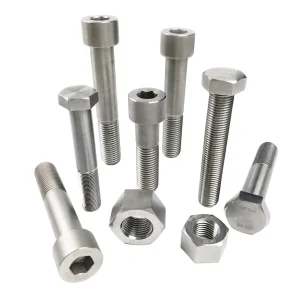
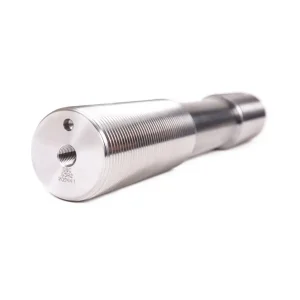
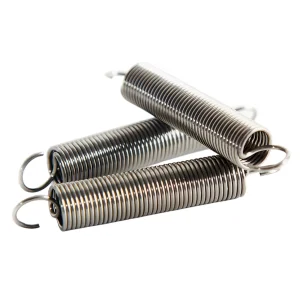
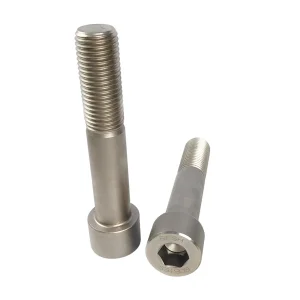
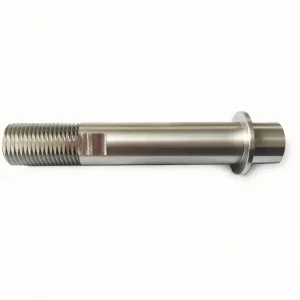
Explore our leading export-grade fasteners manufactured from specialty alloys engineered specifically for stability, low magnetic permeability, and structural security in ultra-cold environments.
Analyzing the ductile-to-brittle transition and critical material selection for sub-zero industrial applications.
Fastening systems operating in cryogenic zones face extreme challenges. In standard carbon steels, temperatures below freezing prompt a sudden shift from a ductile state (where the steel stretches and deforms before breaking) to a highly brittle state (where it fractures instantly under load without warning). This transition point is known as the Ductile-to-Brittle Transition Temperature (DBTT).
At extreme cryogenic temperatures (such as liquid nitrogen at -196°C, or liquid helium down to -269°C), standard metal alloys experience rapid lattice contraction. This contraction creates severe micro-stresses along the crystal grain boundaries. Under high shear, tensile, or preload forces, these stresses can lead to sudden, catastrophic structural failure. To prevent this, low-temperature fasteners must be constructed from metals featuring Face-Centered Cubic (FCC) crystalline lattices—such as stable austenitic stainless steels, nickel-based superalloys (Inconel 718, Incoloy), titanium alloys, and cobalt alloys. Unlike Body-Centered Cubic (BCC) structures, FCC structures retain their high impact toughness and ductility even when cooled to near absolute zero.
Selecting the correct material grade is critical when designing fastening systems for sub-zero conditions. The most common standard grades include:
Low-temperature engineering requires careful management of physical joint dynamics:
Leveraging Chinese industrial integration, certified metallurgical testing, and global logistics capability.



Beiersdorf Industrial Technology (Shanghai) Co., Ltd. was established in 2015. Over the last decade, we have optimized our supply chain to provide high-quality specialty fasteners and ultra-high precision components. Operating from Shanghai gives us direct access to world-class logistics networks, top-tier steel mills, and advanced testing facilities.
By sourcing raw materials from certified local mills and managing all processing steps—from wire drawing to cold heading, thread rolling, heat treating, and surface finishing—in-house, we control costs without compromising on quality. This complete control allows us to provide premium low-temperature fasteners at highly competitive prices for international buyers.
Our fasteners are engineered to perform reliably in demanding environments, from high-latitude maritime shipping to deep-space exploration.
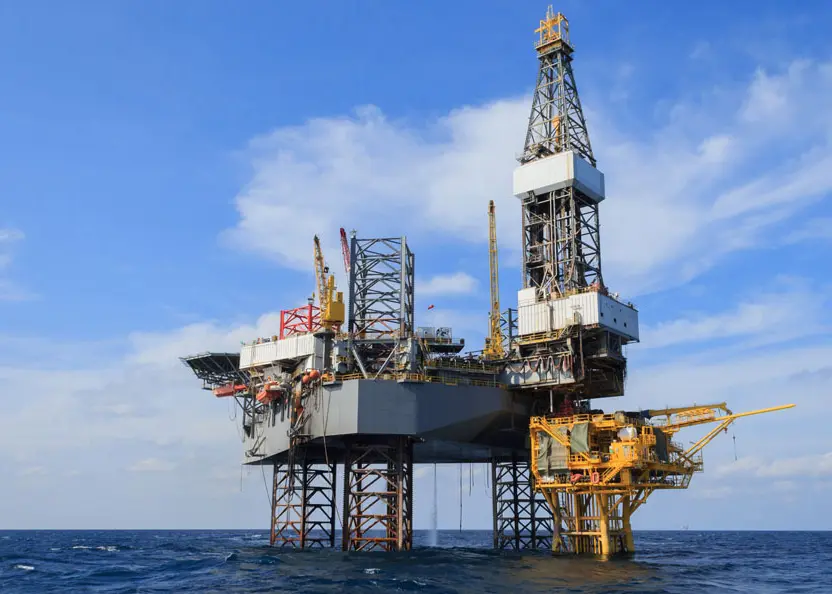
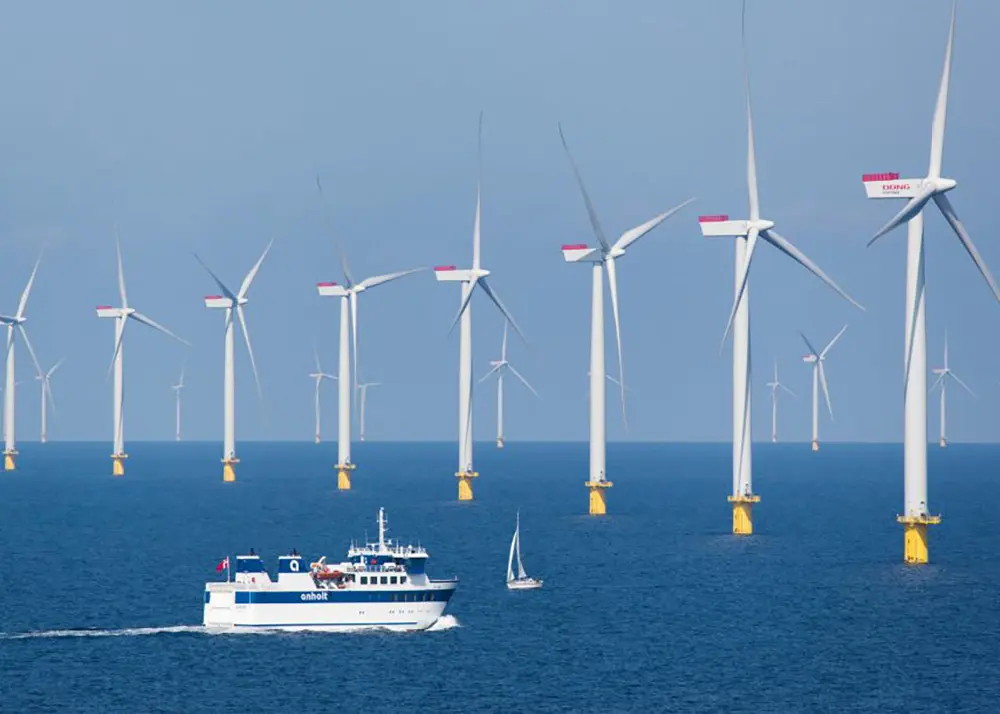
In maritime shipping and ocean engineering, fasteners must withstand cold sea spray, high mechanical stresses, and corrosive environments. Beiersdorf designs and manufactures specialty marine fasteners using A4-80, A5-80, Duplex 2205, Inconel 718, and classification society-certified materials. Typical applications include marine propulsion units, offshore wind turbines, dock machinery, and hull connections.
Liquefied Natural Gas (LNG) must be kept below -162°C (-260°F) to remain liquid. This requires reliable structural performance across the entire supply chain. Our ASTM A320 L7 and B8 class fasteners are widely used on LNG carriers, onshore terminals, storage tanks, and insulated piping runs. These components help prevent leakage, keeping these high-pressure, sub-zero facilities running safely.
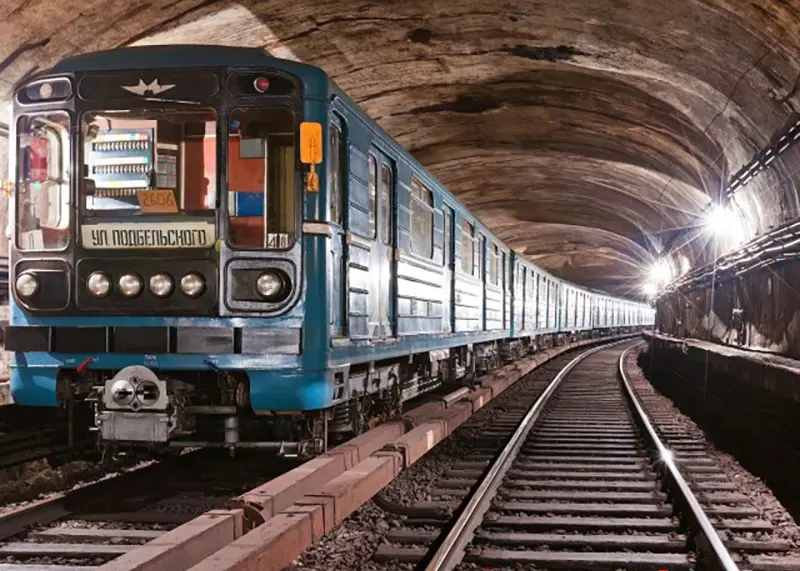
High-speed rail systems operating in cold northern regions must endure sub-zero temperatures, constant vibrations, and heavy dynamic loads. Our high-strength fasteners maintain their grip and resist fatigue in sub-zero winter temperatures, keeping bogies, track assemblies, and overhead power structures secure and reliable year-round.

Operating in high orbits exposes spacecraft to extreme thermal cycles, ranging from -150°C to well over 100°C. For these applications, we supply lightweight titanium and non-magnetic fasteners. These components resist thermal expansion mismatches and prevent magnetic interference, making them ideal for guidance systems, satellites, and precision scientific instruments.
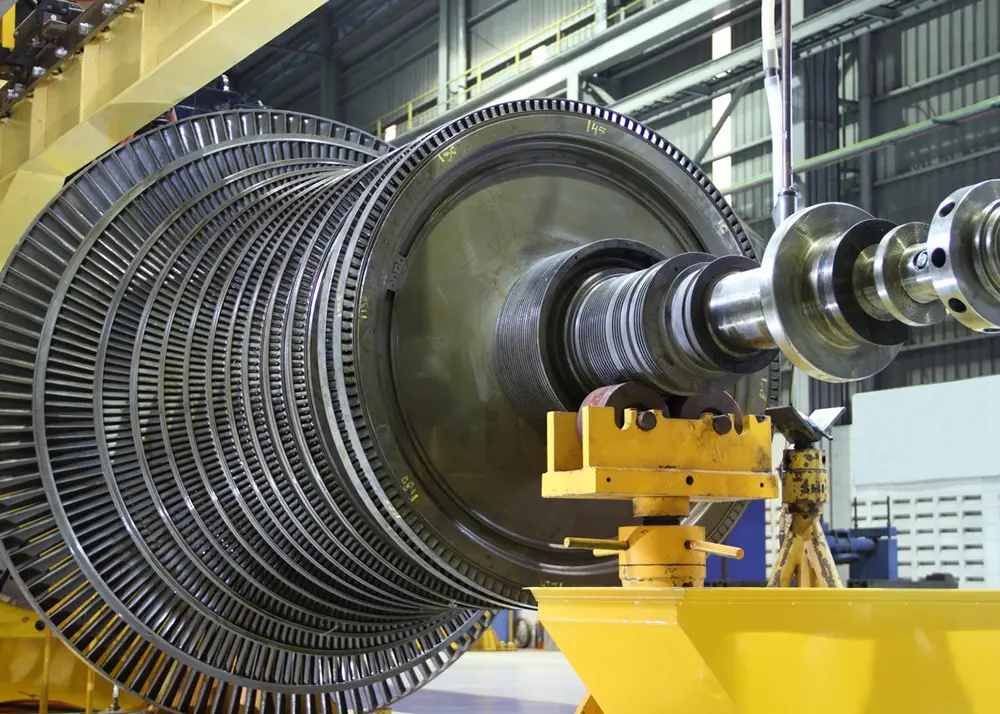
Industrial gas production and chemical synthesis plants run high-pressure reactions at temperatures below -100°C. Our corrosion-resistant, high-strength bolts and custom fasteners keep valves, heat exchangers, and cryogenic pumps sealed under high pressures, preventing dangerous leaks and helping to ensure process safety.
How we ensure quality control and certification compliance for international buyers.
For global procurement teams, quality control and clear documentation are essential. Fasteners used in critical infrastructure must meet international standards and carry full material traceability. At Beiersdorf, we follow standard international specifications, ensuring all parts perform reliably in the field:
Fasteners used in marine shipbuilding, offshore wind, and offshore platforms must carry certifications from international marine classification societies. We supply fasteners certified to meet the standards of major marine registries, including:
Our manufacturing processes comply with marine engineering rules, providing international buyers with the required material test reports (MTRs) and third-party inspection certifications.
To maintain high quality, Beiersdorf uses a multi-stage quality control process:
Looking ahead at changing materials, regulatory standards, and technology developments from 2025 to 2030.
As the energy sector works to decarbonize, liquid hydrogen (LH2) is becoming a key clean energy carrier. Unlike LNG, which liquefies at -162°C, hydrogen must be cooled to -253°C to liquefy. This extreme temperature requires the use of specialty fasteners that can perform reliably just 20 Kelvin above absolute zero. Fastener manufacturers are developing high-grade nickel and titanium fasteners specifically designed to prevent hydrogen embrittlement and stay sealed under these challenging conditions.
Newer technologies like fusion energy reactors, superconducting magnets, and medical imaging devices (MRI) require fasteners that are both structurally strong and non-magnetic. Traditional stainless steels can develop magnetic properties when cold-worked or subjected to thermal cycling. To meet these needs, manufacturers are using specialized nitrogen-strengthened austenitic steels (such as Nitronic 50/60) and advanced titanium alloys to ensure low magnetic permeability under load.
As industrial IoT systems expand, smart fasteners with integrated sensors are beginning to enter the market. These fasteners monitor parameters like clamp load, torque, and operating temperature in real-time. By tracking changes in preload caused by thermal cycling, these sensors warn maintenance teams of potential leaks before they can cause downtime, making them highly valuable for offshore platforms and high-speed rail systems.
Get answers to common technical and commercial questions about choosing, installing, and sourcing low-temperature fasteners.
Need help selecting materials, verifying specifications, or getting a quote for low-temperature fasteners? Contact our Shanghai engineering team for support and advice.
Provide your project details, and our technical sales team will reply within 24 hours.
Explore our additional product lines, including high-tensile spring wire, non-magnetic fasteners, and custom machined components.
 BSF
BSF