China Low Temperature Fasteners suppliers - Factory for -270℃ to 0℃ Stainless Steel and Alloy Solutions

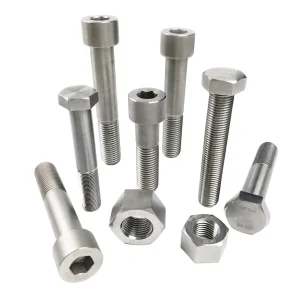
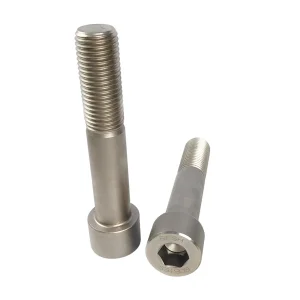
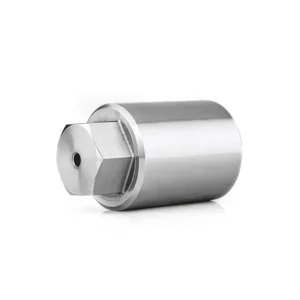
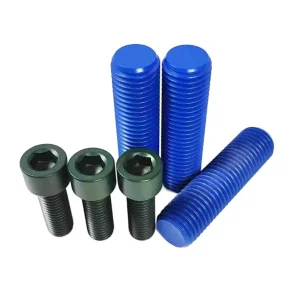
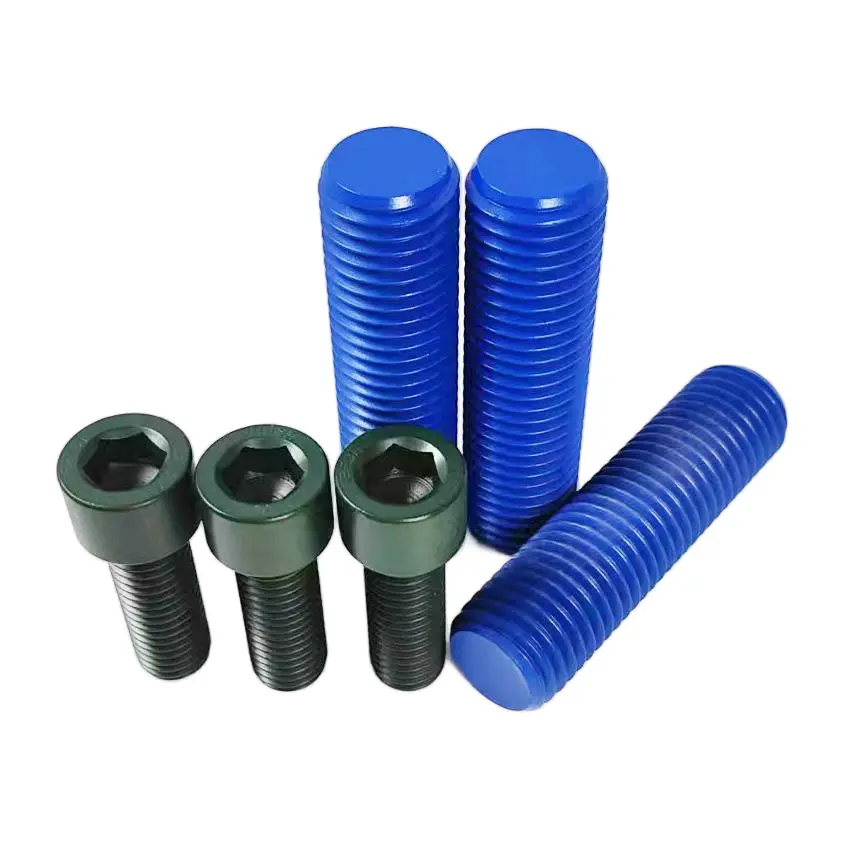
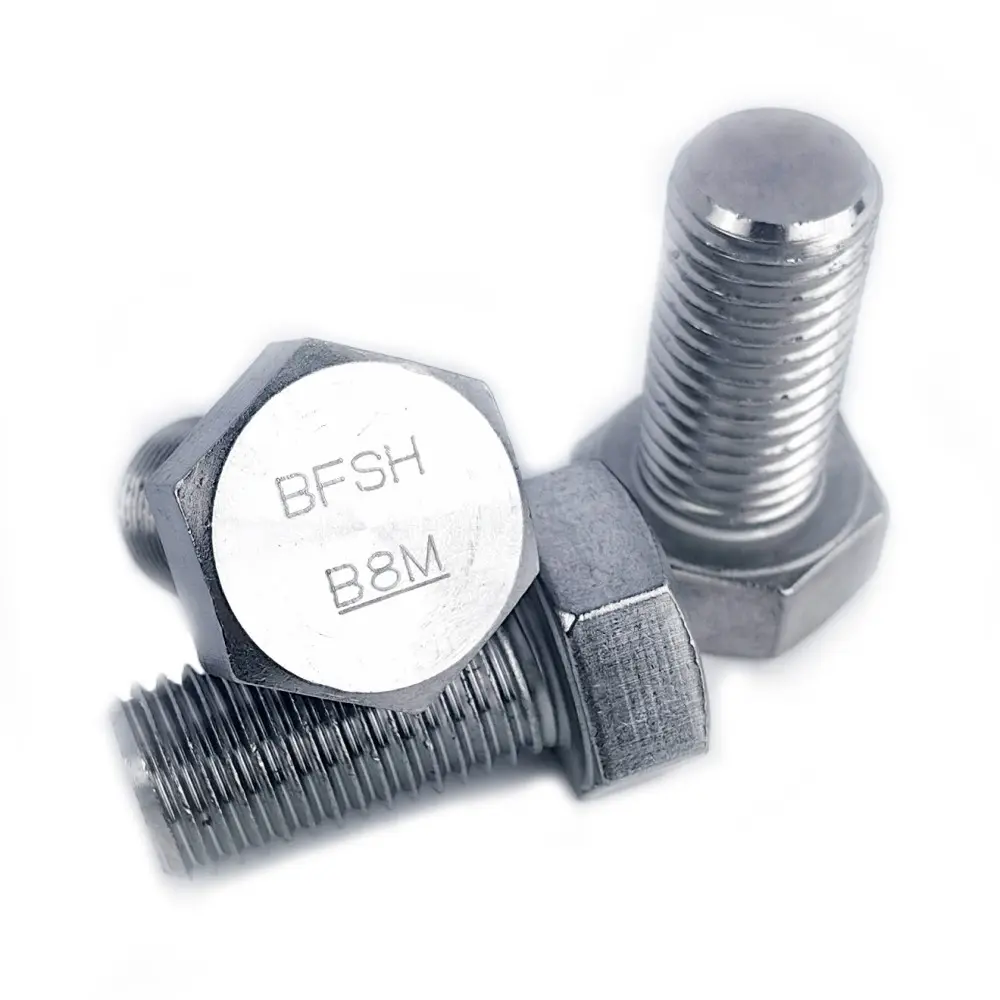
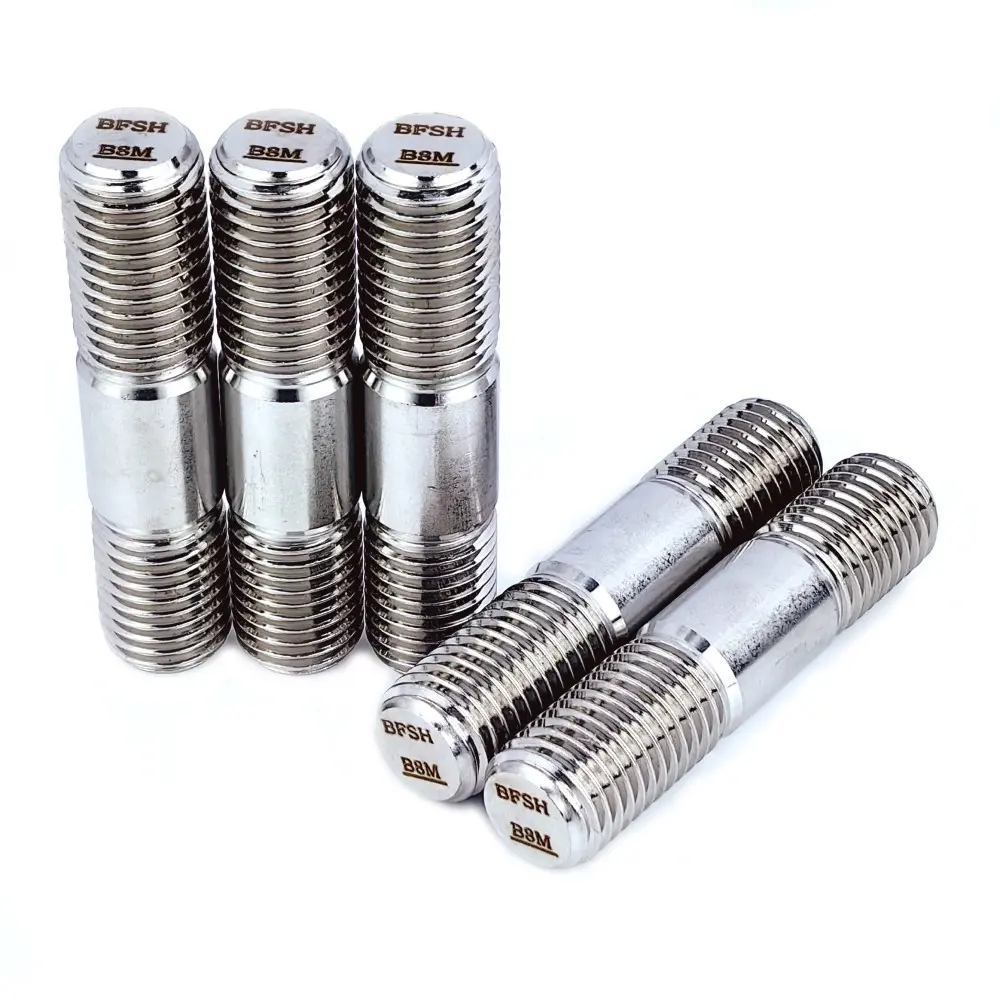
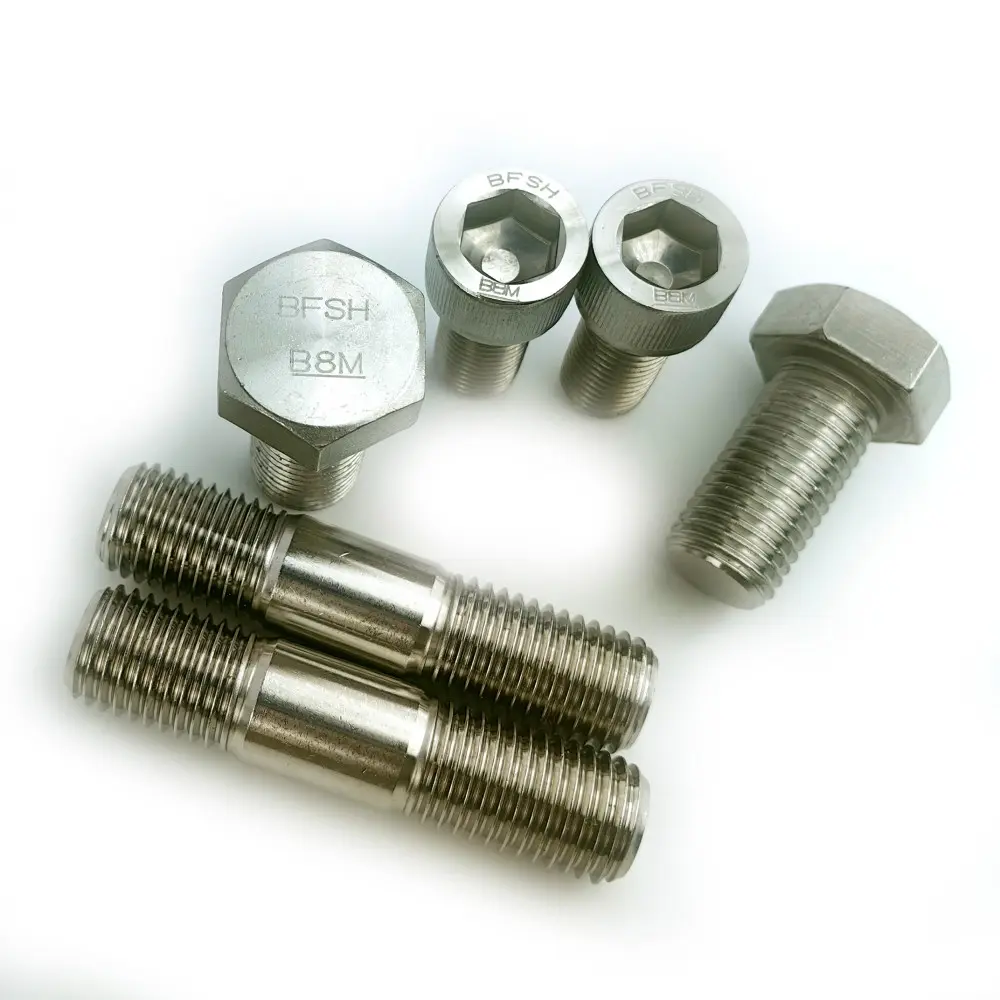
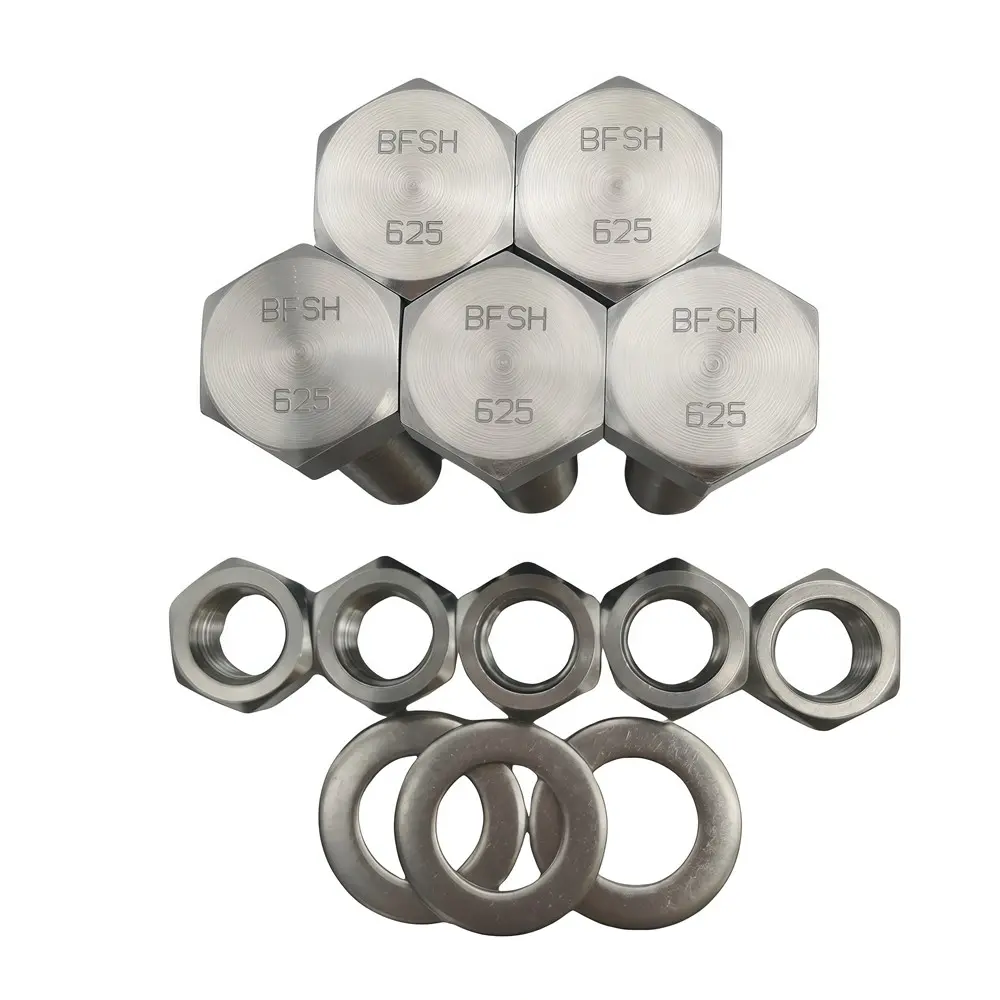
Our company is a leading supplier in China, providing low-temperature fasteners designed to perform in extreme conditions, with a temperature range of -270℃ to 0℃. The most commonly used low-temperature fastener operates at -196℃, making them ideal for applications in LNG, liquid oxygen, and liquid nitrogen systems, as well as in cryogenic treatment equipment and laboratory setups. Manufactured from high-quality stainless steel and specialized alloys, our fasteners ensure reliability and performance in critical environments. Partner with our factory for top-tier low-temperature fasteners that meet your industry's needs

Product Description

Products Features

❄️
1. Low Temperature Stability

Maintains high strength even below -60℃, preventing brittle fracture. Suitable for liquefied natural gas pumps and liquid nitrogen pumps.

Carbon steel or alloy steel (35CrMoA/42CrMoA) with body-centered cubic crystal structure can have hardness and impact performance optimized through tempering heat treatment.

For A-286 stainless steel screws at -275℉ (-170℃), thermal contraction increases thread friction and improves locking performance.

Glass fiber/epoxy resin composite joints show 15% higher load-bearing capacity at -40℃ vs. room temperature, with more significant pre-tightening torque effect.

🛡️
2. Resistance to Corrosion

Stainless steel fasteners (per ISO 3506-1 standard) possess both corrosion resistance and mechanical properties in low-temperature environments.

Wind turbine bolts (10.9/12.9 grade) withstand multi-axis stress and dynamic loads while avoiding brittle fracture at low temperatures.

🔧
3. Ease of Installation

The low-friction coefficient design facilitates installation and disassembly in low-temperature environments, reducing operational complexity and maintenance time.

Application Fields

🚀
Aerospace
Rocket fuel storage tanks, liquid hydrogen/liquid oxygen pipeline connections. Wind tunnel models employ low-temperature locking devices that enhance connection stability through the thermal contraction effect.
LNG and Energy
LNG storage tanks, transport ships and pipeline flange connections (working temperatures as low as -162°C). Liquid nitrogen/liquid helium storage equipment.
🔬
Superconductivity
Cryogenic support structures of superconducting magnets (MRI equipment). Cryogenic thermostats of quantum computers operating close to absolute zero.
🧊
Cold Chain Logistics
Fixed shelves for ultra-low temperature cold storage (-80°C). Liquid nitrogen quick-freezing equipment conveyor belt fasteners.

Main Types of Low Temperature Fasteners

Digital Grade Material Executive Standard Withstand Temperature
1.113320Mn5-20℃
1.658234CrNiMo6DIN EN 10269-40℃
1.658030CrNiMo8DIN EN 10269-40℃
1.552319MnB4-60℃
1.721825CrMo4-60℃
1.722542CrMo4-100℃
1.5680X12Ni5DIN EN 10269-120℃
2.4952NiCr20TiAIDIN EN 10269-196℃
1.4401X5CrNiMo17-12-2-196℃
2.4856Alloy 625ASTM B446/B564-196℃
2.4668Alloy 718DIN EN 10269-273℃
1.4980Alloy 286ASTM 453-273℃
1.4571AISI 316TiDIN EN10088-273℃
1.4429AISI 316LNDIN EN10269-273℃

Frequently Asked Questions

What are low temperature fasteners?
Low temperature fasteners are specially engineered bolts and nuts designed to maintain mechanical integrity and resist brittle fracture at temperatures down to -273℃. They are made from materials like austenitic stainless steels and nickel alloys that retain toughness in cryogenic conditions.
Which materials are most commonly used?
Common materials include austenitic stainless steels (1.4301, 1.4404), nickel-based superalloys (Alloy 718, Alloy 625, Alloy 286), and specific low-alloy steels like 34CrNiMo6. The choice depends on the specific service temperature and load.
What is the lowest operating temperature possible?
Certain grades such as Alloy 718 (2.4668) and Alloy 286 (1.4980) are rated for use at -273℃ (near absolute zero), making them ideal for quantum computing and superconductivity applications.
What industry standards apply to these products?
They are manufactured according to international standards including DIN EN 10269, ASTM B446/B564/B637, ISO 3506-1, and DIN EN10088/10272, ensuring reliability in extreme environments.
In which industries are they most widely used?
They are critical in aerospace (rocket systems), LNG energy (storage and transport), medical technology (MRI magnets), and cold chain logistics (ultra-low temperature storage).
How does cold affect locking performance?
At low temperatures, thermal contraction increases thread friction, which typically improves the self-locking performance of fasteners. For instance, A-286 screws show enhanced stability at -170℃ due to this contraction effect.

Related Products