Application
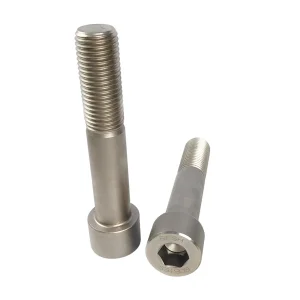
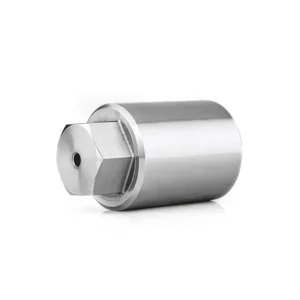
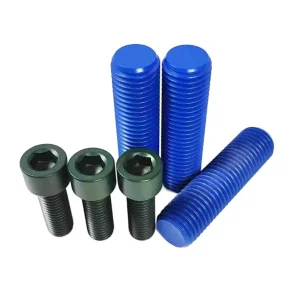
Non-magnetic fasteners, due to their unique anti-magnetic interference properties, play an irreplaceable role in precision instruments, medical equipment, aerospace and other fields.
-
🏥
1. MRI Equipment: Used for fixation of the magnetic resonance imaging system to prevent ferromagnetic materials from interfering with the uniformity of the magnetic field and to ensure imaging accuracy.
-
🛰️
2. Navigation System: Components of satellites and aircraft should be made of non-magnetic materials (such as beryllium-cobalt copper C17500) to avoid interfering with gyroscopes and magnetometers.
-
📡
3. Radar Equipment: The high-frequency signal transmission component needs to be connected through a non-magnetic connector to reduce signal distortion.
-
🔬
4. Precision Instruments: High-precision electronic measuring equipment (such as spectrometers) uses non-magnetic connectors to prevent signal drift.
-
⚛️
5. Quantum Laboratory: Superconducting quantum bits are extremely sensitive to magnetic fields. Non-magnetic fasteners (such as PEEK material) are essential components.
-
🌬️
6. Wind Power Equipment: Amorphous alloy bolts are used for the transformer core to reduce eddy current losses.
Frequently Asked Questions (FAQ)
Q
What makes titanium alloy fasteners non-magnetic?
Titanium is an inherently non-magnetic metal. Its atomic structure does not support ferromagnetism, which means titanium alloy fasteners produce no magnetic field and are not attracted to magnets. This makes them ideal for sensitive environments such as MRI rooms and aerospace navigation systems.
Q
Why do some stainless steel fasteners become slightly magnetic after cold heading?
During the cold heading process, mechanical stress can cause a partial phase transformation in austenitic stainless steel — converting some austenite to martensite, which is magnetic. This is a processing effect, not a material defect, and does not affect the overall non-magnetic performance of the product in most applications.
Q
What are the differences between titanium alloy and austenitic stainless steel non-magnetic fasteners?
Titanium alloy fasteners offer lower density, higher strength-to-weight ratio, and superior corrosion resistance in harsh environments (seawater, chemicals) and high-temperature conditions up to 500℃. Austenitic stainless steel (e.g., 304, 316) is more cost-effective, offers excellent cold-working properties, and is widely available. The choice depends on the specific application requirements.
Q
Which industries most commonly use non-magnetic fasteners?
Non-magnetic fasteners are widely used in medical imaging (MRI), aerospace navigation, radar and defense systems, precision scientific instruments, quantum computing laboratories, and renewable energy equipment such as wind power generators. Any field where magnetic interference must be eliminated relies on these specialized fasteners.
Q
What material grades are available in your non-magnetic fastener series?
Our non-magnetic fastener series includes A286, 1.498, Gr.660, OCr21Ni6Mn9N, OCr16Ni22Mn9Mo2, and 1.4436. Each grade is selected for specific performance characteristics such as high-temperature resistance, corrosion resistance, and mechanical strength to meet diverse industrial needs.
Q
How can I verify the authenticity of non-magnetic stainless steel fasteners?
Always request official material certification (mill certificates) from the supplier, and evaluate the manufacturing process and craftsmanship. Be cautious of products marketed as "non-magnetic and non-nickel" stainless steel, as these may be low-quality substitutes. Proper testing with certified instruments and third-party lab verification is recommended for critical applications.
 BSF
BSF