China Non-Magnetic Fasteners from China Suppliers | Precision Machinery & Aerospace Factory Solutions Suppliers, Product

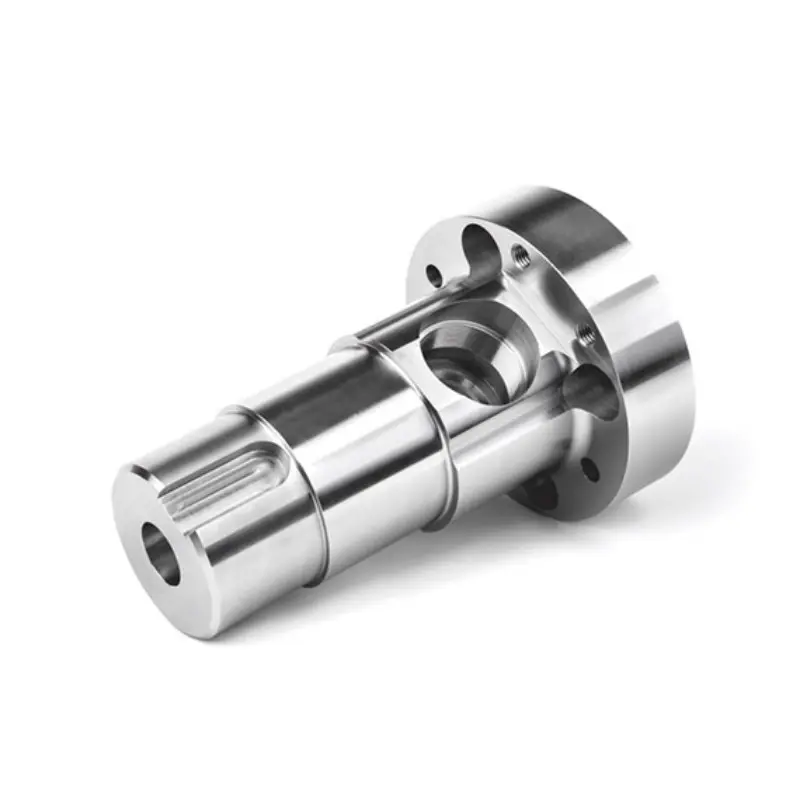
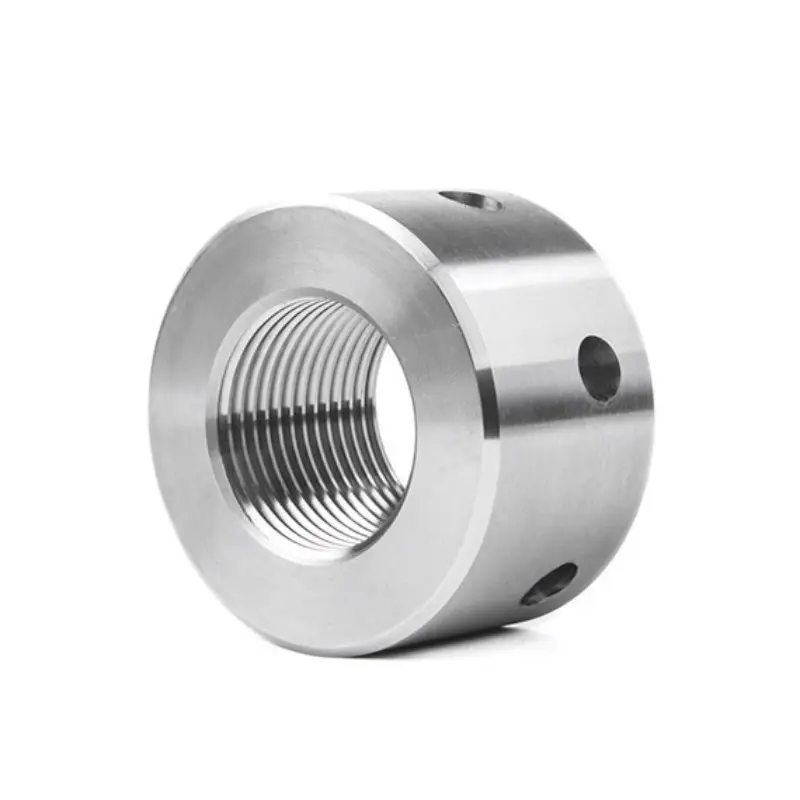
Non-magnetic stainless steel represents a specialized category of stainless steel that exhibits negligible magnetism, making it resistant to magnetic fields. This unique property makes it an ideal choice for various applications where magnetic interference must be minimized. As a reputable supplier in China, our factory produces high-quality non-magnetic stainless steel products tailored to meet industry standards and customer needs. With our commitment to excellence, we ensure that our non-magnetic stainless steel solutions are reliable, durable, and perfect for projects requiring precision and performance

Product Description

Products Features
1
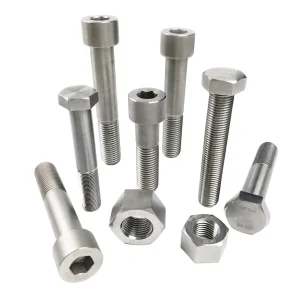
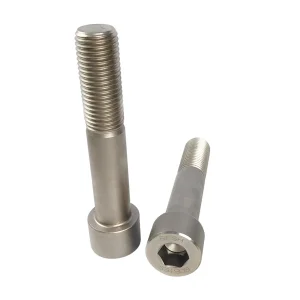
Magnetic-free Characteristic Titanium alloy fasteners take advantage of the completely non-magnetic property of titanium metal, which makes them suitable for precision machinery and aerospace applications, avoiding magnetic interference to the equipment.
2
Austenitic Stainless Steel (e.g. 302HQ) Usually exhibits non-magnetic or weak magnetic properties, making it suitable for applications in electronic instruments and other scenarios.
3
Advantages of Material Properties

Titanium Alloy: Low density, high strength, strong corrosion resistance (especially suitable for seawater and chemical environments), and high temperature resistance (maintains performance at 500℃).

Austenitic Stainless Steel (304, 316, etc.): Enhanced corrosion resistance by adding elements like Mo and Cu, with excellent cold working properties.

4
Processing and Usage Precautions Stainless steel fasteners may exhibit slight magnetic properties after cold heading due to processing stress — this is not a material defect. Be vigilant against the low-quality trap of "non-magnetic and non-nickel" stainless steel; authenticity should be determined through material certification and craftsmanship assessment.
Applications

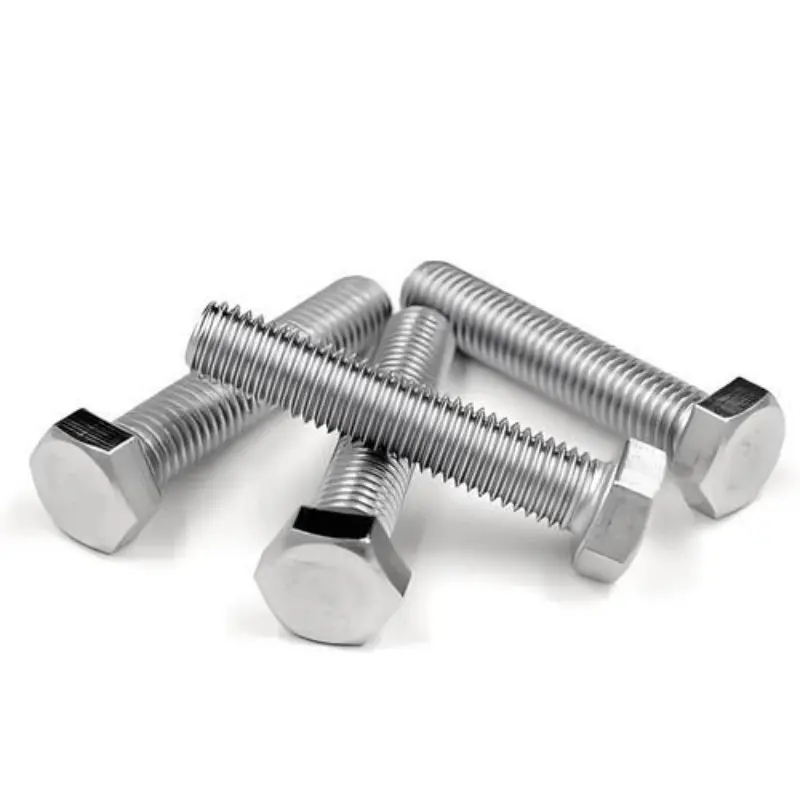
Non-magnetic fasteners, due to their unique anti-magnetic interference properties, play an irreplaceable role in precision instruments, medical equipment, aerospace and other fields.

🏥 MRI Equipment

Used for fixation of the magnetic resonance imaging system to prevent ferromagnetic interference.

🛰️ Navigation System

Components of satellites and aircraft to avoid interfering with gyroscopes and magnetometers.

📡 Radar Equipment

High-frequency signal transmission components need non-magnetic connectors to reduce distortion.

🔬 Precision Instruments

Electronic measuring equipment like spectrometers use non-magnetic connectors to prevent signal drift.

⚛️ Quantum Laboratory

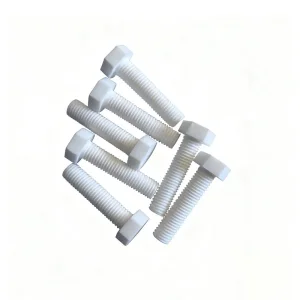
Superconducting quantum bits are extremely sensitive to magnetic fields; PEEK or Ti materials are essential.

💨 Wind Power

Amorphous alloy bolts are used for transformer cores to reduce eddy current losses.

Non-Magnetic Series Reference
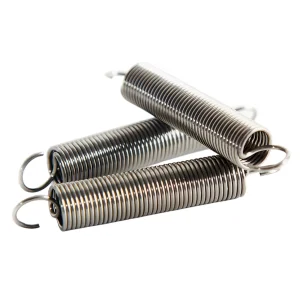
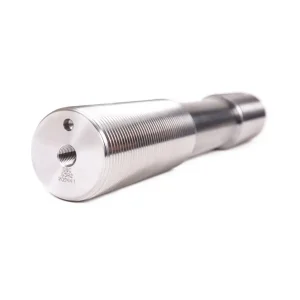
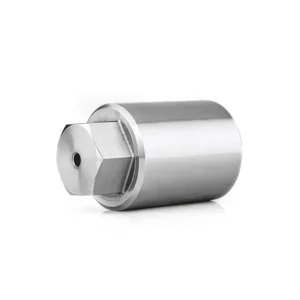
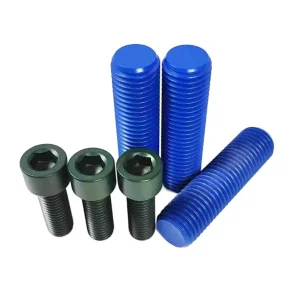
Main Types of Non-Magnetic Fasteners
A286 1.498 Gr.660
OCr21Ni6Mn9N OCr16Ni22Mn9Mo2 1.4436
Frequently Asked Questions (FAQ)
Q What makes titanium alloy fasteners non-magnetic?
Titanium alloy fasteners are inherently non-magnetic due to the atomic structure of titanium metal. Unlike ferromagnetic metals, titanium does not become magnetized when exposed to a magnetic field.
Q Why do some stainless steel fasteners show slight magnetism after cold heading?
During cold heading, processing stress can cause a partial phase transformation in austenitic stainless steel, resulting in a slight magnetic response. This is a process-related phenomenon and not a material defect.
Q What is the difference between titanium and austenitic stainless steel fasteners?
Titanium alloy offers lower density and higher strength-to-weight ratios, while austenitic stainless steels (304, 316) offer excellent cold working properties and are more cost-effective for general industrial use.
Q Which materials are used in MRI and quantum lab environments?
In MRI equipment, titanium or grades like A286 and 1.4436 are used. In quantum labs, PEEK plastic fasteners are often used as they are completely non-metallic and non-magnetic.
Q How can I verify the authenticity of non-magnetic fasteners?
Authenticity should be confirmed through official material certification (Mill Test Reports), third-party laboratory analysis, and proper manufacturing traceability.
Q What are the main grades available in the non-magnetic series?
The series mainly includes: A286, 1.498, Gr.660, OCr21Ni6Mn9N, OCr16Ni22Mn9Mo2, and 1.4436.

Related Products