China High-Strength Stainless Steel Fasteners Inconel Bolts - China Suppliers & Factory Supplier, Exporters

,

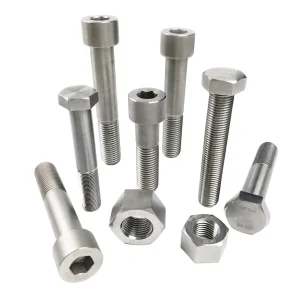
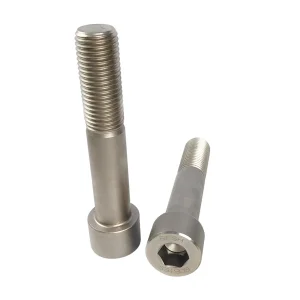
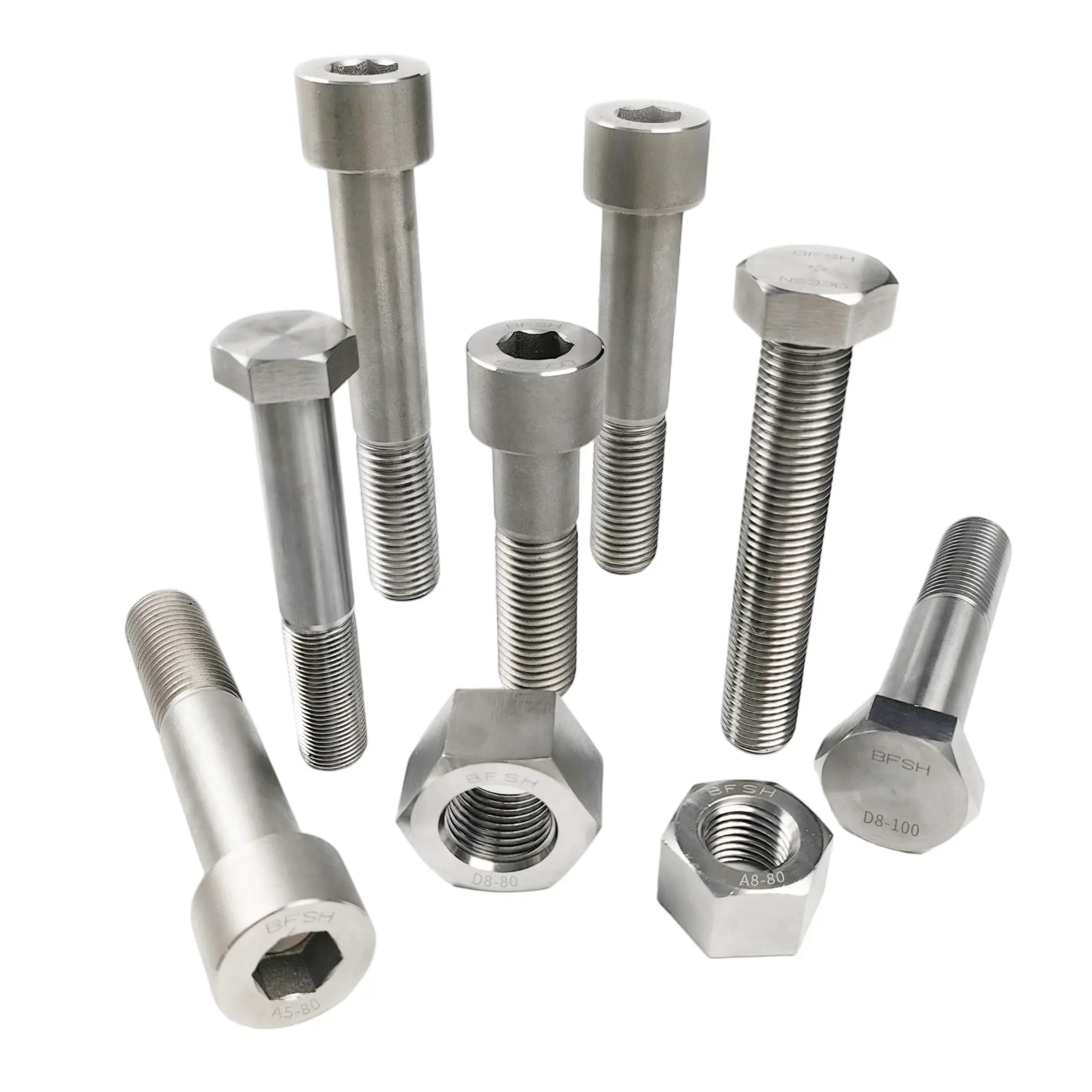
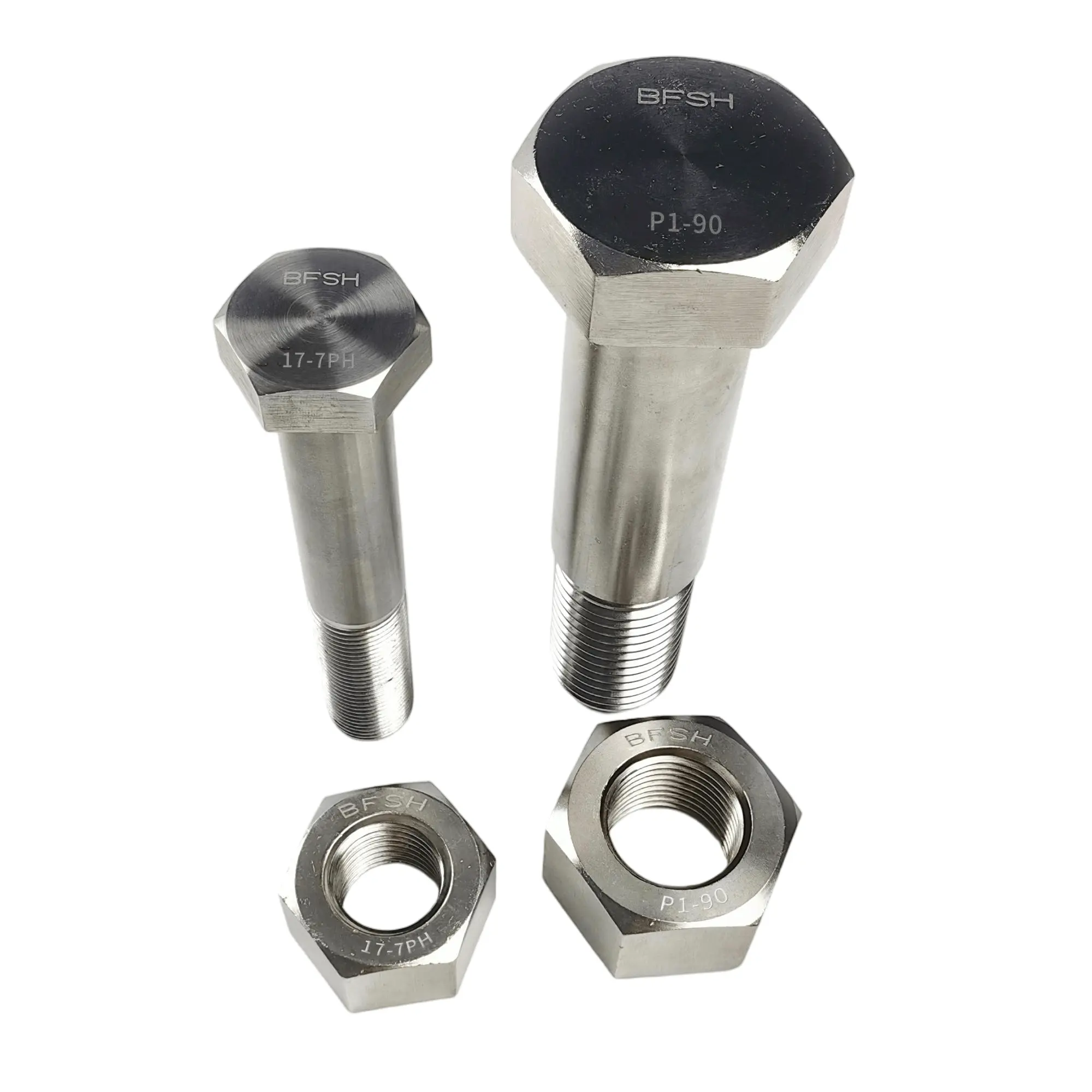
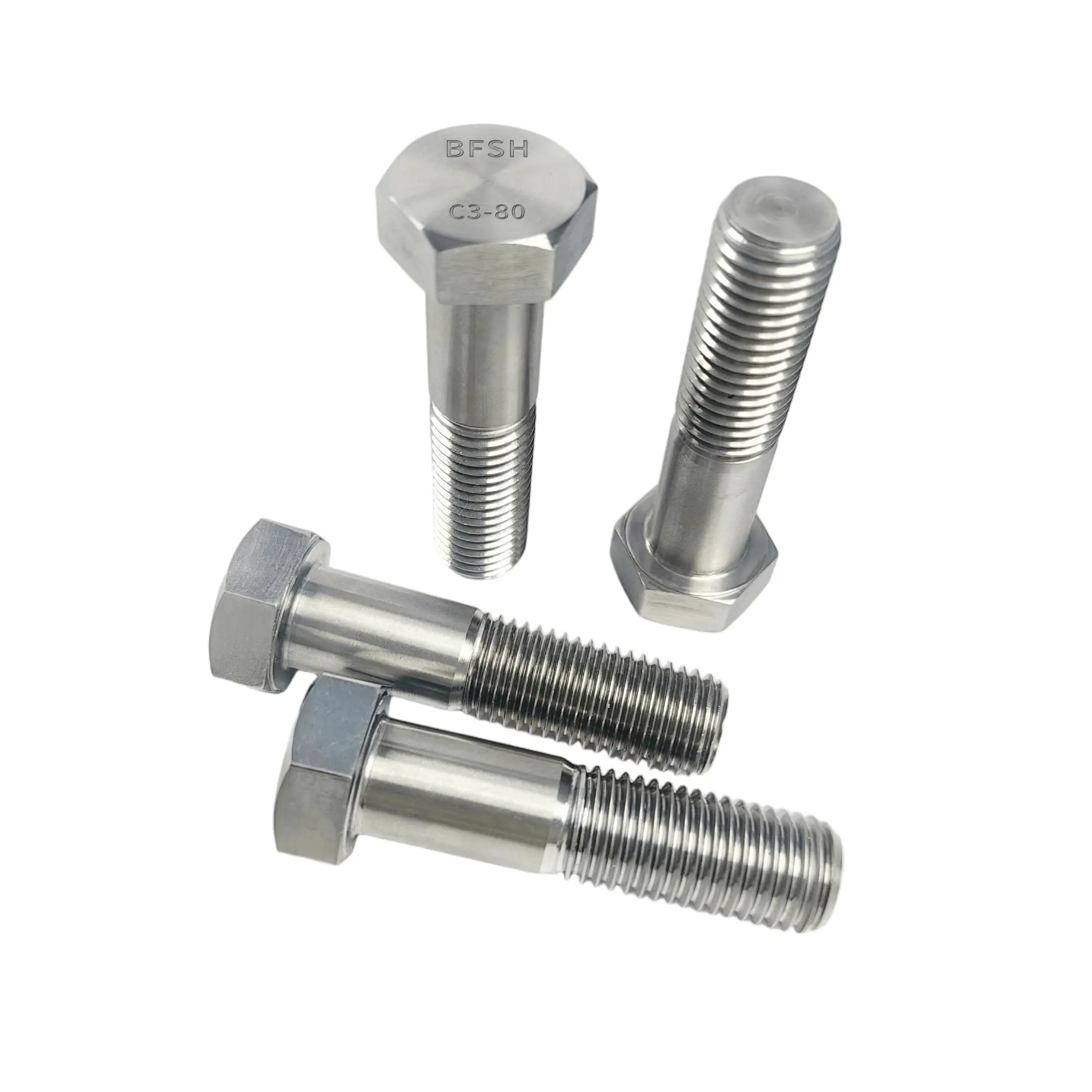
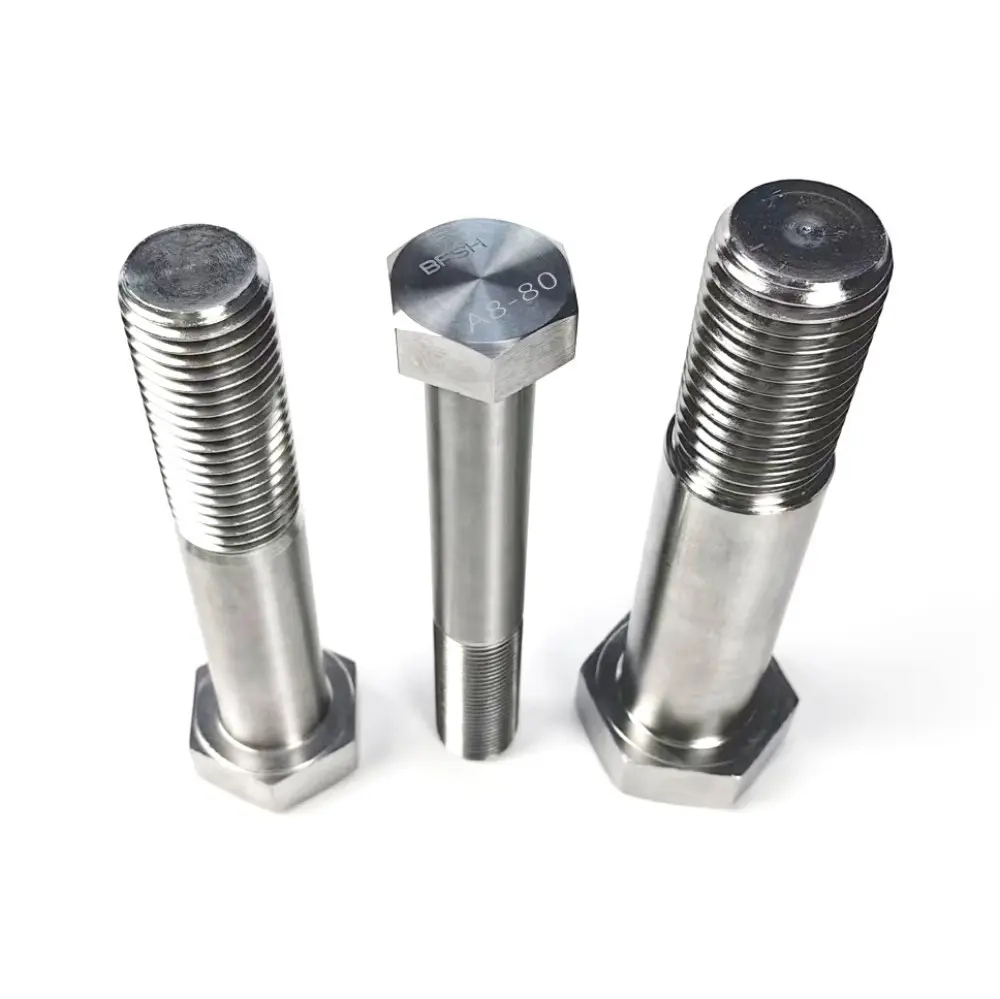
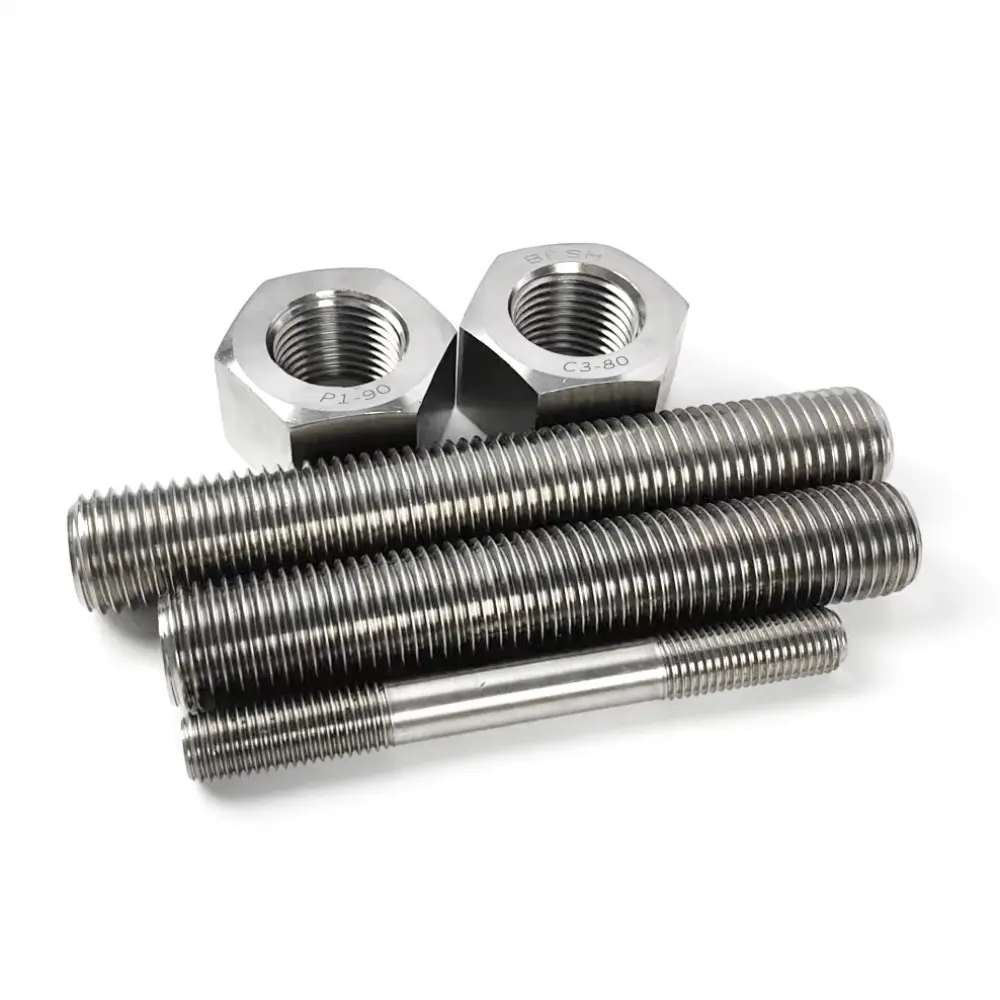
Stainless steel high-strength fasteners are essential components crafted from premium stainless steel materials, renowned for their exceptional strength and resistance to corrosion. These fasteners are ideal for demanding applications that require enduring heavy loads and functioning in harsh environments. As a leading China supplier and factory, we offer a diverse range of stainless steel high-strength fasteners, including authenticate stainless steel, martensitic stainless steel, ferritic stainless steel, and duplex stainless steel options. Trust our expertise to provide durable and reliable fasteners that meet your toughest challenges.

,

Product Description

Austenitic Stainless Steel High-Strength Fasteners

C Composition

Mainly contains chromium (16–26%) and nickel (6–22%). Common grades: 304 and 316.

P Characteristics

Strong corrosion resistance, non-magnetic, good toughness, easy to process, and excellent welding performance.

Key Applications
  • Food Processing & Kitchenware: Austenitic stainless steel (e.g., 1.4310CSPFH, SUS301) is widely used in food processing equipment, kitchenware (knives, pots) and tableware — meeting food-grade cleaning requirements and less likely to contaminate food.
  • Chemical & Energy Equipment: Used in reaction vessels, pipelines, storage tanks — resistant to acids, alkalis, and salts. In petroleum and natural gas: manufacturing corrosion-resistant valves and pump shafts; S20910 stainless steel is suitable for high-temperature and high-pressure environments.
  • Architecture & Decoration: Used for exterior walls, railings, and roofs — combining both beauty and durability.
  • Transportation — Automotive: SUS301 is used for body structure components and exhaust pipes, achieving both lightweight and high strength.
  • Transportation — Aerospace: Materials such as S20910 are used for engine parts and fasteners, meeting requirements for high strength and high-temperature resistance.

Martensitic Stainless Steel High-Strength Fasteners

C Composition

Contains chromium (12–18%) and carbon (0.1–1.2%). Common grades: 410 and 420.

P Characteristics

Strength and hardness enhanced through heat treatment, good wear resistance, relatively weak corrosion resistance, and magnetic.

Key Applications
  • Medical Devices & Surgical Instruments: Scissors, forceps, surgical knives — must meet requirements of high hardness and corrosion resistance.
  • Industrial Cutting Tools & Mechanical Components: Food processing tools — e.g., Z30Cr13 martensitic stainless steel tools have superior Cl⁻ corrosion resistance compared to 420J2.
  • Aerospace & Defense: Used for missile casings and engine parts — meeting requirements for high strength and corrosion resistance.

Ferritic Stainless Steel High-Strength Fasteners

C Composition

Contains chromium (10.5–30%), low carbon content. Common grades: 430 and 446.

P Characteristics

Excellent corrosion resistance (especially against stress corrosion), magnetic, medium strength, average welding performance.

Key Applications
  • Automobile Industry — Exhaust System: Exhaust pipes, mufflers — utilizing high-temperature oxidation resistance (up to 800°C) and low thermal expansion coefficient.
  • Appliances & Kitchenware: Refrigerator door handles, microwave oven shells — meeting requirements of durability and cleanliness.
  • Commercial Installation — Chemical Containers: Used for corrosion-resistant linings or pipelines. The S32803 grade performs exceptionally well in chemical reactors.

Duplex Stainless Steel High-Strength Fasteners

C Composition

Contains chromium (18–28%), nickel (4.5–8%), and molybdenum (2.5–4%). Common grades: 2205 and 2507.

P Characteristics

Combines advantages of austenite and ferrite — high strength, excellent corrosion resistance, strong resistance to stress corrosion and pitting corrosion.

Key Applications
  • Petroleum & Natural Gas — Subsea Pipelines: S31803 is used for subsea pipelines, valves, and pump bodies. Its resistance to chloride stress corrosion cracking (Cl-SCC) is superior to austenitic stainless steel. Suitable for oil/gas extraction, storage and transportation equipment.
  • Chemical & Environmental Protection Equipment: Reactors and heat exchangers in contact with acidic media (acetic acid, formic acid) — outstanding resistance to local corrosion. Also used in flue gas desulfurization systems resistant to sulfur and chloride ion environments.
  • Ocean Engineering: Vessels and propellers — resistant to seawater corrosion; suitable for marine platform components and high-pressure pipelines for seawater desalination.
  • Architecture & Energy — Nuclear Power: Used in key facilities such as nuclear power plant cooling systems — resistant to high-temperature oxidation and stress corrosion.

High Strength Stainless Steel Fasteners — Available Types

Performance Introduction and Supply Range of Stainless Steel High Strength Fasteners
Types Grade Tensile Strength Min Yield Strength Min Elongation after Break Min Percentage of Elongation Min Percentage of Contraction Min Hardness Range Executive Standard Scopes of Supply
HV HRC HBW
Austenitic
Stainless Steel
A1
A2
A3
50 500 210 0.6d ISO3506/1-2020 M1 — M140
70 700 450 0.4d ISO3506/1-2020 M3 — M64
80 800 600 0.3d ISO3506/1-2020 M3 — M48
A4
A5
50 500 210 0.6d ISO3506/1-2020 M1 — M140
70 700 450 0.4d ISO3506/1-2020 M3 — M64
80 800 600 0.3d ISO3506/1-2020 M3 — M48
100 1000 800 0.2d ISO3506/1-2020 M6 — M16
A8 70 700 450 0.4d ISO3506/1-2020 M3 — M64
80 800 600 0.3d ISO3506/1-2020 M3 — M36
100 1000 800 0.2d ISO3506/1-2020 M6 — M16
Duplex
Stainless Steel
D2
D4
D6
D8
70 700 450 0.4d ISO3506/1-2020 M3 — M64
80 800 600 0.3d ISO3506/1-2020 M3 — M48
100 1000 800 0.2d ISO3506/1-2020 M6 — M16
Martensitic
Stainless Steel
C1 50 500 250 0.2d 155 — 220 147 — 209 ISO3506/1-2020 M5 — M140
70 700 410 0.2d 220 — 330 20 — 34 209 — 314 ISO3506/1-2020 M5 — M140
110 1100 820 0.2d 350 — 440 36 — 45 ISO3506/1-2020 M5 — M64
C3 80 800 640 0.2d 240 — 340 21 — 35 228 — 323 ISO3506/1-2020 M5 — M140
120 1200 950 0.2d 380 — 480 39 — 48 ASTM F738M-02 M6 — M64
C4 50 500 250 0.2d 155 — 220 147 — 209 ISO3506/1-2020 M1 — M140
70 700 410 0.2d 220 — 330 20 — 34 209 — 314 ISO3506/1-2020 M3 — M64
110 1100 820 0.2d 350 — 440 36 — 45 ASTM F738M-02 M6 — M64
Precipitation-Hardening
Stainless Steel
P1 90 900 700 0.2d 285 — 370 28 — 38 ASTM F738M-02 M6 — M64
XM-12 H900 1310 1170 10% 35% 40 Min ASTM A564-2019 M5 — M140
XM-13 H950 1515 1415 10% 45% 45 Min ASTM A564-2019 M5 — M140
XM-16 H900 1620 1515 8% 30% 47 Min ASTM A564-2019 M5 — M140
XM-25 H900 1240 1170 10% 40% 39 Min ASTM A564-2019 M5 — M140
S11100 H900 1700 1590 11% 43% 47 Min ASTM A564-2019 M5 — M140
S17400 H900 1310 1170 10% 40% 40 Min ASTM A564-2019 M5 — M140
S45503 H900 1620 1520 8% 30% 47 Min ASTM A564-2019 M5 — M140
S46500 H950 1655 1515 10% 45% 47 Min ASTM A564-2019 M5 — M140
Frequently Asked Questions
Q What is the difference between austenitic and martensitic stainless steel fasteners?
Austenitic stainless steel fasteners (e.g., 304, 316) are non-magnetic, offer excellent corrosion resistance, and are easy to process and weld — making them ideal for food processing, chemical equipment, and architecture. Martensitic stainless steel fasteners (e.g., 410, 420) are magnetic and can be hardened through heat treatment to achieve higher strength and wear resistance, making them better suited for surgical instruments, cutting tools, and aerospace components where high hardness is required.
Q What are duplex stainless steel fasteners used for?
Duplex stainless steel fasteners (e.g., grades 2205, 2507) combine the advantages of both austenitic and ferritic structures, offering high strength and superior resistance to stress corrosion cracking and pitting. They are widely used in subsea pipelines, chemical reactors, heat exchangers, marine platforms, seawater desalination systems, and nuclear power plant cooling systems.
Q What standard governs the performance of stainless steel high-strength fasteners?
Most stainless steel high-strength fasteners covered in this range comply with ISO 3506/1-2020, which specifies mechanical properties for austenitic, martensitic, ferritic, and duplex stainless steel fasteners. Certain precipitation-hardening grades (such as XM-12, S17400, S46500) are governed by ASTM A564-2019 and ASTM F738M-02.
Q What size range is available for stainless steel high-strength fasteners?
The supply range varies by material type and grade. Austenitic grades A1/A2/A3 and A4/A5 at grade 50 are available from M1 to M140. Martensitic grades C1 and C4 also cover M1 to M140 for certain property classes. Precipitation-hardening grades (XM-12, S17400, etc.) are available from M5 to M140. Please refer to the performance table above for the specific scope of supply for each grade.
Q Why are ferritic stainless steel fasteners commonly used in automotive exhaust systems?
Ferritic stainless steel (e.g., grades 430, 446) exhibits excellent high-temperature oxidation resistance with working temperatures of up to 800°C, combined with a low thermal expansion coefficient. These properties make it highly suitable for automotive exhaust pipes and mufflers, where components are subjected to repeated thermal cycling and exposure to hot gases.
Q What makes precipitation-hardening stainless steel fasteners stand out?
Precipitation-hardening (PH) stainless steel fasteners achieve exceptionally high tensile strength — some grades such as S11100 reach up to 1700 MPa and S46500 up to 1655 MPa — through a controlled aging heat treatment process. They combine high strength with good corrosion resistance, making them ideal for demanding applications in aerospace, defense, and high-performance industrial environments. Common grades include XM-12, XM-13, XM-16, S17400, S45503, and S46500.

Related Products