 BSF
BSF
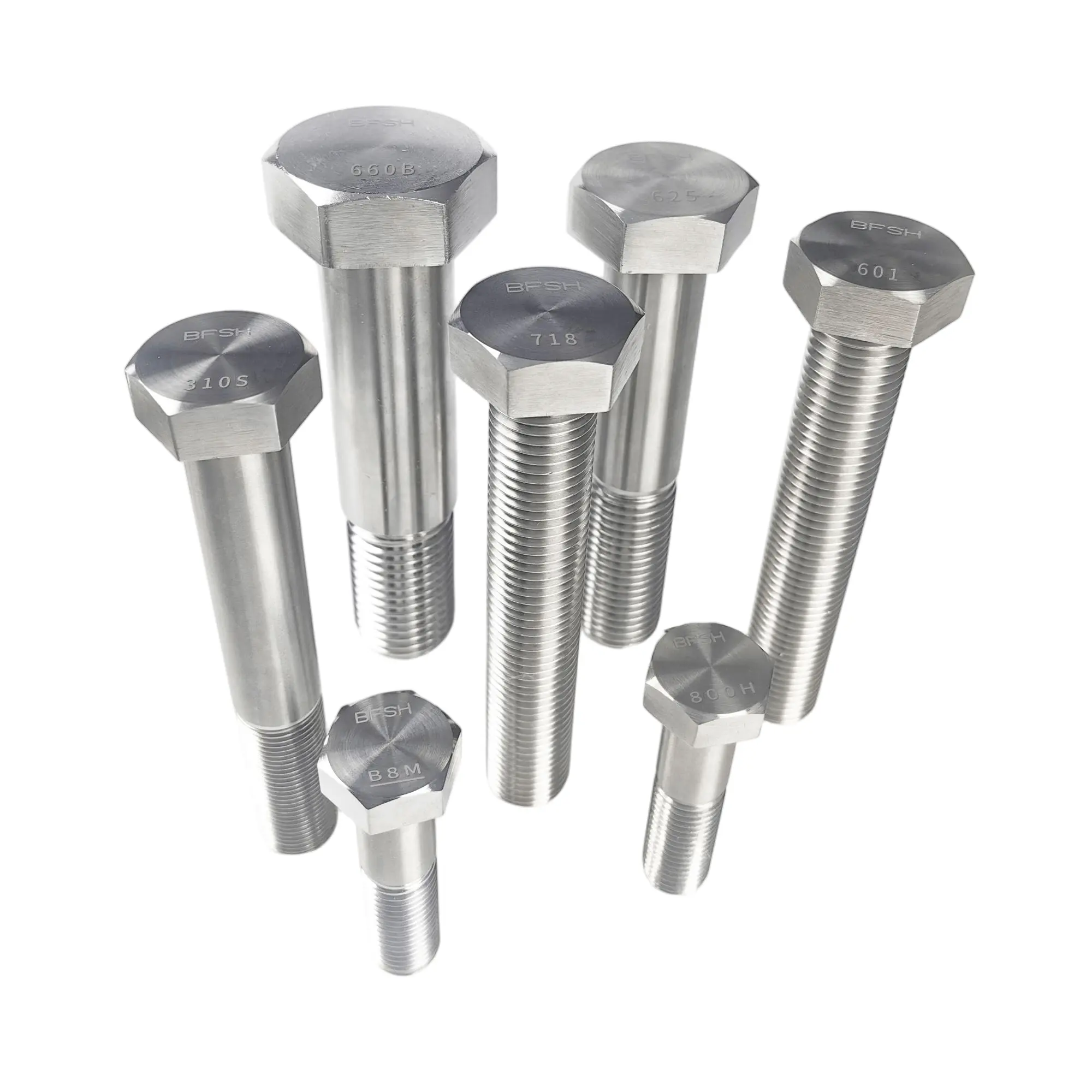
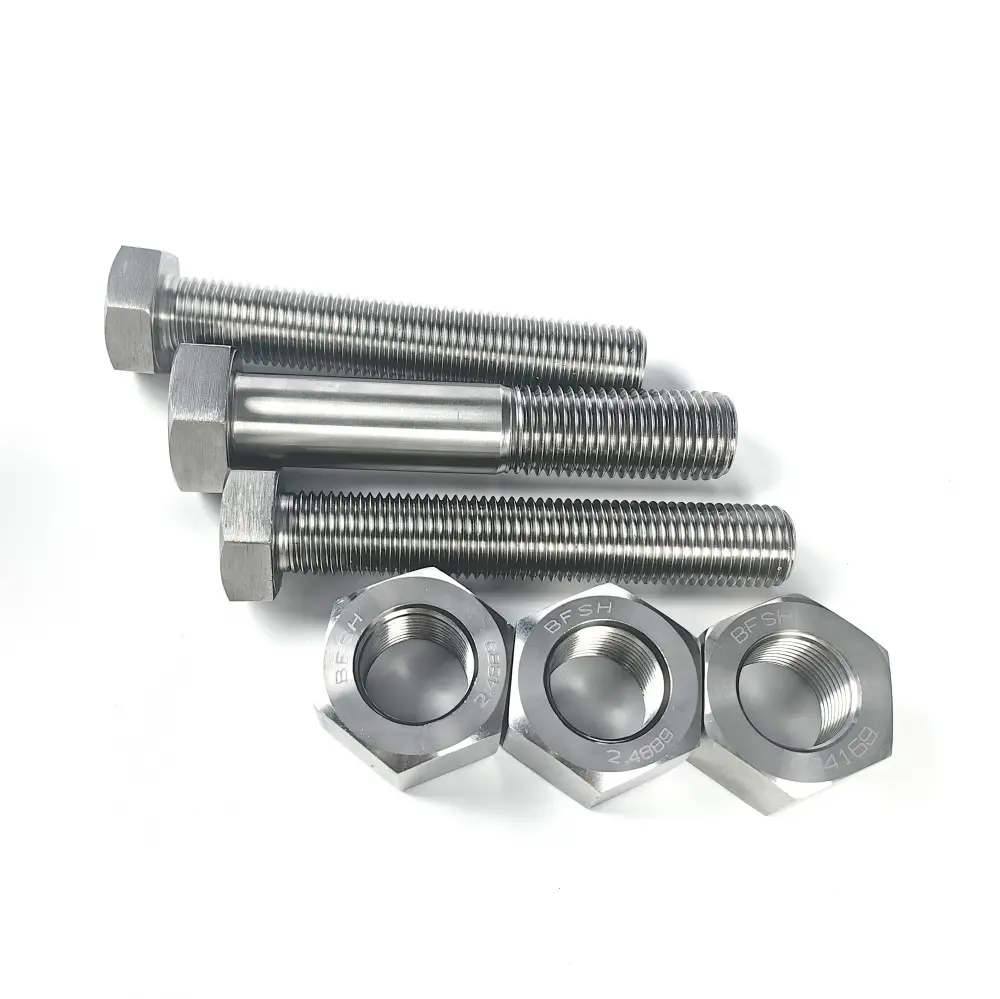
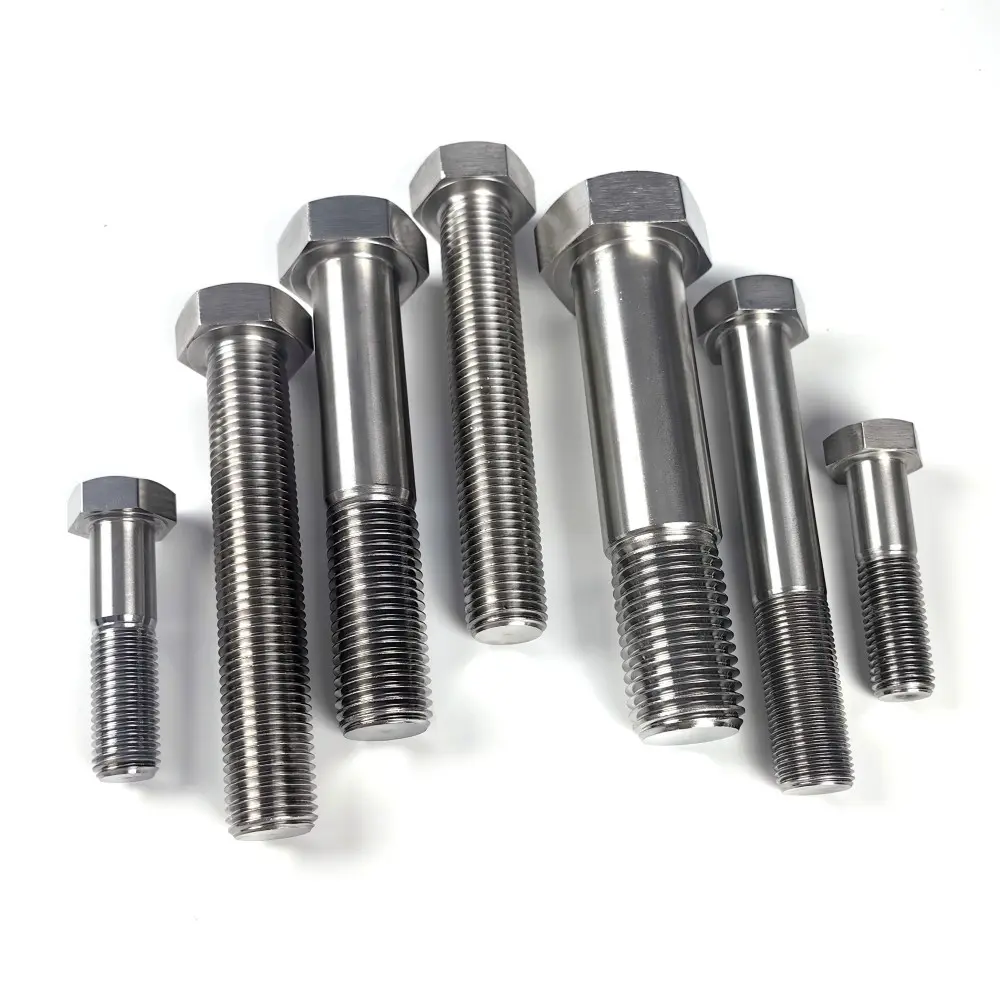
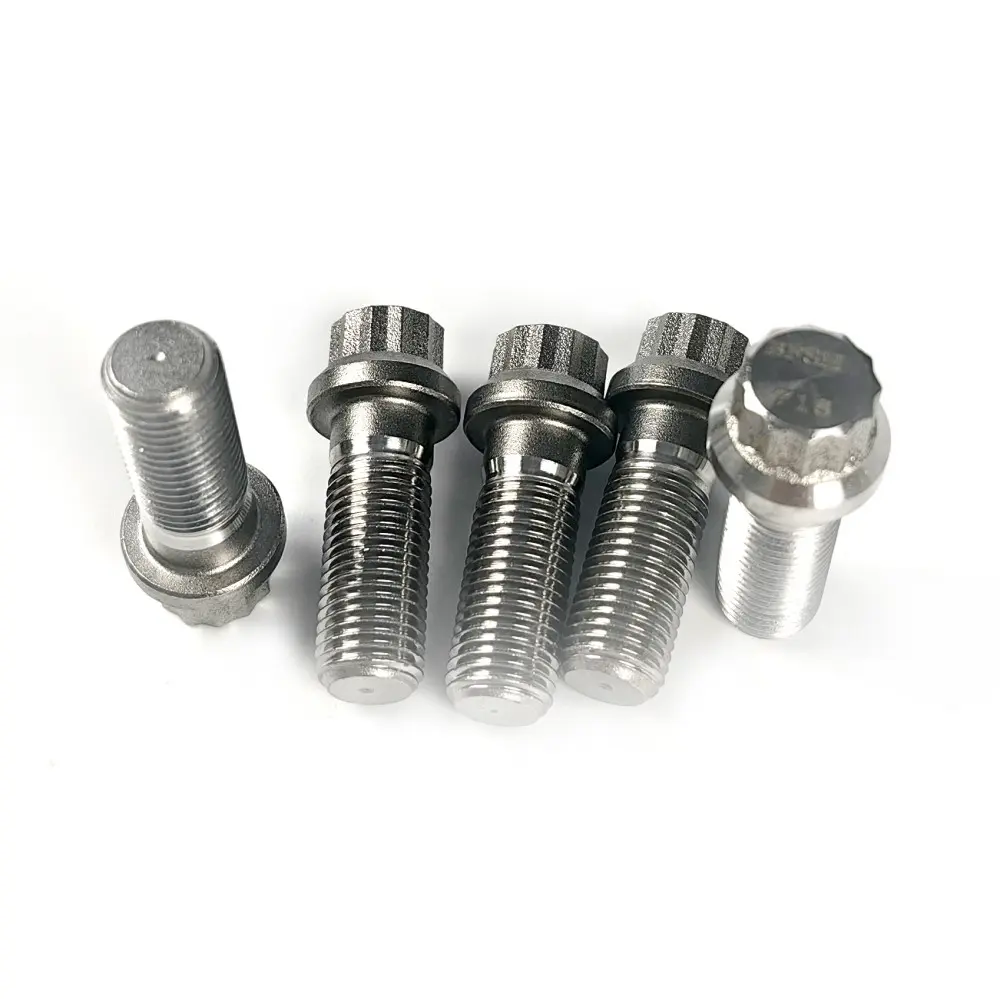
1 / 5
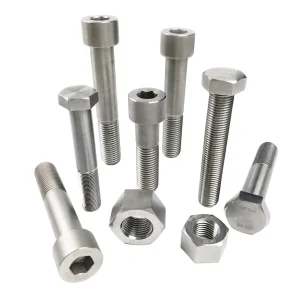
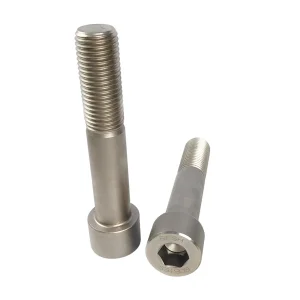
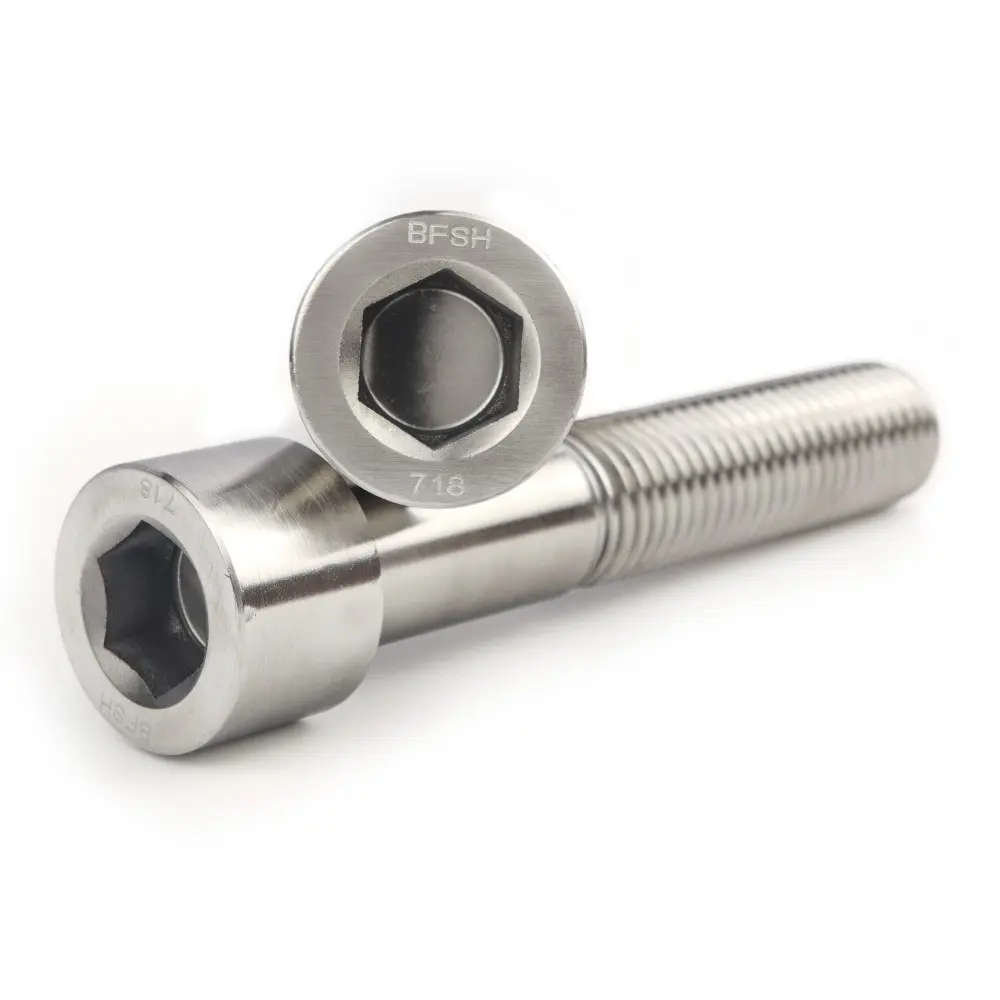
7709 steel is a high-performance alloy steel, also known as 21CrMoV5-7, and is widely used in the manufacturing of high-strength, high-temperature-resistant fasteners such as bolts and nuts. The following is an in-depth introduction to the screws made of 1.7709 material:
It mainly consists of carbon (C: 0.17–0.25), silicon (Si: 0.15–0.35), manganese (Mn: 0.35–0.85), chromium (Cr: 1.20–1.50), molybdenum (Mo: 0.65–0.80), and vanadium (V: 0.25–0.35) and other elements. The reasonable proportion of these elements gives the steel excellent comprehensive properties.
In the heat-treated state, 1.7709 steel has high strength and good mechanical properties. Its yield strength (Rp0.2) can reach ≥550 MPa, tensile strength (PM) can reach ≥700 MPa, elongation (A) ≥16%, and reduction of area (A) ≥60%.
This material can still maintain good mechanical properties in high-temperature environments and is suitable for working conditions with temperatures exceeding 300°C.
High-temperature high-strength fasteners (H-T H-S Fasteners) need to simultaneously meet requirements such as high-temperature strength, anti-rust property and corrosion resistance in extreme environments. Their core application fields are as follows:
| High Temperature Fasteners Available Types | |||
| Digital Grade | Material | Executive Standard | Withstand Temperature |
| 2.4851 / UNS N06601 / Alloy601 | NiCr23Fe | DIN17742 / EN10095 / ASTM B166 | 1200℃ |
| 2.4633 / UNS N06025 / Alloy602 | NiCr25FeALY | DIN EN 10302 / ASTM B166 | 1200℃ |
| 2.4851 | NiCr23Fe | DIN EN10095 | 1200℃ |
| 2.4889 | NiCr28FeSiCe | DIN EN10095 | 1170℃ |
| 1.4854 | X6NiCrSiNCe35-25 | DIN EN10095 | 1170℃ |
| 1.4762 | X10CrAISi25 | DIN EN10095 | 1150℃ |
| 2.4816 / UNS N06600 / Alloy600 | NiCr15Fe | DIN17742 / EN10095 / ASTM B166 | 1150℃ |
| 1.4841 / AISI310S / AISI314 | X15CrNiSi25-21 | EN10095 / SEW470 | 1150℃ |
| 1.4762 / SICRO12 | X10CrAISi25 | EN10095 / SEW470 | 1150℃ |
| 2.4665 / UNS N06002 / Alloy X | NiCr19NbMo | ASTM B572 | 1100℃ |
| 2.4663 / UNS N06617 / Alloy617 | NiCr23Co12Mo | ASTM B166 | 1100℃ |
| 1.4864 / Alloy330 | X12NiCrSi36-16 | EN10095 / SEW470 | 1100℃ |
| 1.4835 / Alloy253 MA | X9CrNiSiNCe21-11-2 | EN10095 | 1100℃ |
| 1.4835 | X9CrNiSiNCe21-11-2 | DIN EN10095 | 1100℃ |
| 1.4877 | X6NiCrNbCe32-27 | DIN EN10095 | 1100℃ |
| 1.4872 | X25CrMnNiN25-9-7 | DIN EN10095 | 1100℃ |
| 1.4841 | X15CrNiSi25-21 | DIN EN10095 | 1100℃ |
| 2.4816 | NiCr15Fe | DIN EN10095 | 1100℃ |
| 1.4749 | X18CrN28 | DIN EN10095 | 1100℃ |
| 1.4845 / AISI310 / AISI3105 | X8CrNi25-21 | EN10095 / SEW470 / ASTM A276 | 1050℃ |
| 1.4864 | X12NiCrSi35-16 | DIN EN10095 | 1050℃ |
| 1.4886 | X10NiCrSi35-19 | DIN EN10095 | 1050℃ |
| 1.4887 | X10NiCrSiNb35-22 | DIN EN10095 | 1050℃ |
| 1.4821 | X15CrNiSi25-4 | DIN EN10095 | 1050℃ |
| 1.4876 | X10NiCrAITi32-21 | DIN EN10095 | 1050℃ |
| 1.4818 | X6CrNiSiNCe19-10 | DIN EN10095 | 1050℃ |
| 1.4845 | X8CrNi25-21 | DIN EN10095 | 1000℃ |
| 1.4742 | X10CrAISi18 | DIN EN10095 | 1000℃ |
| 1.4828 / AISI3095 | X15CrNiSi20-12 | EN10095 / SEW470 / ASTM A276 | 1000℃ |
| 1.4742 / SICRO 10 | X10CrAISi18 | EN10095 / SEW470 | 1000℃ |
| 2.4634 / UNS N13021 / Alloy 105 | NiCo20Cr15MoAITi | ASTM B637 | 950℃ |
| 1.4876H / Alloy800H | X10NiCrAITi32-20H | ASTM B408 | 950℃ |
| 2.4969 / UNS N07090 / Alloy90 | NiCr20Co18Ti | DIN EN10302 / BS 2HR2 | 920℃ |
| 1.4876HT / Alloy 800HT | X10NiCrAITi32-20HT | ASTM B408 | 900℃ |
| 1.4878 / AISI 321H | X8CrNiTi18-10 | EN10095 / SEW470 | 850℃ |
| 1.4724 / SICRO 9 | X10CrAISi13 | EN10095 / SEW470 | 850℃ |
| 1.4736 | X3CrAITi18-2 | DIN EN10095 | 850℃ |
| 1.4828 | X15CrNiSi20-12 | DIN EN10095 | 850℃ |
| 1.4833 | X12CrNi23-13 | DIN EN10095 | 850℃ |
| 2.4856 | NiCr22Mo9Nb | DIN EN10095 | 850℃ |
| 1.4724 | X10CrAISi13 | DIN EN10095 | 850℃ |
| 1.4878 | X8CrNiTi18-10 | DIN EN10095 | 800℃ |
| 1.4713 | X10CrAISi7 | DIN EN10095 | 800℃ |
| 2.4952 / UNS N07080 / Alloy 80A | NiCr20TiAI | DIN EN10269 / ASTM B 637 | 800℃ |
| 1.4713 / SICRO 8 | X10CrAISi7 | EN10095 / SEW470 | 800℃ |
| 1.4981 | X8CrNiMoNb16-16 | — | 750℃ |
| 2.4668 / UNS N07718 / Alloy 718 | NiCr19Fe19Nb5Mo3 | DIN EN 10269 / ASTM B637 | 700℃ |
| 1.4986wk | X7CrNiMoBNb16-16 | DIN EN 10269/2 | 670℃ |
| 1.4980 / Alloy268 / 660A/B/C/D | X6NiCrTiMoVB25-15-2 | DIN EN10269 / ASTM 453 | 650℃ |
| 2.4669 | NiCr15Fe7TiAI | — | 650℃ |
| 2.4952 | NiCr20TiAI | — | 600℃ |
| 1.4980 | X6NiCrTiMoVB25-15-2 | — | 600℃ |
| 1.4982 | X10CrNiMoMnNbVB15-10-1 | — | 600℃ |
| 1.4986 | X7CrNiMoBNb16-16 | DIN EN 10269 | 600℃ |
| 1.7233 | 42CrMo5-6 | — | 600℃ |
| 1.4923 | X22CrMoV12-1 | DIN EN 10269 | 600℃ |
| 1.4913 | X19CrMoNbVN11-1 | DIN EN 10269 | 600℃ |
| 1.7711 | 40CrMoV4-6 | DIN EN 10269 | 550℃ |
| 1.7709 | 21CrMoV5-7 | DIN EN 10269 | 550℃ |
| 1.7218 | 25CrMo4 | DIN EN 10269 | 550℃ |
| 1.4562 / UNS N08031 / Alloy31 | X1NiCrMoCu32-28-7 | ASTM B581 / B649 | 550℃ |
| 1.7711 | 40CrMoV4-6 | DIN EN 10269 | 550℃ |
| 1.4913 | X19CrMoNbVN11-1 | DIN EN 10269 | 550℃ |
| 1.4948 | X6CrNi18-10 | — | 550℃ |
| 1.4429 | X2CrNiMoN17-13-3 | — | 550℃ |
| 1.4401 | X5CrNiMo17-12-2 | — | 500℃ |
| 1.4404 | X2CrNiMo17-12-2 | — | 500℃ |
| 1.4303 | X4CrNi18-12 | DIN EN10269 | 500℃ |
| 1.4301 | X4CrNi18-10 | — | 500℃ |
| 1.4307 | X2CrNi18-9 | — | 500℃ |
| 1.7729 | 20CrMoVTiB4-10 | — | 500℃ |
| 1.7729 | 20CrMoVTiB4-10 | DIN EN 10269 | 500℃ |
| 1.7225 | 42CrMO4 | DIN EN 10269 | 500℃ |
| 2.4858 / UNS N08825 / Alloy825 | NiCr21Mo | DIN17744 / 17752 / ASTM B425 | 450℃ |
| 2.4856 / UNS N06625 / Alloy625 | NiCr22Mo9Nb | ASTM B446 / B564 / E112 | 450℃ |
| 2.4816 / UNS N06600 / Alloy600 | NiCr15Fe | ASTM B 166 | 450℃ |
| 2.4605 / UNS N06059 / Alloy59 | NiCr23Mo16AI | ASTM B574 / B564 | 450℃ |
| 2.4610 / UNS N06455 / Alloy C4 | NiMo16Cr16Ti | ASTM B574 / B564 | 400℃ |
| 2.4602 / UNS N06022 / Alloy C22 | NiCr21Mo14W | ASTM B574 / B564 | 400℃ |
| 1.4571 / AISI 316Ti | X6CrNiMoTi17-12-2 | DIN EN 10088-3 / 10272 | 400℃ |
| 1.4541 / AISI 321 | X6CrNiTi18-10 | DIN EN 10088-3 / 10272 | 400℃ |
| 1.4539 / AISI 904L | X1NiCrMoCu25-20-5 | DIN EN 10088-3 / 10272 | 400℃ |
| 1.4529 / Alloy926 | X1NiCrMoCu25-20-7 | DIN EN 10088-3 / 10272 | 400℃ |
| 1.4429 / AISI 316LN | X2CrNiMoN17-13-3 | DIN EN 10269 / 10272 | 400℃ |
| 1.4404 / AISI 316L | X2CrNiMo17-12-2 | DIN EN 10269 / 10272 | 400℃ |
| 1.4923 | X22CrMoV12-1 | DIN EN 10269 | 400℃ |
| 1.7225 | 42CrMo4 | DIN EN 10269 | 400℃ |
| 1.7709 | 21CrMoV5-7 | DIN EN 10269 | 400℃ |
| 1.7258 | 24CrMo5 | — | 400℃ |
| 1.7219 | 26CrMo4 | — | 400℃ |
| 1.7218 | 25CrMo4 | DIN EN 10269 | 400℃ |
| 1.4571 | X6CrNiMoTi17-12-2 | — | 400℃ |
| 1.739 | X15CrMo5-1 | — | 400℃ |
| 1.1133 | 20Mn5 | — | 400℃ |