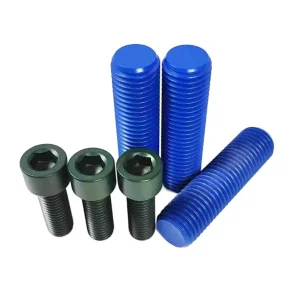
In modern structural engineering and high-vibration dynamic assemblies, the integrity of bolted joints is a primary concern. Traditional standard nuts often succumb to rotational loosening under transverse loading, thermal cycling, and structural vibration. Nylon insert lock nuts, alternatively recognized as prevailing torque nuts or Nyloc nuts, implement a distinct mechanical design to secure threaded fasteners without relying on critical tensioning alone.
The operating principle of a Nylon Insert Lock Nut lies within its structural design: an undersized, unthreaded polyamide (nylon) collar placed at the crown of the nut. As the mating male thread (bolt or stud) passes through the load-bearing metal threads of the nut and reaches the nylon insert, it is forced to cut or compress its way through the elastic polymer ring. Unlike standard thread engagement, the nylon insert undergoes elastic deformation. This structural displacement generates high radial compressive forces around the male thread, producing a constant, predictable, and resilient frictional resistance known as *prevailing torque*.
"Prevailing torque operates independently of the tension within the bolted assembly. Unlike split lock washers or standard non-locking nuts that lose all retaining capability the moment clamping force (preload) is compromised, a nylon insert lock nut maintains its relative position on the thread, preventing catastrophic total disassembly."
This self-locking attribute makes these components indispensable in safety-critical assemblies across transportation, aerospace, heavy infrastructure, and marine environments. By maintaining joint integrity under continuous dynamic loads, Nyloc nuts prevent the gradual back-off of fasteners, thereby avoiding costly equipment downtime, physical hazards, and structural failure.
Industrial applications vary significantly in their mechanical and thermal demands. While standard carbon steel Nyloc fasteners are sufficient for basic mechanical assemblies, high-stakes industrial applications demand highly specialized metallurgical configurations and precision-engineered polymers.
In aviation, weight reduction, structural reliability, and resistance to rapid thermal changes are key requirements. Custom non-magnetic fasteners and high-tensile-strength nylon insert lock nuts made from Titanium Grade 5 (Ti-6Al-4V) are frequently selected to withstand flight stresses while offering excellent strength-to-weight ratios. The integration of specialty non-magnetic lock nuts ensures that high-frequency communication gear and navigation systems remain unaffected by electromagnetic interference.
Subsea installations, commercial shipping vessels, and offshore oil platforms operate in highly corrosive marine environments. The combination of dissolved salts, oxygen, and continuous wave action speeds up galvanic and pitting corrosion. Fasteners certified by maritime authorities (such as the China Classification Society (CCS)) are mandatory. Here, A4-80 (Grade 316) stainless steel and duplex alloys (such as 2205) are used to manufacture lock nuts. The nylon insert offers an secondary advantage: it seals the thread interface, preventing salt-water penetration and reducing the risk of internal thread oxidation and subsequent seizing.
Standard polyamide inserts operate reliably within a thermal range of -40°C to 121°C. However, advanced industrial systems often exceed these limits:
As a leading exporter and custom manufacturer, Beiersdorf Industrial Technology provides an extensive range of material selections to meet specific engineering criteria. The longevity of a locking joint depends on matching the chemical composition of the bolt, the nut body, and the locking insert.
| Material Class | Specific Alloy / Grade | Tensile / Mechanical Properties | Key Environmental Advantage |
|---|---|---|---|
| Austenitic Stainless Steel | A2-70, A4-80 (316 Grade) | Tensile strength up to 800 MPa | Excellent general corrosion resistance, suited for maritime applications. |
| Superalloys / Nickel Alloys | Inconel 718, Inconel 625 | Yield strength exceeding 1000 MPa | Maintains mechanical stability up to 1200°C; outstanding oxidation resistance. |
| Duplex Stainless Steel | SAF 2205, SAF 2507 | Double the yield strength of standard austenitic grades | High resistance to chloride stress corrosion cracking in offshore industries. |
| Titanium Alloys | Ti-6Al-4V (Grade 5) | 950 MPa Tensile Strength | Extremely lightweight, biocompatible, non-magnetic, corrosion resistant. |
| Low-Temp Alloy Steels | ASTM A320 Grade L7, L7M | Charpy V-Notch impact testing down to -101°C | High impact toughness in sub-zero oil & gas pipelines. |
The composition of the non-metallic insert determines the limits of the prevailing torque:
To verify compliance and performance, our manufacturing facilities implement strict QA/QC testing. Random testing is replaced by systematically applied structural assessment protocols.
We apply a strict sampling inspection system to ensure zero defect quality before products leave our facility.
Our fasteners are manufactured to meet ISO 9001, IATF 16949, and China Classification Society standards.
Joints undergo Junker testing (DIN 65151) to verify prevailing torque under high dynamic transverse stress.
Our testing protocols measure both the first-installation torque and subsequent torque cycles. According to international standards like ISO 2320, a nylon insert lock nut must meet minimum prevailing-in torque limits and maintain a specified level of prevailing-out torque even after multiple installations. This ensures the fastener remains reliable during routine maintenance cycles.
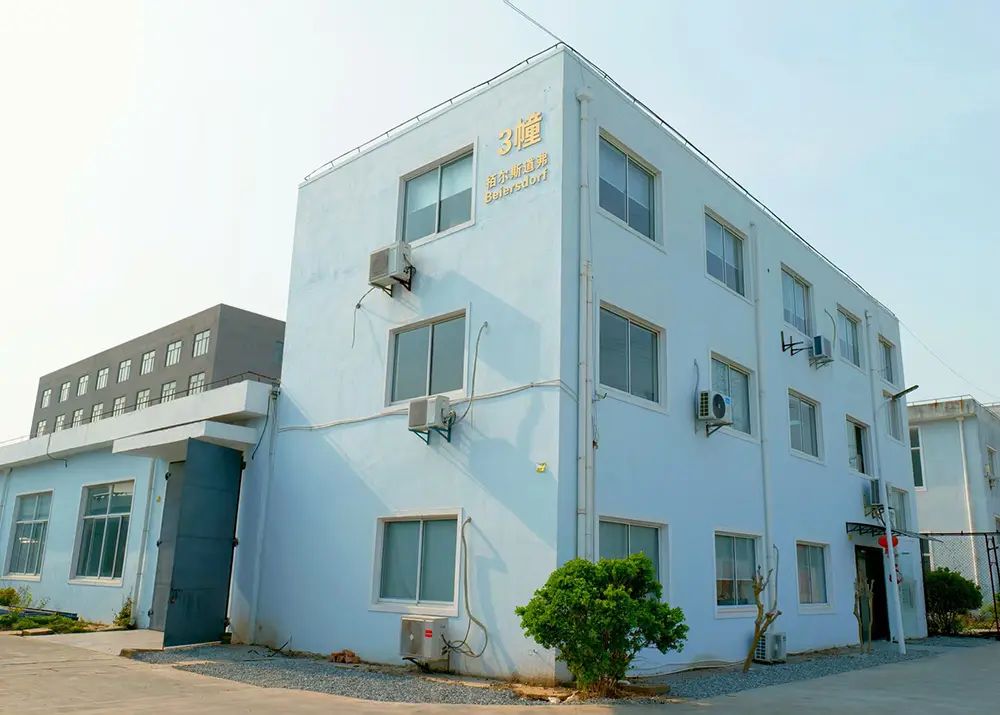
Established in 2015 in Shanghai, China, Beiersdorf Industrial Technology (Shanghai) Co., Ltd. is a specialized manufacturer and supplier of advanced fastening solutions and ultra-high precision components. With a production base of 2,535 m², our engineering team delivers standard and custom products to clients globally.
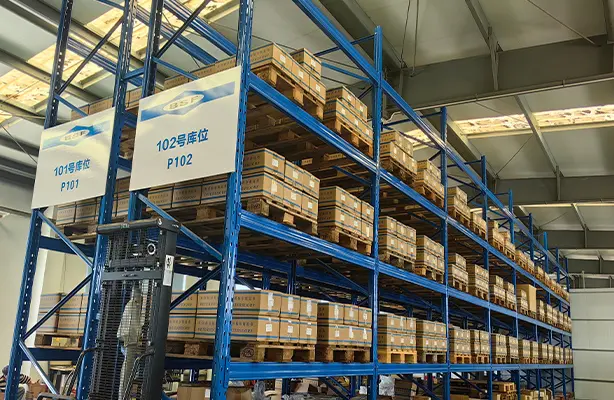
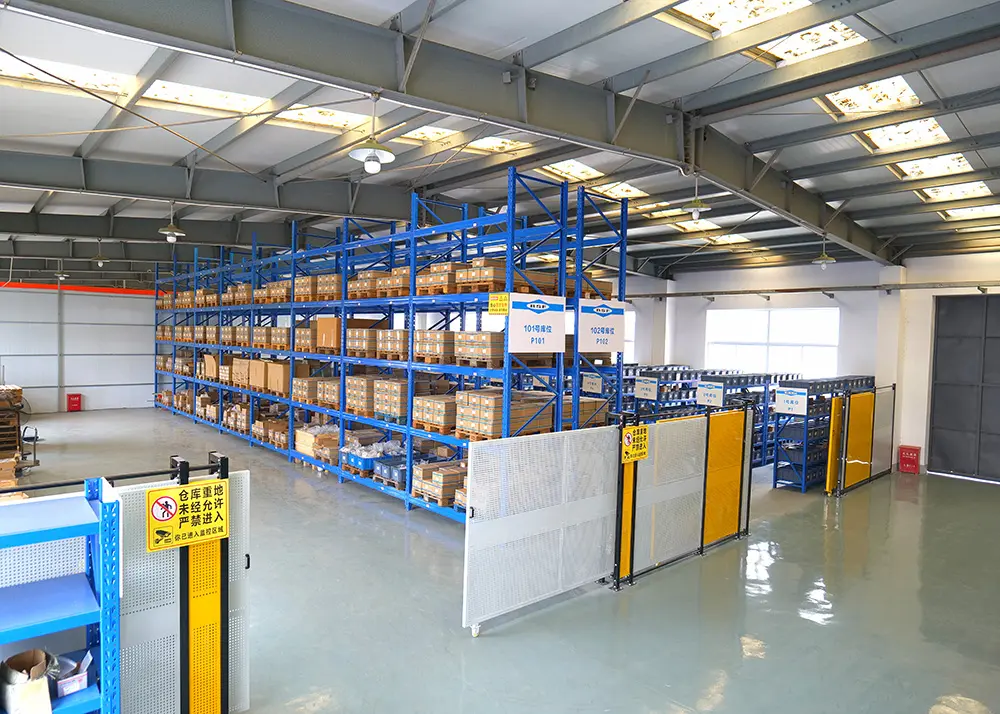
We manage an inventory of nearly 100,000 product models, supported by 500 tons of raw materials and 10,000 tons of finished stainless steel standard parts. Guided by our principle, “Product quality is the foundation for an enterprise's survival,” we work closely with engineering firms to design and supply reliable components for demanding operating environments.
Raw Material Stock: 500 Tons of Specialty Superalloys, Titanium, & Duplex Stainless Steels
Quality Philosophy: "Heart to sunshine, everything to prosperity" — absolute reliability from engineering to delivery.

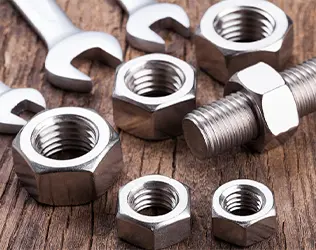
Custom nylon insert lock nuts and high-strength alloy fasteners are used in a variety of challenging operating environments:
Marine propulsion systems, rudder linkages, offshore oil platforms, submarine pipelines, and port machinery face constant vibration and saltwater exposure. In these settings, standard fasteners can fail due to galvanic corrosion and mechanical loosening. Beiersdorf supplies certified A4-80, Duplex 2205, and Inconel 718 locking fasteners that meet international shipbuilding standards to ensure long-term integrity.
Power generation systems—including wind turbines, steam turbines, and nuclear assemblies—operate under constant cyclic stress. Wind turbine blade roots, tower connections, and internal gearboxes rely on heavy-duty lock nuts (such as Class 10.9 and 12.9) to maintain joint tension despite continuous wind-induced vibrations.
Railway tracks, high-speed locomotives, and heavy transport bogies run under constant, repetitive impacts. Using prevailing-torque lock nuts on suspension joints, braking assemblies, and track switches is critical to prevent dynamic shear failure.
Precision hardware and non-magnetic stainless steel or titanium lock nuts are essential for high-frequency telecommunications masts, radar systems, and medical diagnostics equipment (such as MRI machines) to prevent magnetic interference and structural degradation.
Refineries process corrosive materials at high temperatures and pressures. Bolted flange joints and valve linkages require corrosion-resistant, high-strength alloy fasteners to prevent hazardous leaks and environmental contamination.
Beiersdorf provides technical consultation and manufacturing services for high-integrity fasteners. Contact us for assistance with material selection, technical drawings, or volume quoting.
Factory Address: Shanghai, China
+86(0)21-38022886

 BSF
BSF