 BSF
BSF
1 / 5
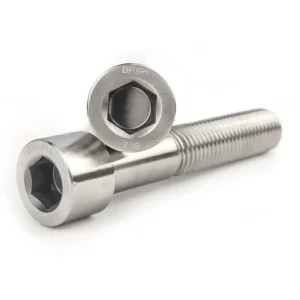
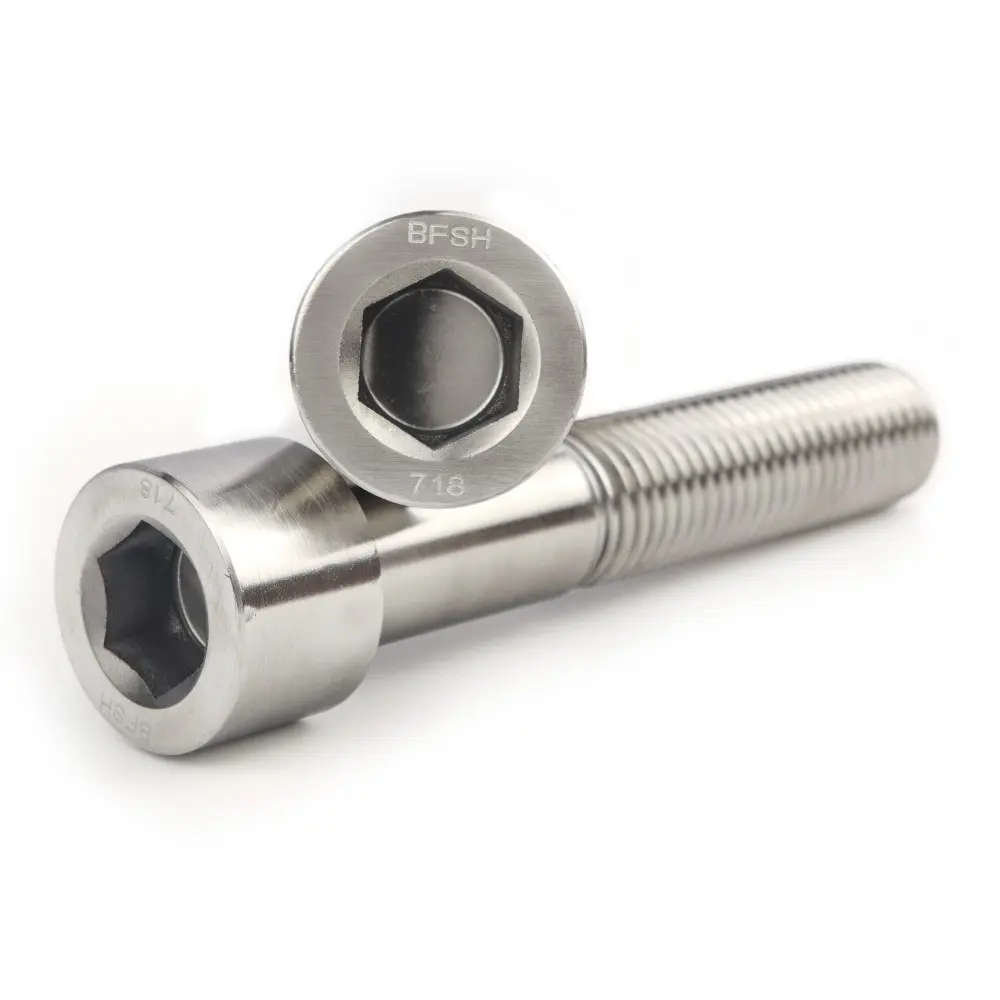
7709 steel is a high-performance alloy steel, also known as 21CrMoV5-7, and is widely used in the manufacturing of high-strength, high-temperature-resistant fasteners such as bolts and nuts. The following is an in-depth introduction to the screws made of 1.7709 material:
It mainly consists of carbon (C: 0.17-0.25), silicon (Si: 0.15-0.35), manganese (Mn: 0.35-0.85), chromium (Cr: 1.20-1.50), molybdenum (Mo: 0.65-0.80), and vanadium (V: 0.25-0.35) and other elements. The reasonable proportion of these elements gives the steel excellent comprehensive properties.
In the heat-treated state, 1.7709 steel has high strength and good mechanical properties. Its yield strength (Rp0.2) can reach ≥550 MPa, tensile strength (PM) can reach ≥700 MPa, elongation (A) ≥16%, and reduction of area (A) ≥60%.
This material can still maintain good mechanical properties in high-temperature environments and is suitable for working conditions with temperatures exceeding 300°C.
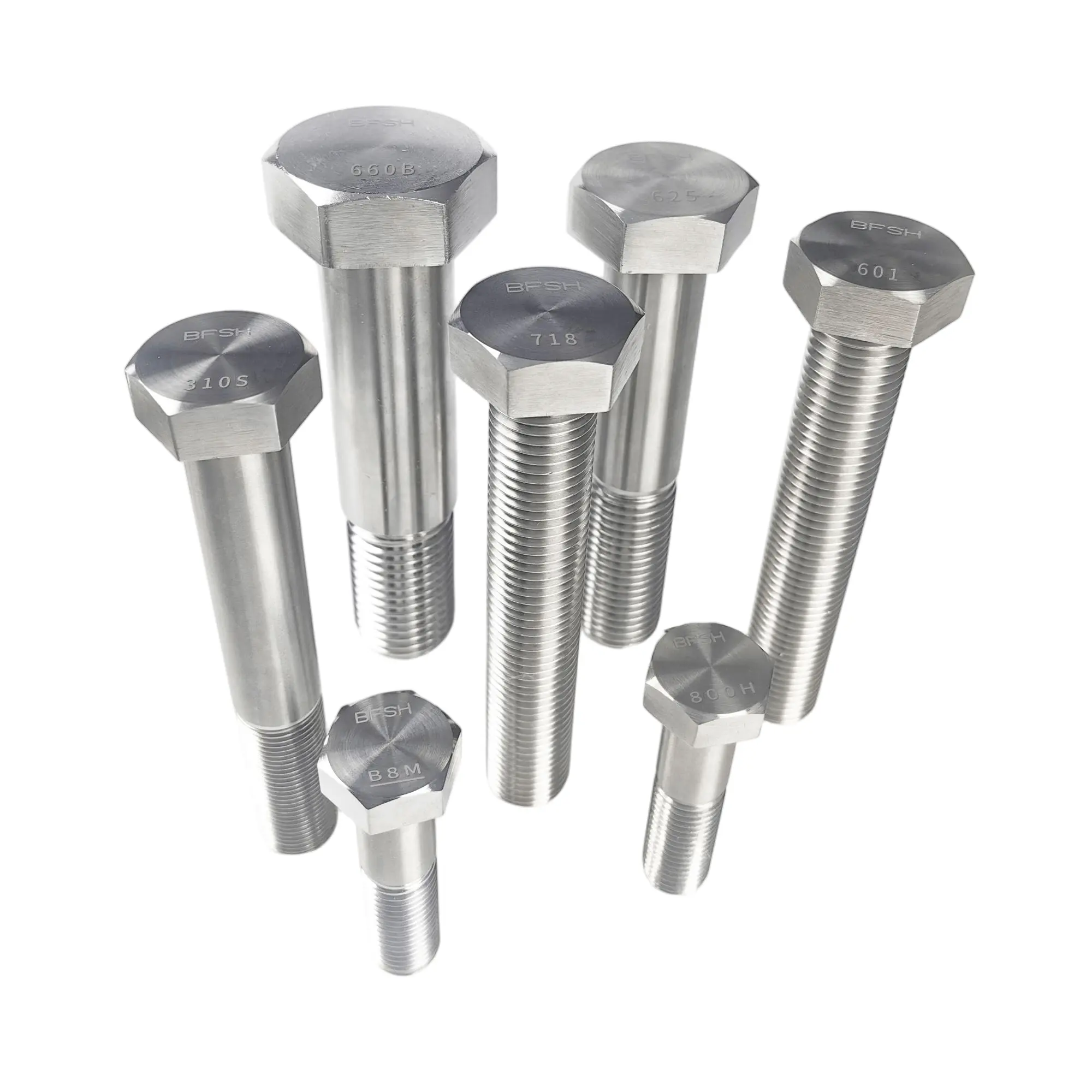
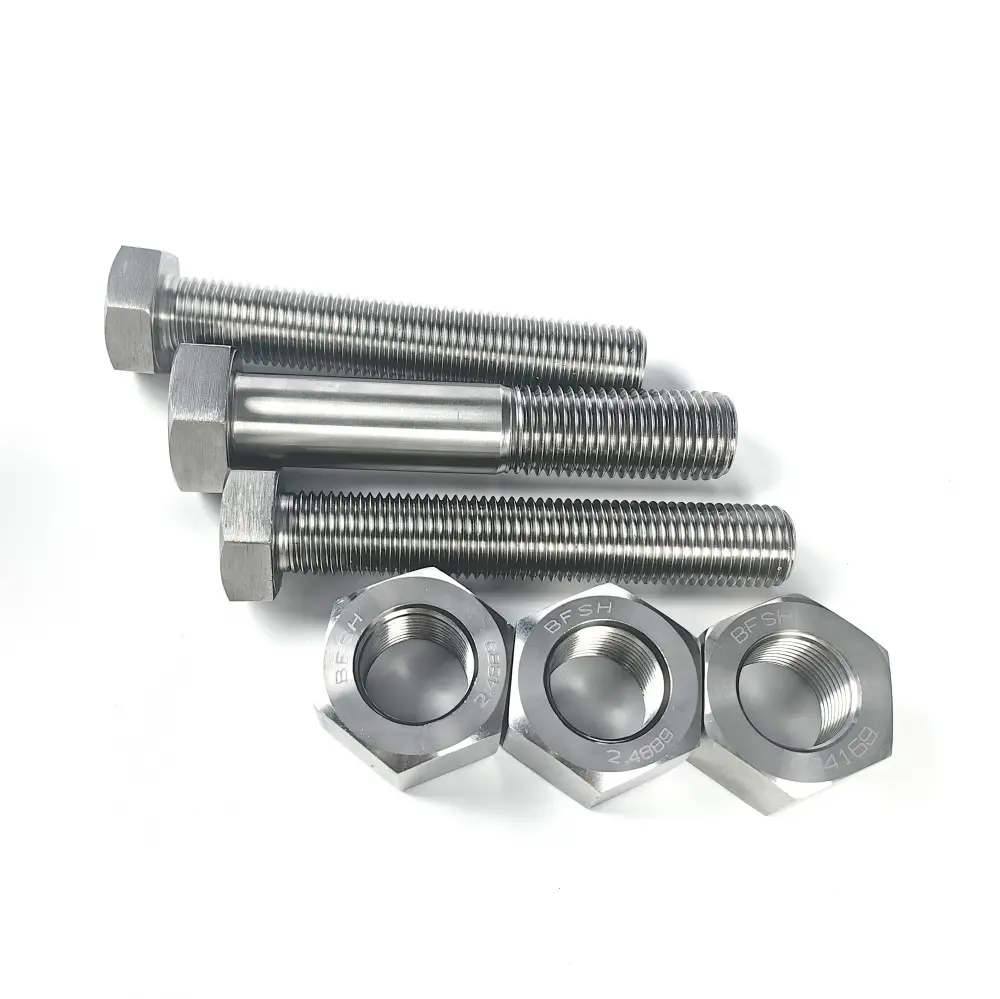
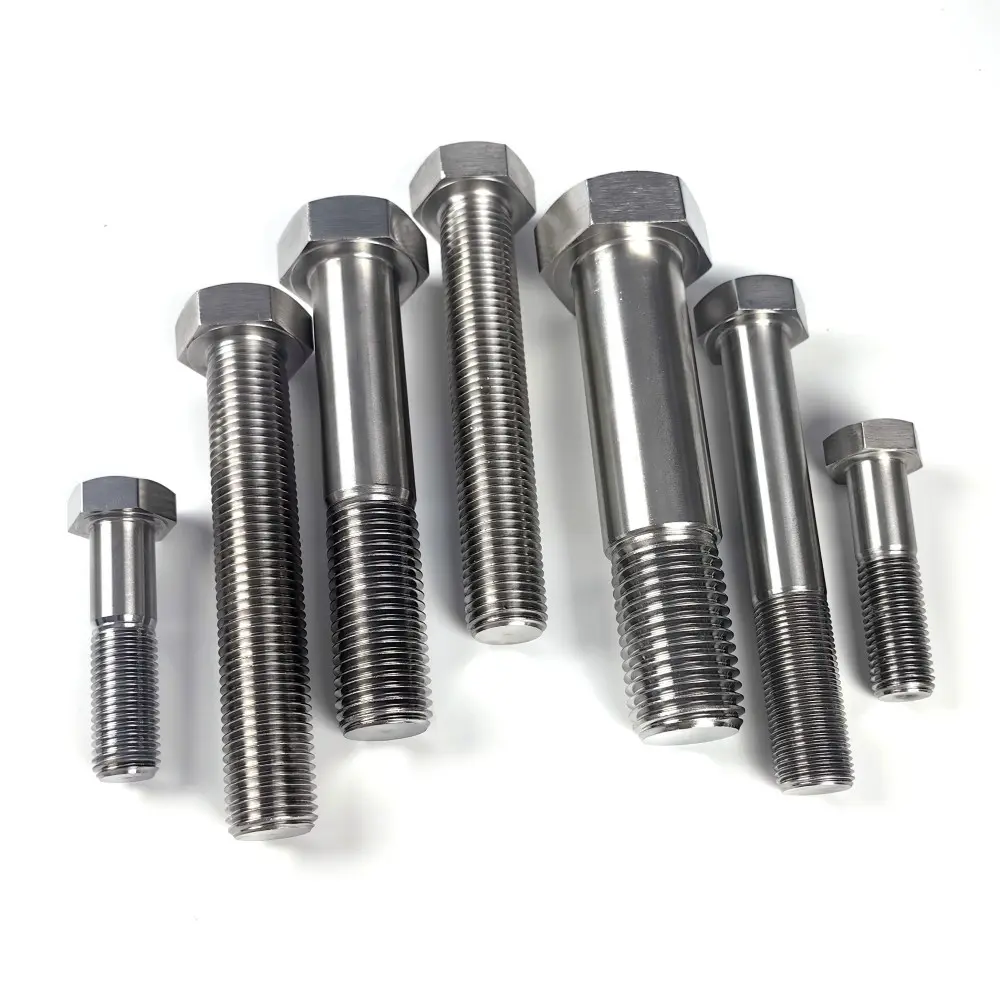
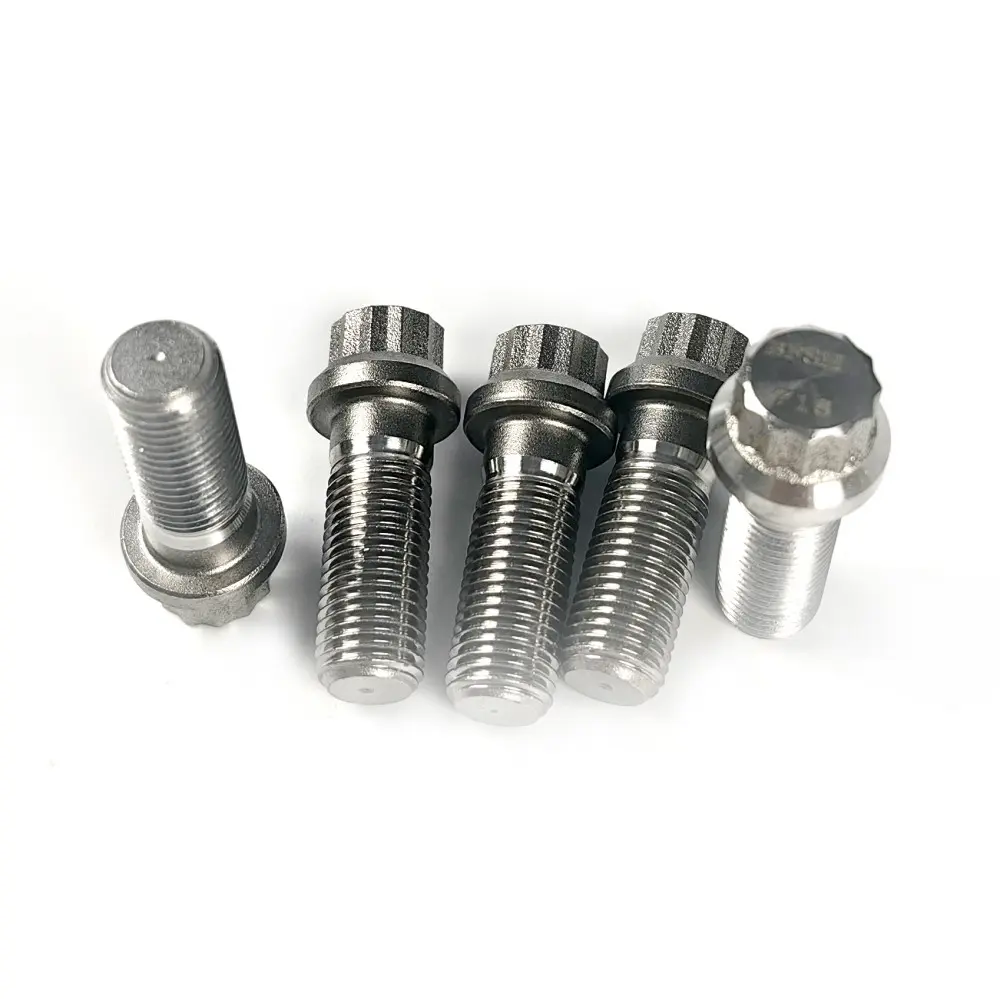
High-temperature high-strength fasteners (H-T H-S Fasteners) need to simultaneously meet requirements such as high-temperature strength, anti-rust property and corrosion resistance in extreme environments. Their core application fields are as follows:
Aerospace engine: The turbine blade fasteners are manufactured using nickel-based high-temperature alloys (such as GH4049), maintaining a tensile strength of ≥ 1000 MPa at 600 - 900℃, and achieving complex shape processing through die forging technology.
Spacecraft structure: Components used for connecting the combustion chamber of the rocket engine, must withstand instantaneous high temperatures (>1200℃) and vibration loads.
Nuclear power plant: The bolts of the reactor pressure vessel must meet a lasting strength of ≥ 95 MPa (at 700°C/100,000 hours), to prevent hydrogen embrittlement and stress corrosion cracking.
Gas turbine: High-temperature bolts (such as A286 alloy) are used to fix the turbine discs and must undergo creep limit tests (1% total deformation/1000 hours)
Refining and processing unit: The bolts of the hydrogenation reactor need to be used for a long time under high temperature and high pressure (400℃/20MPa), and the material must pass the hydrogen-induced delayed fracture test.
Mold manufacturing: The fastening components of composite material molds need to match a low thermal expansion coefficient (CTE ≤ 10⁻⁶/℃) to maintain dimensional stability.
New energy vehicles: The motor shaft bolts are made of titanium alloy (such as TC4), with a tensile strength of up to 900 MPa and no magnetic interference. The tapping process needs to be optimized to reduce work hardening.
| Digital Grade | Material | Executive Standard | Withstand Temperature |
|---|---|---|---|
| 2.4851/UNS N06601/Alloy601 | NiCr23Fe | DIN17742/EN10095/ASTM B166 | 1200℃ |
| 2.4633/UNS N06025/Alloy602 | NiCr25FeALY | DIN EN 10302/ASTM B166 | 1200℃ |
| 2.4851 | NiCr23Fe | DIN EN10095 | 1200℃ |
| 2.4889 | NiCr28FeSiCe | DIN EN10095 | 1170℃ |
| 1.4854 | X6NiCrSiNCe35-25 | DIN EN10095 | 1170℃ |
| 1.4762 | X10CrAISi25 | DIN EN10095 | 1150℃ |
| 2.4816/UNS N06600/Alloy600 | NiCr15Fe | DIN17742/EN10095/ASTM B166 | 1150℃ |
| 1.4841/AISI310S/AISI314 | X15CrNiSi25-21 | EN10095/SEW470 | 1150℃ |
| 1.4762/SICRO12 | X10CrAISi25 | EN10095/SEW470 | 1150℃ |
| 2.4665/UNS N06002/Alloy X | NiCr19NbMo | ASTM B572 | 1100℃ |
| 2.4663/UNS N06617/Alloy617 | NiCr23Co12Mo | ASTM B166 | 1100℃ |
| 1.4864/Alloy330 | X12NiCrSi36-16 | EN10095/SEW470 | 1100℃ |
| 1.4835/Alloy253 MA | X9CrNiSiNCe21-11-2 | EN10095 | 1100℃ |
| 1.4835 | X9CrNiSiNCe21-11-2 | DIN EN10095 | 1100℃ |
| 1.4877 | X6NiCrNbCe32-27 | DIN EN10095 | 1100℃ |
| 1.4872 | X25CrMnNiN25-9-7 | DIN EN10095 | 1100℃ |
| 1.4841 | X15CrNiSi25-21 | DIN EN10095 | 1100℃ |
| 2.4816 | NiCr15Fe | DIN EN10095 | 1100℃ |
| 1.4749 | X18CrN28 | DIN EN10095 | 1100℃ |
| 1.4845/AISI310/AISI3105 | X8CrNi25-21 | EN10095/SEW470/ASTM A276 | 1050℃ |
| 1.4864 | X12NiCrSi35-16 | DIN EN10095 | 1050℃ |
| 1.4886 | X10NiCrSi35-19 | DIN EN10095 | 1050℃ |
| 1.4887 | X10NiCrSiNb35-22 | DIN EN10095 | 1050℃ |
| 1.4821 | X15CrNiSi25-4 | DIN EN10095 | 1050℃ |
| 1.4876 | X10NiCrAITi32-21 | DIN EN10095 | 1050℃ |
| 1.4818 | X6CrNiSiNCe19-10 | DIN EN10095 | 1050℃ |
| 1.4845 | X8CrNi25-21 | DIN EN10095 | 1000℃ |
| 1.4742 | X10CrAISi18 | DIN EN10095 | 1000℃ |
| 1.4828/AISI3095 | X15CrNiSi20-12 | EN10095/SEW470/ASTM A276 | 1000℃ |
| 1.4742/SICRO 10 | X10CrAISi18 | EN10095/SEW470 | 1000℃ |
| 2.4634/UNS N13021/Alloy 105 | NiCo20Cr15MoAITi | ASTM B637 | 950℃ |
| 1.4876H/Alloy800H | X10NiCrAITi32-20H | ASTM B408 | 950℃ |
| 2.4969/UNS N07090/Alloy90 | NiCr20Co18Ti | DIN EN10302/BS 2HR2 | 920℃ |
| 1.4876HT/Alloy 800HT | X10NiCrAITi32-20HT | ASTM B408 | 900℃ |
| 1.4878/AISI 321H | X8CrNiTi18-10 | EN10095/SEW470 | 850℃ |
| 1.4724/SICRO 9 | X10CrAISi13 | EN10095/SEW470 | 850℃ |
| 1.4736 | X3CrAITi18-2 | DIN EN10095 | 850℃ |
| 1.4828 | X15CrNiSi20-12 | DIN EN10095 | 850℃ |
| 1.4833 | X12CrNi23-13 | DIN EN10095 | 850℃ |
| 2.4856 | NiCr22Mo9Nb | DIN EN10095 | 850℃ |
| 1.4724 | X10CrAISi13 | DIN EN10095 | 850℃ |
| 1.4878 | X8CrNiTi18-10 | DIN EN10095 | 800℃ |
| 1.4713 | X10CrAISi7 | DIN EN10095 | 800℃ |
| 2.4952/UNS N07080/Alloy 80A | NiCr20TiAI | DIN EN10269/ASTM B 637 | 800℃ |
| 1.4713/SICRO 8 | X10CrAISi7 | EN10095/SEW470 | 800℃ |
| 1.4981 | X8CrNiMoNb16-16 | 750℃ | |
| 2.4668/UNS N07718/Alloy 718 | NiCr19Fe19Nb5Mo3 | DIN EN 10269/ASTM B637 | 700℃ |
| 1.4986wk | X7CrNiMoBNb16-16 | DIN EN 10269/2 | 670℃ |
| 1.4980/Alloy268/660A/B/C/D | X6NiCrTiMoVB25-15-2 | DIN EN10269/ASTM 453 | 650℃ |
| 2.4669 | NiCr15Fe7TiAI | 650℃ | |
| 2.4952 | NiCr20TiAI | 600℃ | |
| 1.4980 | X6NiCrTiMoVB25-15-2 | 600℃ | |
| 1.4982 | X10CrNiMoMnNbVB15-10-1 | 600℃ | |
| 1.4986 | X7CrNiMoBNb16-16 | DIN EN 10269 | 600℃ |
| 1.7233 | 42CrMo5-6 | 600℃ | |
| 1.4923 | X22CrMoV12-1 | DIN EN 10269 | 600℃ |
| 1.4913 | X19CrMoNbVN11-1 | DIN EN 10269 | 600℃ |
| 1.7711 | 40CrMoV4-6 | DIN EN 10269 | 550℃ |
| 1.7709 | 21CrMoV5-7 | DIN EN 10269 | 550℃ |
| 1.7218 | 25CrMo4 | DIN EN 10269 | 550℃ |
| 1.4562/UNS N08031/Alloy31 | X1NiCrMoCu32-28-7 | ASTM B581/B649 | 550℃ |
| 1.7711 | 40CrMoV4-6 | DIN EN 10269 | 550℃ |
| 1.4913 | X19CrMoNbVN11-1 | DIN EN 10269 | 550℃ |
| 1.4948 | X6CrNi18-10 | 550℃ | |
| 1.4429 | X2CrNiMoN17-13-3 | 550℃ | |
| 1.4401 | X5CrNiMo17-12-2 | 500℃ | |
| 1.4404 | X2CrNiMo17-12-2 | 500℃ | |
| 1.4303 | X4CrNi18-12 | DINen10269 | 500℃ |
| 1.4301 | X4CrNi18-10 | 500℃ | |
| 1.4307 | X2CrNi18-9 | 500℃ | |
| 1.7729 | 20CrMoVTiB4-10 | 500℃ | |
| 1.7729 | 20CrMoVTiB4-10 | DIN EN 10269 | 500℃ |
| 1.7225 | 42CrMO4 | DIN EN 10269 | 500℃ |
| 2.4858/UNS N08825/Alloy825 | NiCr21Mo | DIN17744/17752/ASTM B425 | 450℃ |
| 2.4856/UNS N06625/Alloy625 | NiCr22Mo9Nb | ASTM B446/B 564/E112 | 450℃ |
| 2.4816/UNS N06600/Alloy600 | NiCr15Fe | ASTM B 166 | 450℃ |
| 2.4605/UNS N06059/Alloy59 | NiCr23Mo16AI | ASTM B574/B 564 | 450℃ |
| 2.4610/UNS N06455/Alloy C4 | NiMo16Cr16Ti | ASTM B574/B 564 | 400℃ |
| 2.4602/UNS N06022/Alloy C22 | NiCr21Mo14W | ASTM B574/B 564 | 400℃ |
| 1.4571/AISI 316Ti | X6CrNiMoTi17-12-2 | DIN EN 10088-3/10272 | 400℃ |
| 1.4541/AISI 321 | X6CrNiTi18-10 | DIN EN 10088-3/10272 | 400℃ |
| 1.4539/AISI 904L | X1NiCrMoCu25-20-5 | DIN EN 10088-3/10272 | 400℃ |
| 1.4529/Alloy926 | X1NiCrMoCu25-20-7 | DIN EN 10088-3/10272 | 400℃ |
| 1.4429/AISI 316LN | X2CrNiMoN17-13-3 | DIN EN 10269/10272 | 400℃ |
| 1.4404/AISI 316L | X2CrNiMo17-12-2 | DIN EN 10269/10272 | 400℃ |
| 1.4923 | X22CrMoV12-1 | DIN EN 10269 | 400℃ |
| 1.7225 | 42CrMo4 | DIN EN 10269 | 400℃ |
| 1.7709 | 21CrMoV5-7 | DIN EN 10269 | 400℃ |
| 1.7258 | 24CrMo5 | 400℃ | |
| 1.7219 | 26CrMo4 | 400℃ | |
| 1.7218 | 25CrMo4 | DIN EN 10269 | 400℃ |
| 1.4571 | X6CrNiMoTi17-12-2 | 400℃ | |
| 1.739 | X15CrMo5-1 | 400℃ | |
| 1.1133 | 20Mn5 | 400℃ |
A1: 1.7709 steel, also known as 21CrMoV5-7, is a high-performance alloy steel that features high strength, excellent mechanical properties (yield strength ≥550 MPa, tensile strength ≥700 MPa), and outstanding heat resistance, making it suitable for applications exceeding 300°C.
A2: Its chemical structure mainly consists of Carbon (C: 0.17-0.25), Silicon (Si: 0.15-0.35), Manganese (Mn: 0.35-0.85), Chromium (Cr: 1.20-1.50), Molybdenum (Mo: 0.65-0.80), and Vanadium (V: 0.25-0.35).
A3: In aerospace engines, turbine blade fasteners are manufactured from nickel-based high-temperature alloys (like GH4049) to maintain a tensile strength of ≥ 1000 MPa at 600 - 900℃. In spacecraft structures, they connect combustion chambers and must withstand vibration loads along with temperatures over 1200℃.
A4: The bolts of reactor pressure vessels in nuclear plants must meet a lasting strength requirement of ≥ 95 MPa at 700°C for 100,000 hours to prevent stress corrosion cracking and hydrogen embrittlement.
A5: Fastener grades such as 2.4851 (Alloy 601) and 2.4633 (Alloy 602) can withstand temperatures up to 1200°C, conforming to DIN, EN, and ASTM standards.
A6: For applications like new energy vehicles, motor shaft bolts made of titanium alloy (such as TC4) are preferred due to their high tensile strength (up to 900 MPa) and lack of magnetic interference.