 BSF
BSF
1 / 5
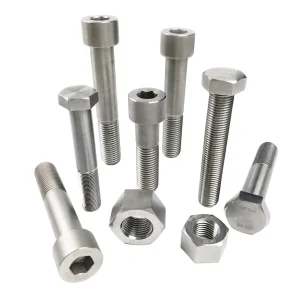
Low cost, high strength, and performance can be enhanced through heat treatment. It is usually applied to non-corrosive environments such as construction engineering and mechanical manufacturing.
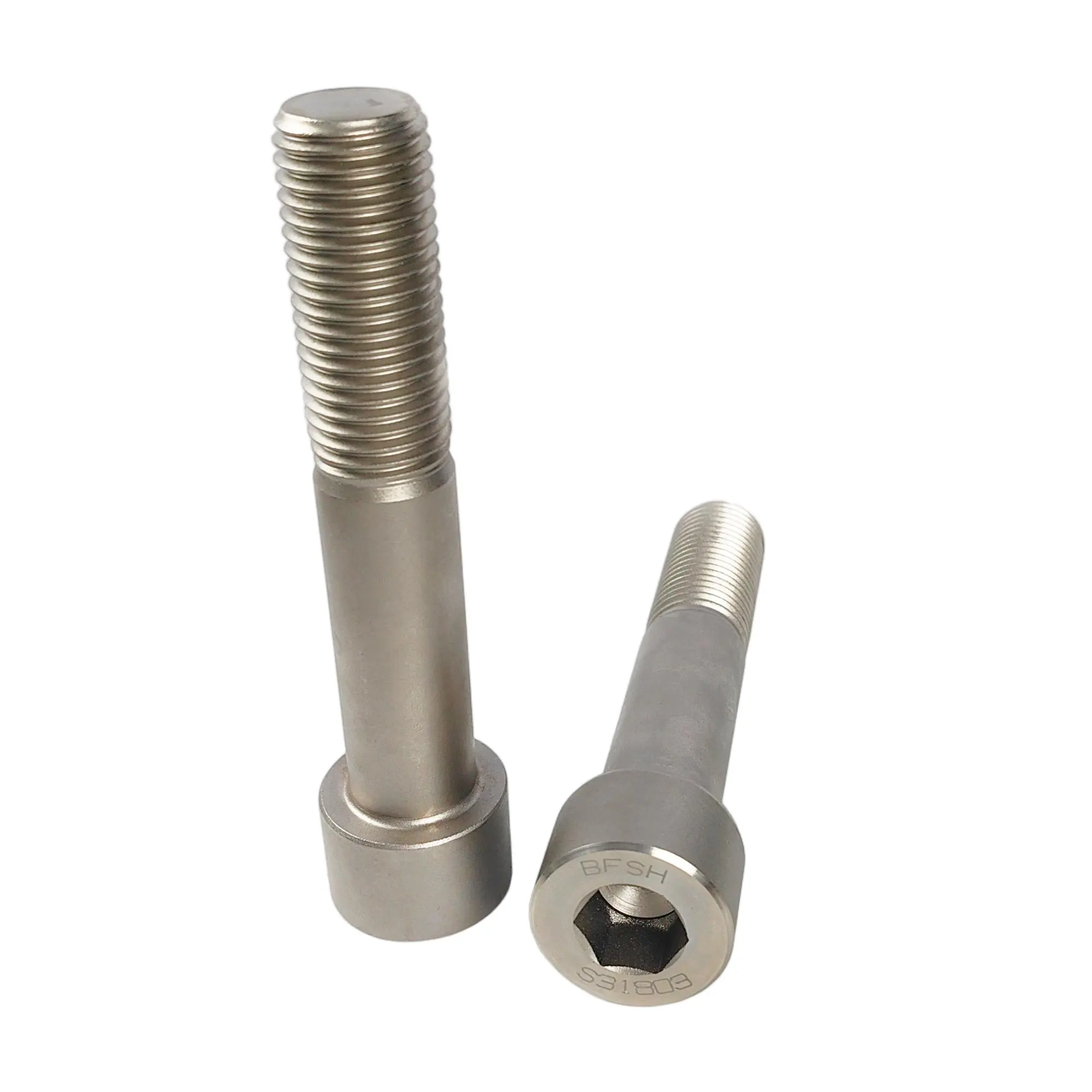
Stainless steel bolts have strong corrosion resistance. Austenitic stainless steel (such as 304 and 316) also possesses high temperature resistance and weldability. It is usually applied in corrosive environments such as those in the chemical industry, shipping, and food processing.
Alloy steel is added with elements such as chromium and molybdenum to enhance its strength, high-temperature resistance and fatigue resistance.
The performance grade is marked as 14.8U, 15.8U, etc. It is formed into bainite structure through isothermal quenching, and it is lightweight with high clamping force. It is usually used in key weight-reduction scenarios such as engines and chassis.
Copper and copper alloy fasteners: With good conductivity (such as T2 brass), used in electronic equipment. Titanium alloy fasteners are lightweight and highly durable, but they are costly. They are used in medical devices or aerospace applications.
1. Corrosion-resistant environment: In acidic or high-pressure conditions (as per NACE MR0175 standards), use duplex stainless steel (such as 2205) or nickel-based alloys (such as Inconel 718) for bolts to ensure the sealing performance of the flange connection.
2. High-temperature and high-pressure pipelines: The flange bolts of the heat exchanger must comply with the TEMA standard. In some scenarios, the insulation design needs to be adjusted to accommodate high-strength materials.
3. Extreme environmental adaptability: Aviation titanium fasteners must pass a -196℃ low-temperature test to ensure the reliability of key components such as LNG storage tanks.
4. Fatigue resistance: The bolts of the high-speed train bogie need to pass a temperature shock test ranging from -40℃ to 120℃. The material is carburized steel 20CrMnTi.
5. High-strength lightweight: The hot stamping steel B1500HS bolts are used in automotive safety components, with tensile strength exceeding 1500 MPa, enhancing the collision energy absorption capability.
6. Miniaturization requirement: Precision bolts of M3-M48 specifications (such as in accordance with ISO 4014 standard) are suitable for assembly of semiconductor equipment.
7. Offshore wind power: The foundation ring bolts must meet the ISO 4014 tolerance grade and have a shear strength of ≥ 600 MPa.
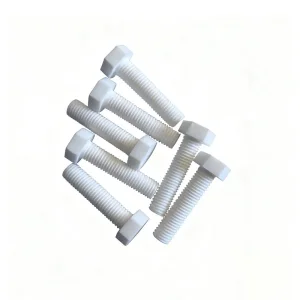
8. Insulation and low magnetic interference: PEEK material bolts are used for fixing PCB boards, featuring both high-temperature resistance (260℃) and electrical insulation properties.
| Special Material Bolts Available Types | |
|---|---|
| Material Classification | Material Grade |
| Ultra High Strength Stainless Steel | XM-19、904L、254SMO、317L、347H、1.4529、25-6MO |
| Duplex Stainless Steel | F51、F53、F55、F60、329、2205、2507、S31803、S32760、1.4460、1.4462 |
| Titanium Alloy | TA 1 — TA 19 TB 2 — TB 8 TC 1 — TC 17 |
| Pure Nickel Material | Nickel200 (UNS N02200) Nickel201 (UNS N02201) Nickel270 |
| Non-magnetic Stainless Steel | 0Cr21Ni6Mn9N、0Cr16Ni22Mn9Mo2、1.4436 |
| Hastelloy | C276、C22、C59、C4、C2000、B2、B3、B4、G35、X |
| Monel | 400、404、K500、R405 |
| Inconel | 601、617、625、686、690、718、725、X750、804、840 |
| Incoloy | 20、800、800H、800HT、801、810、825、890、901、925、926 |
| Nimonic | 75、80A、86、90、95、100、105、115 |
| Aerospace Material Specification | 4676、5510、5528、5542、5592、5646、5651、5716、5726、5651、5662、5643 |