Custom High-Temperature Fasteners from China Suppliers - High Strength Factory Solutions for 400℃ to 1200℃ Applications Supplier, Exporters

,

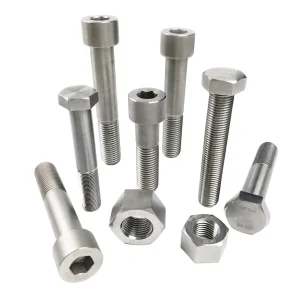
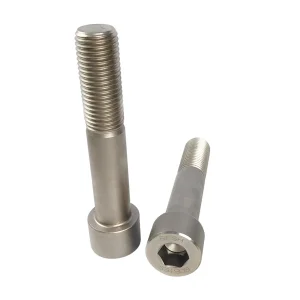
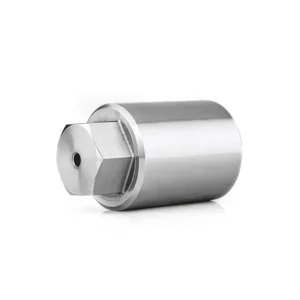
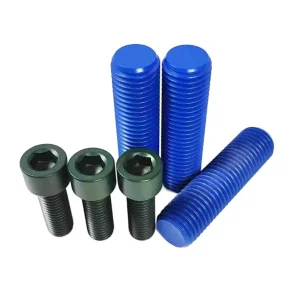
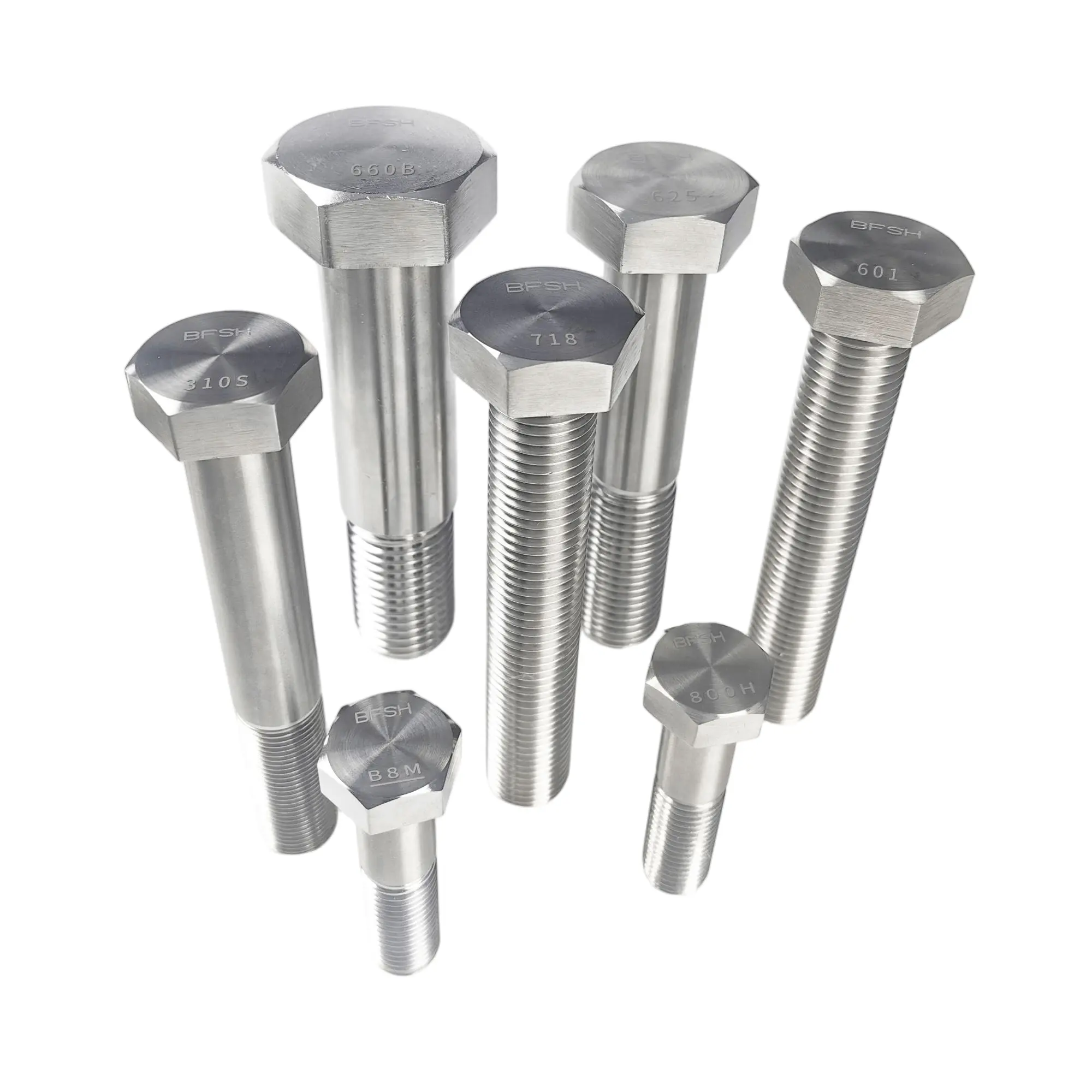
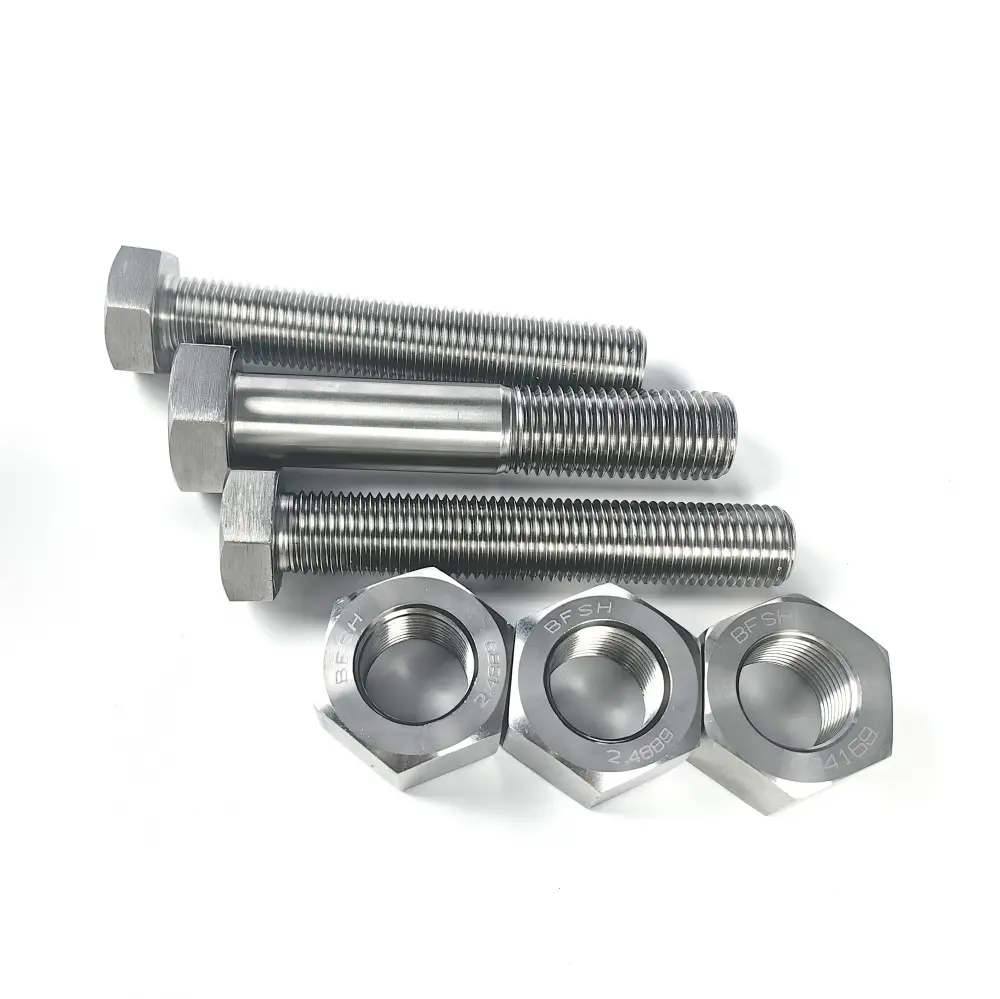
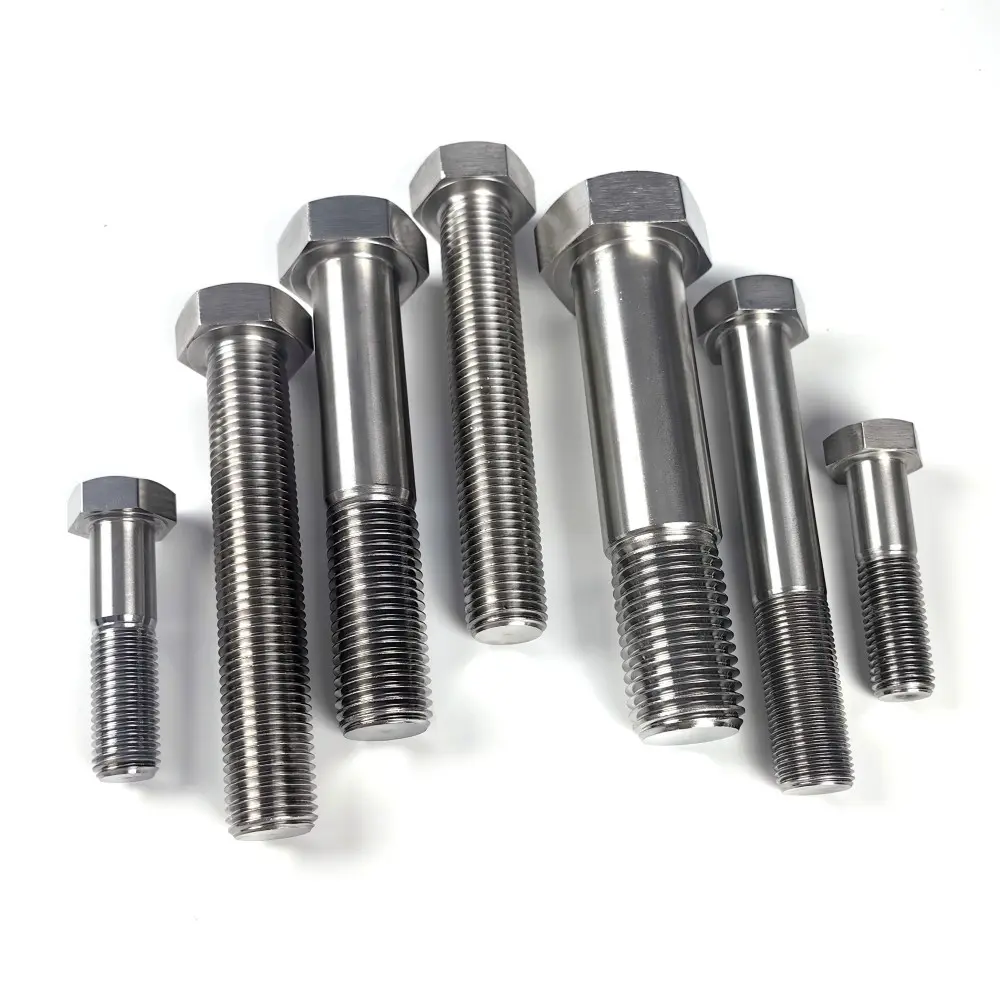
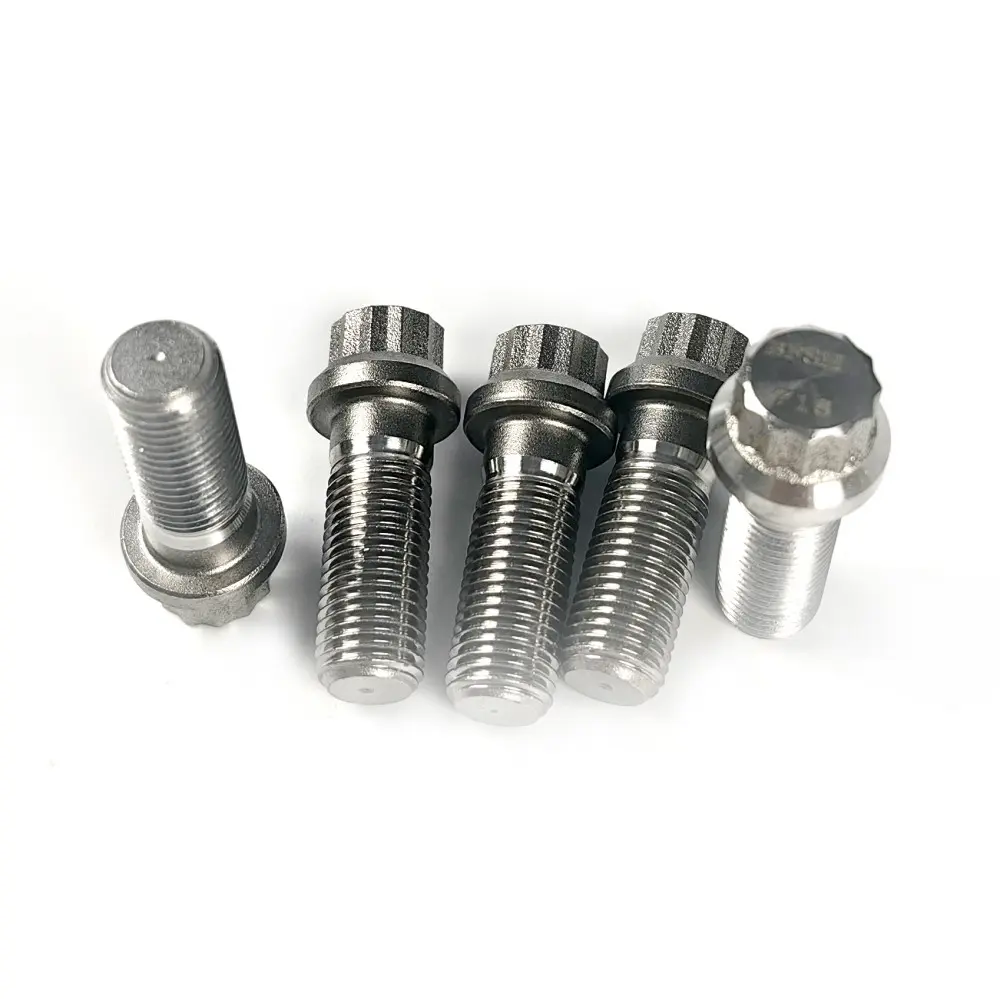
Our high-temperature fasteners, designed for superior performance, operate effectively between 400℃ and 1200℃. Unlike conventional stainless steel and alloy steel fasteners, which have a maximum operating temperature of 400℃, our high-temperature solutions retain their mechanical properties under extreme conditions. As a leading China fasteners supplier and factory, we understand the complex requirements of high-temperature applications, including expansion coefficients, corrosion resistance, and anti-loosening features. Our products are essential for industries utilizing heat treatment equipment, steam turbines, engines, injection molding, and hot extrusion equipment. Trust our expertise to provide fasteners that meet the rigorous standards of high-temperature environments.

,

Product Description

Products Features

1.7709 Steel (21CrMoV5-7) is a high-performance alloy steel widely used in the manufacturing of high-strength, high-temperature-resistant fasteners such as bolts and nuts.
  • ⚗️
    (1) Chemical Composition: It mainly consists of carbon (C: 0.17–0.25), silicon (Si: 0.15–0.35), manganese (Mn: 0.35–0.85), chromium (Cr: 1.20–1.50), molybdenum (Mo: 0.65–0.80), and vanadium (V: 0.25–0.35) and other elements.
  • 💪
    (2) Mechanical Properties: In the heat-treated state, 1.7709 steel has high strength and good mechanical properties. Its yield strength (Rp0.2) can reach ≥550 MPa, tensile strength (PM) can reach ≥700 MPa, elongation (A) ≥16%, and reduction of area (A) ≥60%.
  • 🌡️
    (3) Heat Resistance: This material can still maintain good mechanical properties in high-temperature environments and is suitable for working conditions with temperatures exceeding 300°C.

Application

High-temperature high-strength fasteners need to simultaneously meet requirements such as high-temperature strength, anti-rust property and corrosion resistance in extreme environments.

✈️ (1) Aerospace Field

Aerospace engine: Turbine blade fasteners use nickel-based high-temperature alloys, maintaining high tensile strength and processed via die forging technology.

Spacecraft structure: Components connecting rocket engine combustion chambers must withstand instantaneous high temperatures and vibration loads.

(2) Energy & Power Industry

Nuclear power plant: Reactor pressure vessel bolts must meet high lasting strength standards, preventing hydrogen embrittlement and stress corrosion cracking.

Gas turbine: High-temperature bolts fix turbine discs and must undergo rigorous creep limit tests.

🛢️ (3) Petroleum Chemical & Marine Engineering

Refining and processing unit: Hydrogenation reactor bolts must operate long-term under high temperature and high pressure, requiring materials that pass hydrogen-induced delayed fracture tests.

🏭 (4) Commercial Installation

Mold manufacturing: Fastening components of composite material molds need to match a low thermal expansion coefficient to maintain dimensional stability.

🚗 (5) Automobiles & Rail Transit

New energy vehicles: Motor shaft bolts are made of titanium alloy with high tensile strength and no magnetic interference.

The Following Is the Main Types of High Temperature Fasteners

High Temperature Fasteners Available Types
Digital Grade Material Executive Standard Withstand Temperature
2.4851 / UNS N06601NiCr23FeASTM B1661200℃
2.4633 / UNS N06025NiCr25FeALYASTM B1661200℃
2.4816 / UNS N06600NiCr15FeASTM B1661150℃
2.4665 / UNS N06002NiCr19NbMoASTM B5721100℃
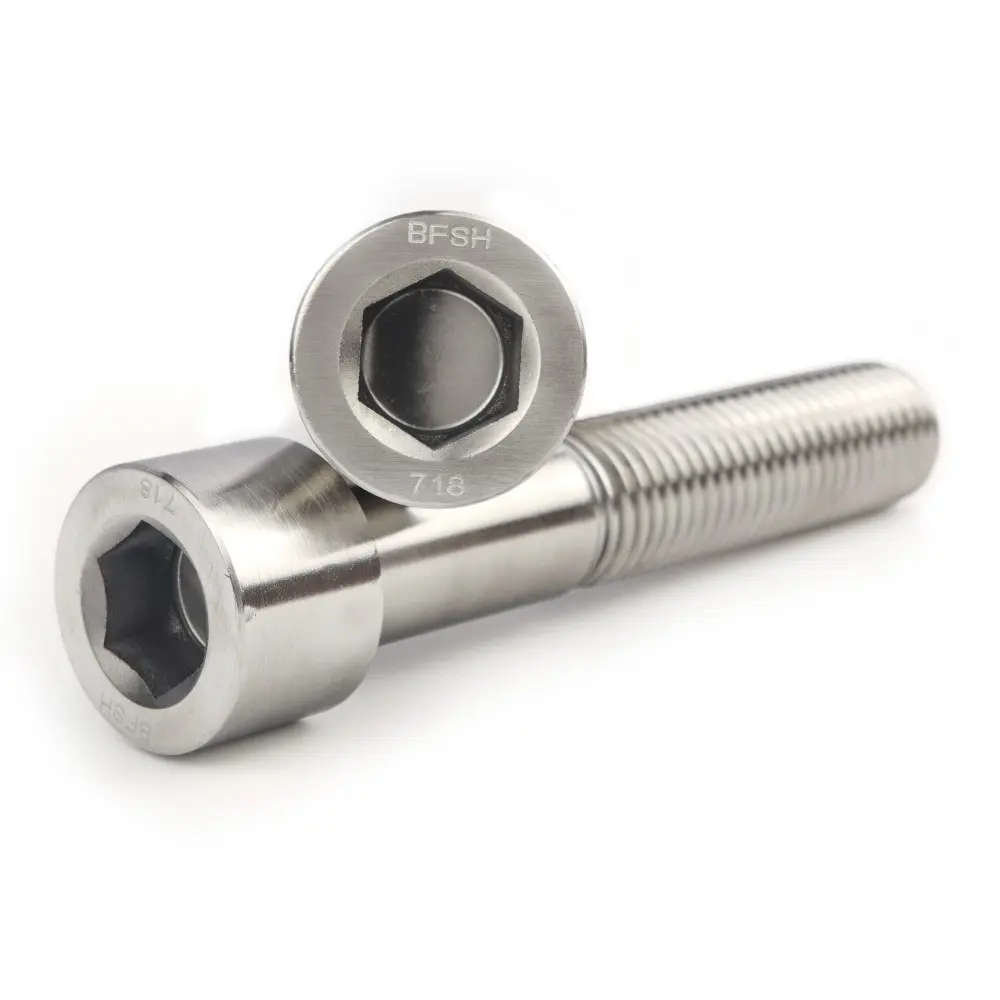
2.4668 / UNS N07718NiCr19Fe19Nb5Mo3ASTM B637700℃
1.770921CrMoV5-7DIN EN 10269550℃
2.4858 / UNS N08825NiCr21MoASTM B425450℃

Frequently Asked Questions (FAQ)

What is 1.7709 steel and what makes it suitable for high-temperature fasteners?
1.7709 steel, also known as 21CrMoV5-7, is a high-performance alloy steel containing chromium, molybdenum, and vanadium. These alloying elements provide excellent heat resistance and high yield strength, making it ideal for bolts and nuts used in environments up to 550°C.
What is the maximum operating temperature for 1.7709 fasteners?
According to DIN EN 10269, 1.7709 (21CrMoV5-7) fasteners can withstand temperatures up to 550°C while maintaining their mechanical integrity.
Which material is recommended for fasteners operating above 1000°C?
For operating temperatures above 1000°C, nickel-based high-temperature alloys are recommended, such as 2.4851 (Alloy 601) or 2.4633 (Alloy 602), both of which can withstand up to 1200°C.
What executive standards apply to high-temperature fastener materials?
High-temperature fasteners are governed by a range of international standards depending on the material, including DIN EN 10269, DIN EN10095, ASTM B166, ASTM B637, and others.
Are high-temperature fasteners suitable for use in nuclear power and aerospace applications?
Yes. High-temperature high-strength fasteners are extensively used in nuclear power plants, gas turbines, and aerospace engines where they must maintain structural integrity under extreme heat and pressure.
How do I select the right high-temperature fastener material?
Material selection depends on the maximum operating temperature, required mechanical strength, corrosion resistance, and environmental conditions (e.g., hydrogen exposure). For temperatures below 550°C, alloy steels like 1.7709 are cost-effective; for higher temperatures, nickel-based alloys are preferred.

Related Products