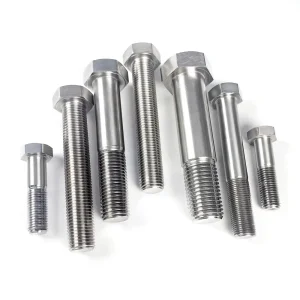
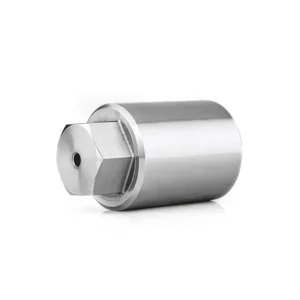
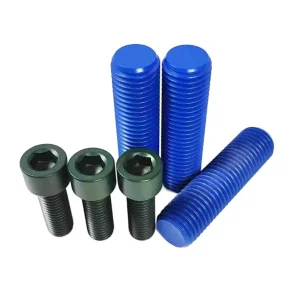
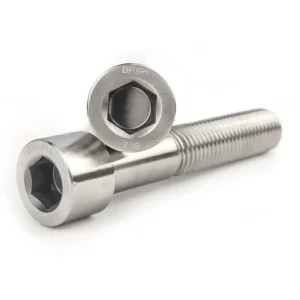
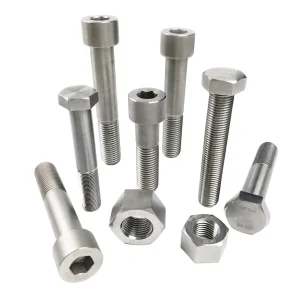
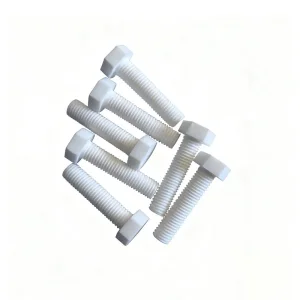
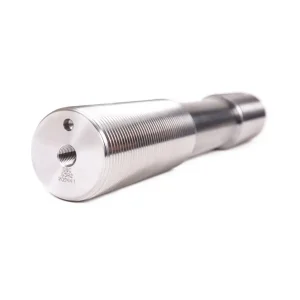
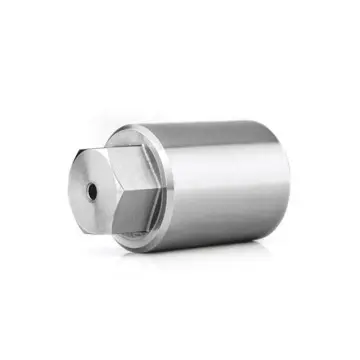
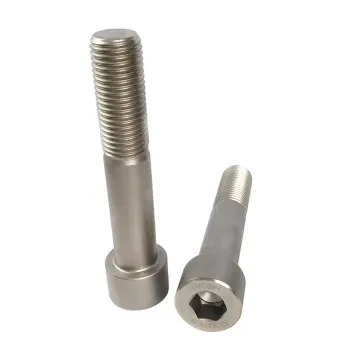
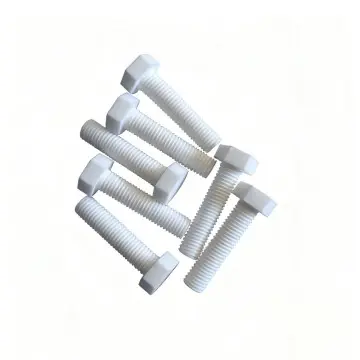
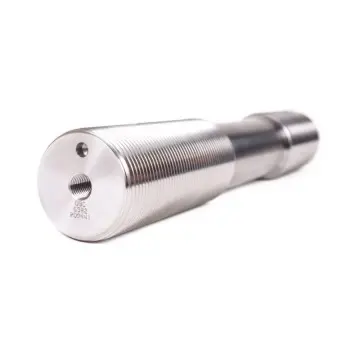
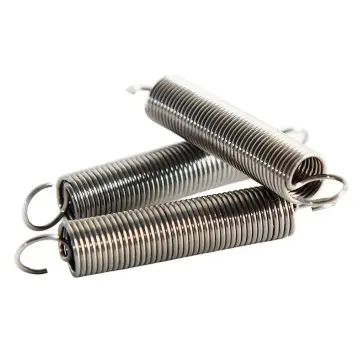
Explore our specialized range of high-precision components engineered for extreme environments and advanced micro-assemblies.
Beiersdorf Industrial Technology (Shanghai) Co., Ltd. was established in 2015 and is located in Shanghai, China. It is an enterprise mainly engaged in the business of special fasteners and ultra-high precision components. We combine state-of-the-art cold-heading machinery, optical sorting infrastructure, and deep metallurgical expertise to solve the complex assembly demands of worldwide industries.
 “Product quality is the foundation for an enterprise's survival.”
 “Heart to sunshine, everything to prosperity”

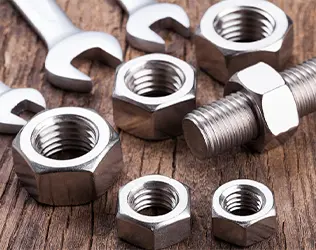
Our commitment to rigorous sampling, engineering research, and vast stocking allows us to provide zero-defect reliability globally.
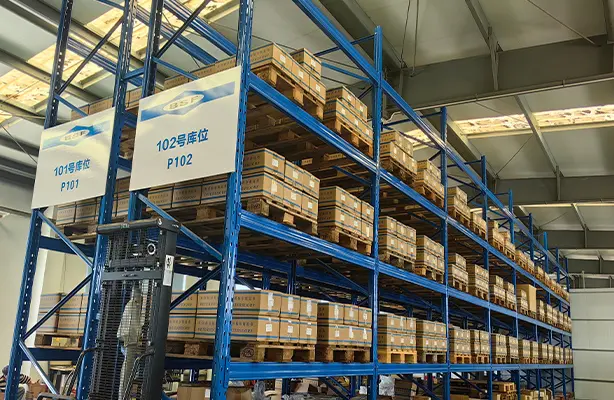
We have formulated the most stringent sampling inspection system, so as to strive to achieve zero defects for the products out of our factory.
At present, our entire group has more than 100 utility model patented products and eight invention patented products, continuously driving design innovation.
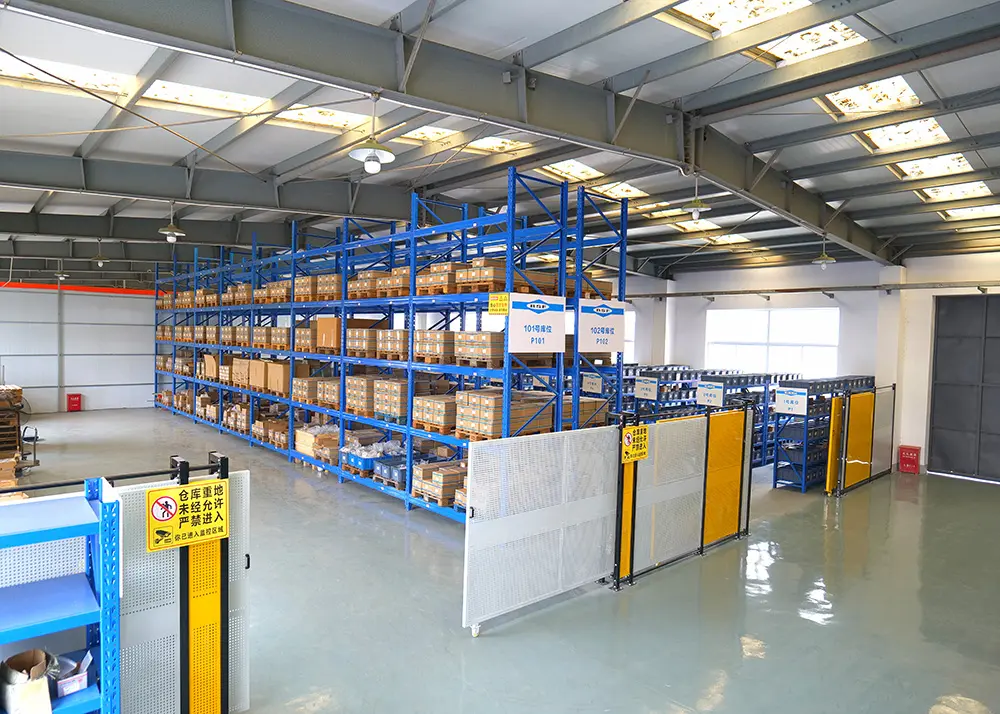
We currently operate nearly 100,000 product models, with 500 tons of special raw materials in stock and 10,000 tons of finished stainless steel standard parts in stock.
A Comprehensive Guide to Small Self-Tapping Screws, Micro-Fastening Metallurgy, and Global Procurement Trends
In modern industrial assembly, the demand for miniaturization has shifted from a niche preference to a critical structural requirement. Custom self-tapping screws small size components (typically ranging from M0.8 to M3 in thread diameter) have emerged as the linchpin of micro-mechanical structures. These miniature fasteners enable rapid, high-integrity joint creation in substrates ranging from engineered plastics and carbon composites to thin-sheet alloys without the need for pre-tapping procedures. As a specialized custom self-tapping screws small supplier, Beiersdorf Industrial Technology (Shanghai) Co., Ltd. addresses the dual challenges of high-precision tolerances and high-volume consistency. This white paper explores the engineering dynamics, material science breakthroughs, and quality control paradigms that define the current state of global micro-fastening.
Historically, fasteners were scaled down using proportional reduction methods, which frequently introduced severe stress concentrations and structural failures at smaller thresholds. Today's miniature self-tapping screws utilize proprietary thread geometries designed to maximize contact surface area while minimizing thread-stripping risks. In micro-electronics—such as smartphones, wearable sensors, and smart diagnostic tools—space is limited. Fasteners must deliver high clamp load retention within spatial constraints of less than 1.5 millimeters of depth.
Furthermore, the adoption of lightweight materials, including magnesium-aluminum alloys and carbon-reinforced polymers, has altered the requirements of torque-to-tension ratios. Precision-designed thread pitches ensure that during installation, the screw generates sufficient holding torque without cracking the fragile host substrate.
The selection of materials for miniature fasteners is determined by the environmental conditions of the final application. Standard carbon steels do not perform well in highly corrosive marine settings or extreme cryogenic and high-temperature environments. We specialize in producing custom micro fasteners using advanced alloys:
Selecting the correct micro self-tapping screw involves precise mechanical calculation. Engineers must evaluate the pilot hole diameter, engagement depth, and installation torque limits. If the pilot hole is too small, the installation torque may exceed the torsional strength of the screw, leading to head breakage. Conversely, if the pilot hole is too large, the shear area of the formed threads decreases, increasing the risk of joint failure under tensile loads.
To support these applications, Beiersdorf offers comprehensive engineering assistance. We calculate the optimal performance metrics for various engineering plastics (like ABS, Polycarbonate, and PEEK) and thin-gauge sheet metals. By applying specialized coatings, such as zinc-nickel plating, passivation, or dry-film lubricants, we reduce friction during the self-tapping process, allowing for more consistent clamp loads and preventing galvanic corrosion in multi-material assemblies.
Global purchasing departments are shifting away from fragmented sourcing models to consolidate their suppliers. When sourcing custom small self-tapping screws, buyers look for suppliers capable of providing end-to-end trace documentation, engineering consultations, and long-term volume stability.
With our inventory of 500 tons of specialized raw materials and 10,000 tons of finished stainless steel standard parts, Beiersdorf mitigates supply chain risks. We ensure that global buyers receive materials that comply with international environmental regulations, helping them avoid production disruptions and compliance issues.
The future of micro-fastening is driven by the demand for lighter, stronger, and more sustainable assemblies. Our R&D roadmap focuses on:
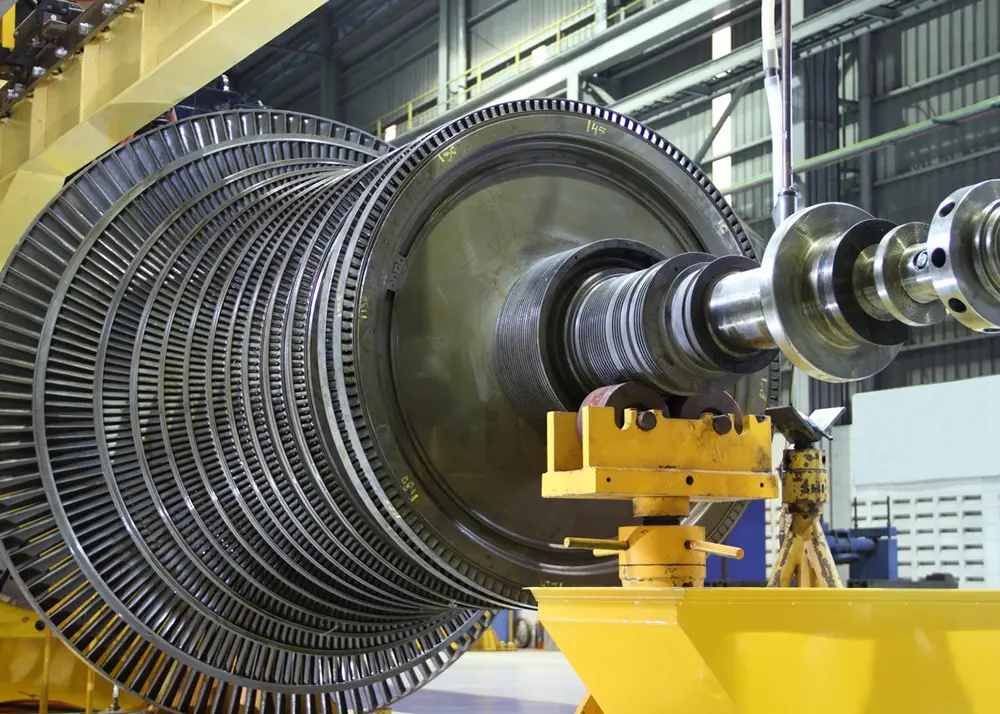
engineered with precision for aerospace, marine, and electronic industries.
Providing high-integrity fastening solutions across major global industries.
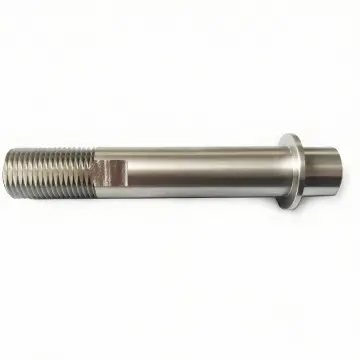
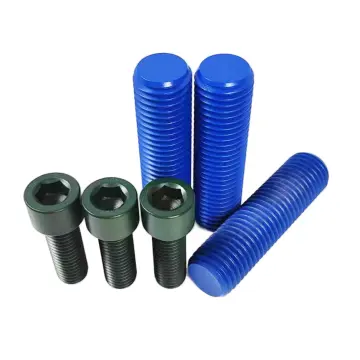
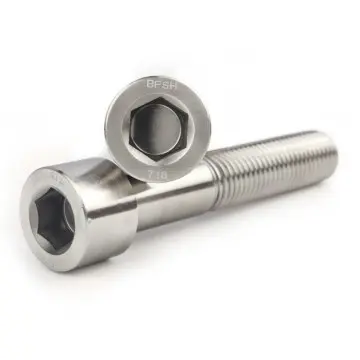
Our special fasteners are widely used in the field of shipbuilding and oceanography engineering, specifically in the manufacture of special ships, marine propulsion, marine accessories, yacht manufacturing, offshore oil drilling platforms, submarine pipelines, offshore wind power, underwater lifeboats, port machinery, dock construction, etc. These special fasteners mainly include A4-80, A5-80, D8-80, D6-70, 2205, L7, 40CrNiMoA, 718, EN14399 steel structure connection pair, classification society certificate fasteners, etc.




Expert answers to common engineering and purchasing queries regarding custom small self-tapping screws.
Industrial micro self-tapping screws are generally classified as having a nominal thread diameter of M3 or smaller, extending down to M0.8. These fasteners are designed for space-constrained assemblies such as consumer electronics, medical instruments, and defense guidance modules.
The pilot hole diameter is determined based on the mechanical properties of the host material. For softer plastics, the pilot hole is usually sized closer to the minor diameter of the screw to maximize thread engagement. For harder materials like aluminum, a larger pilot hole is required to prevent excessive installation torque that could damage the screw.
Thread-forming screws displace the surrounding material to create matching internal threads, which is ideal for plastics and ductile metals as it avoids generating debris. Thread-cutting screws feature cutting edges or slots that cut away material to tap the thread, which is useful for harder substrates but does generate small chips.
We use automated optical sorting systems capable of measuring dimensional features down to the micron level. This process helps filter out anomalies in thread pitch, head diameter, and recess depth, supporting a target of zero defects.
Yes. We specialize in hot/cold heading and precision machining of exotic alloys including Titanium Grade 5 (for lightweight, non-magnetic performance) and Inconel 718 (for high-temperature stability up to 1200°C).
Stay updated with our technical reports, corporate developments, and supply chain updates.
Serving industrial buyers, OEM partners, and distributors across continents with logistics support.


Beiersdorf is a supplier of special fasteners and provides technical consultations related to product selection, material compatibility, installation guidance, and quality maintenance.
Explore our engineering capabilities for oceanography, high-temperature operations, and precision machined components.
 BSF
BSF