China High-Strength Stainless Steel Fasteners Supplier | Inconel Bolts Factory

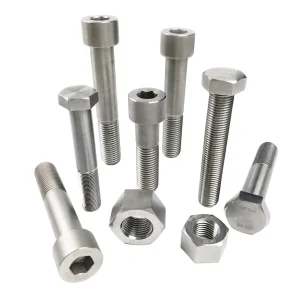
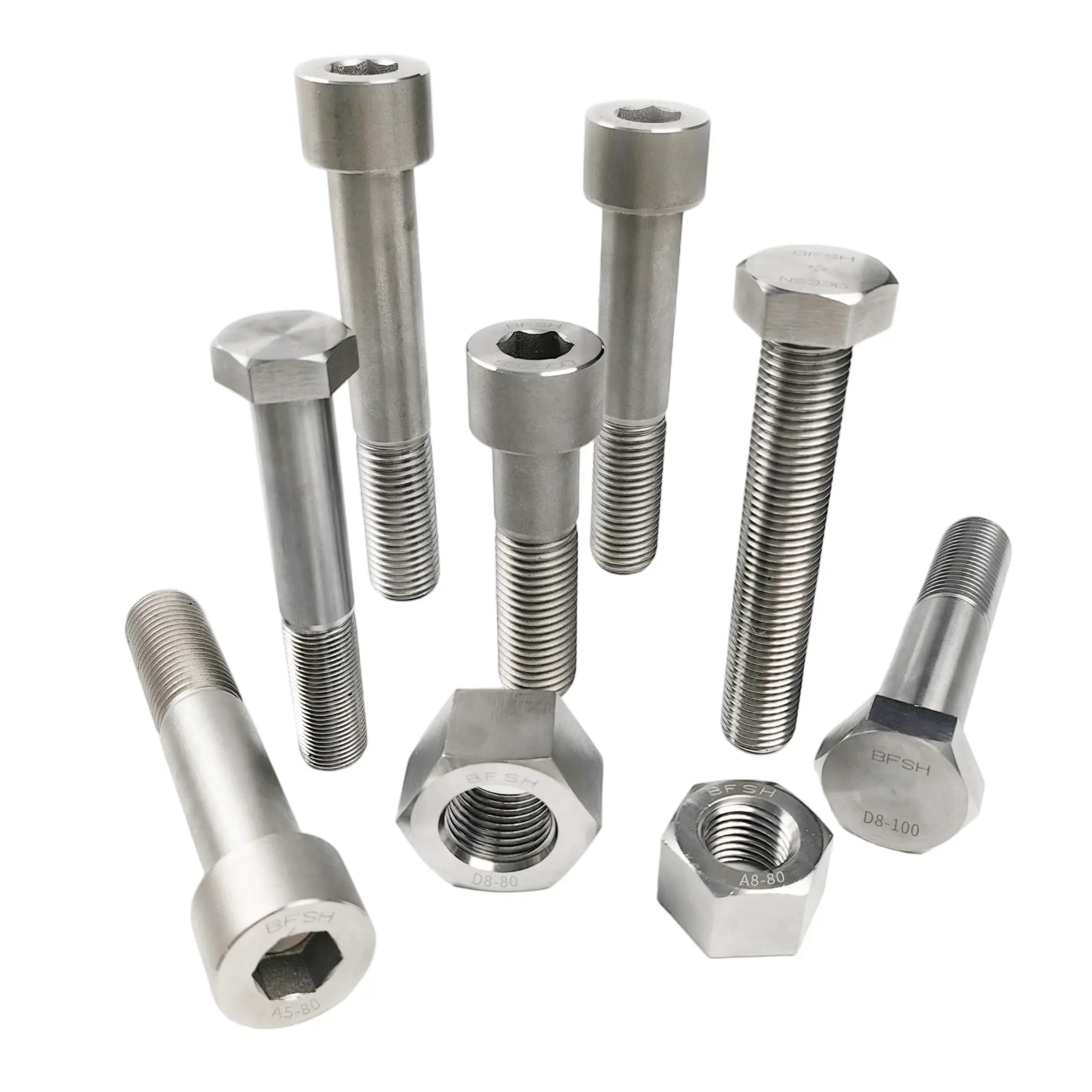
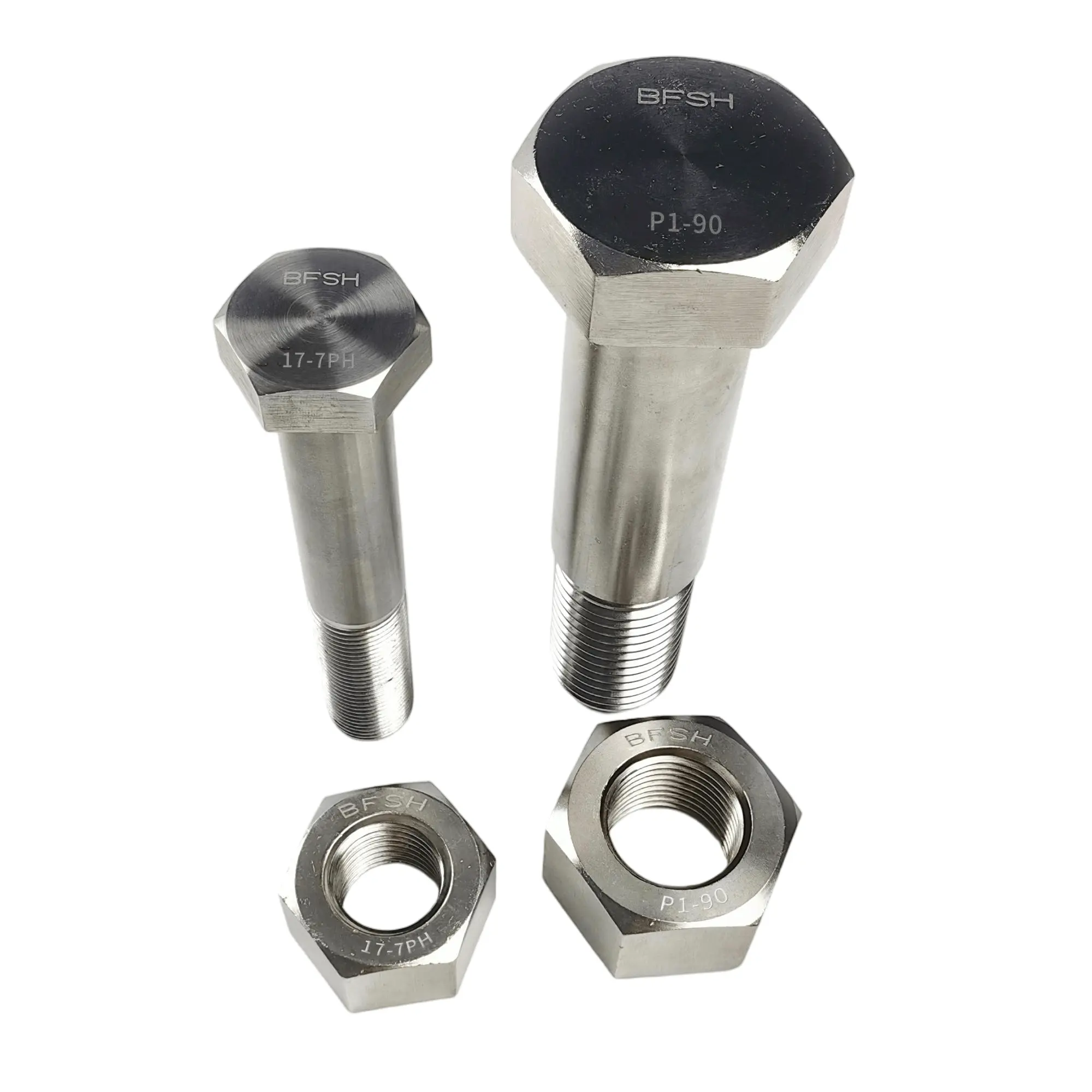
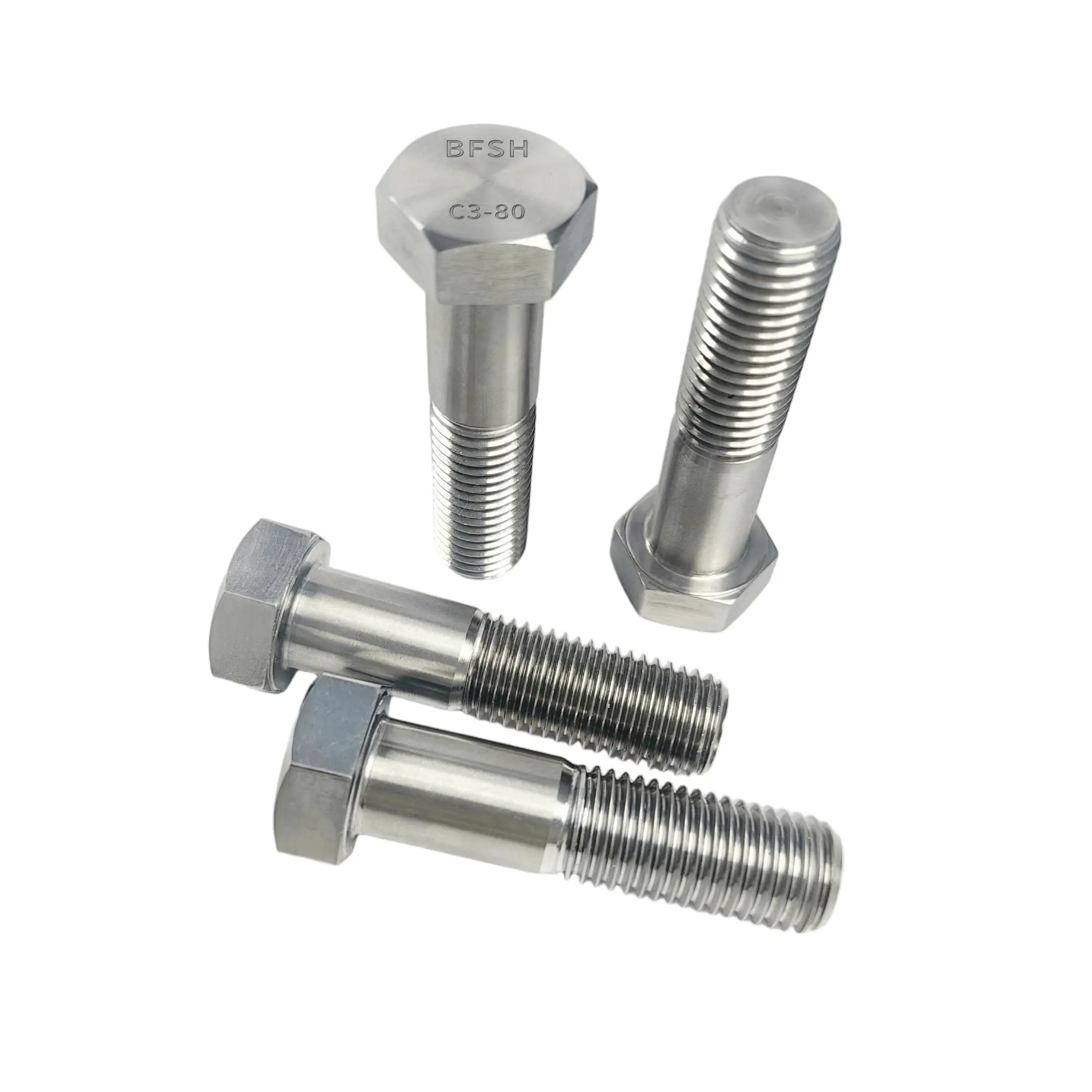
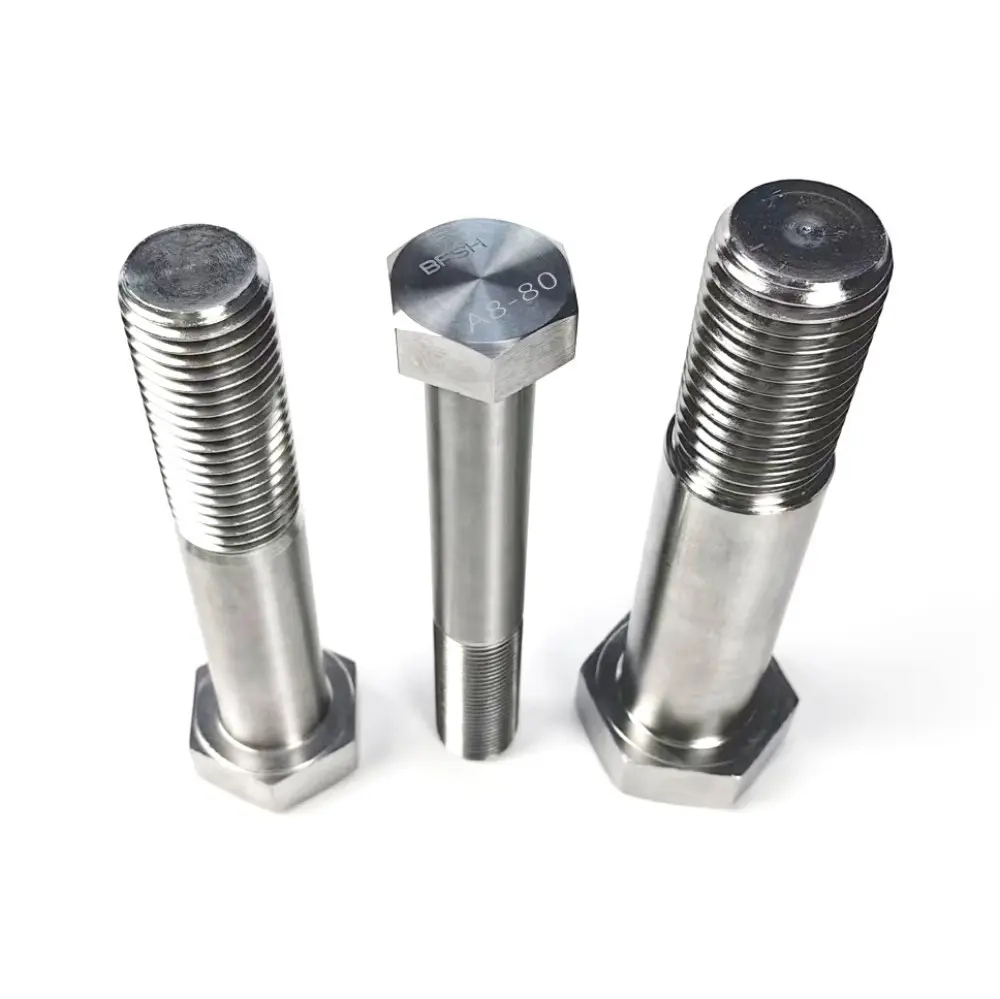
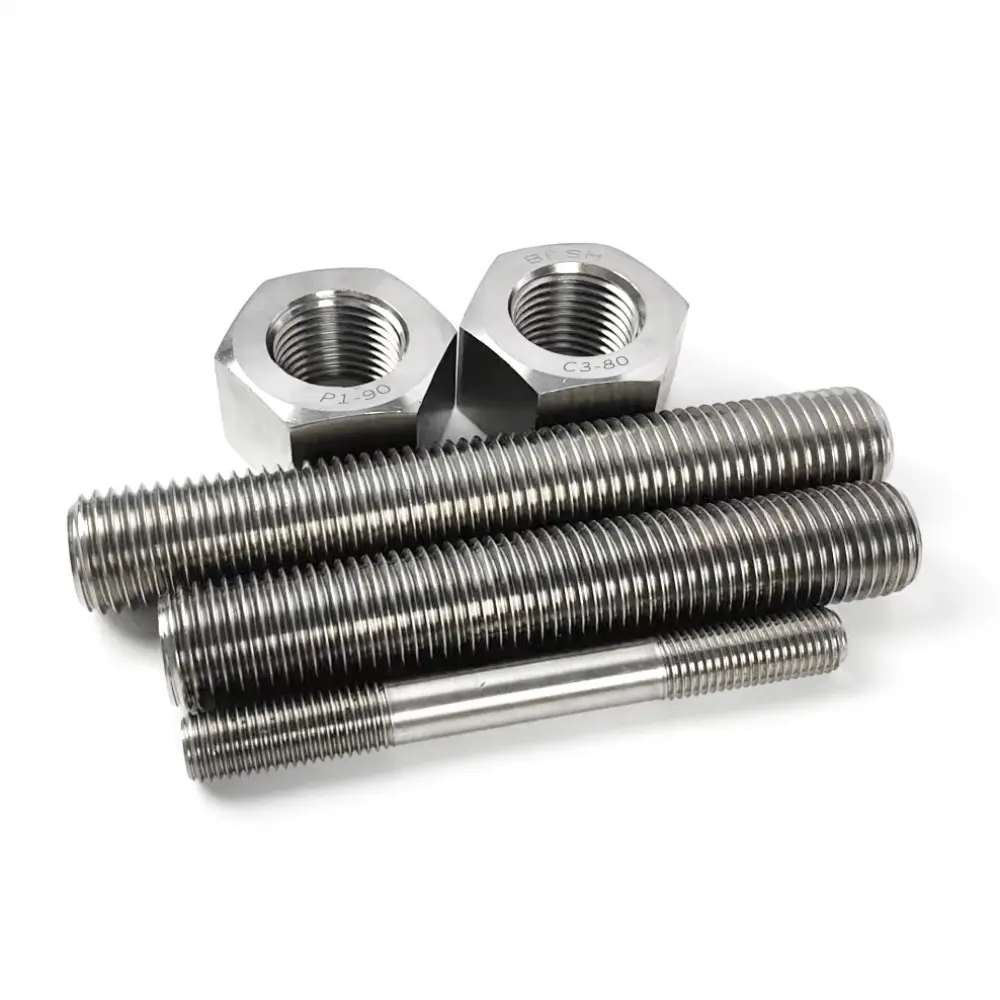
China's stainless steel high-strength fasteners are premium quality fasteners made from stainless steel materials, renowned for their exceptional strength and resistance to corrosion. These fasteners are ideal for applications involving heavy loads and exposure to harsh environmental conditions. Our range includes authentic stainless steel high-strength fasteners, martensitic, ferritic, and duplex variants, ensuring a solution for every industrial need. As a leading suppliers and factory in China, we guarantee reliable products that meet the highest industry standards

Product Description

`

Austenitic Stainless Steel High-Strength Fasteners

⚗️ Composition Mainly contains chromium (16–26%) and nickel (6–22%). Common grades include 304 and 316.
✅ Characteristics Strong corrosion resistance, non-magnetic, good toughness, easy to process, and excellent welding performance.
  • 🍽️
    Food Processing & Kitchenware
    Austenitic stainless steel (such as 1.4310CSPFH, SUS301) is widely used in food processing equipment, kitchenware (knives, pots) and tableware, meeting food-grade cleaning requirements and being less likely to contaminate food.
  • 🏭
    Chemical and Energy Equipment
    Chemical industry: Used in reaction vessels, pipelines, storage tanks, etc., resistant to corrosive media such as acids, alkalis, and salts.
    Petroleum and natural gas: Manufacturing corrosion-resistant components such as valves and pump shafts. For example, S20910 stainless steel is suitable for high-temperature and high-pressure environments.
  • 🏗️
    Architecture and Decoration
    Used for exterior walls, railings, roofs, etc., combining both beauty and durability.
  • 🚗
    Transportation
    Automobile manufacturing: SUS301 is used for body structure components, exhaust pipes, etc., achieving both lightweight and high strength.
    Aerospace: Materials such as S20910 are used for engine parts and fasteners, meeting requirements of high strength and high temperature resistance.

Martensitic Stainless Steel High-Strength Fasteners

⚗️ Composition Contains chromium (12–18%) and carbon (0.1–1.2%). Common grades include 410 and 420.
✅ Characteristics Strength and hardness can be enhanced through heat treatment, good wear resistance, but relatively weak corrosion resistance, and magnetic.
  • 🏥
    Medical Devices and Surgical Instruments
    Surgical instruments such as scissors, forceps, and surgical knives must meet the requirements of high hardness and corrosion resistance.
  • ⚙️
    Industrial Cutting Tools and Mechanical Components
    Food processing tools: For instance, Z30Cr13 martensitic stainless steel tools have superior corrosion resistance to Cl⁻ compared to 420J2.
  • ✈️
    Aerospace and Defense
    Used for missile casings, engine parts, etc., to meet requirements for high strength and corrosion resistance.

Ferritic Stainless Steel High-Strength Fasteners

⚗️ Composition Contains chromium (10.5–30%), low carbon content. Common grades include 430 and 446.
✅ Characteristics Excellent corrosion resistance (especially against stress corrosion), magnetic property, medium strength, average welding performance.
  • 🚙
    Automobile Industry
    Exhaust systems such as exhaust pipes and mufflers utilize their high-temperature oxidation resistance (working temperature up to 800℃) and low thermal expansion coefficient.
  • 🏠
    Appliances and Kitchenware
    Appliance exteriors: refrigerator door handles, microwave oven shells, etc., meeting the requirements of durability and cleanliness.
  • 🔧
    Commercial Installation
    Chemical containers: Used for corrosion-resistant linings or pipelines. For instance, the S32803 grade performs exceptionally well in chemical reactors.

Duplex Stainless Steel High-Strength Fasteners

⚗️ Composition Contains chromium (18–28%), nickel (4.5–8%), and molybdenum (2.5–4%). Common grades include 2205 and 2507.
✅ Characteristics Combines the advantages of austenite and ferrite: high strength, excellent corrosion resistance, strong resistance to stress corrosion and pitting corrosion.
  • 🛢️
    Petroleum and Natural Gas Industry
    Subsea pipelines and equipment: Duplex stainless steel (such as S31803) is used to manufacture subsea pipelines, valves and pump bodies. Its resistance to chloride stress corrosion cracking (Cl-SCC) is superior to that of austenitic stainless steel.
    High-pressure and high-temperature environments: Suitable for equipment used in oil and gas extraction, storage and transportation, such as coolers for effluent from hydrogenation reactors.
  • 🧪
    Chemical and Environmental Protection Equipment
    Reactors and heat exchangers: Used to contact acidic media (such as acetic acid, formic acid) with outstanding resistance to local corrosion.
    Flue gas desulfurization systems: Resistant to corrosive environments containing sulfur and chloride ions.
  • 🌊
    Ocean Engineering
    Vessels and propellers: Resistant to seawater corrosion, suitable for marine platform components and high-pressure pipelines for seawater desalination.
  • Architecture and Energy
    Nuclear power plant cooling systems: Used in key facilities, resistant to high-temperature oxidation and stress corrosion.

High Strength Stainless Steel Fasteners — Available Types

Performance Introduction and Supply Range of Stainless Steel High Strength Fasteners
Types Grade Tensile Strength Min Yield Strength Min Elongation after Break Min Percentage of Elongation Min Percentage of Contraction Min Hardness Range Executive Standard Scopes of Supply
HV HRC HBW
Austenitic Stainless Steel A1
A2
A3
50 500 210 0.6d ISO3506/1-2020 M1 — M140
70 700 450 0.4d ISO3506/1-2020 M3 — M64
80 800 600 0.3d ISO3506/1-2020 M3 — M48
A4
A5
50 500 210 0.6d ISO3506/1-2020 M1 — M140
70 700 450 0.4d ISO3506/1-2020 M3 — M64
80 800 600 0.3d ISO3506/1-2020 M3 — M48
100 1000 800 0.2d ISO3506/1-2020 M6 — M16
A8 70 700 450 0.4d ISO3506/1-2020 M3 — M64
80 800 600 0.3d ISO3506/1-2020 M3 — M36
100 1000 800 0.2d ISO3506/1-2020 M6 — M16
Duplex Stainless Steel D2
D4
D6
D8
70 700 450 0.4d ISO3506/1-2020 M3 — M64
80 800 600 0.3d ISO3506/1-2020 M3 — M48
100 1000 800 0.2d ISO3506/1-2020 M6 — M16
Martensitic Stainless Steel C1 50 500 250 0.2d 155 — 220 147 — 209 ISO3506/1-2020 M5 — M140
70 700 410 0.2d 220 — 330 20 — 34 209 — 314 ISO3506/1-2020 M5 — M140
110 1100 820 0.2d 350 — 440 36 — 45 ISO3506/1-2020 M5 — M64
C3 80 800 640 0.2d 240 — 340 21 — 35 228 — 323 ISO3506/1-2020 M5 — M140
120 1200 950 0.2d 380 — 480 39 — 48 ASTM F738M-02 M6 — M64
C4 50 500 250 0.2d 155 — 220 147 — 209 ISO3506/1-2020 M1 — M140
70 700 410 0.2d 220 — 330 20 — 34 209 — 314 ISO3506/1-2020 M3 — M64
110 1100 820 0.2d 350 — 440 36 — 45 ASTM F738M-02 M6 — M64
Precipitation-Hardening Stainless Steel P1 90 900 700 0.2d 285 — 370 28 — 38 ASTM F738M-02 M6 — M64
XM-12 H900 1310 1170 10% 35% 40 Min ASTM A564-2019 M5 — M140
XM-13 H950 1515 1415 10% 45% 45 Min ASTM A564-2019 M5 — M140
XM-16 H900 1620 1515 8% 30% 47 Min ASTM A564-2019 M5 — M140
XM-25 H900 1240 1170 10% 40% 39 Min ASTM A564-2019 M5 — M140
S11100 H900 1700 1590 11% 43% 47 Min ASTM A564-2019 M5 — M140
S17400 H900 1310 1170 10% 40% 40 Min ASTM A564-2019 M5 — M140
S45503 H900 1620 1520 8% 30% 47 Min ASTM A564-2019 M5 — M140
S46500 H950 1655 1515 10% 45% 47 Min ASTM A564-2019 M5 — M140

Frequently Asked Questions (FAQ)

Q What is the difference between austenitic and martensitic stainless steel fasteners?
Austenitic stainless steel fasteners (e.g., grades 304, 316) are non-magnetic, offer excellent corrosion resistance and good toughness, and are ideal for food processing, chemical, and architectural applications. Martensitic stainless steel fasteners (e.g., grades 410, 420) are magnetic, can be hardened through heat treatment for higher strength and wear resistance, but have relatively lower corrosion resistance. They are preferred for cutting tools, surgical instruments, and aerospace components.
Q Why choose duplex stainless steel fasteners over standard austenitic grades?
Duplex stainless steel fasteners (e.g., 2205, 2507) combine the benefits of both austenitic and ferritic structures, offering approximately twice the yield strength of standard austenitic grades. They provide superior resistance to chloride stress corrosion cracking (Cl-SCC) and pitting corrosion, making them the preferred choice for subsea pipelines, offshore platforms, chemical reactors, and seawater desalination systems.
Q What executive standards apply to stainless steel high-strength fasteners?
The most common standards are ISO 3506/1-2020, which covers austenitic, duplex, martensitic, and ferritic stainless steel fasteners, and ASTM F738M-02 and ASTM A564-2019, which are widely used for precipitation-hardening and high-performance stainless steel grades. Each standard defines requirements for tensile strength, yield strength, hardness, and elongation.
Q What size range is available for stainless steel high-strength fasteners?
The supply range varies by material type and grade. Austenitic grades (A1–A8) are available from M1 to M140, duplex grades (D2–D8) from M3 to M64, martensitic grades (C1–C4) from M1 to M140, and precipitation-hardening grades (P1, XM series, S-series) typically from M5 to M140. Please refer to the performance table above for detailed size ranges per grade.
Q What are precipitation-hardening stainless steel fasteners best used for?
Precipitation-hardening (PH) stainless steel fasteners, such as S17400 (17-4 PH) and S11100, achieve very high tensile strengths (up to 1700 MPa) through aging heat treatment. They are ideal for aerospace structural components, high-performance marine hardware, nuclear engineering, oil and gas equipment, and any application requiring a combination of high strength, good corrosion resistance, and dimensional stability.
Q How does ferritic stainless steel compare to austenitic stainless steel for fastener applications?
Ferritic stainless steel (e.g., 430, 446) is magnetic and offers good resistance to stress corrosion cracking and high-temperature oxidation (up to 800℃), making it well-suited for automotive exhaust systems and appliance exteriors. However, it has lower toughness and weldability compared to austenitic grades. Austenitic stainless steel is generally preferred where superior corrosion resistance, non-magnetic properties, and better formability are required.

Related Products