China High-End Spring Wire from China Suppliers - High Tensile Strength Special Raw Materials Factory Suppliers, Products

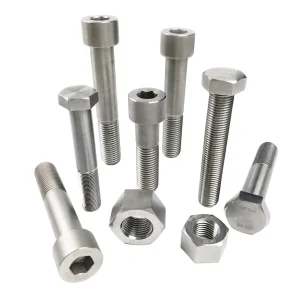
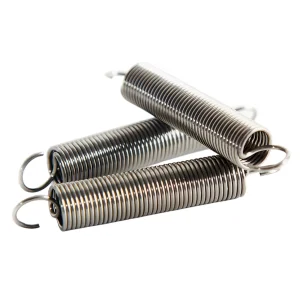
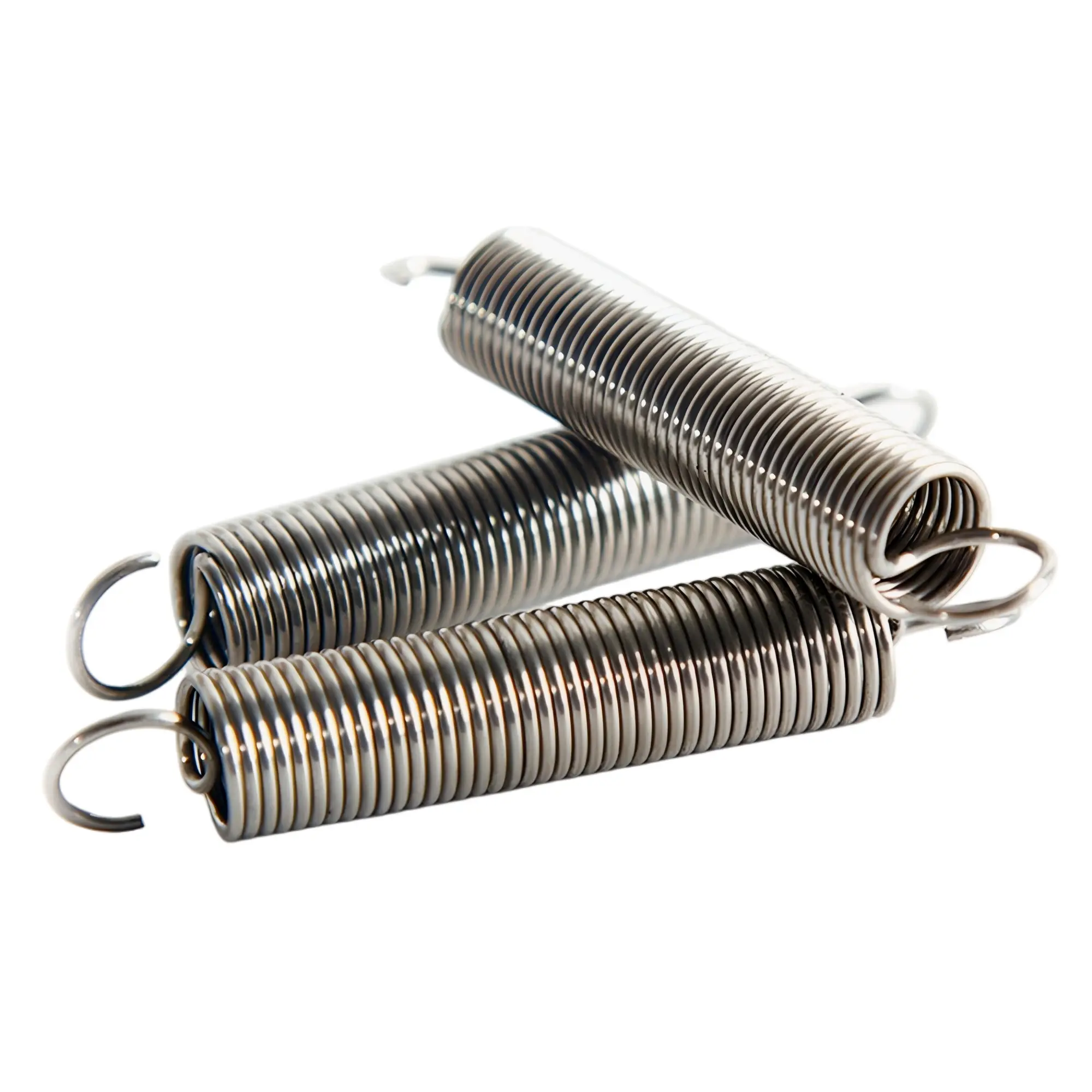
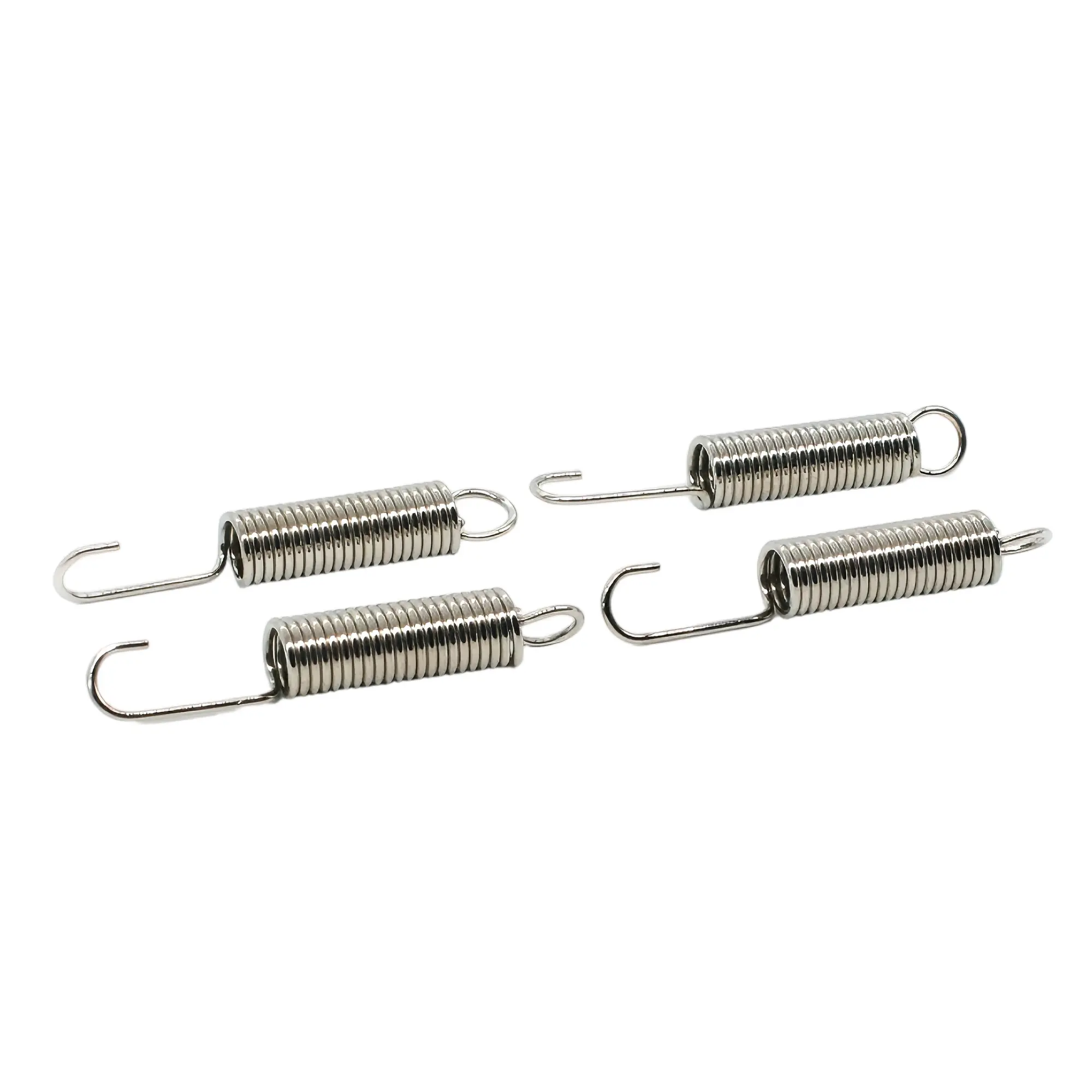
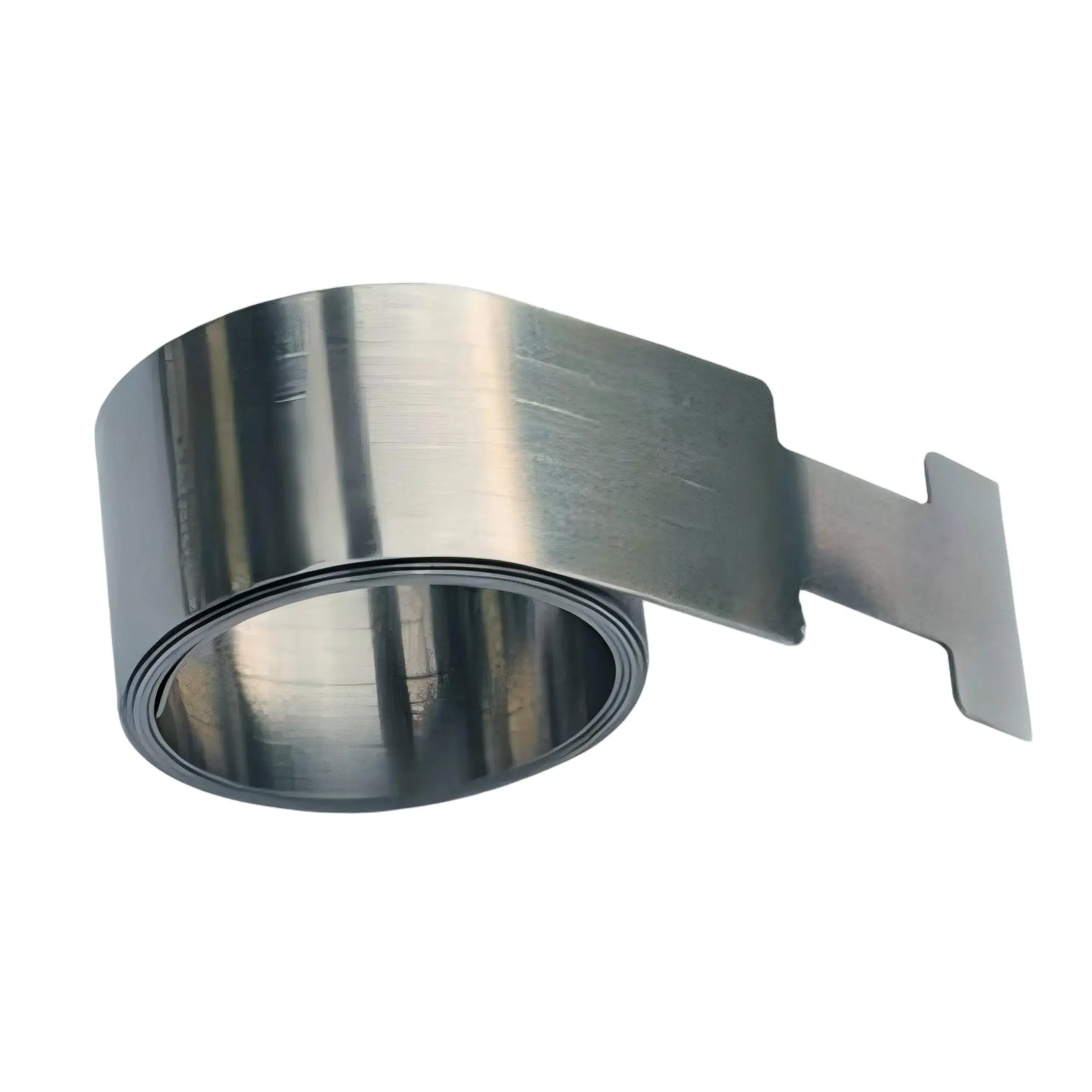
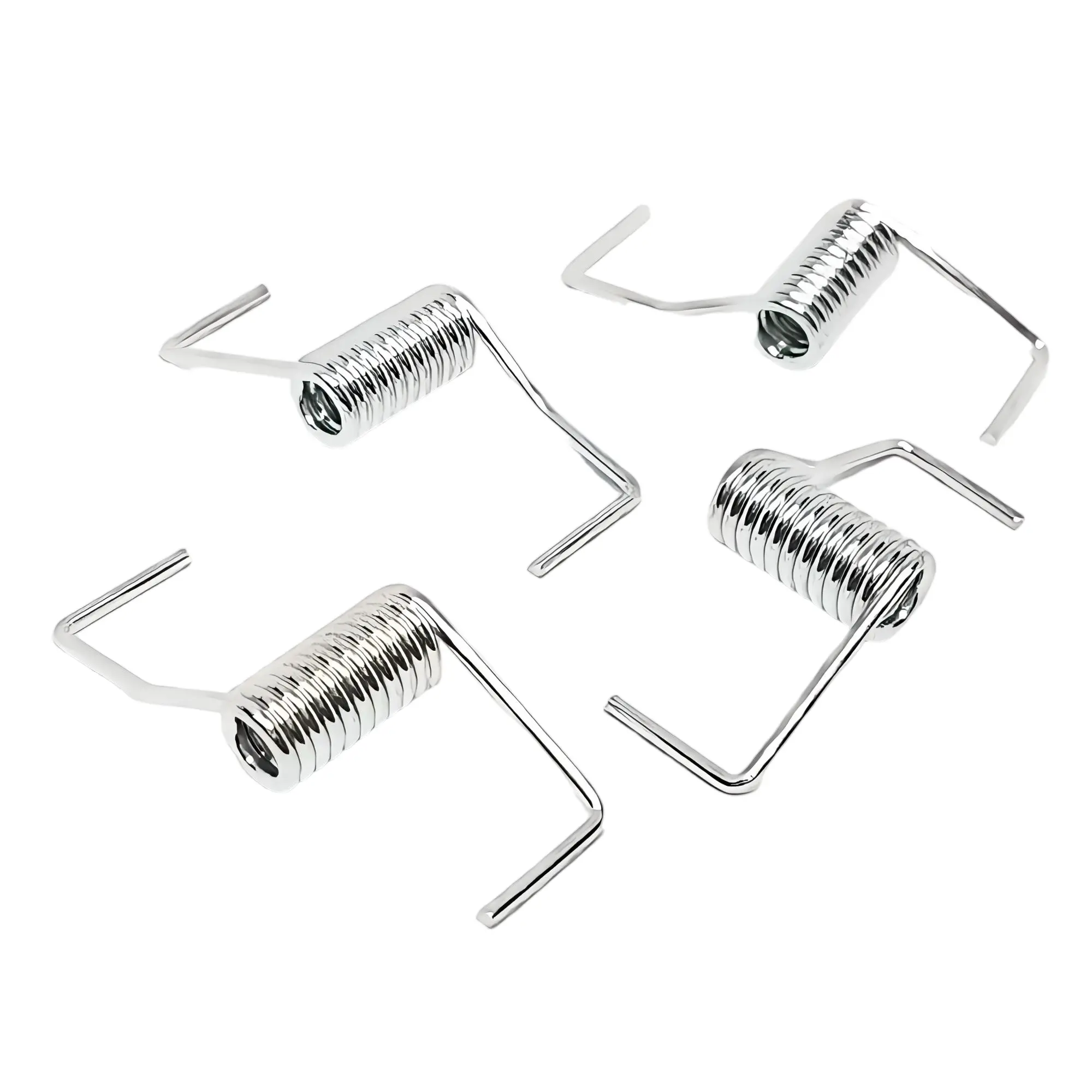
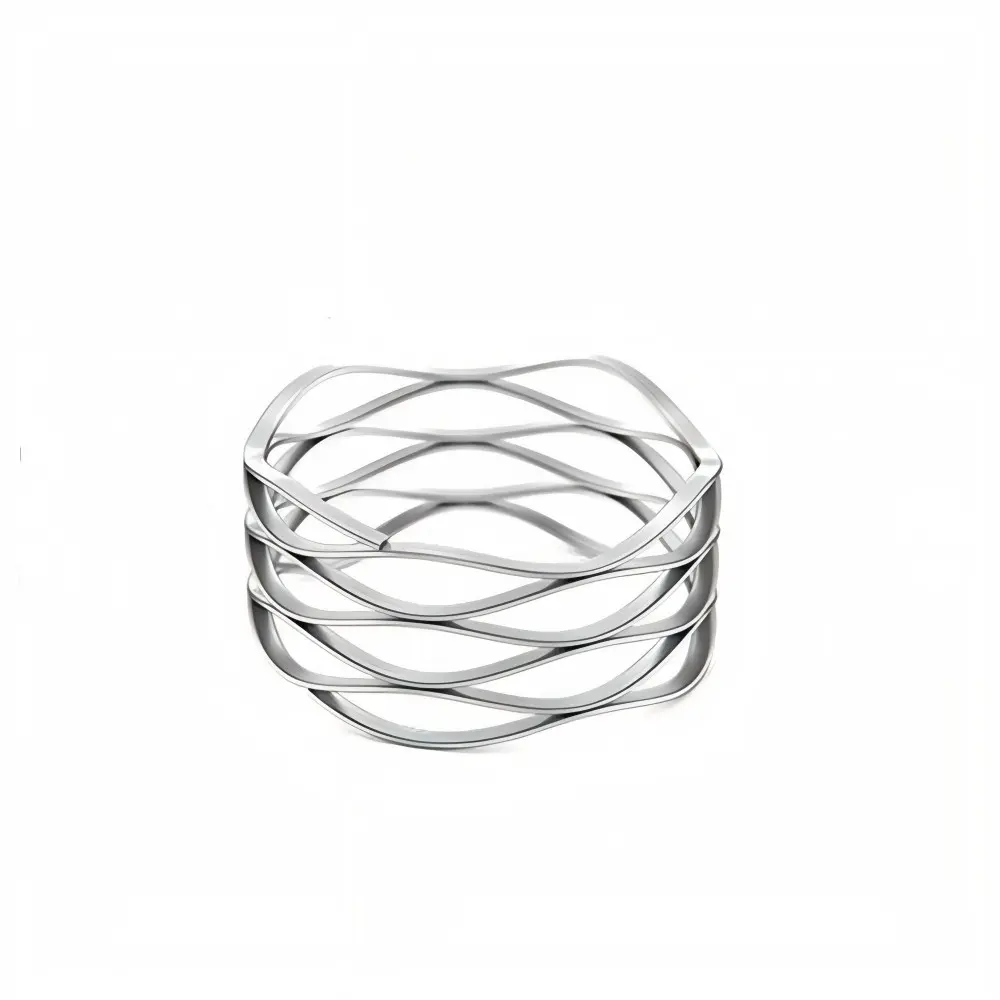
Discover our high-strength special material springs, expertly crafted for superior mechanical performance and adaptability, making them essential in the high-end industrial sector. As a leading supplier in China, our factory produces these springs with core characteristics that ensure reliability and durability in various applications. Trust our premium quality springs for your special fasteners, and experience the difference that excellence and precision bring to your projects

Product Description

Products Features

  • 1
    Maintaining Preload

    By continuously applying elastic preload, the screws can be prevented from loosening. This is particularly suitable for vibration scenarios such as those in automotive chassis and construction machinery.

  • 2
    High Tensile Strength

    For example, the U-shaped bolts used in automotive leaf springs need to withstand tensile forces of over 800 megapascals. The material must possess high strength properties.

  • 3
    Surface Treatment Requirements

    To prevent rusting, surface treatment processes such as galvanization or phosphating are usually required.

  • 4
    Structural Adaptability

    The flat-section cylindrical helical compression spring, due to its low compression height and large compression capacity, is often used in engine valve mechanisms or clutches where space is limited.

  • 5
    Dynamic Performance Optimization

    Non-equal pitch or conical helical springs eliminate resonance through variable stiffness characteristics, suitable for high-speed variable load mechanisms or heavy-duty vibrating screens.

★ Key Specs The spring wires mainly include high-nickel alloy materials, high-tensile materials, and stainless steel materials.
  •  Application Temperature Range: -270°C to 1100°C
  •  Wire Diameter Range: 0.025 mm – 21 mm
  •  Highest Tensile Strength: 2,600 N/mm²

Application

High-End Special Raw Material Spring Wire demonstrates remarkable elasticity, fatigue resistance and environmental adaptability, and plays a crucial role in various high-tech fields.
(1) Key Components of the Engine

Used for manufacturing fastener parts of turbine blades, diaphragm springs, etc., they need to withstand temperatures of 600 to 900°C and maintain a high elastic modulus (such as 3J21 alloy).

(2) Precision Sensors

The diaphragm and bellows components rely on the long-term stability of the spring wire (fatigue life ≥ 10⁷ cycles).

(3) Industrial Measuring Equipment

High elasticity alloys (such as 3J53) are used to manufacture corrosion-resistant valve springs, suitable for chemical medium environments.

(4) Optical Component Support

The relay contact spring needs to have a low magnetic permeability (μ ≤ 1.05) to avoid electromagnetic interference.

(5) Wind Turbine Pitch Control System

Salt-resistant corrosion-resistant spring wire materials (such as HGH3625 welding wire) are used for key connection components of offshore wind turbines.

(6) Nuclear Power Equipment

The springs of the control rod drive mechanism in the nuclear reactor need to undergo radiation resistance tests (cumulative dose ≥ 10⁶ Gy).

The Following Is the Main Types of Spring Wire

High-end Special Raw Material — Spring Wire Available Types
Inconel Nimonic Incoloy Hastelloy Haynes Titanium Nilo Nickel Stainless Steel
600 75 800HT B2 25 Grade 1 36 200 302
601 80A 800 B-3 214 Grade 2 42 201 304
625 86 801 C-4 282 Grade 3 48 205 316
718 90 825 C-22     52 212 316Ti
X750 95 890 C59       270 321
  100 925 C-276         2205
  C263 926 C-2000         2507

Frequently Asked Questions (FAQ)

Q
What temperature range can high-end special raw material spring wire withstand?
High-end spring wire materials are designed to operate across an extremely wide temperature range, from -270°C to 1100°C. This makes them suitable for cryogenic applications as well as high-temperature environments such as turbine engines and nuclear power equipment.
Q
What wire diameter sizes are available for your spring wire products?
Spring wire is available in a wide diameter range from 0.025 mm to 21 mm, accommodating everything from ultra-fine precision sensor components to heavy-duty industrial applications.
Q
Which material grades are available for corrosion-resistant applications?
For corrosion-resistant applications, there is a wide selection including Hastelloy (B2, B-3, C-4, C-22, C-276, C-2000), Incoloy (825, 890, 926), and various stainless steel grades (316, 316Ti, 2205, 2507). For offshore or marine environments, materials such as HGH3625 are recommended.
Q
What surface treatments are available to prevent spring wire corrosion?
To prevent rusting and extend service life, surface treatment processes typically include galvanization and phosphating. These treatments are especially important for spring wires used in outdoor, high-humidity, or chemically aggressive environments.
Q
Can your spring wire be used in nuclear power or radiation-heavy environments?
Yes. Spring wire products designed for nuclear power applications undergo stringent radiation resistance testing with a cumulative dose requirement of ≥ 10⁶ Gy. These are specifically engineered for use in control rod drive mechanisms within nuclear reactors.
Q
What is the maximum tensile strength your spring wire can achieve?
High-tensile spring wire can achieve a maximum tensile strength of up to 2,600 N/mm². This makes it ideal for demanding structural applications such as automotive leaf spring U-bolts, which require tensile strength exceeding 800 MPa.

Related Products