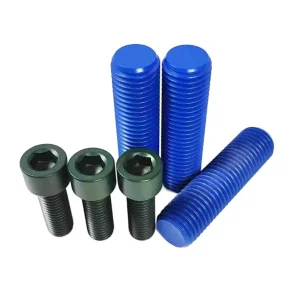
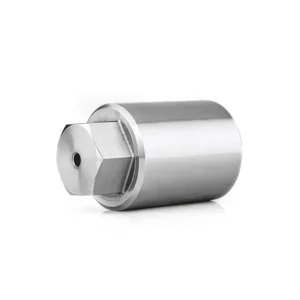
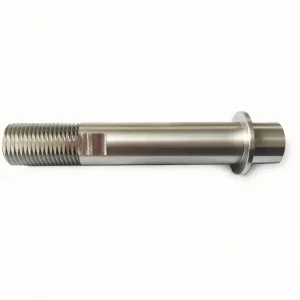
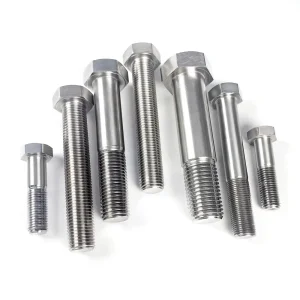
Explore the first tier of our extreme-environment fasteners engineered for unmatched safety and durability
The Evolution of Industrial Fastening Systems
In the high-stakes sectors of aerospace, deep-sea exploration, semiconductor fabs, and advanced energy generation, fasteners are no longer mere hardware elements. They are engineered components operating near physical limits. Modern structures dictate that machine bolts and nuts sustain severe fatigue limits, corrosion profiles, and dimensional tolerances. Beiersdorf Industrial Technology (Shanghai) Co., Ltd. leads this transition by fabricating fasteners that function across extreme thresholds—from absolute-zero-adjacent cryogenic environments (-270℃) up to violent thermal ranges of 1200℃.
Traditional fastening elements exhibit atomic diffusion, grain boundary precipitation, and brittle fracture modes under combined loads of stress and thermal fluctuation. This whitepaper analyzes how high-performance materials (such as Super Alloys, Inconel, Titanium, and Cobalt matrices) paired with precision machining techniques can resolve these structural issues. Global procurement teams must balance structural requirements, material science properties, regulatory standards, and supply chain vulnerabilities.
Our QA division runs a stringent sampling inspection system. Standard and custom products undergo magnetic particle inspection, ultrasonic scanning, and spectral analysis to target zero defects before shipping.
Our group holds more than 100 utility model patented products and eight distinct invention patents. We develop bespoke alloy treatments and thread geometries to mitigate stress concentration under fatigue loads.
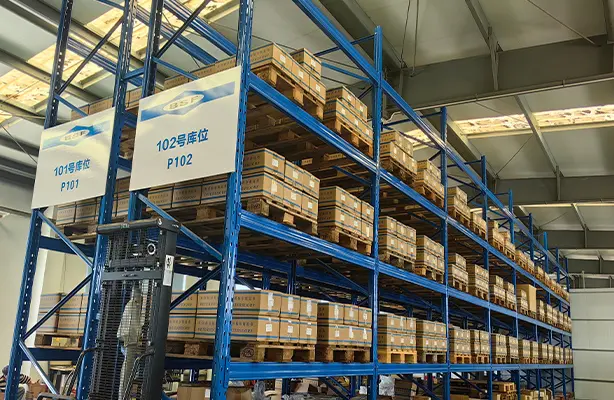
We maintain nearly 100,000 product models. This includes 500 tons of specialty raw materials in stock and over 10,000 tons of finished stainless steel standard parts to support rapid global logistics.
Established in 2015 in Shanghai, China, Beiersdorf Industrial Technology (Shanghai) Co., Ltd. serves as a reliable manufacturer of special fasteners and ultra-high precision components. Our team works under the principle: "Product quality is the foundation for an enterprise's survival."
Combining manufacturing facilities in Shanghai with specialized metallurgical partners across China, we bridge engineering concepts and physical execution. From early material selection to ongoing assembly calculations and maintenance, we offer technical consulting to support heavy industries.
 "Product quality is the foundation for an enterprise's survival."
 "Heart to sunshine, everything to prosperity"

Beyond Standard Carbon Steel Systems
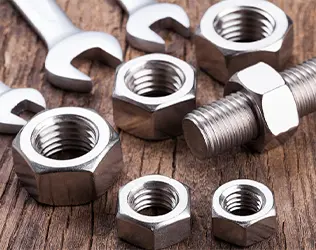
Standard hardware specifications fall short when exposed to marine atmospheric corrosion, magnetic interference, or high mechanical shear. To handle these conditions, Beiersdorf produces bolts and nuts using advanced metallurgical formulations. Each alloy provides distinct benefits:
Designed for high strength-to-weight ratio applications. Grade 5 titanium offers a tensile strength exceeding 895 MPa, combined with low density. It resists chlorides, seawater, and chemical reactions, making it suitable for aerospace and marine engineering.
Formulated to resist thermal creep, oxidation, and hydrogen embrittlement. Inconel 718 utilizes niobium and molybdenum additions to precipitate hardening phases, maintaining yield strength at temperatures up to 700°C.
Duplex 2205 combines austenitic and ferritic grain structures, resulting in a Pitting Resistance Equivalent Number (PREN) above 35. It provides high resistance to stress corrosion cracking and pitting in acid and high-salinity marine environments.
| Material Class | Common Designation | Tensile Strength (MPa) | Thermal Window (℃) | Primary Industrial Use-Case |
|---|---|---|---|---|
| Titanium Alloy | Ti-6Al-4V (Grade 5) | ≥ 895 | -210 to +400 | Aerospace structures, Biomedical implants |
| Nickel Superalloy | Inconel 718 (UNS N07718) | ≥ 1240 | -250 to +700 | Gas turbines, rocket motors, petrochemical pipes |
| Cobalt Base Alloy | Cobalt L605 / CoCrW | ≥ 950 | -100 to +900 | High-temperature exhaust manifolds, high-wear zones |
| Duplex Stainless | SAF 2205 (UNS S32205) | ≥ 655 | -50 to +300 | Offshore drilling rigs, marine engine casings |
| A4-80 Stainless | 316 Cold Worked | ≥ 800 | -196 to +500 | Standard marine hardware, chemical vessels |
High-performance configurations optimized for demanding engineering projects

Stable performance down to -270℃, resisting low-temperature embrittlement.

High strength-to-weight ratio fasteners for aerospace and racing applications.

High wear resistance and oxidation control under dynamic loads.
Inconel and Hastelloy materials built for chemical and pressure vessel usage.
Fasteners featuring certified tensile strengths of up to 1900 MPa for high-stress industrial structures.
Stable performance up to 1200℃. Engineered to prevent thread seizing and thermal degradation.
Magnetic permeability close to 1.0. Designed for medical MRI equipment and semiconductor lithography.
Cryogenic Stability & Thermal Creep Solutions
Standard carbon and basic austenitic alloys face issues when operating under temperature extremes. Standard steels can undergo a ductile-to-brittle transition temperature (DBTT) shift, which may cause sudden catastrophic fractures. On the other end, temperatures above 500°C lead to microstructural degradation, creep-rupture, and continuous thermal oxidation.
Our Cryogenic Fasteners are heat-treated to maintain face-centered cubic (FCC) lattice stability at temperatures down to -270℃. This lattice configuration prevents brittle fractures under high-pressure liquid helium, nitrogen, and LNG transport loads. The alloy chemistry is controlled to limit interstitial carbon, nitrogen, and oxygen levels, preserving fracture toughness at low temperatures.
For high-temperature applications up to 1200℃, we use dispersion-strengthened alloys. The thread geometries on these high-temperature bolts are modified to distribute shear stress evenly. Under thermal exposure, typical threads expand non-uniformly, which can lead to galling or relaxation. Our specialty fasteners utilize material coefficients of expansion matched to specific mating structures, reducing pre-load loss over operating cycles.
Custom-developed lines targeting specific engineering challenges
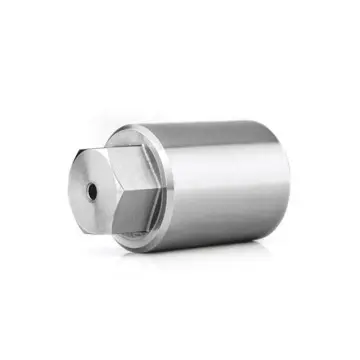
Suitable for precision electronic and medical assemblies where magnetic field disruption must be minimized.
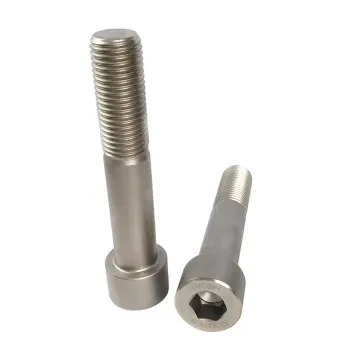
Includes super stainless steels, titanium alloys, and nickel-based materials for corrosion resistance.
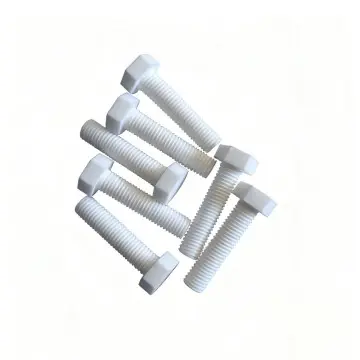
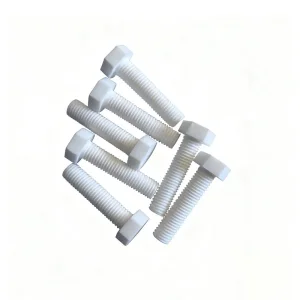
Lightweight, non-conductive, and highly resistant to acids. Ideal for chemical baths and battery cells.
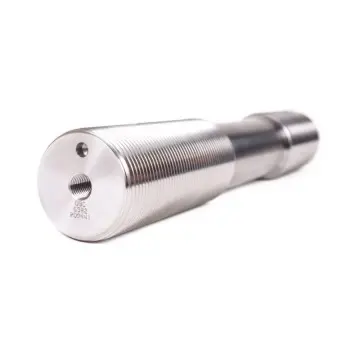
Designed for offshore platforms and shipbuilding. Certified to meet regulatory requirements.
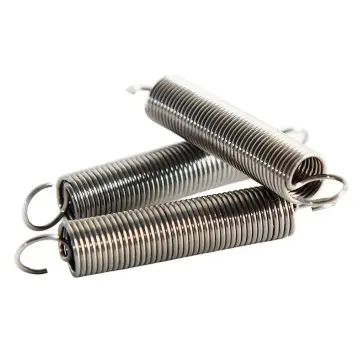
Utilizes special raw materials to maintain elasticity under high temperature and repetitive loading cycles.
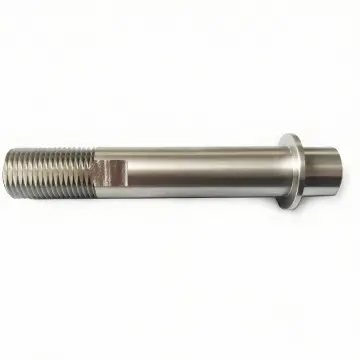
Ultra-high precision CNC parts featuring micron-level tolerances for electronic instrumentation.
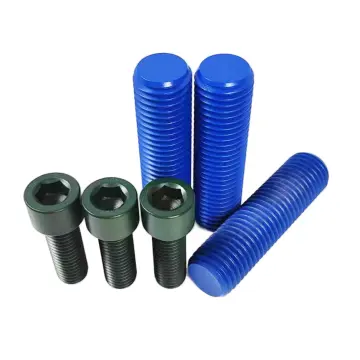
Retains structural integrity and impacts toughness down to extreme sub-zero regions.
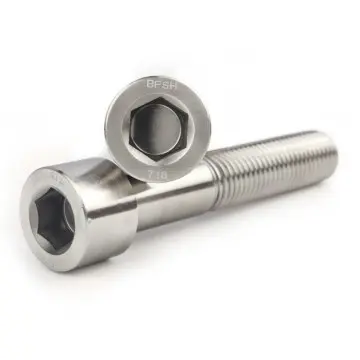
Maintains mechanical pre-loads and resists creeping in environments up to 1200℃.
The Shanghai Cluster Synergy
B2B buyers face challenges with lead times, raw material consistency, and variable quality. Producing in the Shanghai industrial cluster enables Beiersdorf to coordinate the raw material supply chain, precision processing facilities, and shipping logistics. The Yangtze River Delta region provides access to refined steel casting, vacuum induction melting, and specialized heat treatment services.
We maintain a stock of 500 tons of specialty raw alloys alongside 10,000 tons of finished stainless steel standard parts. This inventory helps mitigate volatility in global metal markets, providing pricing and delivery timelines. Our facility is located close to the Port of Shanghai, facilitating containerized maritime and air transport to global industrial centers.
Additionally, our production lines utilize multi-station cold formers, high-speed thread rollers, and CNC centers, enabling us to supply both standard bulk orders and low-volume custom runs. The cold forming processes yield uniform metal grain flows, which improves tensile and shear fatigue life compared to standard turned fasteners.
Our high-performance fasteners support critical applications globally
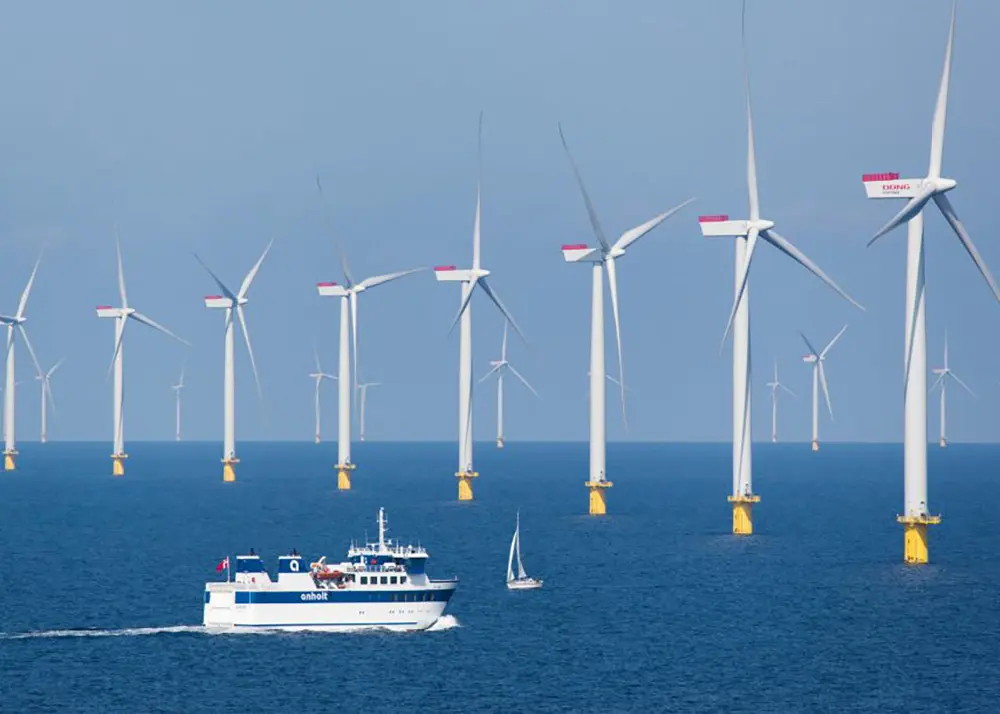
Our special fasteners are widely used in shipbuilding and oceanography engineering, including special ships, marine propulsion systems, yacht manufacturing, offshore oil drilling platforms, submarine pipelines, offshore wind installations, underwater lifeboats, and port machinery.
Key material options include A4-80, A5-80, D8-80, D6-70, Duplex 2205, L7, 40CrNiMoA, Alloy 718, and EN14399 steel structure connection pairs. These fasteners carry classification society certifications to verify reliability under offshore conditions.
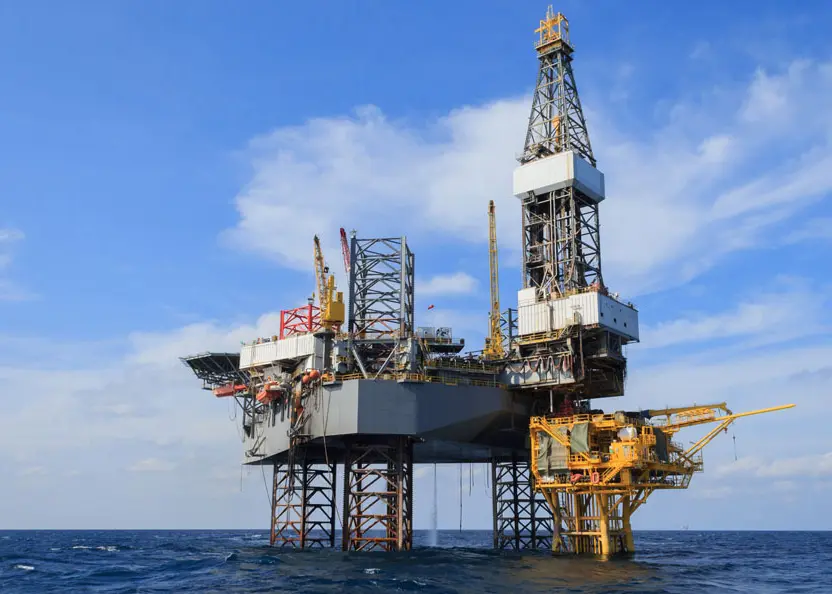
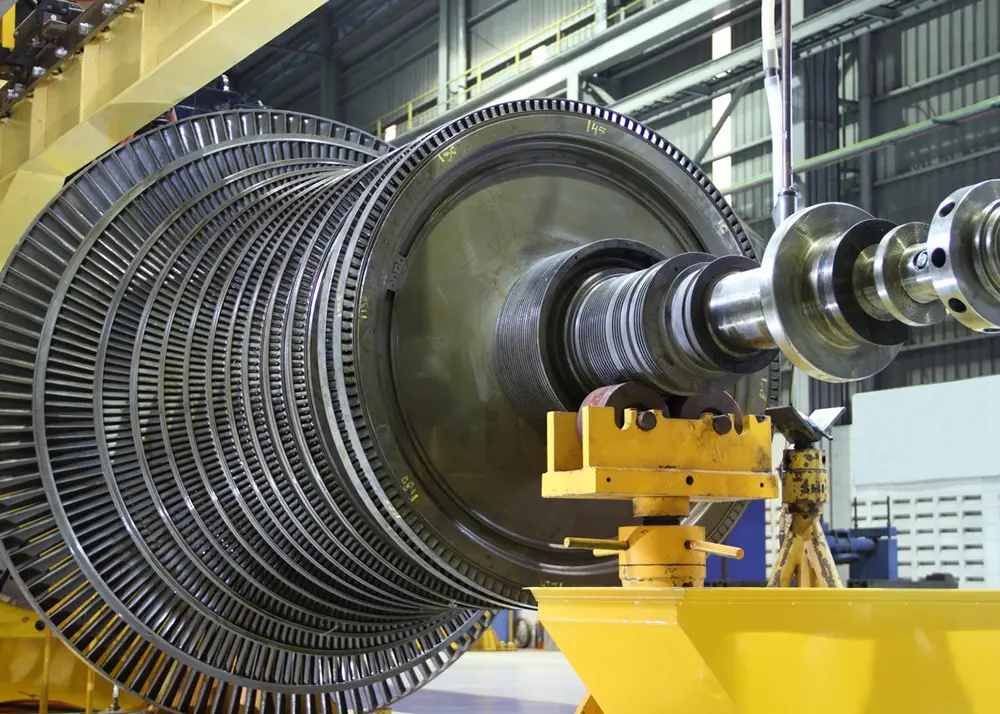
High-temperature and high-pressure bolts for turbines, steam loops, and nuclear reactors.
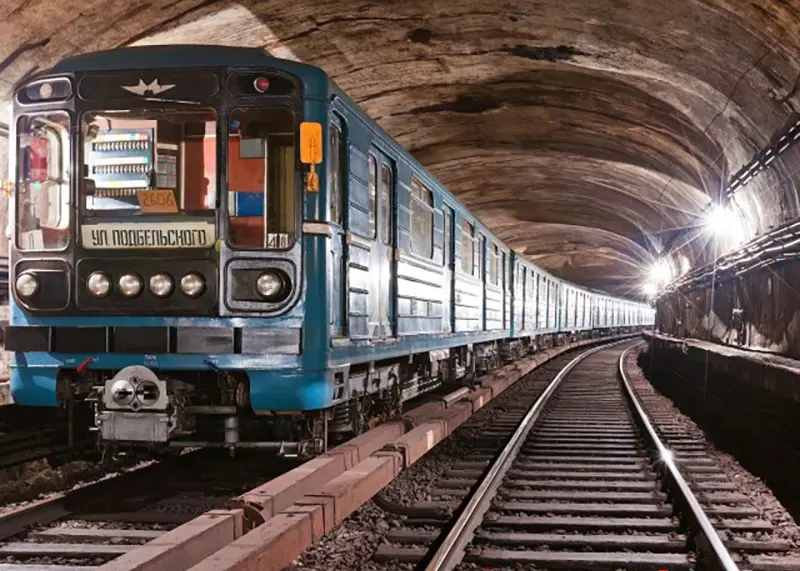
Fatigue-resistant fasteners built to withstand vibrations in bogies and track systems.

Non-magnetic, high-precision machined fasteners designed for electronics enclosures.
Corrosion-resistant fasteners designed for high-acid environments and refining facilities.
Ensuring Zero-Defect Traceability
Procuring industrial components requires verification of quality compliance. Fastener failure in structural systems can lead to costly downtime or safety issues. Beiersdorf operates under a zero-defect quality control protocol, starting from the inspection of incoming raw wire or bar stocks.
Every batch of material is tested for chemical composition using optical emission spectrometry. For high-tensile and specialized alloy products, we perform non-destructive testing, including magnetic particle inspection for surface cracks and ultrasonic testing for internal voids. Thread profiles are verified using optical comparators and thread gages to confirm adherence to ISO, DIN, ANSI, or JIS tolerance classes.
We provide complete documentation, including mill test reports (MTR) according to EN 10204 3.1, dimension inspection sheets, and certificate traces for marine-grade products. This helps international buyers confirm compliance with industry safety standards.
Stay informed about metallurgical trends and warehouse updates
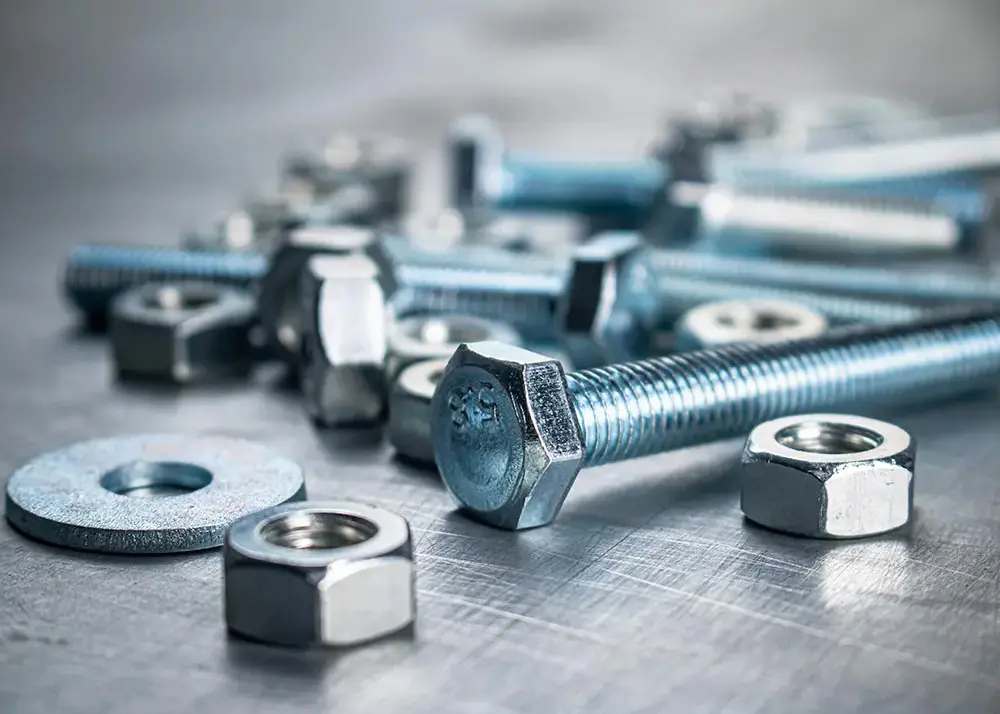
An analysis of material innovation, standardization, and sustainability initiatives driving growth in the global fastener market as we move into 2025.
View More →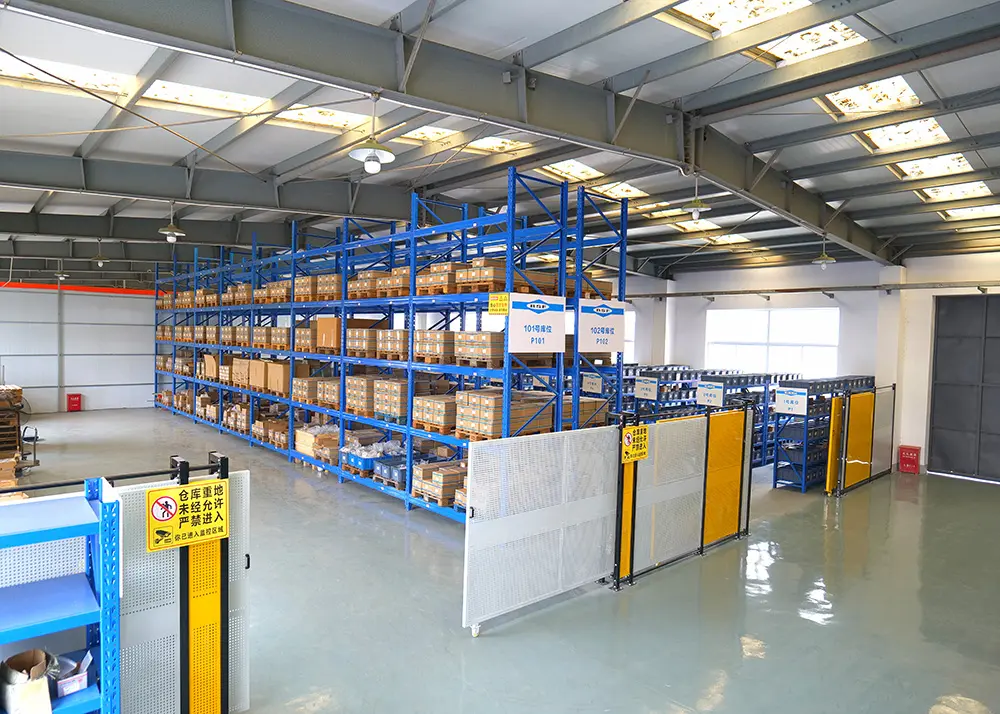
Beiersdorf has initiated a warehouse expansion and renovation project in Shanghai to streamline logistics and inventory dispatch processes.
View More →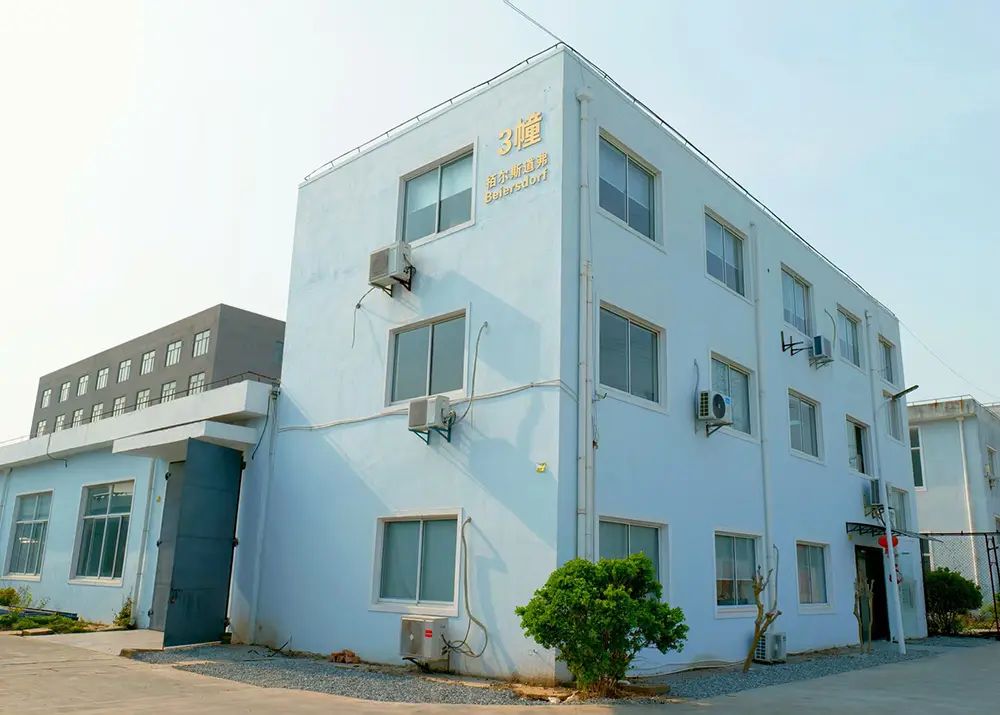
Reflecting on our milestones since founding in 2015, we continue to develop custom fastening solutions for critical industrial applications.
View More →Supporting infrastructure, marine projects, and engineering networks worldwide


Reference Guide for Procurement Professionals
Beiersdorf provides technical consulting, material selection assistance, and custom fastener production. Reach out to our engineering team to discuss your project requirements.
Explore the second tier of our high-precision product portfolio
 BSF
BSF