 BSF
BSF
1 / 5
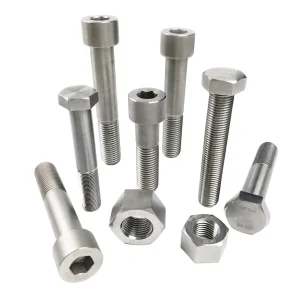
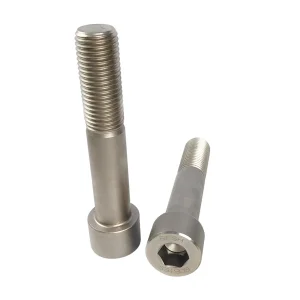
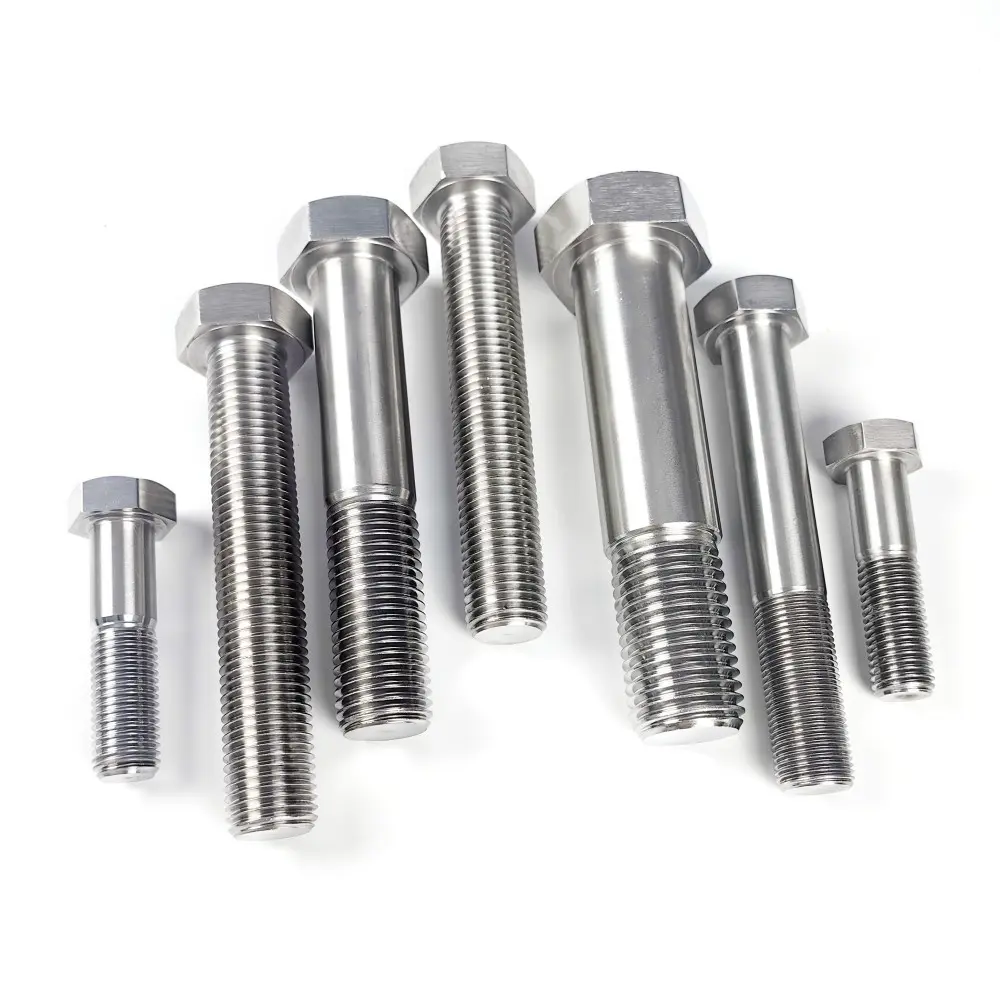
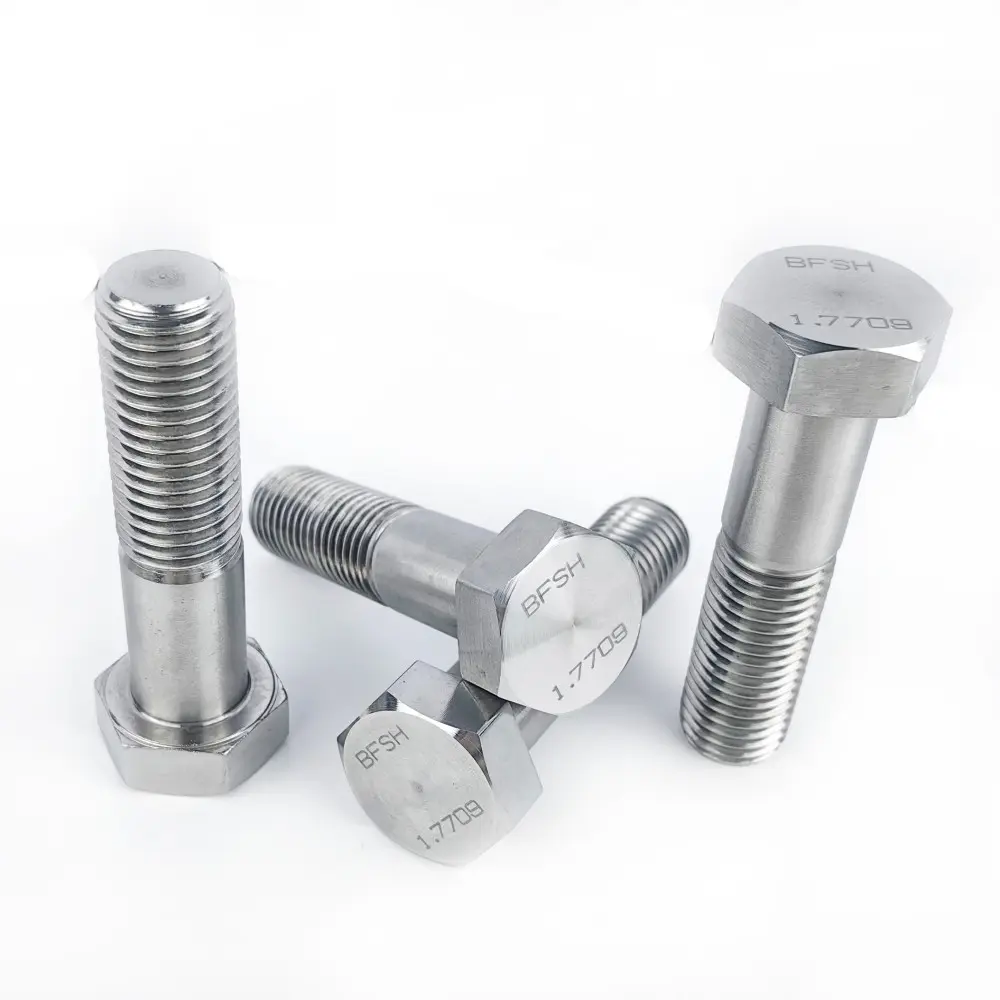
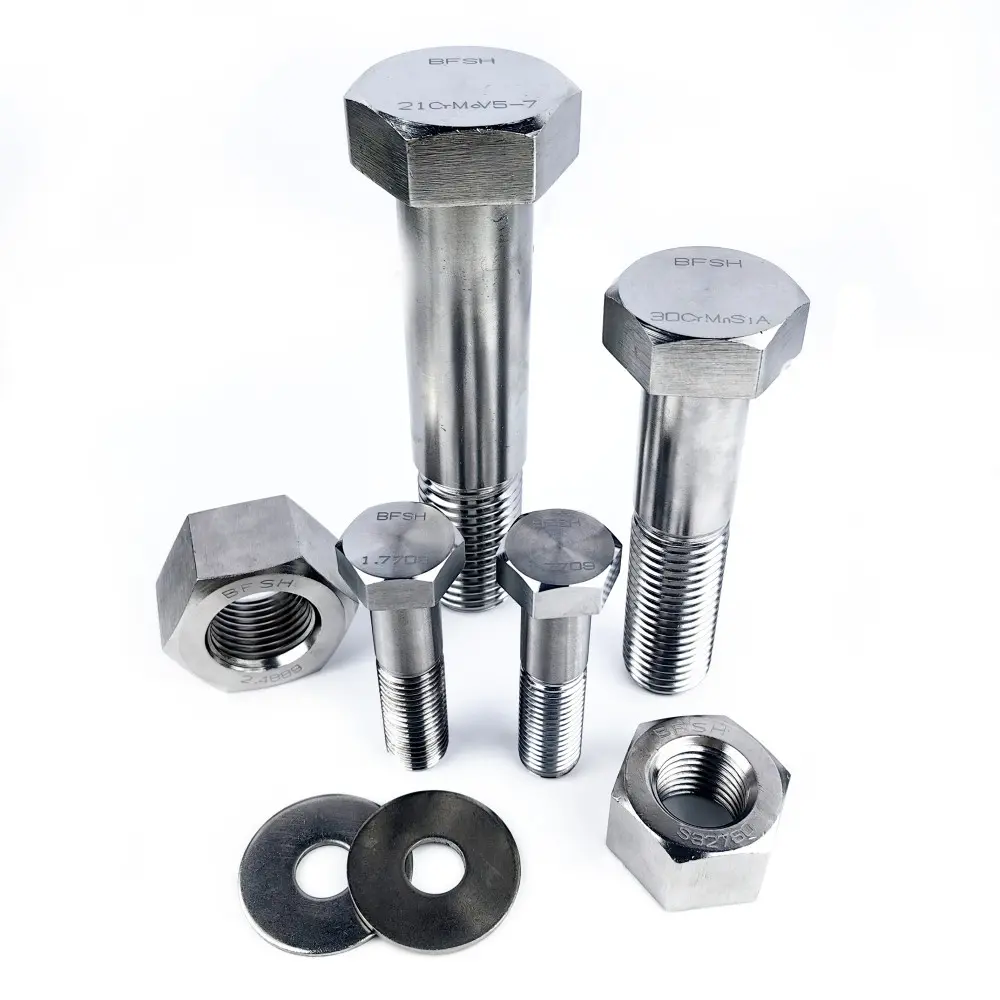
7709 steel is a high-performance alloy steel, also known as 21CrMoV5-7, and is widely used in the manufacturing of high-strength, high-temperature-resistant fasteners such as bolts and nuts. The following is an in-depth introduction to the screws made of 1.7709 material:
It mainly consists of carbon (C: 0.17–0.25), silicon (Si: 0.15–0.35), manganese (Mn: 0.35–0.85), chromium (Cr: 1.20–1.50), molybdenum (Mo: 0.65–0.80), and vanadium (V: 0.25–0.35) and other elements. The reasonable proportion of these elements gives the steel excellent comprehensive properties.
In the heat-treated state, 1.7709 steel has high strength and good mechanical properties. Its yield strength (Rp0.2) can reach ≥550 MPa, tensile strength (PM) can reach ≥700 MPa, elongation (A) ≥16%, and reduction of area (A) ≥60%.
This material can still maintain good mechanical properties in high-temperature environments and is suitable for working conditions with temperatures exceeding 300°C.
300M is a medium-carbon nickel-chromium-molybdenum alloy steel, featuring the following characteristics:
The tensile strength can reach 1900–2100 MPa, and the yield strength is over 1600 MPa, making it suitable for withstanding high loads.
It has good plasticity and toughness, capable of resisting fracture under extreme conditions.
Suitable for applications that require long-term exposure to dynamic loads, such as aircraft components.
Through heat treatment (such as quenching and tempering), its hardness and strength can be further enhanced.
High-strength alloy stainless steel, due to its excellent mechanical properties, corrosion resistance and processing adaptability, plays a crucial role in several high-end fields.
Aircraft landing gear and fasteners: Ultra-high strength stainless steel is used to manufacture key load-bearing components such as landing gear hinges and bolts, solving the hydrogen embrittlement problem.
Deep-sea equipment and pipelines: Duplex stainless steel is used for submarine pipelines and valves. Its resistance to chloride ion stress corrosion cracking is superior.
Bridges and Tunnels: Martensitic stainless steel is used for high-strength fasteners to enhance durability.
3D Printing and Additive Manufacturing: Complex components are fabricated through laser cladding technology, with superior strength characteristics.
| High Strength Stainless Steel Product Grade | |||
| 40CrNiMoA | 30CrMnSiA | 21CrMoV5-7 | 1.6772 |
| 20Cr1Mo1VTiB | X22CrMoV12-1 | 1.7709 | 300M |