Application Fields
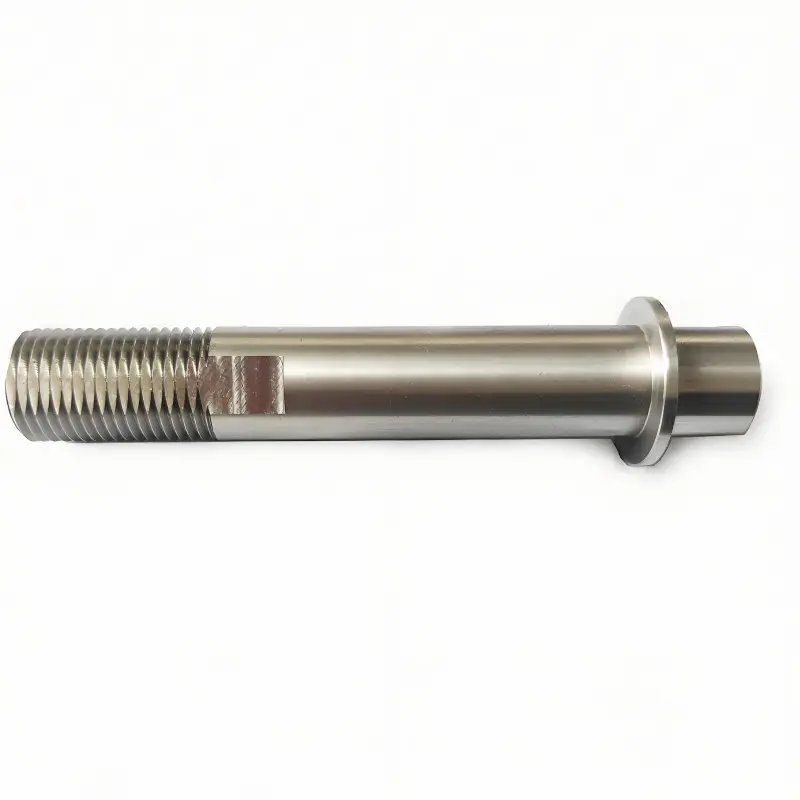
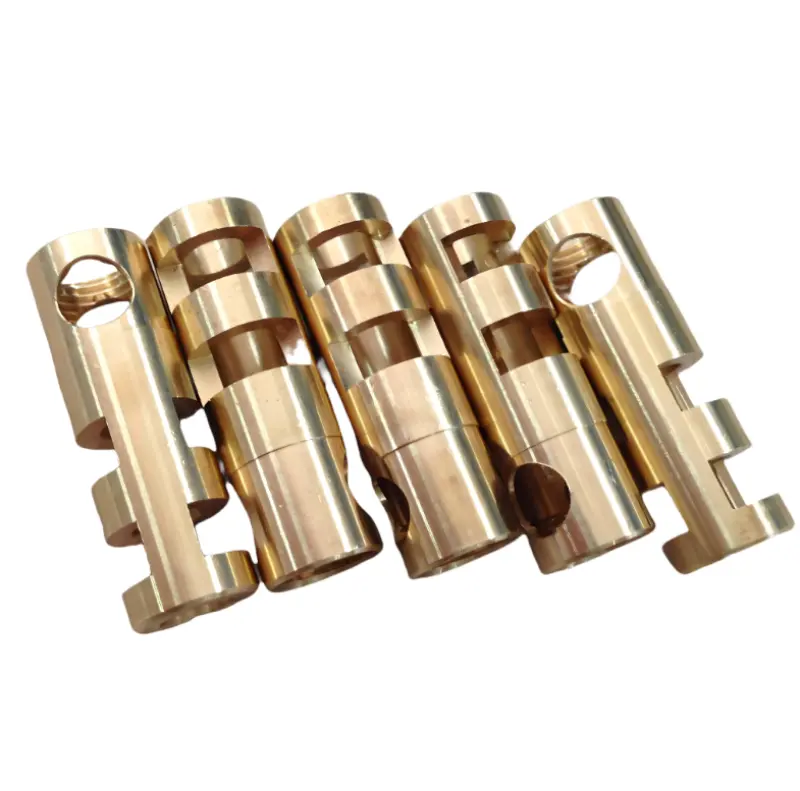
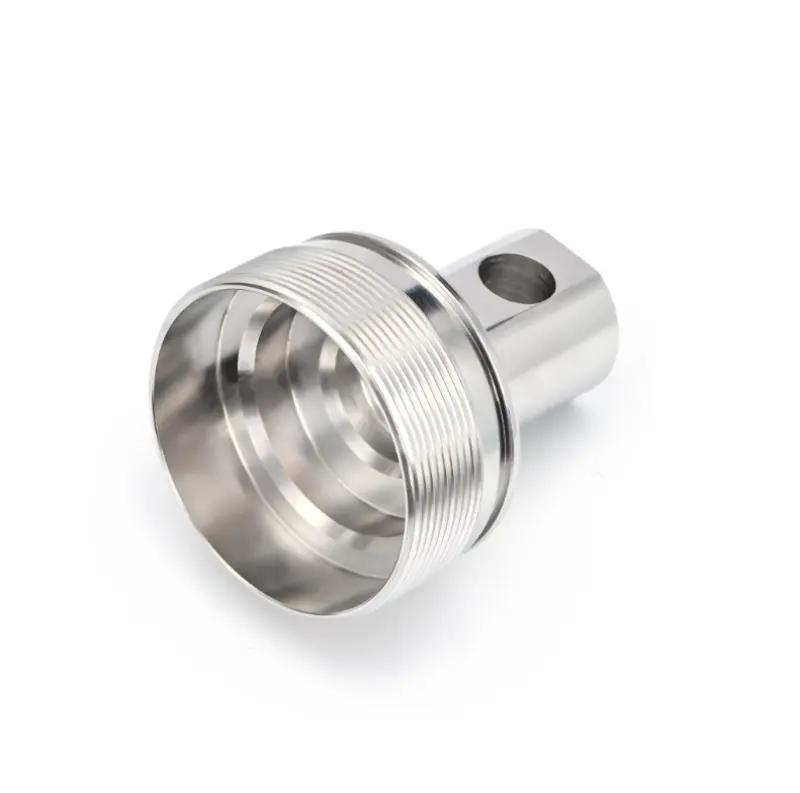
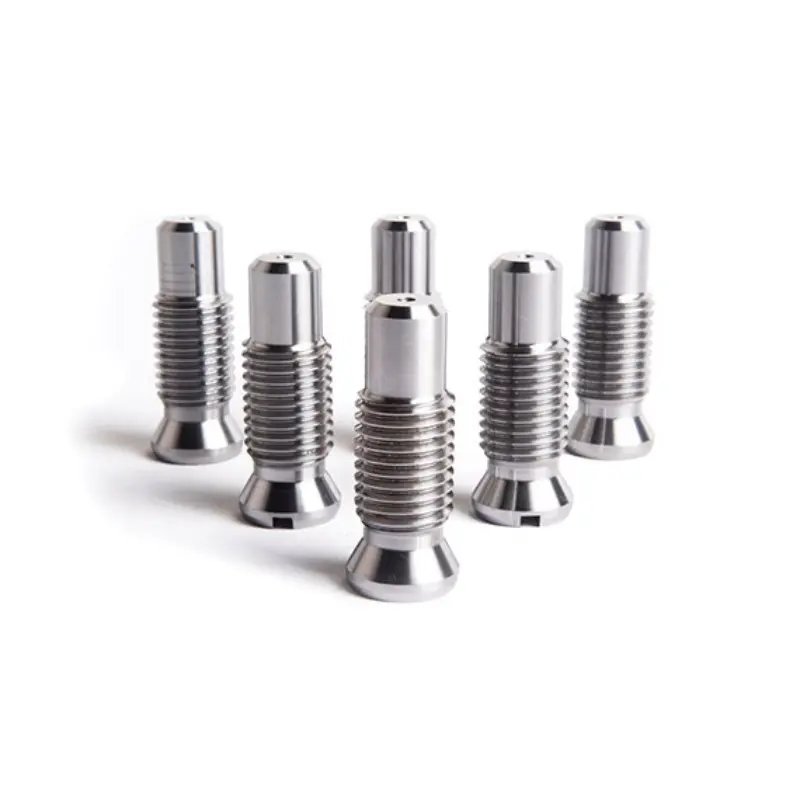
Precision machined parts, with their micrometer-level precision and the ability to process complex geometries, play a crucial role in multiple high-tech fields. The core applications of these parts are as follows:
💡
(1) Electronic and Semiconductor Equipment
🔬
Lithography machine components: The silicon wafer carrier needs a flatness of ≤ 0.1 μm/100mm, and it is processed using a precision grinding method on a granite base.
📡
5G base station filter: Cavity processing accuracy ±0.01mm, complex internal cavity structure is achieved through slow wire electrical discharge machining.
🏥
(2) Medical Devices and Biotechnology Engineering
🦾
Surgical robot joint: Made of 316L stainless steel, precisely processed, with a mating clearance of ≤ 10 μm, ensuring smooth movement.
🦴
Implantable device: The surface of the artificial joint needs to be mirror-polished (Ra ≤ 0.2 μm) to reduce tissue friction. The material is cobalt-chromium alloy.
🚗
(3) Automobile and New Energy Field
⚡
Electric drive system: The motor shaft is made of carburized steel 20CrMnTi, with gear shape accuracy reaching DIN 6 level, reducing transmission noise.
🔋
Hydrogen fuel cell bipolar plate: Flow channel depth tolerance ±0.02mm, achieved through ultra-precise stamping for micrometer-level sealing.
🚀
(4) Aerospace and Defense Industry
✈️
Aircraft engine components: Such as turbine blades and fuel nozzles need to meet geometric tolerances of ≤ 5 μm, surface roughness of Ra ≤ 0.4 μm. Complex curved surfaces are formed through five-axis CNC processing.
🎯
Missile guidance system: The inertial navigation components (such as gyroscope mounts) need to ensure micrometer-level coaxiality through precise turning. The materials are mostly titanium alloy TC4.
Frequently Asked Questions (FAQ)
❓What level of precision can your CNC machined parts achieve?
Our multi-axis CNC machining centers can achieve tolerances as tight as ±0.005mm, and in certain specialized applications, precision can reach up to 0.0025mm. Every part undergoes strict dimensional inspection to ensure compliance with high-end industry standards.
❓What materials can be used for precision CNC machining?
We support a wide range of materials including stainless steel (e.g., 316L), aluminum alloy, titanium alloy (e.g., TC4), copper, cobalt-chromium alloy, carburized steel (e.g., 20CrMnTi), and various engineering plastics. Surface treatments such as passivation and mirror polishing are also available.
❓Which industries do your precision machined parts serve?
Our parts are widely used across multiple high-tech industries, including electronics and semiconductors, medical devices and biotechnology, automotive and new energy, aerospace and defense, precision instruments, communication equipment, and industrial automation.
❓Can you machine complex geometric structures?
Yes. Using 5-axis CNC machining centers and multi-axis linkage technology, we are capable of producing highly complex geometries, including turbine blades, surgical robot joints, 5G filter cavities, and UAV structural components.
❓What surface finish standards can be achieved for medical or implantable devices?
For medical and implantable applications, we can achieve mirror-polished surfaces with a roughness of Ra ≤ 0.2 μm, which is essential for reducing tissue friction and ensuring biocompatibility in artificial joints and other implantable devices.
❓How do you ensure quality control for aerospace-grade components?
We implement a rigorous quality inspection system that includes dimensional verification, geometric tolerance checks (≤ 5 μm), and surface roughness measurement (Ra ≤ 0.4 μm). All aerospace components are processed using five-axis CNC technology and verified against strict industry specifications.
 BSF
BSF