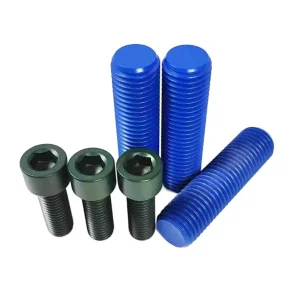
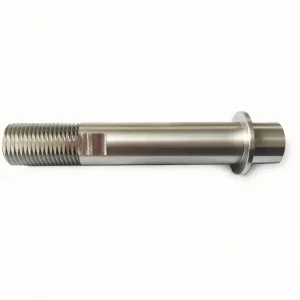
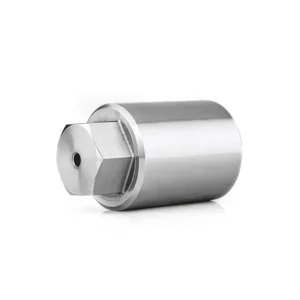
In global industrial manufacturing, thread verification is the critical line of defense ensuring assembly reliability and mechanical safety. As a leading China Nut and Bolt Thread Gauge supplier, we understand that thread dimensional accuracy is non-negotiable. Whether for deep-sea oil drilling platforms, high-speed rail systems, aerospace components, or precision electronic assemblies, the pitch, flank angle, and major/minor diameters of threaded connections must comply strictly with international standard tolerances (ISO, ASME, DIN, JIS).
An out-of-tolerance thread can lead to premature failure due to shear stress, fatigue cracking, or thread stripping. The goal of precision thread gauging is to eliminate these failure modes at the source. High-precision Go/No-Go plug and ring gauges verify that manufactured fasteners stay within the exact boundary limits of their standard designations (e.g., ISO 6H/6g, Unified 2A/2B, or 3A/3B).
Under the unified standards of global mechanical engineering, thread ring gauges inspect the maximum material limit of external threads (bolts), while plug gauges inspect internal threads (nuts). Small deviations in thread lead or half-angle errors can cause pitch diameter errors, preventing secure installations. Chinese factories now employ sub-micron coordinate measuring machines (CMMs) and laser scanners to certify gauge calibration before shipment, guaranteeing complete metrological traceability.
Decades of supply chain localization have made Chinese factories the premier source for thread metrology tools and precision components. Our factories in industrial zones like Shanghai utilize premium tool steel (GCr15/AISI 52100) or carbide materials, processed through strict heat treatment (stabilized at HRC 60-64) and sub-zero cryogenic aging. This level of material conditioning prevents dimensional drift over years of factory floor usage, maintaining standard parameters despite high-frequency rubbing.
By consolidating heat treatment, multi-axis thread grinding, and ISO 17025 accredited calibration labs in a single manufacturing cluster, China-based thread gauge suppliers offer significant lead-time and cost advantages. This ecosystem allows engineers to access custom thread gauges (such as multi-start threads, buttress threads, or specialized API oil country threads) at production speeds unmatched in the West.
Procuring from a China Nut and Bolt Thread Gauge supplier requires verifying their metrological capability. A qualified supplier must provide clear documentation of thread parameter evaluation, including:

We have formulated the most stringent sampling inspection system, striving for zero defects in our metrological output.

Our group holds more than 100 utility model patents and 8 invention patents, keeping our thread engineering at the industry forefront.

Over 100,000 product models in stock, featuring 500 tons of special raw materials and 10,000 tons of finished stainless steel standard parts.
Beiersdorf Industrial Technology (Shanghai) Co., Ltd. was established in 2015 and is located in Shanghai, China. We are an enterprise mainly engaged in the business of special fasteners, ultra-high precision components, and high-standard thread gauges.
Through our dedication to industrial quality, we serve critical sectors worldwide by supplying fasteners and gauges that operate under extreme mechanical conditions, extreme temperatures, and ultra-high tensile strain.
 “Product quality is the foundation for an enterprise's survival.”
 “Heart to sunshine, everything to prosperity”
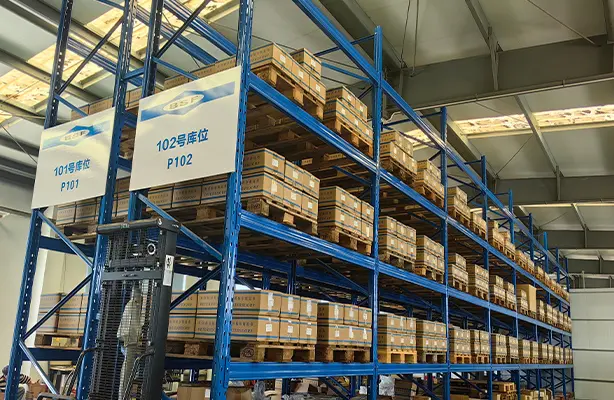

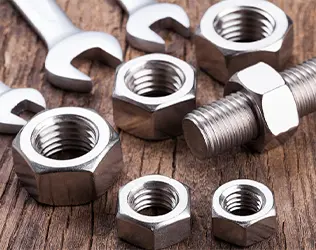


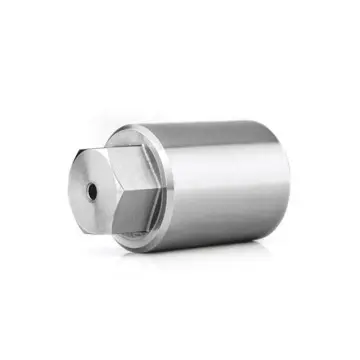
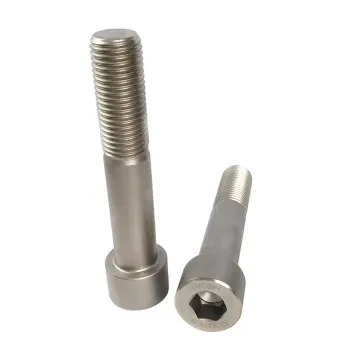
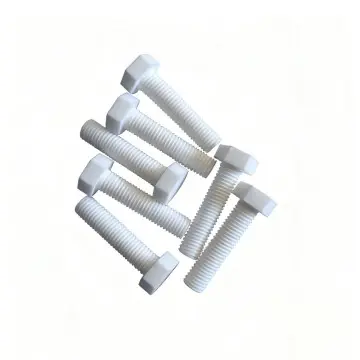
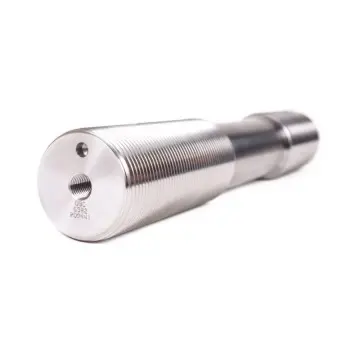
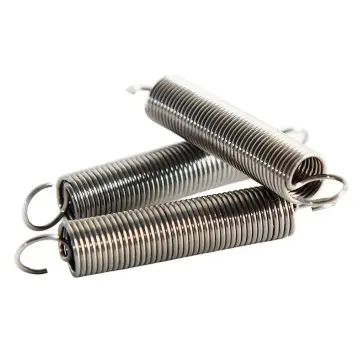
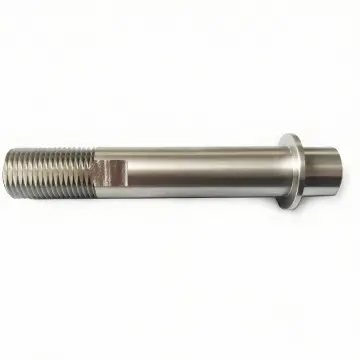
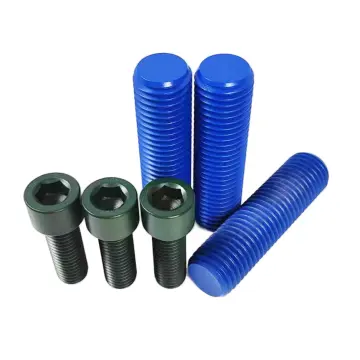
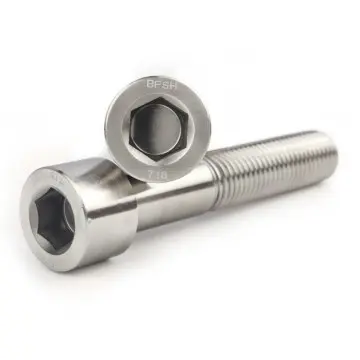
Our special fasteners are widely used in the field of shipbuilding and oceanography engineering, specifically in the manufacture of special ships, marine propulsion, marine accessories, yacht manufacturing, offshore oil drilling platforms, submarine pipelines, offshore wind power, underwater lifeboats, port machinery, dock construction, etc.
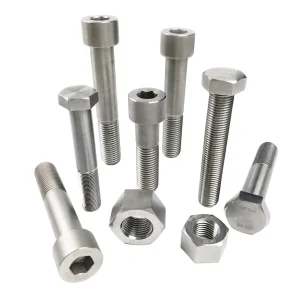
These special fasteners mainly include A4-80, A5-80, D8-80, D6-70, 2205, L7, 40CrNiMoA, 718, EN14399 steel structure connection pair, classification society certificate fasteners, etc. Quality verification utilizes precision thread ring and plug gauges to ensure reliable engagement under massive seawater pressure.

High-vibration contexts in rail corridors and power plants require fasteners verified by precise thread plug gauges to guarantee self-locking performance and pitch uniformity.
Non-magnetic and extreme-temperature alloy bolts (operating from -270℃ to 1200℃) require precise checking with customized gauges to prevent galling or thermal seizing.
Beiersdorf is not only a supplier of special fasteners and thread gauges, but also provides comprehensive technical consultations and engineering guidance, including product and raw material selection, installation guidance, and thread maintenance.
Need a consultation? Contact our engineering team 24/7.
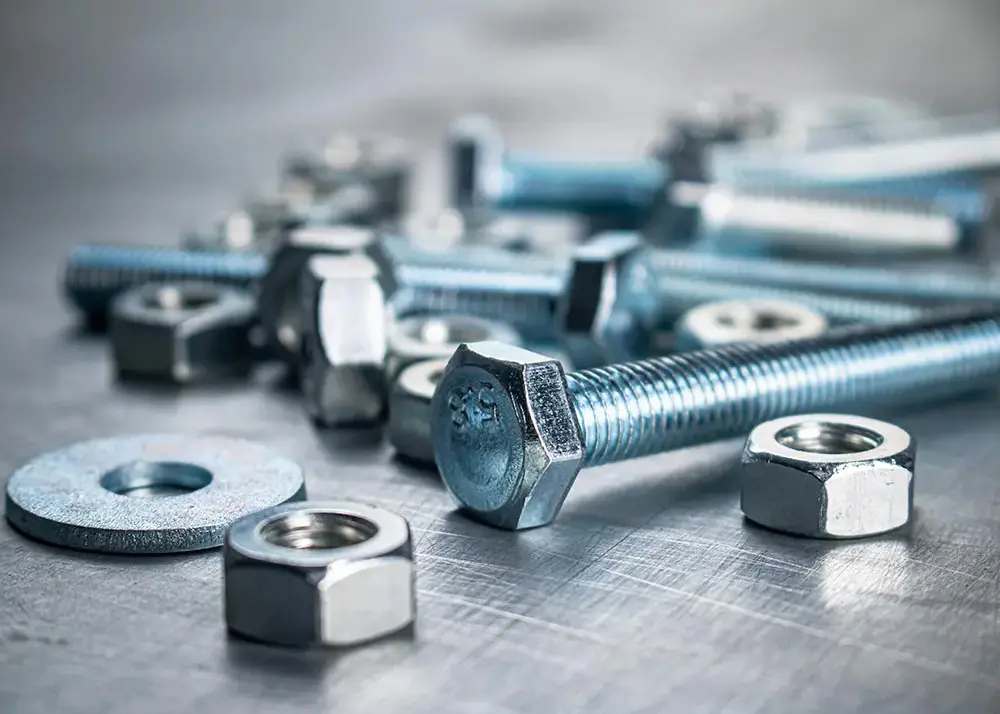
In the heart of the global industrial landscape, the fastener industry stands as a silent but crucial cog driving the machinery of progress. As we step into 2025, the future of fasteners is poised to undergo significant changes...
View More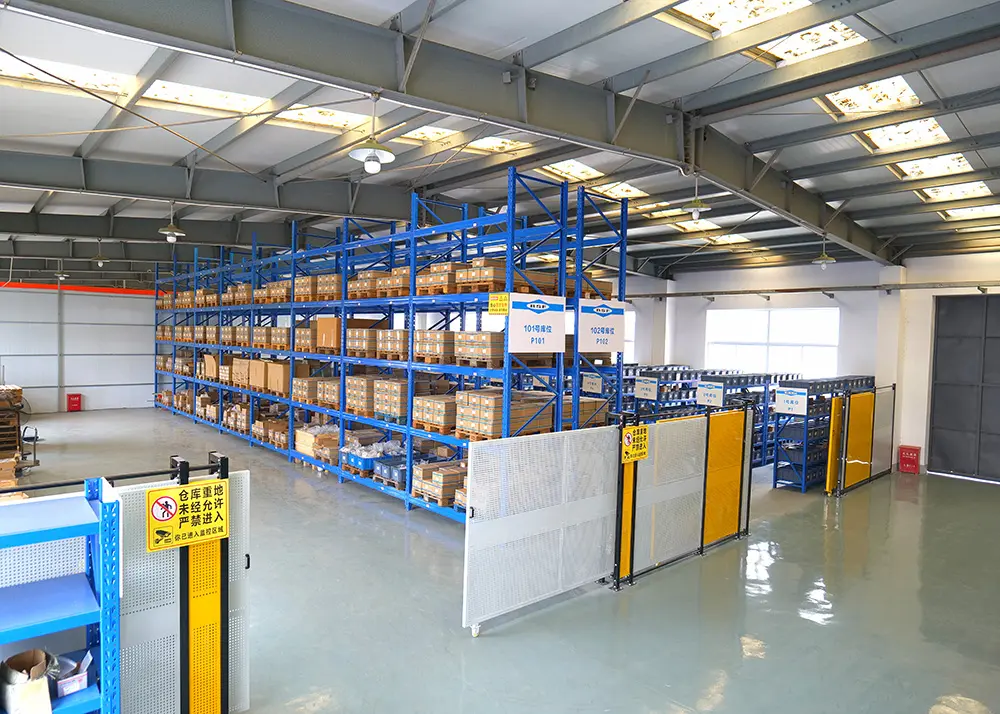
Beiersdorf, a leading global fasteners supply company, has announced the commencement of a comprehensive warehouse renovation project. This initiative is part of the company's ongoing commitment to optimizing...
View More
Beiersdorf (Shanghai) was founded in 2015. We are a company with a global perspective dedicated to providing professional fastener solutions. Fasteners, as basic mechanical parts, require precise gauging and validation...
View More

 BSF
BSF