Application
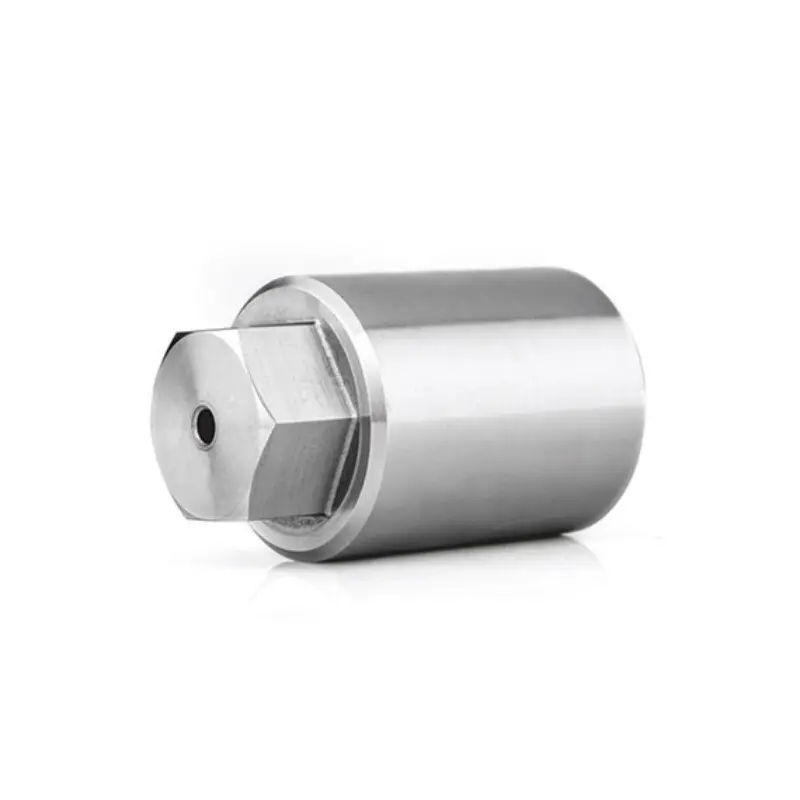
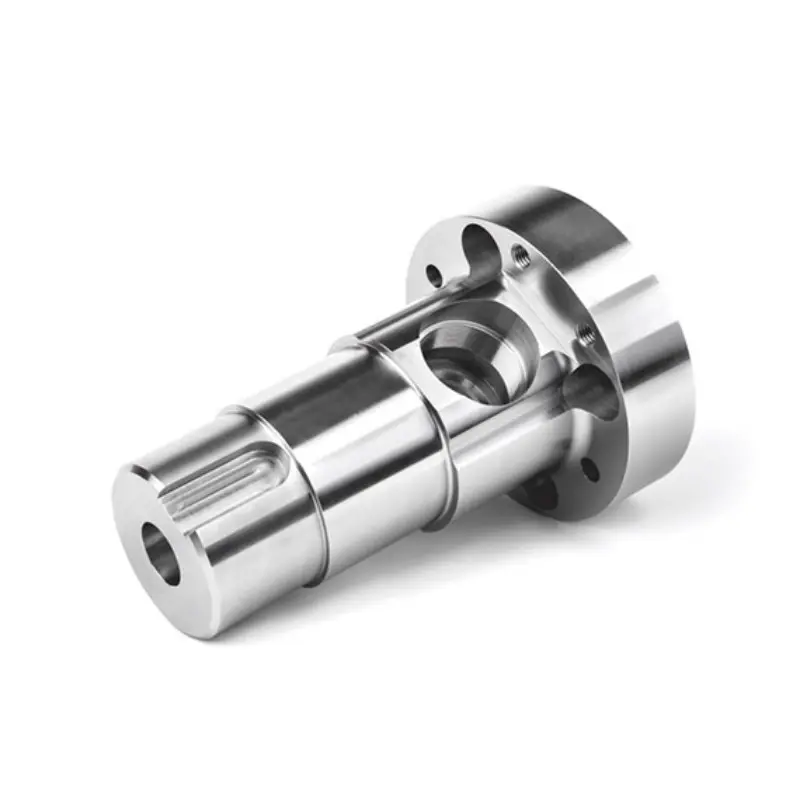
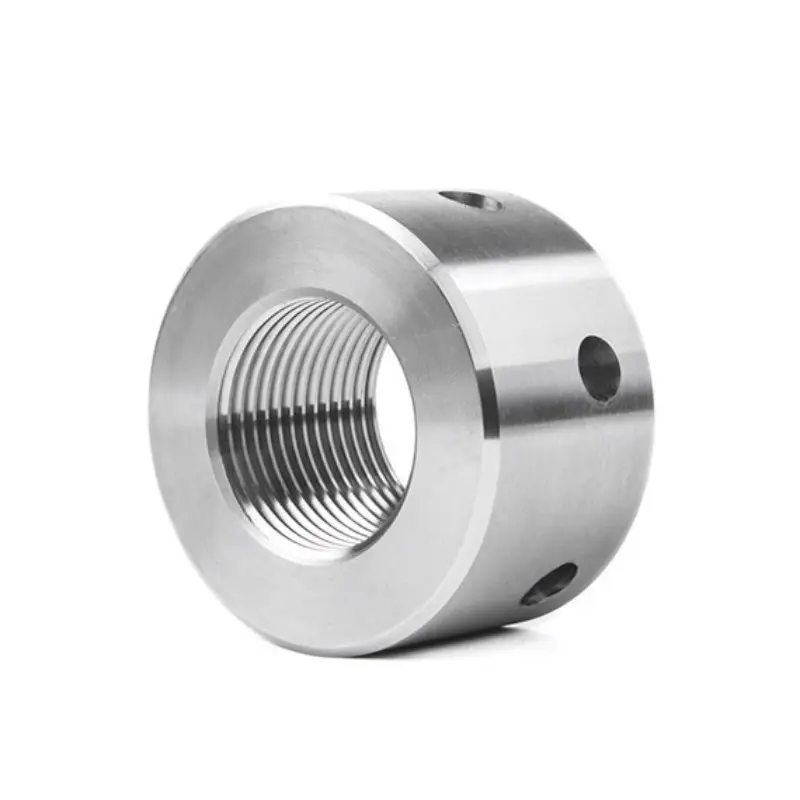
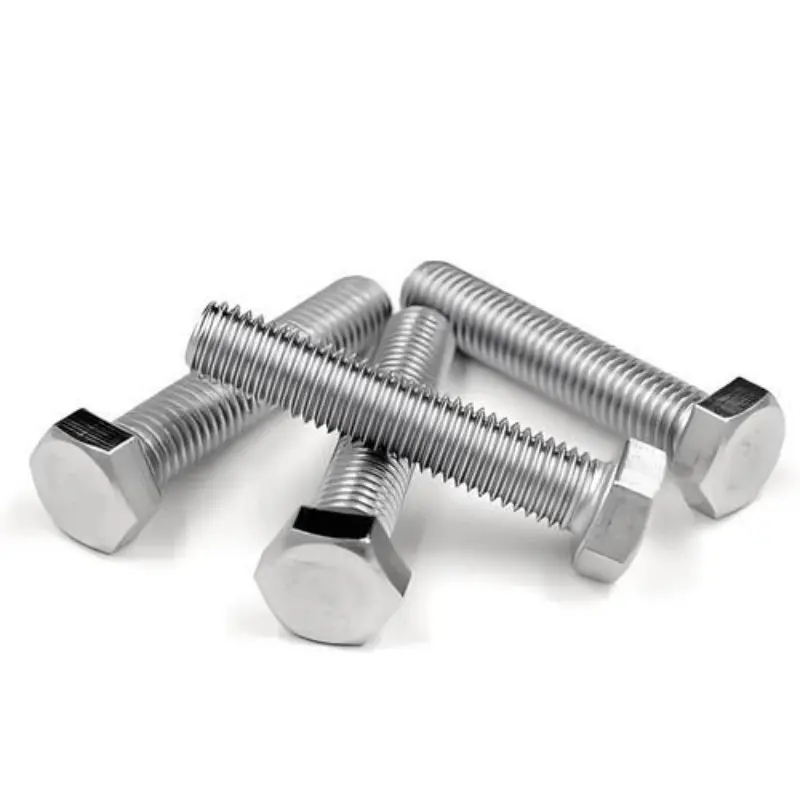
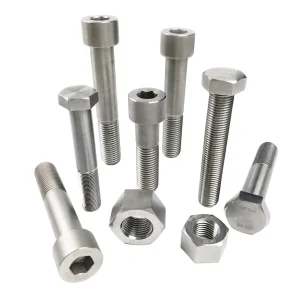
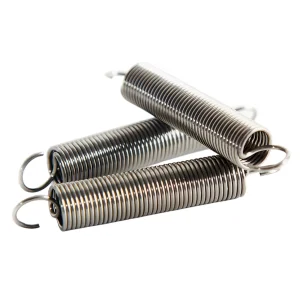
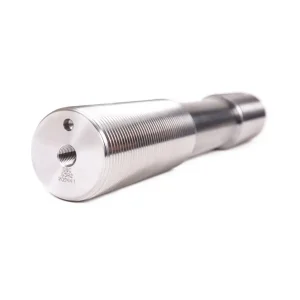
Non-magnetic fasteners, due to their unique anti-magnetic interference properties, play an irreplaceable role in precision instruments, medical equipment, aerospace and other fields.
🏥
MRI Equipment
Used for fixation of the magnetic resonance imaging system to prevent ferromagnetic materials from interfering with the uniformity of the magnetic field and to ensure imaging accuracy.
🛰️
Navigation System
Components of satellites and aircraft should be made of non-magnetic materials (such as beryllium-cobalt copper C17500) to avoid interfering with gyroscopes and magnetometers.
📡
Radar Equipment
High-frequency signal transmission components need to be connected through non-magnetic connectors to reduce signal distortion.
🔬
Precision Instruments
High-precision electronic measuring equipment (such as spectrometers) uses non-magnetic connectors to prevent signal drift.
⚛️
Quantum Laboratory
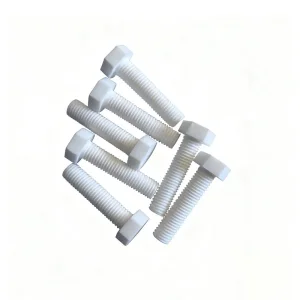
Superconducting quantum bits are extremely sensitive to magnetic fields. Non-magnetic fasteners (such as PEEK material) are essential components.
💨
Wind Power Equipment
Amorphous alloy bolts are used for the transformer core to reduce eddy current losses.
Frequently Asked Questions (FAQ)
Q
What are non-magnetic fasteners and why are they important?
Non-magnetic fasteners are hardware components made from materials that do not respond to magnetic fields, such as titanium alloys or austenitic stainless steel. They are critical in environments where magnetic interference could compromise equipment performance, such as MRI machines, navigation systems, and quantum laboratories.
Q
What materials are commonly used to make non-magnetic fasteners?
Common materials include titanium alloys, austenitic stainless steels (such as 304, 316, 302HQ, A286, OCr21Ni6Mn9N), PEEK polymer, and beryllium-cobalt copper (C17500). Each material is selected based on the specific application requirements, including strength, corrosion resistance, and temperature tolerance.
Q
Why might stainless steel fasteners become slightly magnetic after processing?
During cold heading or other mechanical forming processes, processing stress can alter the microstructure of austenitic stainless steel, causing a slight increase in magnetic permeability. This is a processing-induced phenomenon and not a defect in the base material. The fasteners still meet non-magnetic performance requirements for most applications.
Q
What is the difference between titanium alloy and austenitic stainless steel fasteners?
Titanium alloy fasteners offer lower density, higher strength-to-weight ratio, and superior corrosion resistance in seawater and chemical environments, with performance maintained up to 500℃. Austenitic stainless steel fasteners (e.g., 304, 316) offer excellent cold working properties and enhanced corrosion resistance through alloying elements like Mo and Cu, making them more cost-effective for general non-magnetic applications.
Q
How can I verify the authenticity of non-magnetic stainless steel fasteners?
Authenticity should be verified through official material certifications (mill test reports), third-party laboratory testing, and craftsmanship assessment. Be cautious of products marketed as "non-magnetic and non-nickel" stainless steel, as low-nickel or nickel-free stainless steels are typically ferritic and may be magnetic, which defeats the purpose of non-magnetic fasteners.
Q
What grades are available in your non-magnetic stainless steel fastener series?
Our non-magnetic series includes A286, 1.498, Gr.660, OCr21Ni6Mn9N, OCr16Ni22Mn9Mo2, and 1.4436. These grades cover a wide range of industrial and high-precision applications, providing excellent non-magnetic performance combined with strong mechanical and corrosion-resistant properties.
 BSF
BSF