 BSF
BSF
Technical Whitepaper: Precision Engineering in Stainless Steel Self-Tapping Fastening Systems
1. Technical Paradigm Shift
In the contemporary industrial and manufacturing ecosystem, the reliance on advanced fastening solutions has shifted from standardized components to customized, high-precision products. The integration of Custom Self-Tapping Screws Stainless Steel is central to key operations in aerospace, marine infrastructure, electronic assembly, and energy sectors. Unlike typical threaded fasteners, self-tapping screws cut or shape their own mating threads within substrates, requiring meticulous metallurgical balance. They must combine tip hardness with thread pliability and body shear strength.
Material choices have advanced beyond standard A2 and A4 designations. Specifying engineers now focus on specialized austenitic steels, martensitic variants, and duplex stainless grades (such as Duplex 2205) to balance mechanical strength with localized corrosion protection. Using high-integrity stainless steel prevents thread galling and stress corrosion cracking (SCC), two common failure modes in harsh assembly environments.
2. Global Sourcing & Procurement Risks
Procuring high-performance fasteners globally involves managing technical, logistics, and compliance risks. Global buyers prioritize reliability, chemical trace validation, and dimensional consistency. Fluctuations in raw nickel and chromium prices mean stable component pricing depends on supplier raw material reserves. Fastener integrity directly impacts the structural life of offshore structures and electronic housings. Consequently, manufacturers must provide complete material traceability, including EN 10204 3.1 Certification, to verify mechanical and chemical compliance.
Additionally, the growth of smart assembly lines makes mechanical consistency critical. Variations in thread form, tip geometry, or drive recess depth can cause automated drive tools to fault. This increases scrap rates and shuts down assembly lines. Suppliers must implement strict statistical process control (SPC) and automated optical sort systems to target zero-defect shipments.
3. Industry 4.0 & Supply Chain Resilience
China's manufacturing sector has transitioned from high-volume production to precision, high-tech manufacturing under Industry 4.0. In our Shanghai facilities, this transition is visible in our smart manufacturing systems. We combine high-speed multi-stage cold headers with real-time process monitoring. Our cold-forming lines shape the raw wire with precise control over grain boundaries. This maintains material integrity and increases fatigue resistance compared to machined parts.
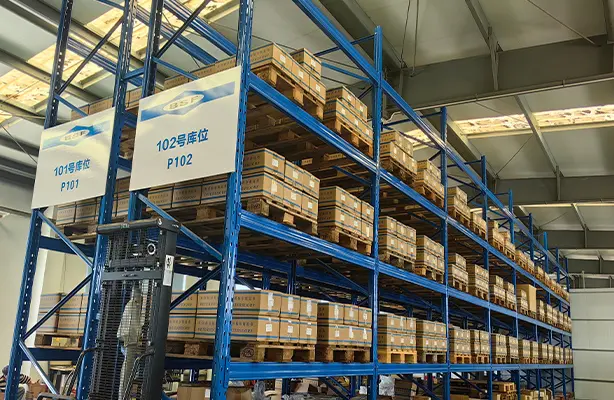
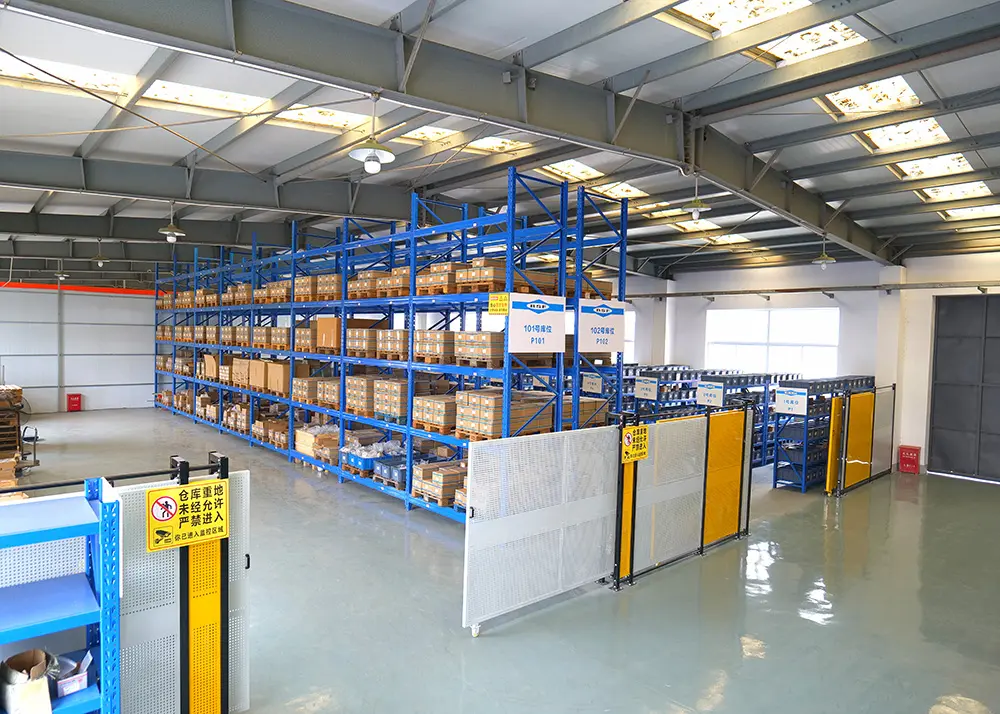
Our digital warehouse management tracks our inventory of specialized materials, ensuring stable supply chains despite global logistics volatility. We maintain raw material reserves, including high-grade spring wires and specialty titanium alloys, alongside finished components. This integrated strategy reduces lead times and secures price stability for high-volume custom production runs.
Advanced Metallurgy & Performance Mechanics
Optimizing stainless self-tapping screws requires balancing thread-forming capability with corrosion resistance. The addition of alloying elements like Molybdenum (Mo) in Grade 316 steels improves resistance to chloride pitting, making these screws suitable for marine and chemical plants. However, the work-hardening characteristics of austenitic stainless steel present challenge during cold forging. The head geometry, recess depth, and tip angle must be calculated to prevent structural collapse under drive torque.
To address this, we use high-end thread rolling dies and controlled lubricants to minimize micro-cracks in the thread root. Thread rolling compresses the material rather than cutting it, producing a smooth grain flow that strengthens the thread's mechanical shear resistance. Our testing includes torque-tension curves, micro-hardness profiling, and salt spray testing (under ASTM B117 standards) to confirm performance before shipping.
Custom Design Engineering & Application Dynamics
Every application has unique fastening demands. For plastic housings in consumer electronics, our custom screws feature profile configurations that reduce radial stress, preventing boss splitting. For heavy metal joints in automotive or maritime systems, we optimize the tip design—whether using cutting slots (Type F) or forming points (Type AB)—to match the substrate material and thickness. This lowers driving torque while maximizing pull-out resistance.
We also apply custom surface coatings and treatments. Wax coatings lower friction during high-speed installation, while passivation removes free iron from the screw surface to prevent discoloration and rusting. These engineering details ensure our fasteners install reliably and perform over long service lives.
 “Product quality is the foundation for an enterprise's survival.”
 “Heart to sunshine, everything to prosperity”