In modern manufacturing, assembly speed, mechanical strength, and corrosion prevention dictate the success of complex production lines. Black self tapping screws represent a critical sub-segment within global industrial fasteners. Historically valued for simple wood or sheet metal fastening, today's components are engineered for advanced automation, lightweight automotive structures, and consumer electronics casings. The international demand for these specialized fasteners has grown due to the exponential expansion of electric vehicles (EVs), renewable energy infrastructure, high-density computing servers, and advanced telecommunication arrays.
Customization has transitioned from an optional service to an absolute design necessity. Standard carbon steel fasteners frequently fail when exposed to the high galvanic potentials of carbon fiber reinforced polymers (CFRP) or the severe atmospheric corrosiveness of marine environments. As global exporters, we witness a surging demand for multi-layer black surface coatings (such as black zinc flakes, organic electrocoats, and chemical blackening) paired with custom alloy formulations. Standardized components cannot meet the tight tolerances demanded by robotic pick-and-place end-effectors, necessitating highly structured manufacturing approaches that combine precision cold-forming, heat treatment optimization, and strict QA protocols.
Utilizing high-tensile carbon steel, premium stainless steel grades (A2/A4), titanium, and non-magnetic copper alloys to design screws tailored for extreme load-bearing configurations.
Strict controls over drive recess dimensions (Torx, Hex lobular, and custom tamper-proof styles) prevent thread stripping and automated driver slippage.
Engineering specialized finishes that withstand 240 to 1000+ hours of continuous neutral salt spray exposure (ASTM B117) without showing red rust.
The choice of black coating affects more than just visual aesthetics; it determines torque-tension behavior, electrical isolation, hydrogen embrittlement risks, and environmental durability. When designing a custom black self tapping screw, engineers must choose the chemical coating path that aligns with their application requirements:
Furthermore, controlling the coefficient of friction (typically targeted between 0.10 and 0.18) is essential for automated tightening. By incorporating torque-modifying lubricants directly into the black topcoats, we ensure consistent clamping forces under high-speed manufacturing conditions, eliminating joint relaxation and thread stripping.
Active Product Models
Utility Model Patents
Stainless Steel Stock
Invention Patents
Established in 2015 in Shanghai, China, Beiersdorf Industrial Technology (Shanghai) Co., Ltd. is a leading manufacturer and exporter of custom fasteners and ultra-high-precision components. Driven by our core philosophy, "Product quality is the foundation for an enterprise's survival," we blend advanced material science with strict testing protocols.
 "Product quality is the foundation for an enterprise's survival."
 "Heart to sunshine, everything to prosperity"

To manufacture custom black self tapping screws that perform reliably under mechanical stress, we combine modern manufacturing infrastructure with rigorous quality assurance processes. We operate across three core strengths that define our industrial footprint:
We implement strict sampling and 100% optical sorting systems. By utilizing automated camera inspection tables, we analyze fastener dimensions, thread pitches, and drive depths to achieve a goal of zero defects before shipping.

Innovation drives our operations. Our group has secured over 100 utility model patents and eight invention patents, focusing on specialized thread profiles, anti-loosening designs, and high-performance material coatings.

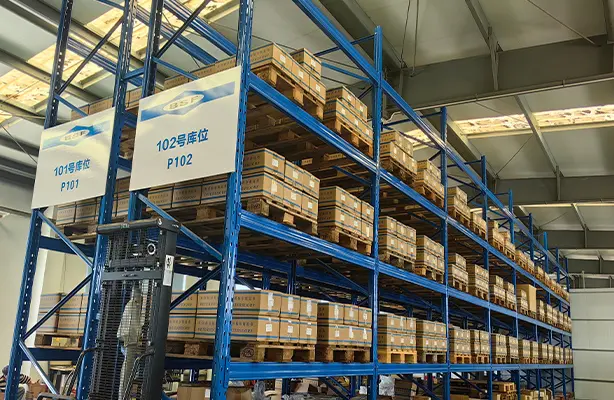
We manage nearly 100,000 product models. Supported by 500 tons of raw materials and 10,000 tons of finished stainless steel standard parts, we ensure stable lead times and continuous supply chains.

In addition to our custom black self tapping screws, Beiersdorf produces specialized high-performance hardware designed for severe industrial environments:
 -270℃ Low-temperature Fastener
 Titanium Alloy Fasteners
 Cobalt Alloy Fasteners
Nickel Alloy Fasteners
Best Seller Fasteners
1900 MPa Tensile Strength Fasteners
1200℃ High-temperature Fasteners
Cobalt Alloy Fasteners
Nickel Alloy Fasteners
Best Seller Fasteners
1900 MPa Tensile Strength Fasteners
1200℃ High-temperature Fasteners
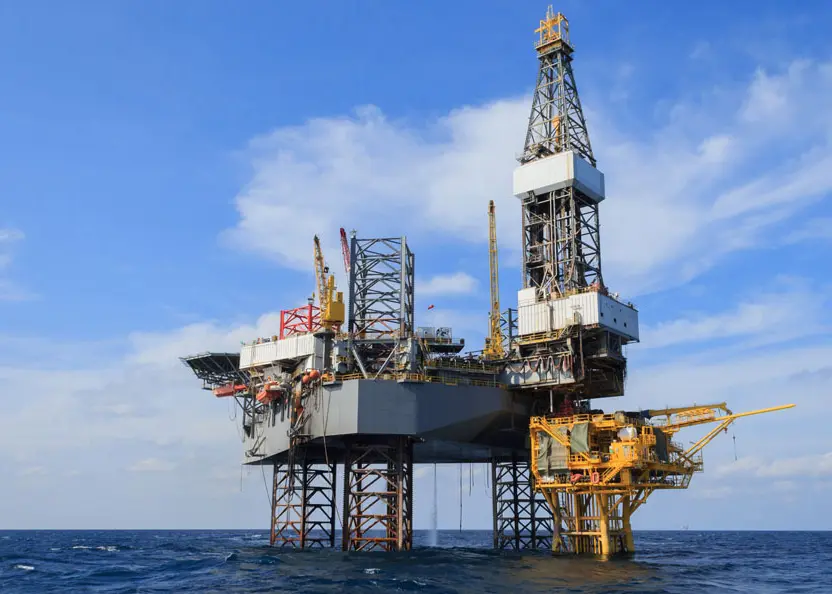
Our specialized fasteners are utilized across marine sectors, including specialized vessel construction, offshore drilling rigs, subsea pipelines, marine propulsion modules, and harbor infrastructure. Engineered using corrosion-resistant alloys like A4-80, A5-80, D8-80, Duplex 2205, Inconel 718, and classification-certified steel grades.
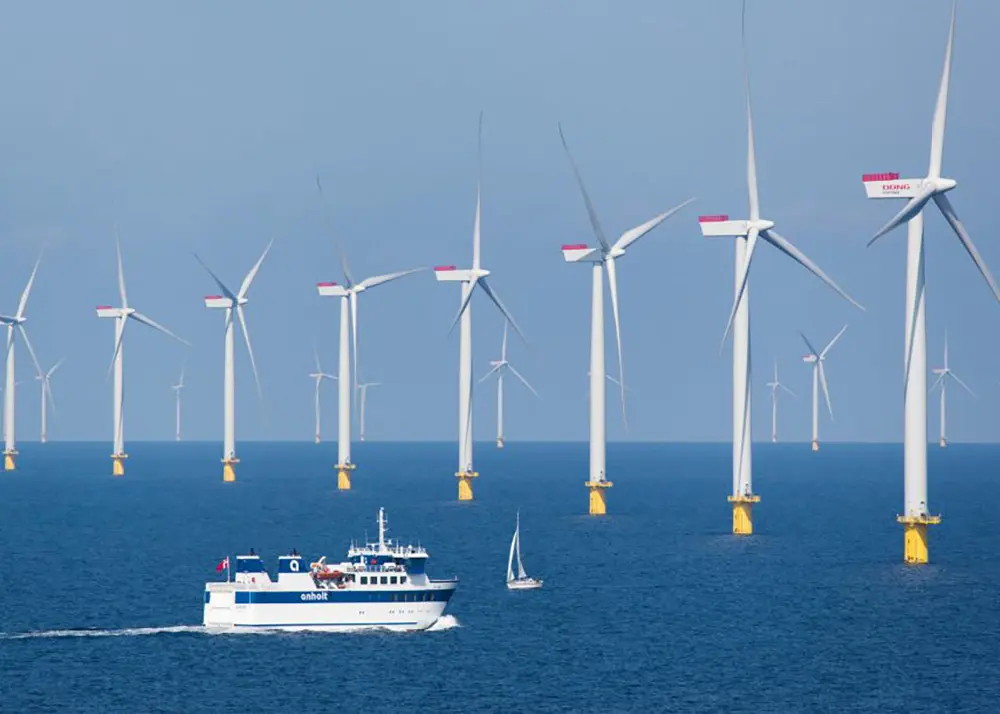
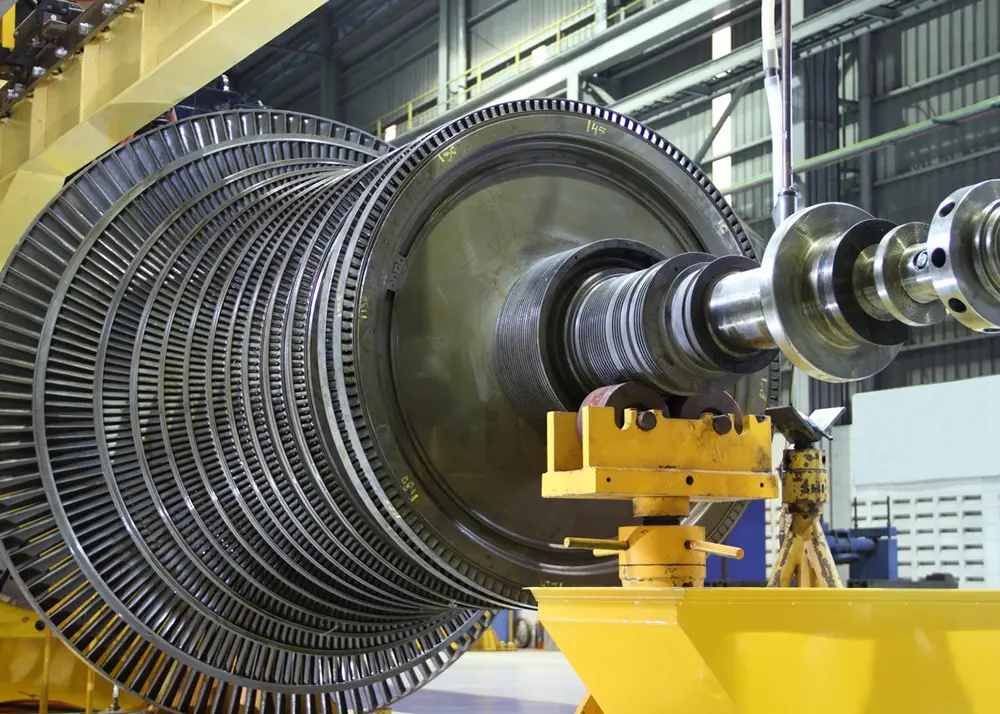
Designed to withstand extreme thermodynamic environments in nuclear containment vessels, high-efficiency gas turbines, solar tracking systems, and offshore wind turbines, our high-temperature and structural fasteners ensure long-term mechanical stability.
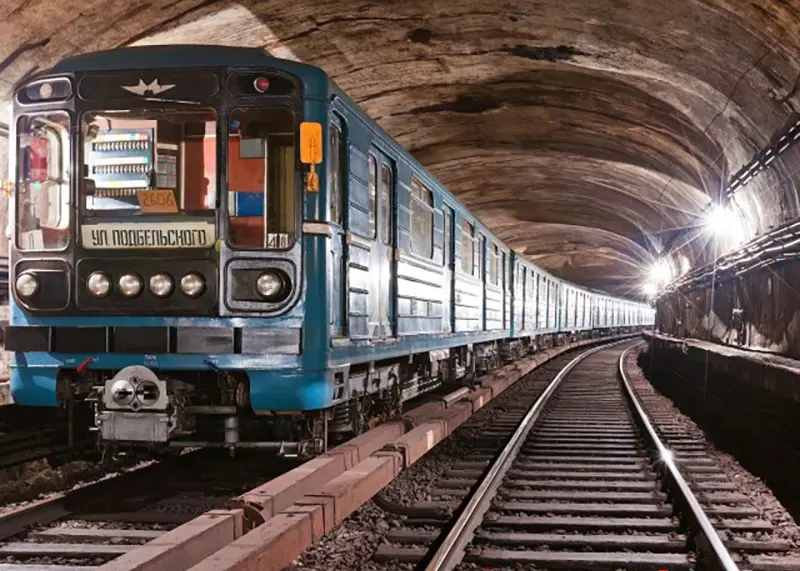
Vibration-resistant fasteners engineered for structural integrity in high-speed rail systems, bogie sub-assemblies, track control units, and overhead electrification grids. These components prevent fatigue failures under cyclical dynamic loading.

High-precision micro-screws featuring customized drive geometries and non-magnetic materials, tailored for computing server racks, aerospace avionics bays, medical equipment, and mobile devices.
In refining and petrochemical facilities, fasteners must resist aggressive corrosion. Our line of high-strength, acid-resistant, and low-temperature bolts provides critical joint security in high-pressure valves, cracking towers, and low-temperature storage tanks.
Industrial fasteners are undergoing significant design advancements. The classic self tapping thread (Type AB or Type B) is evolving into specialized trilobular thread-rolling geometries (such as Taptite designs). These geometries roll-form a matching internal nut thread in ductile metals rather than cutting away material. This process eliminates waste chips that can contaminate sensitive electronics, while the cold-work hardening of the mated threads improves shear resistance.
Additionally, the transition to lightweight materials like aluminum-silicon alloys, magnesium, and carbon fiber in structural design presents new fastening challenges. Standard steel screws can cause galvanic corrosion when in contact with lightweight alloys. To address this, our materials engineering department is developing hybrid fastening systems. These include low-torque thread-forming geometries coupled with non-conductive black organic coatings, ensuring structural joint stability while maintaining electrical isolation between dissimilar materials.
Looking ahead, smart manufacturing is driving the integration of physical fasteners with digital logistics systems. We are focusing on improving batch-level traceability by using laser-etched high-density matrix codes directly on fastener heads. This allows automated assembly systems to log the exact manufacturing heat number, torque-tension profile, and coating batch for critical joints.
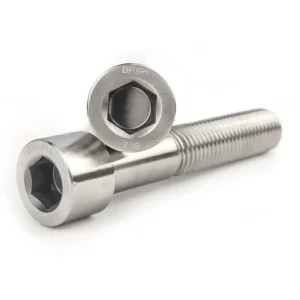
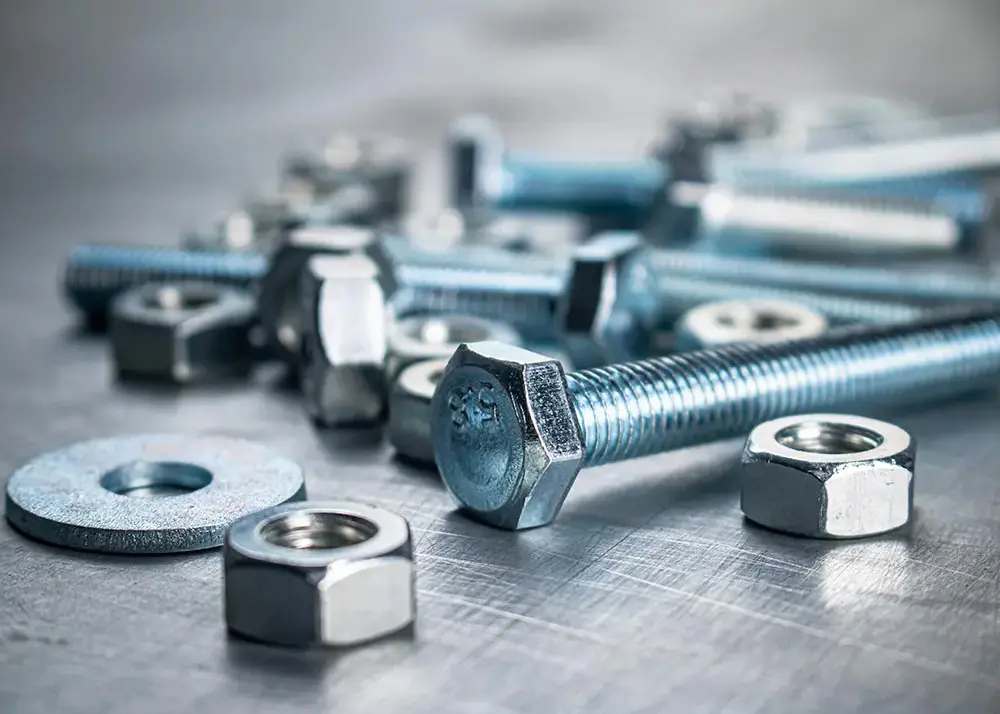
Exploring how environmental regulations, design standardization, and lightweighting materials are transforming the global industrial fastener market...
Read Article →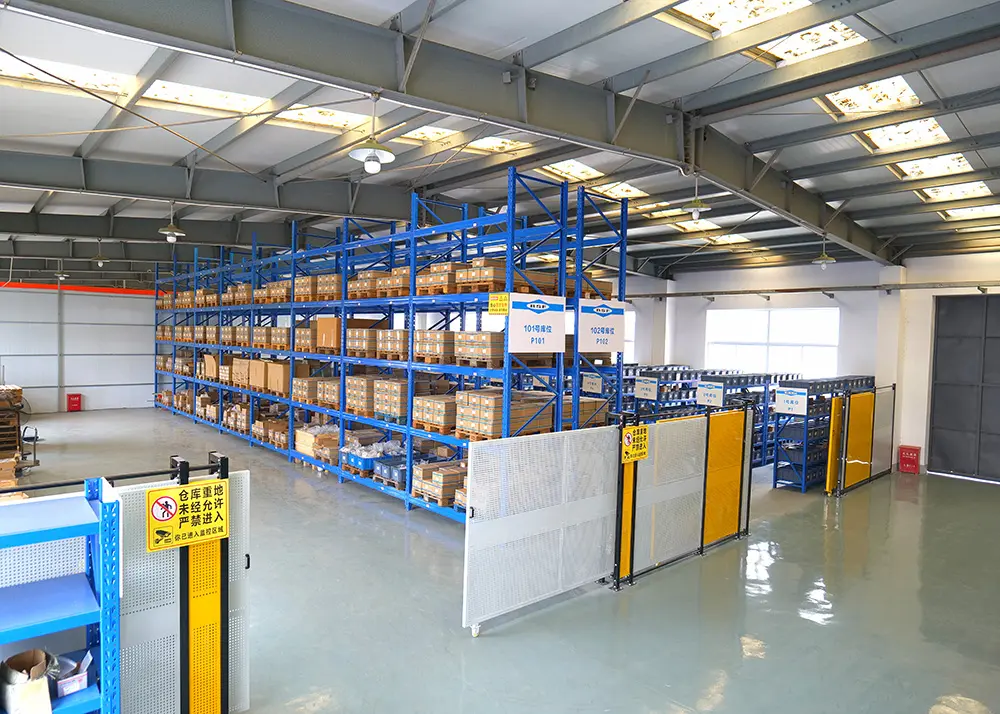
We have initiated a comprehensive warehouse optimization project to integrate automated storage, digital inventory tracking, and swift logistics handling...
Read Article →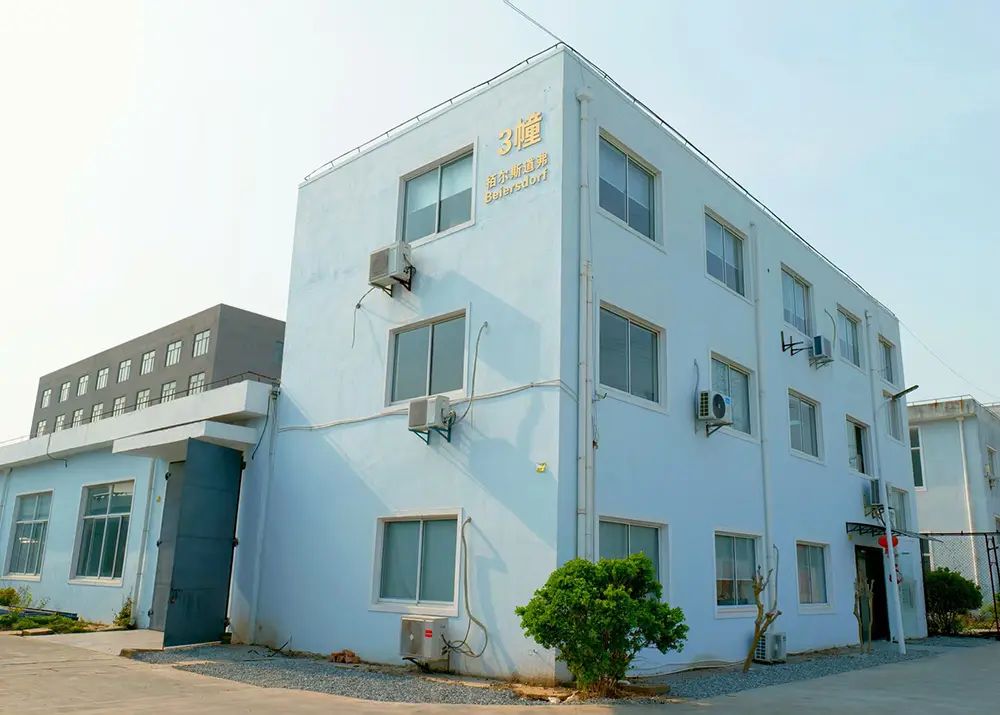
Reflecting on Beiersdorf’s journey since 2015 in Shanghai, expanding from local fabrication to a globally recognized supplier of precision fasteners...
Read Article →Beiersdorf provides professional engineering and technical consulting services, assisting from material selection and load calculation to post-installation maintenance.
We export precision-engineered fasteners to manufacturers and distributors worldwide, supporting supply chains across North America, Europe, the Asia-Pacific region, and emerging industrial markets.

 BSF
BSF