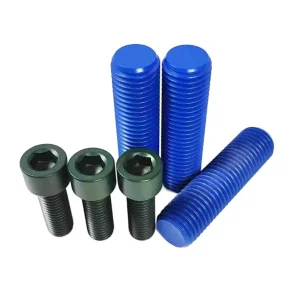
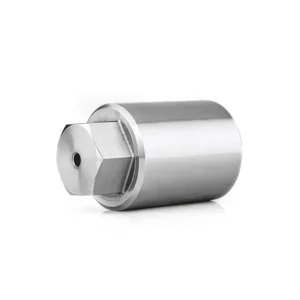
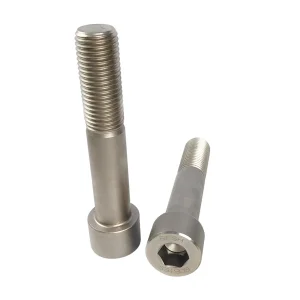
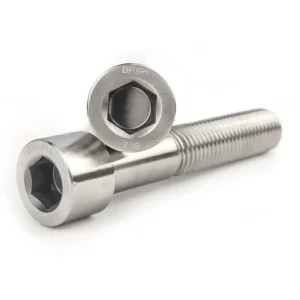
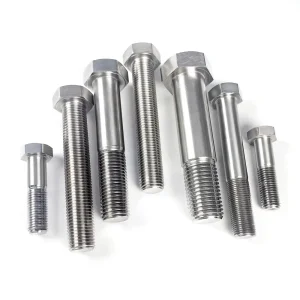
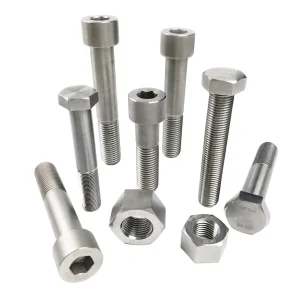
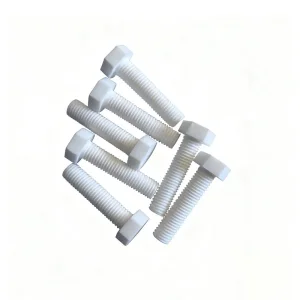
In the global industrial sector, mechanical fastening represents the structural baseline of structural integrity. Beiersdorf Industrial Technology (Shanghai) Co., Ltd. presents this comprehensive metallurgical and design analysis of modern Furniture Bolts, Joint Connectors, and High-Performance Barrel Nuts, outlining global supply chains, mechanical benchmarks, and design optimization protocols.
The global commercial furniture market has moved significantly toward modular, flat-pack, and Ready-to-Assemble (RTA) designs. This structural evolution demands structural components that deliver high mechanical strength, resistance to cyclic loading fatigue, and repeated assembly capabilities. Furniture bolts and barrel nuts, often called cross-dowel connectors, are the industry standard for joining wood-based panels, solid timber, and composite engineering components.
Whether in multi-tenant commercial offices, residential cabinetry, or industrial staging setups, joint stability determines the lifespan and safety of the final product. Historically, simple wood screws were sufficient; however, modern engineering demands high-performance joint systems. By distributing tension loads over a larger surface area within pre-bored channels, barrel nuts prevent structural pull-out—a common failure point in engineered substrates such as medium-density fiberboard (MDF) and particle board.
Based in Shanghai, China, Beiersdorf Industrial Technology leverages one of the world's most integrated industrial supply networks. The efficiency of Chinese manufacturing extends beyond sheer volume. It represents a combination of raw material availability, precision metallurgical engineering, and advanced cold-heading automation.
By utilizing multi-station cold-forming machinery, we produce complex configurations of joint connectors with high dimensional consistency. This cold-working process aligns the grain structure of the steel with the contour of the bolt thread, enhancing tensile strength and surface finish. Combined with our digital inventory management—housing over 10,000 tons of finished standard parts and 500 tons of special raw materials—we ensure consistent lead times and capacity for large global supply orders.
While standard commercial furniture utilizes zinc-plated carbon steel fasteners, Beiersdorf specializes in custom components engineered for demanding conditions. Our technical capabilities extend to extreme-environment applications, including non-magnetic fasteners, marine-grade structures, petrochemical machinery, and systems operating under extreme temperatures (-270°C to 1200°C).
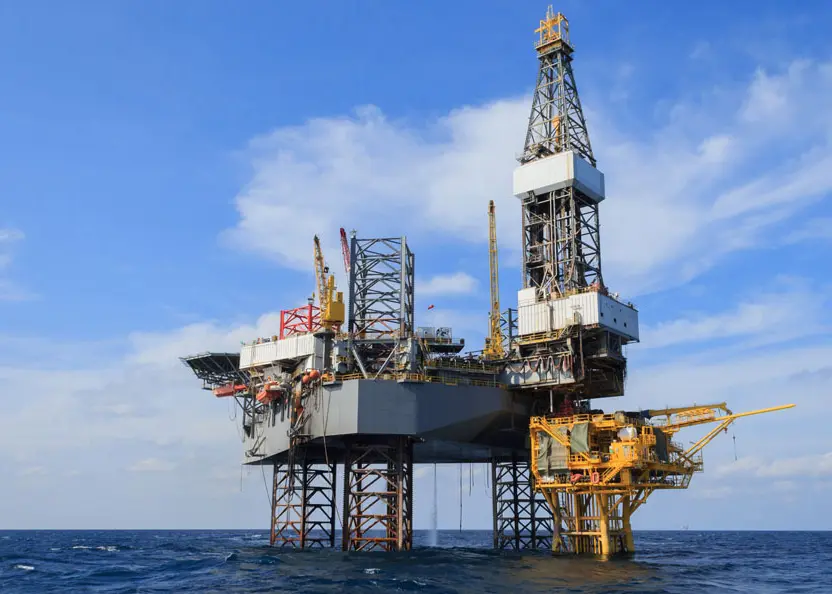
Specialty structural fasteners engineered for yacht construction, outdoor marine cabinetry, and coastal installations. Utilizes A4-80, Duplex 2205, and titanium alloys to withstand high-salinity exposure.
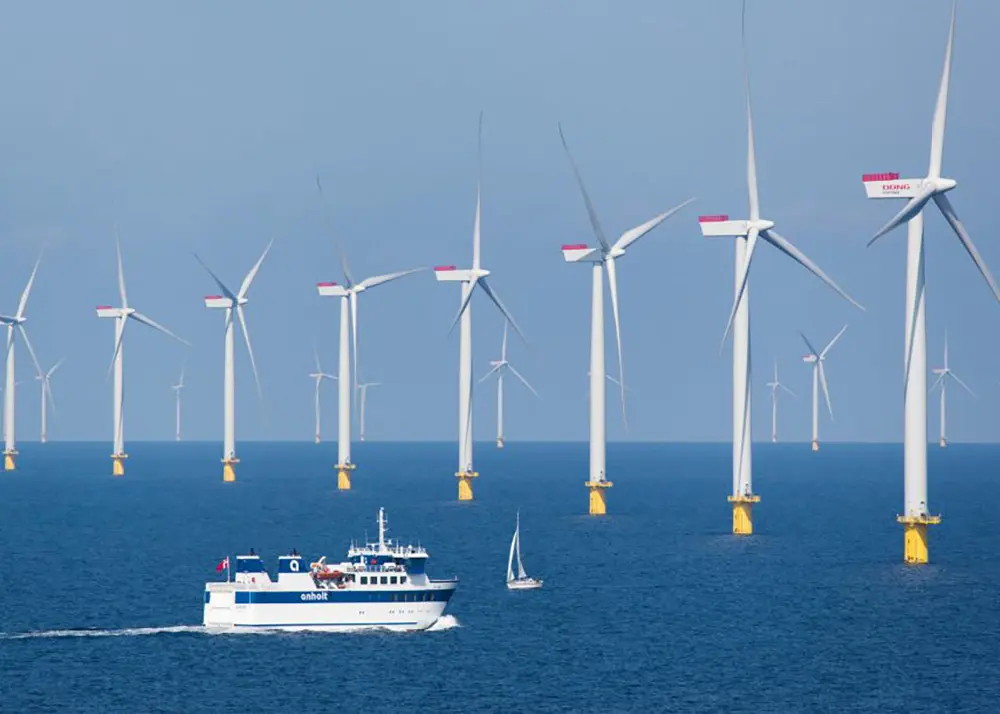
Fastening systems for high-pressure power generation equipment, high-temperature furnace piping, and cryogenic applications. Operational envelope spans from -270℃ to 1200℃.
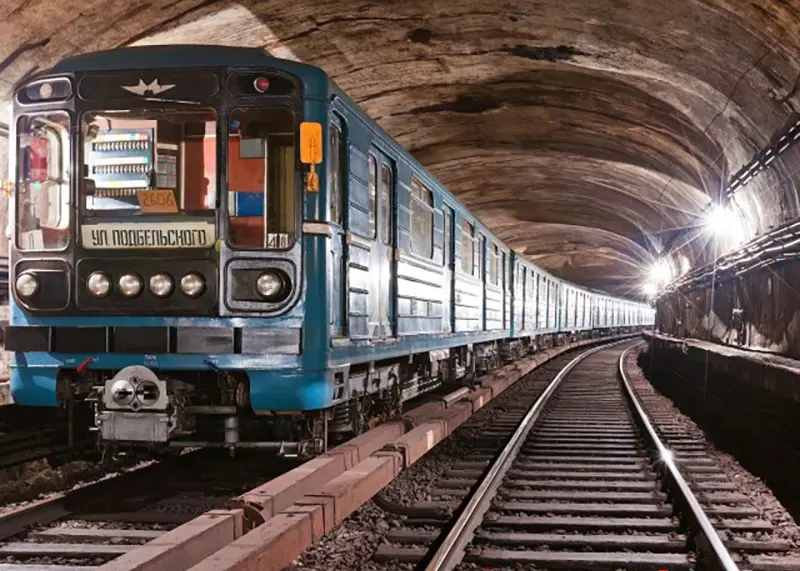
High-vibration resistant fastening assemblies designed for subways, high-speed rail cabins, and interior structural connections. Engineered with high shear strength ratings.
By combining these materials with high-precision threading processes (6g/6H tolerances), we serve niche markets where failure is not an option. For instance, non-magnetic titanium fasteners are essential for furniture housing sensitive diagnostic equipment in MRI suites or aerospace test chambers.
Three macro-trends are reshaping the global fastener manufacturing sector:
Environmental regulations like RoHS and REACH require the complete elimination of toxic finishes. High-performance trivalent zinc plating, zinc-nickel alloy coatings, and organic base coats are now the standard for rust prevention without sacrificing performance.
Advanced lightweight structural designs require fasteners with higher tensile capabilities. We produce alloy and stainless steel fasteners with tensile strengths up to 1900 MPa, allowing engineers to reduce both the diameter and quantity of connection joints.
High-speed assembly lines require zero-defect tolerances. Beiersdorf applies optical sorting and laser measurement systems, verifying thread pitches, dimensional concentricity, and mechanical tolerances down to the micron level.
| Fastener Type / Class | Core Metallurgy Options | Tensile Strength Range | Environmental Adaptability | Standard Applications |
|---|---|---|---|---|
| High-Tensile Specialty Bolts | Alloy Steel, 40CrNiMoA, Inconel 718 | 1000 MPa - 1900 MPa | Heavy Duty Load Distribution | Rail cabins, structural frames |
| Non-Magnetic Joints | Titanium, Austenitic Stainless Steel | 500 MPa - 850 MPa | EMI Shielded Environments | MRI suites, lab benches, aerospace |
| Extreme Temp Fasteners | Nickel-based Alloys, Super Stainless | Up to 1200 MPa | -270℃ to 1200℃ Stable | Industrial exhaust, cryogenic labs |
| Standard Joint Assemblies | Medium Carbon Steel, A2/A4 SS | 400 MPa - 800 MPa | Corrosion Resistance Plated | Cabinetry, commercial case goods |
"Product quality is the foundation for an enterprise's survival." Our production process features high-precision machinery and strict quality control protocols. Our inspection department runs raw material analysis, hardness testing, tensile strength evaluation, torque threshold testing, and salt spray testing.
Through continuous research and development, we have secured more than 100 utility model patents and 8 invention patents. This technical foundation allows us to configure thread clearances, driver interfaces (such as Pozidriv, Hexagon Socket, or Torx), and barrel nut depths to match your manufacturing setup.
Beiersdorf provides technical guidance and custom-designed fastener solutions, covering initial material selection through torque verification and installation protocols.
Call +86(0)21-38022886Complete the form below to receive detailed technical pricing and engineering data within 24 hours.
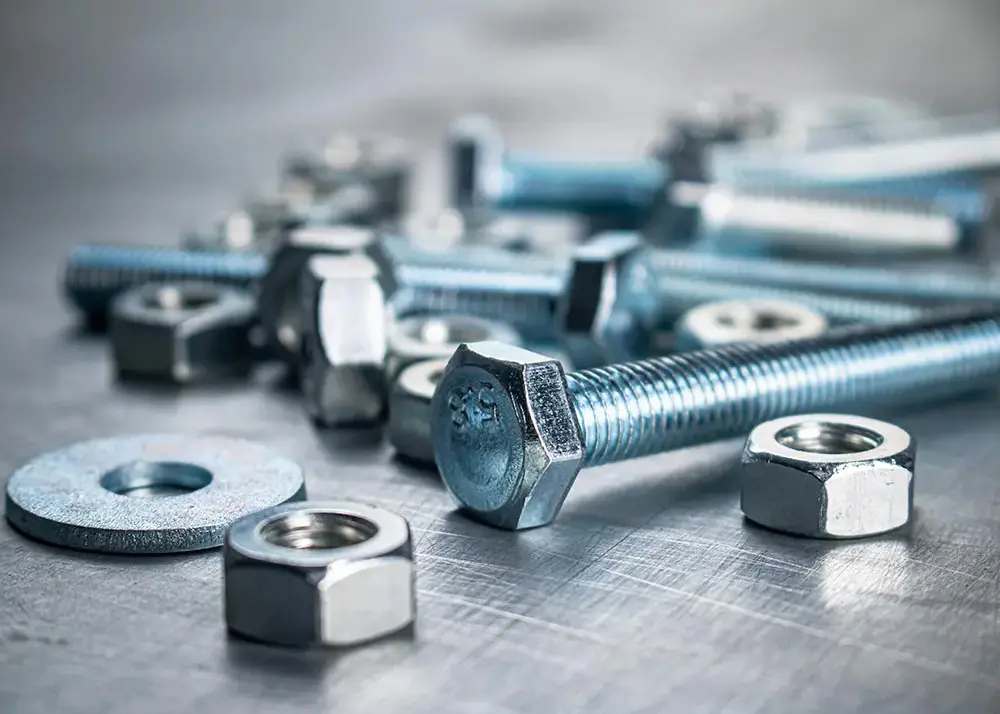
As we enter 2025, environmental mandates and modular construction are driving the development of clean, high-tensile connection systems...
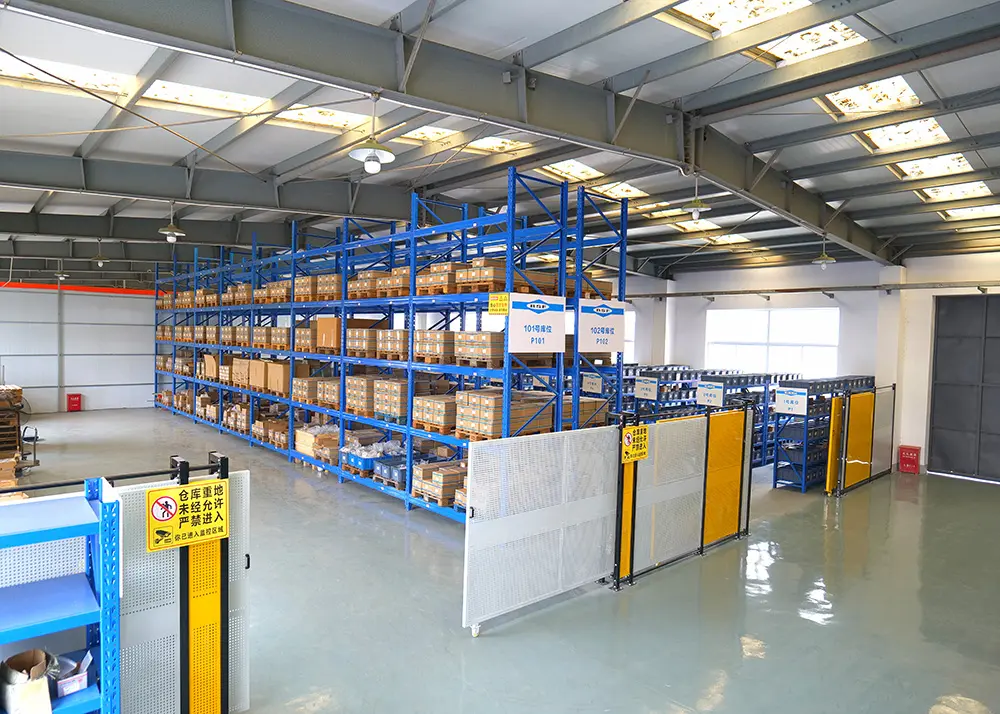
Beiersdorf has upgraded its Shanghai logistics facility, optimization order processing timelines for our extensive inventory of stainless steel parts...
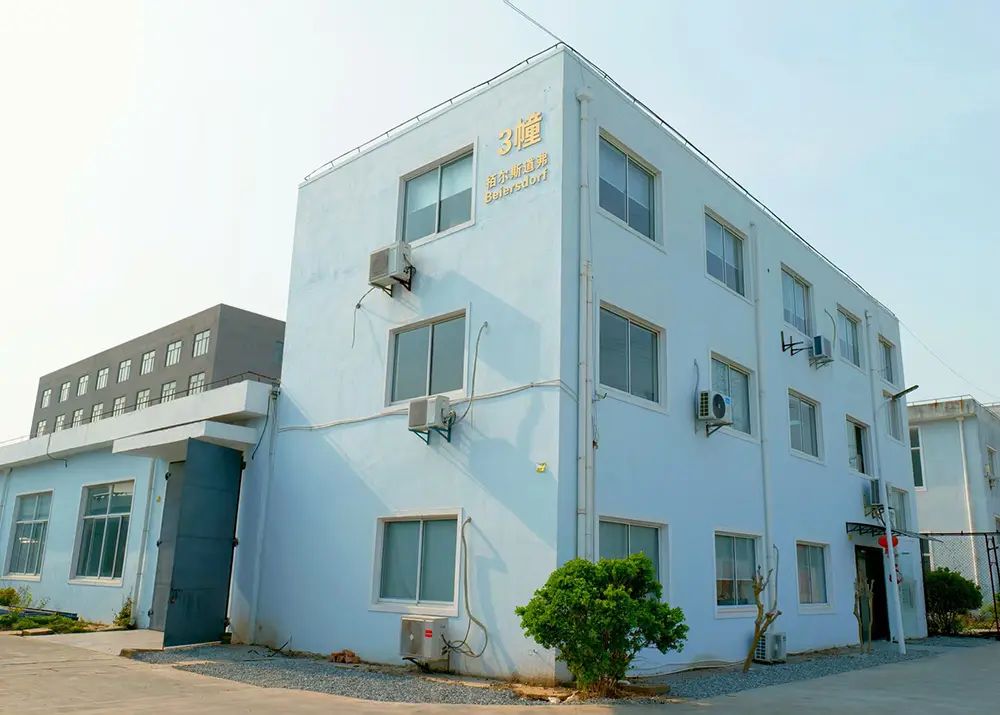
Since our founding in 2015, Beiersdorf has focused on delivering professional, high-precision structural fasteners for demanding applications globally...
 BSF
BSF