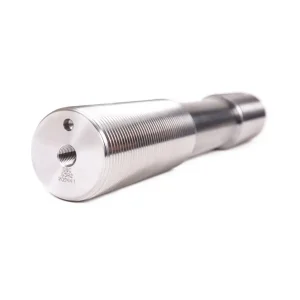
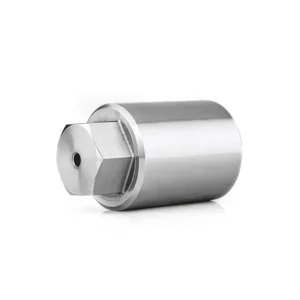
In modern manufacturing, the request for lightweight, highly strong, and corrosion-resistant fasteners has led to a major transition towards advanced aluminum alloys. Aluminium self-tapping screws are no longer limited to non-structural assembly; today, they are vital components in automotive engineering, green solar energy infrastructure, high-frequency aerospace avionics, and consumer electronics.
As a leading Chinese supplier and exporter, Beiersdorf Industrial Technology (Shanghai) Co., Ltd. offers custom-engineered aluminium self-tapping fasteners that deliver critical weight reduction while preserving structural strength. By utilizing alloys like 6061-T6, 7075-T6, and 2024-T4, we build products capable of forming clean internal threads in ductile materials without pre-tapping. This optimizes manufacturing cycles and reduces structural weight by up to 65% compared to steel alternatives.
"True innovation in fastening technology lies in the optimization of the thread profile combined with structural metallurgy. This balance allows high torque retention without material failure."
We have formulated the most stringent sampling inspection system, striving to achieve zero defects for all products leaving our Shanghai production base.
Our entire enterprise group holds more than 100 utility model patented products and eight pioneering invention patents for specialty fasteners.
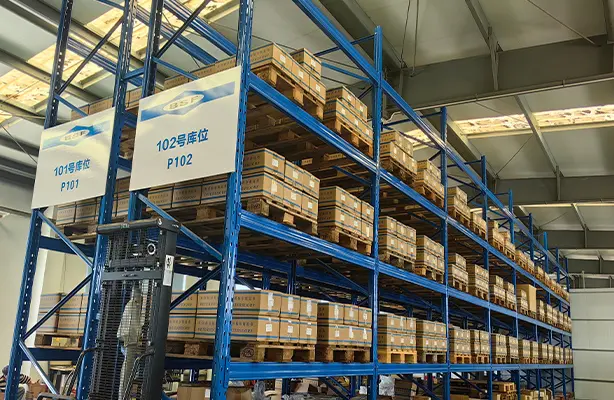
Operating nearly 100,000 product models. We maintain 500 tons of special raw materials and 10,000 tons of finished stainless steel and high-alloy standard parts in stock for quick deployment.
Established in 2015 in the industrial hub of Shanghai, China, Beiersdorf Industrial Technology (Shanghai) Co., Ltd. has grown into a highly specialized supplier of custom fasteners and ultra-high precision components.
"Product quality is the foundation for an enterprise's survival."
"Heart to sunshine, everything to prosperity"
Operating from our state-of-the-art 2535 M² Production Base, we support global procurement requirements with ISO/TS certifications, material traceability, and advanced metallurgical laboratory verification.
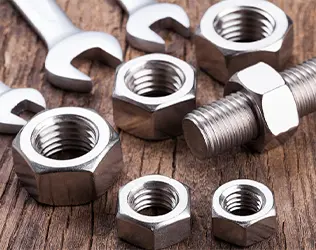
 -270℃ Low-temperature Fasteners
 Titanium Alloy Fasteners
 Cobalt Alloy Fasteners
Nickel Alloy Fasteners
Best Seller Series
1900 MPa Tensile Strength Fasteners
1200℃ High-temperature Fasteners
Aluminium Self Tapping Fastening
Cobalt Alloy Fasteners
Nickel Alloy Fasteners
Best Seller Series
1900 MPa Tensile Strength Fasteners
1200℃ High-temperature Fasteners
Aluminium Self Tapping Fastening
Selecting the correct grade of aluminum is critical for calculating design torque, preventing thread stripping, and ensuring structural reliability. Review the metallurgical parameters below.
| Alloy Specification | Tensile Strength (MPa) | Yield Strength (MPa) | Principal Alloys | Corrosion Resistance | Primary Industrial Use Cases |
|---|---|---|---|---|---|
| Alloy 6061-T6 | 310 | 276 | Magnesium, Silicon | High (Excellent in marine env) | Structural framing, PV mounting brackets, Marine panels |
| Alloy 7075-T6 | 572 | 503 | Zinc, Magnesium | Moderate (Requires coating) | Aerospace structures, high-stress automotive casings |
| Alloy 2024-T4 | 470 | 325 | Copper, Magnesium | Low (Requires anodization) | High-stress aviation rivets, tension bolts, structural components |
| Alloy 5056 | 290 | 150 | Magnesium, Manganese | Superior (Maximum alkaline resistance) | Fastening with magnesium alloys to prevent galvanic damage |
Our special fasteners are widely used in the field of shipbuilding and oceanography engineering, specifically in the manufacture of special ships, marine propulsion, marine accessories, yacht manufacturing, offshore oil drilling platforms, submarine pipelines, offshore wind power, underwater lifeboats, port machinery, and dock construction. These fasteners include A4-80, A5-80, D8-80, D6-70, 2205, L7, 40CrNiMoA, 718, EN14399 steel structure connection pair, and classification society certificate fasteners.
Designed to withstand demanding thermal profiles, vibration loads, and exposure. We supply high-performance fasteners to utility-scale solar installations, wind turbine nacelles, electrical grids, and power transformers where electrical conductivity and low-temperature durability (-270℃ stable) are critical parameters.
Modern rail engineering requires lightweight components to decrease energy consumption. Our aluminum fastening systems offer strong shear strength, vibration protection, and thread integrity, supporting safe train body assemblies, interior fittings, and signal equipment.
In high-frequency communication modules, 5G base stations, and radar systems, non-magnetic fastening is essential. Our non-magnetic series and high-precision machined aluminum elements provide reliable structural fastening without interfering with electromagnetic signals.
In aggressive chemical processing environments, fasteners must resist corrosive gases and liquids. We supply fasteners made from 2205 duplex stainless steel, titanium, and nickel alloys. These deliver corrosion protection, high-temperature creep resistance, and flange sealing reliability in refineries, pipelines, and offshore storage tanks.
Utility Patents
Special Materials Stock
Finished Standard Parts
Available Models
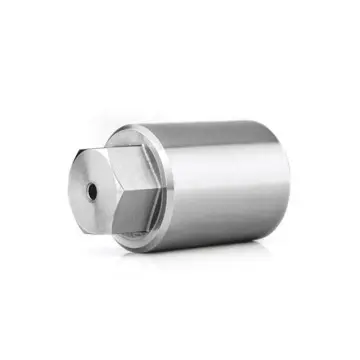
Suitable for high-precision machinery, medical imaging equipment, and aerospace electronics where stray magnetic fields must be avoided.
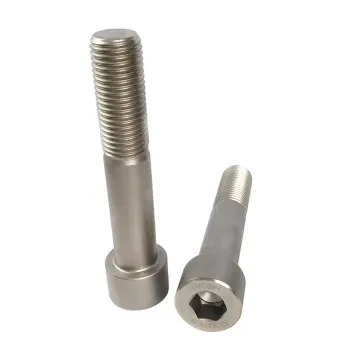
Includes superalloys, titanium, cobalt, and nickel alloys designed for severe temperature and mechanical stress profiles.
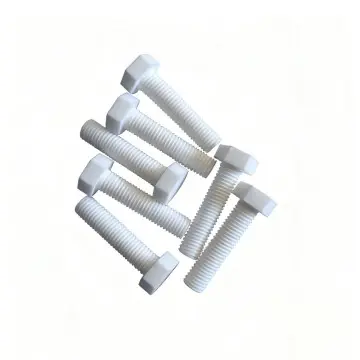
Extremely lightweight, chemically inert, and electrically non-conductive. Suitable for consumer electronics and semiconductor environments.
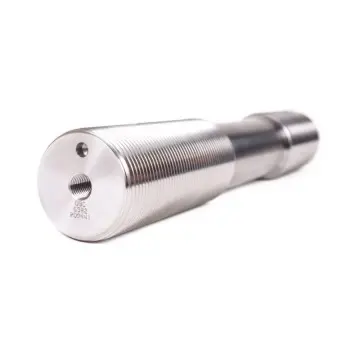
Certified fasteners for marine engineering, offshore drilling, and maritime shipbuilding applications demanding strict traceability.
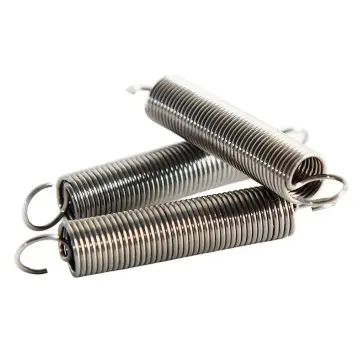
High tensile strength wire customized for critical cycle fatigue resistance in aerospace and industrial valve applications.
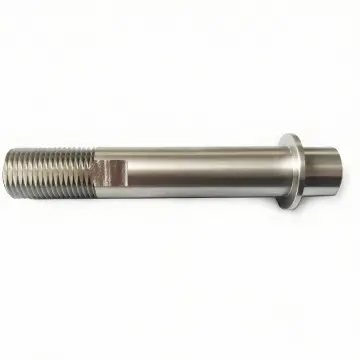
Ultra-high precision machining for electronics, medical equipment, semiconductor equipment, and high-spec optical systems.
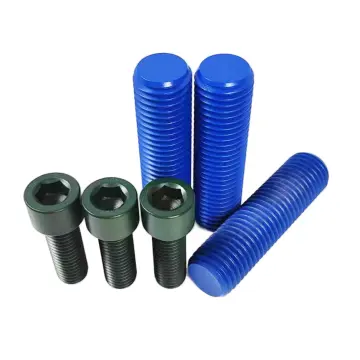
Maintains mechanical ductility, impact toughness, and dimensional stability down to -270°C for cryogenic engineering.
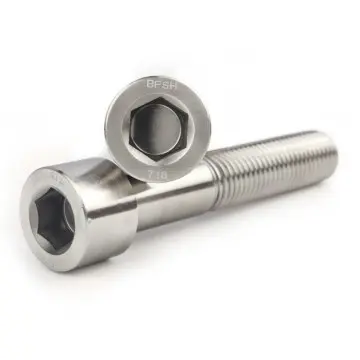
Maintains tensile strength and resists creep or oxidation in combustion, kiln, and exhaust environments up to 1200℃.
A primary challenge when utilizing aluminium self-tapping screws is managing galvanic corrosion. When aluminum contacts a more noble metal (such as stainless steel or carbon steel) in the presence of an electrolyte (like moisture), the aluminum acts as a sacrificial anode, accelerating corrosion. To prevent this, our engineering department recommends specific surface finishes.
We provide several surface treatment coatings to protect aluminum fastener systems in diverse environments:
Self-tapping fasteners form or cut internal threads in a pre-drilled pilot hole. If the pilot hole is too small, installation torque spikes, risking screw breakage or stripping the driver head. If the pilot hole is too large, the engaged thread depth is insufficient, leading to premature pull-out under load.
For optimal thread engagement in ductile aluminum alloys (e.g., 5052-H32 sheets), we recommend a target pilot hole diameter approximately equal to the pitch diameter of the self-tapping thread.
| Screw Thread Size | Major Diameter (mm) | Minor Diameter (mm) | Recommended Pilot Hole (Aluminum Sheet) | Optimum Tightening Torque (Nm) |
|---|---|---|---|---|
| ST3.5 | 3.53 | 2.64 | 2.90 - 3.10 mm | 1.6 - 1.9 |
| ST4.2 | 4.22 | 3.10 | 3.50 - 3.70 mm | 2.6 - 3.1 |
| ST4.8 | 4.80 | 3.58 | 4.00 - 4.20 mm | 4.1 - 4.9 |
| ST5.5 | 5.46 | 4.17 | 4.60 - 4.85 mm | 6.5 - 7.8 |
To maintain the standard required by international procurement departments (including IATF 16949 compliance), our Quality Assurance lab conducts ongoing testing:
The fastener industry is shifting toward smart inventory management, lightweight designs, and standardized processes. Increasing demand for electric vehicles is driving automotive OEMs to replace steel fasteners with light, strong aluminum alloys.
Furthermore, automated assembly lines require fasteners with tight dimensional tolerances (+/-0.005mm) to prevent feed jams. Beiersdorf supports these automation needs with high-precision optical sorting sorting tables that verify thread profiles and head dimensions before shipping.
Supply Chain Stability: We maintain a permanent stock of 500 tons of high-grade raw materials. This helps shield customers from steel and aluminum market fluctuations, supporting consistent lead times for large-scale projects.
Located in Shanghai, our logistics network handles air freight, ocean transport, and land distribution. This ensures efficient delivery to industrial centers across Europe, North America, Southeast Asia, and the Middle East.

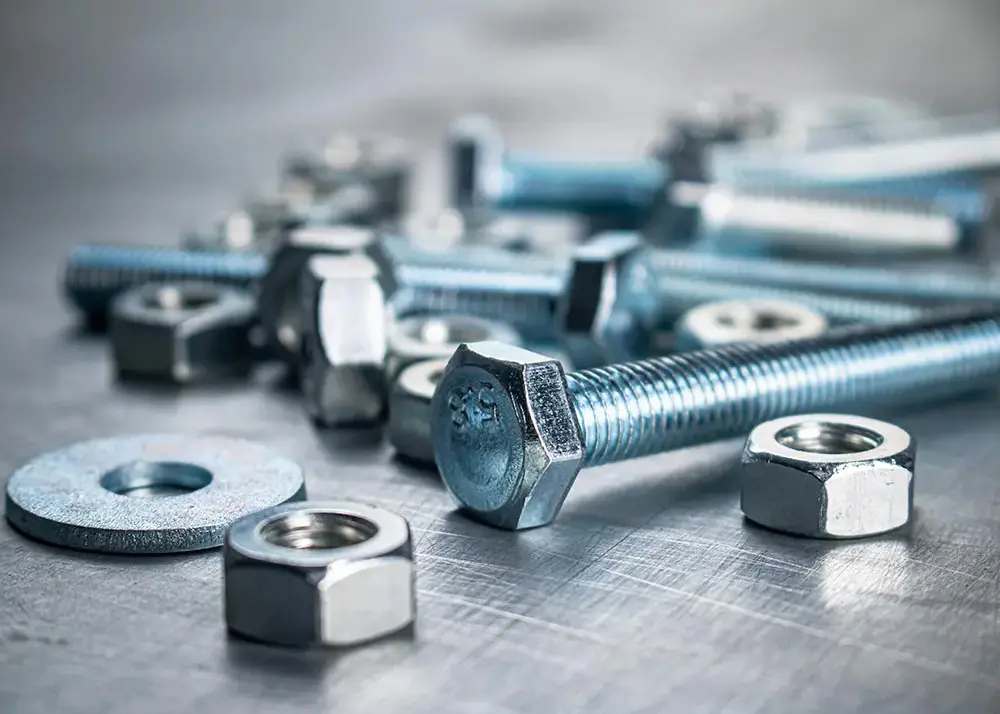
The fastener industry is shifting toward smart material designs and carbon-neutral processes. Read about upcoming regulations and trends.
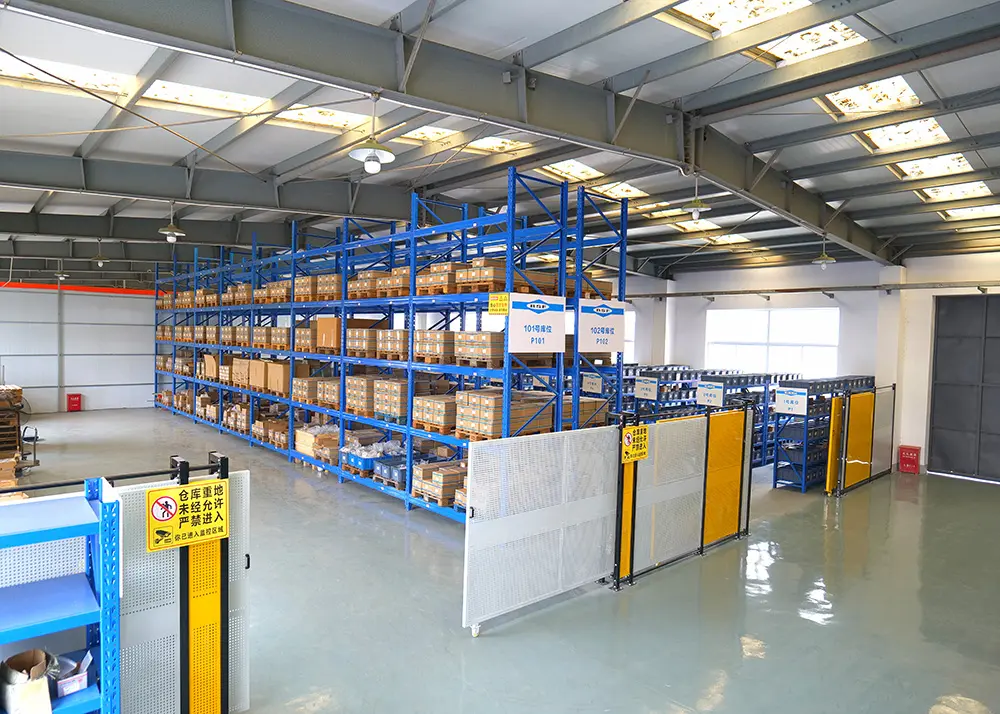
We are renovating our Shanghai warehouse, installing smart inventory tracking systems to speed up order processing and shipping.
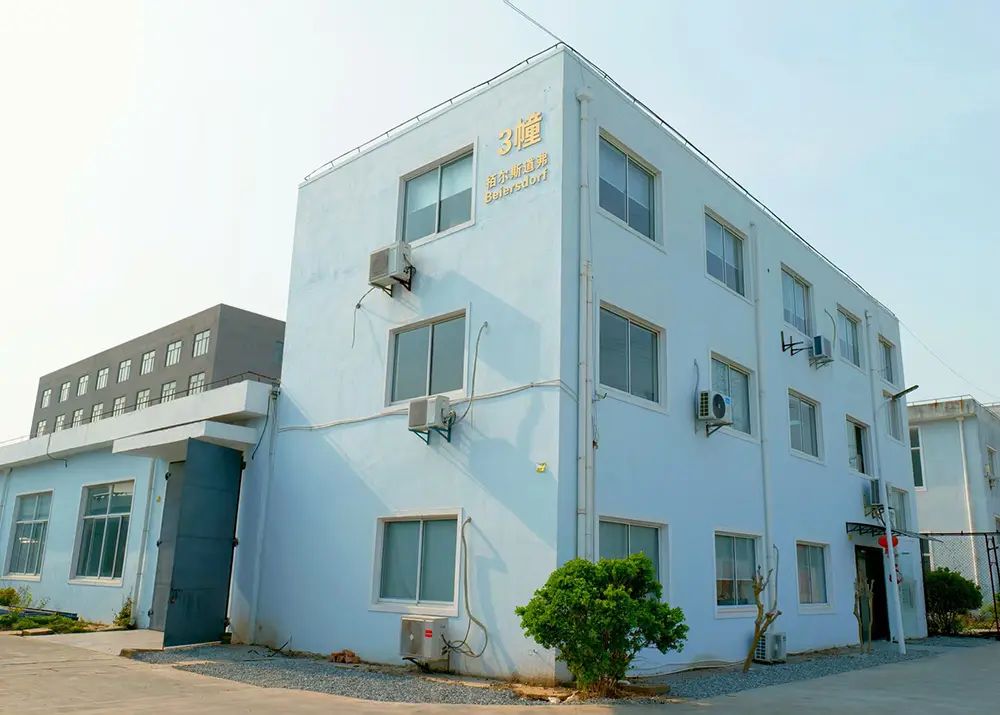
Since our founding in 2015, we have worked to provide reliable, high-precision fastening solutions for demanding industrial projects worldwide.
Beiersdorf provides high-quality fasteners and technical support. We can assist with early-stage material selection, torque calculations, and installation guidance.
Need custom dimensions or bulk pricing? Fill out the form below.
 BSF
BSF