Explore our top-performing custom special alloy fasteners and precision machined components designed to meet strict industrial compliance standards.
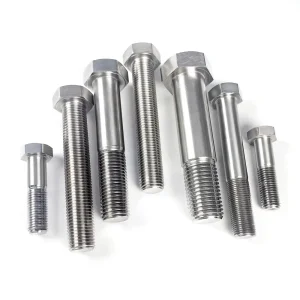
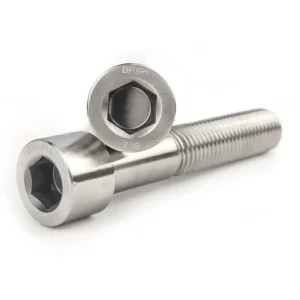
In modern industrial applications, the mechanical stress, corrosive elements, and thermal fluctuations experienced by structural frames, piping systems, and core dynamic machinery require high-performance solutions. High-strength stainless steel has evolved from specialized aerospace material to a widely used grade in deep-sea engineering, green chemical processing, nuclear power plants, and high-speed rail networks. The demand for fasteners and machined components that exhibit tensile strengths exceeding 1000 MPa, while retaining ductility and corrosion resistance, has grown rapidly.
This growth is driven by structural optimization trends such as weight reduction and increased load capacities. High-strength stainless steels, like duplex and super duplex grades, precipitation-hardening alloys (e.g., 17-4 PH), and nitrogen-strengthened austenitic grades, enable engineers to design smaller components that withstand higher loads. This decreases overall system weight and reduces material costs without sacrificing safety margins.
Globally, procurement frameworks have shifted from focusing solely on unit costs to evaluating the Total Cost of Ownership (TCO). A standard fastener failing in an offshore oil platform or a petrochemical reactor can lead to high downtime costs, environmental risks, and liability concerns. Thus, engineering teams in Europe, North America, and Japan require suppliers to provide comprehensive material traceability, raw material certifications (such as EN 10204 3.1 or 3.2), and certified quality management systems.
Selecting the correct alloy for challenging applications requires understanding how chemical composition influences mechanical performance. Below, we compare common high-strength, high-temperature, and corrosion-resistant alloys used in critical projects:
| Alloy Designation | Tensile Strength (MPa) | Temperature Range | Primary Properties & Applications |
|---|---|---|---|
| Duplex 2205 (UNS S32205) | ≥ 655 - 800 | -50°C to 300°C | Excellent resistance to pitting and crevice corrosion. Used in marine and chemical processing. |
| Super Duplex 2507 (UNS S32750) | ≥ 800 - 1000 | -50°C to 300°C | Higher PREN (≥ 40). Excellent for deep-sea oil/gas extraction and high-chloride conditions. |
| 17-4 PH (AISI 630) | ≥ 930 - 1310 | -29°C to 343°C | Precipitation hardening. High strength and good corrosion resistance. Ideal for shafts and aerospace fasteners. |
| Inconel 718 (Nickel-Based) | ≥ 965 - 1240 | -250°C to 700°C | Excellent creep-rupture strength at high temperatures. Critical for aerospace and gas turbines. |
| Titanium Grade 5 (Ti-6Al-4V) | ≥ 895 - 1000 | Up to 400°C | Excellent strength-to-weight ratio, non-magnetic, and biostable. Used in medical and aerospace. |
| Specialist Cobalt Alloys | Customized | Up to 1200°C | Wear, galling, and oxidation resistant. Designed for harsh thermal environments. |
In structural engineering, the yield strength (the stress at which a material permanently deforms) is a key design parameter. Conventional austenitic stainless steels (such as 304 or 316) offer good corrosion resistance but have relatively low yield strengths (typically 200–290 MPa). Our custom high-strength alloy fasteners can achieve yield strengths exceeding 1000 MPa, allowing for higher preloads in bolted joints, preventing joint relaxation under dynamic vibration, and maintaining structural integrity in challenging environments.
Combining rigorous testing protocols, engineering experience, and large-scale stock holding to support global OEM and EPC project requirements.
We use a strict sampling and testing system designed to identify and eliminate structural defects before products leave the factory. Every batch undergoes non-destructive evaluation (NDE), ultrasonic testing, and precise dimensional verification to ensure compliance with specifications.
Our group holds more than 100 utility model patents and 8 invention patents. We work closely with clients to design customized thread profiles, self-locking features, and high-performance surface finishes that reduce galling and improve joint reliability.
We manage an inventory of nearly 100,000 product models. This includes 500 tons of special raw materials (super duplex, titanium, nickel, and cobalt alloys) and 10,000 tons of finished stainless steel standard parts, helping support short lead times for international orders.
Established in 2015 and based in Shanghai, China, Beiersdorf Industrial Technology (Shanghai) Co., Ltd. supplies special fasteners and ultra-high precision components for critical industrial applications. Our philosophy is built on two principles: "Product quality is the foundation for an enterprise's survival" and "Heart to sunshine, everything to prosperity".
Operating from our 2,535 m² production facility in Shanghai, we serve sectors including aerospace, subsea engineering, high-capacity electrical grids, petrochemical processing, and marine shipbuilding. We support our customers through the entire lifecycle—from alloy selection advice and technical consulting during the design phase to installation guidance and support for high-stress applications.
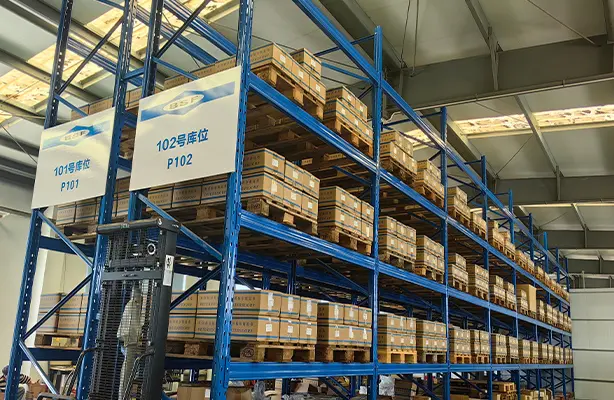
The global manufacturing landscape has changed, shifting focus from low-cost labor to advanced manufacturing ecosystems. Our facility in Shanghai, China, utilizes regional industrial integration to provide high-quality special alloy components for global infrastructure projects.
Our proximity to major domestic steel mills and specialized raw material processors simplifies raw material sourcing. We maintain direct relationships with suppliers of premium super stainless steel, titanium sponge, and nickel-based alloys, ensuring consistent material quality and traceability.
Our production base uses multi-station cold headers, high-precision CNC machining centers, and automated thread-rolling machinery. This equipment allows us to machine high-strength materials (such as Inconel and Cobalt alloys) to tight tolerances, ensuring part-to-part consistency for safety-critical components.
Our in-house design and testing engineers can evaluate new designs, model thread stress distribution, and run physical tensile trials in short cycles. This capability helps reduce development lead times for custom components.
Located near the Port of Shanghai—one of the world's busiest logistics hubs—we offer direct access to ocean, air, and rail shipping routes. This helps reduce international transport times and shipping costs for our global customers.
Additionally, our inventory management strategy helps mitigate raw material price fluctuations. By holding significant stock of raw materials and finished components, we support consistent pricing and supply security for our long-term contract partners.
From sub-zero cryogenic storage to high-temperature reactors and deep-sea exploration, our components are engineered for challenging environments.
Our specialized fasteners are designed for shipbuilding and oceanography engineering, including marine propulsion systems, offshore oil drilling platforms, subsea pipelines, offshore wind turbines, and port machinery. In these environments, components must withstand continuous exposure to saltwater and high mechanical loads.
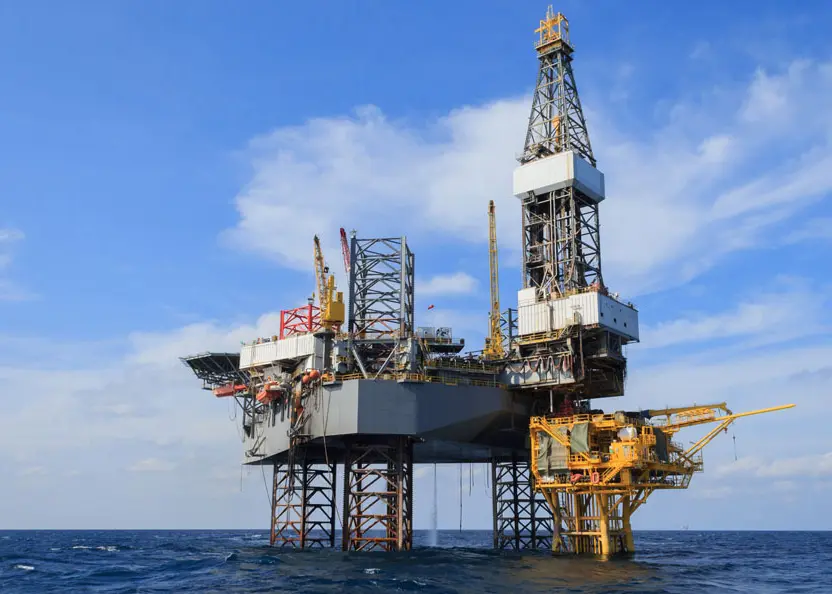
Browse our collection of high-strength fasteners, low-temperature structural bolts, and non-magnetic precision machined parts.
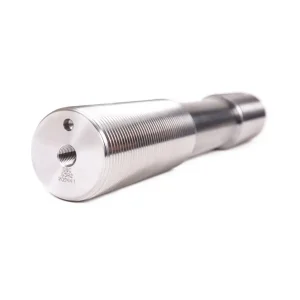
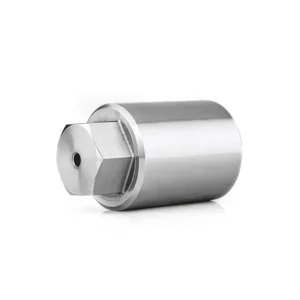
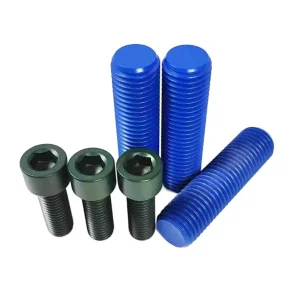
The industrial fasteners sector is shifting from standard off-the-shelf components toward customized, application-specific designs. Key trends shaping the industry include:
Traditional zinc coatings are being replaced by advanced surface technologies such as physical vapor deposition (PVD), high-durability ceramic coatings, and specialized dry-film lubricants. These coatings help protect the base metal from galvanic corrosion and reduce friction during assembly, helping prevent galling in materials like titanium and stainless steel.
In aerospace, defense, and offshore projects, material verification is crucial. Modern procurement frameworks increasingly require complete digital records, showing chemical analysis, heat treatment histories, and tensile testing data. This documentation ensures safety compliance and supports life-cycle monitoring.
As liquified natural gas (LNG) transport, liquid hydrogen storage, and aerospace exploration expand, components must remain ductile at temperatures down to -270°C. Conversely, high-temperature applications like waste heat recovery and gas turbines require materials that maintain strength up to 1200°C. Meeting these requirements involves using specialized nickel and cobalt-base alloys designed for extreme environments.
Stay informed with technical articles, manufacturing updates, and company announcements from Shanghai.
As we look ahead, the industrial fastener sector is embracing new standards in material efficiency and performance sustainability.
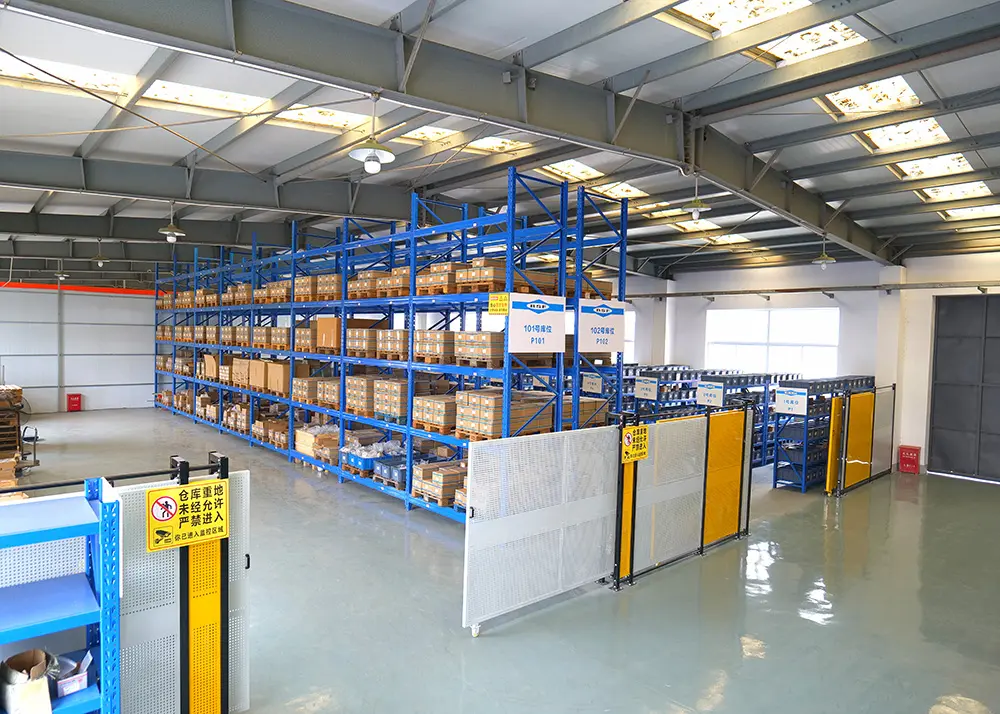
We are upgrading our logistics facility in Shanghai to improve inventory handling and speed up delivery times for international orders.
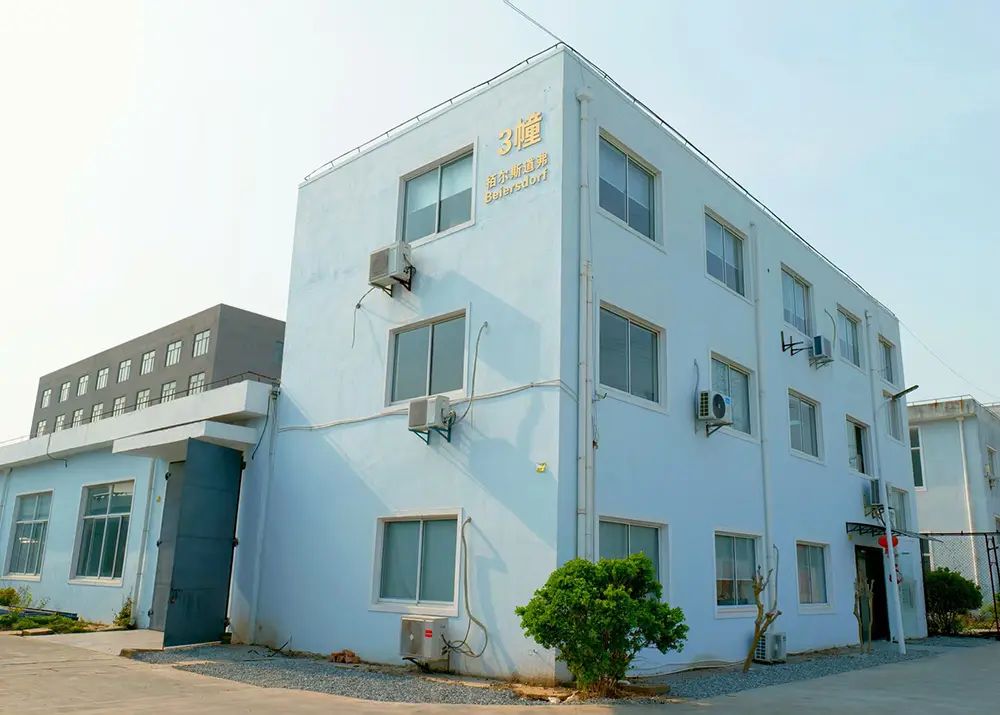
Founded in 2015, we are dedicated to providing engineered fastening solutions for challenging industrial environments.
Get expert answers on metallurgy, structural design parameters, and international procurement standards.
Beiersdorf supplies special fasteners and provides technical consulting on product and raw material selection, installation support, and lifecycle maintenance for high-stress applications.
Please submit your specifications and requirements, and our engineering team will provide a technical review and quotation.
 BSF
BSF