 BSF
BSF
Explore our top-tier catalog of specialized corrosion-resistant components designed to thrive in extreme subsea, chemical, and aerospace environments.
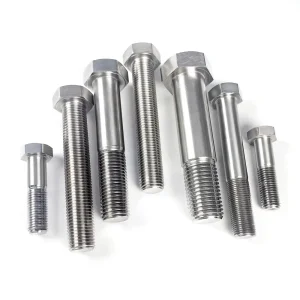
Deep dive into chemical compositions, corrosion types, and thermodynamic durability of high-end alloys.
Corrosion-resistant fasteners represent the critical point of connection in harsh structural engineering. Standard steel components fall prey to thermodynamic degradation in wet, marine, and acidic environments. Understanding why a joint fails requires examining microscopic metallurgical phenomena. General degradation manifests as uniform attack, localized pitting, crevice deterioration, galvanic reactions, stress-corrosion cracking (SCC), and hydrogen embrittlement. To prevent catastrophic structural failures, material science dictates precise custom alloy selections tailored for the specific environment.
PREN = %Cr + 3.3(%Mo + 0.5%W) + 16%N.
Higher values represent a superior passive oxide layer, resisting aggressive chloride ion penetration.
For subsea oil rigs, marine structures, and chemical scrubbers, our custom metallurgical combinations provide calculated solutions:
Ensuring supply chain reliability, traceability, and strict international standard compliance.
Procuring raw alloy fasteners across borders presents challenges in quality assurance, metallurgical verification, and code compliance. Procurement managers must navigate risks like uncertified steel, chemical composition drift, and hydrogen embrittlement. Securing global projects requires sourcing from suppliers who strictly adhere to recognized design and manufacturing criteria.
Our operational processes verify that every batch meets crucial international specifications:
To support compliance, we provide comprehensive EN 10204 3.1 Mill Test Reports (MTR) detailing chemical heat analysis, mechanical strain yields, hardness values, and non-destructive testing results.
Beiersdorf Industrial Technology (Shanghai) Co., Ltd. was established in 2015 and is located in Shanghai, China. It is an enterprise mainly engaged in the business of special fasteners and ultra-high precision components.

We have formulated a strict sampling inspection system to target zero defects for all products leaving our factory.

Our group holds more than 100 utility model patented products and eight invention patents, driving material innovation forward.

We operate nearly 100,000 product models, supporting consistent lead times and dependable supply chain logistics.
Explore our specialized fastending series, engineered to operate under high temperatures, deep cryogenics, and intense physical loads.
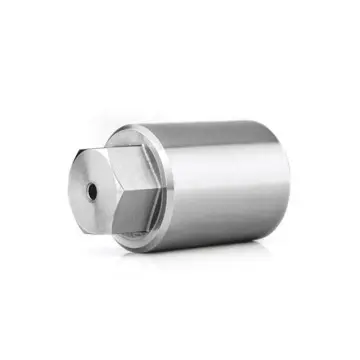
Suitable for precision electronic machinery and magnetic resonance systems.
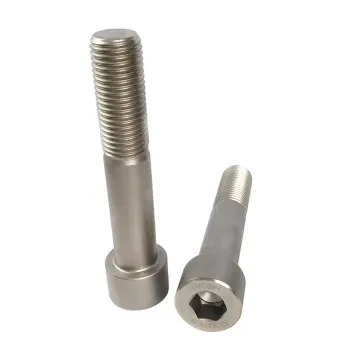
Includes super stainless steels, titanium alloys, and nickel compounds.
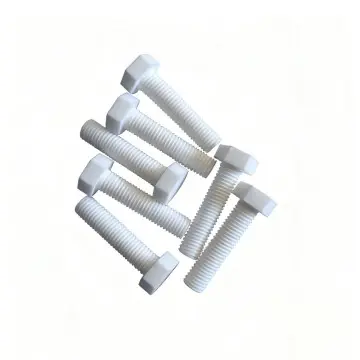
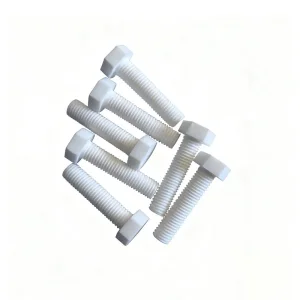
Lightweight, chemical-resistant solutions utilizing PEEK and PVDF.
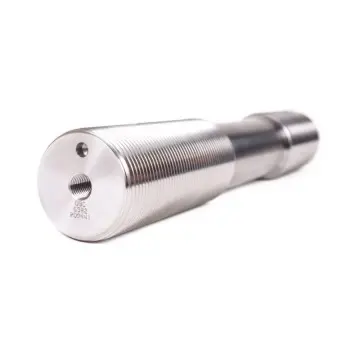
Certified components for demanding marine and offshore engineering.
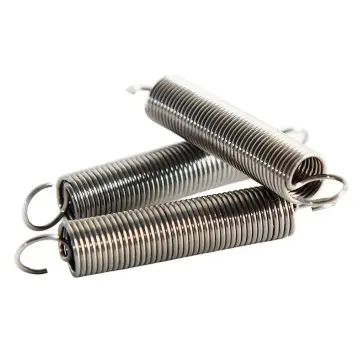
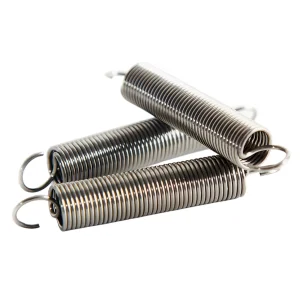
High tensile strength wires engineered for critical spring manufacturing.
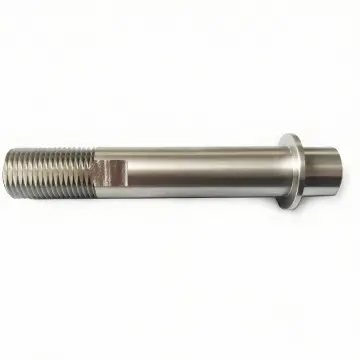
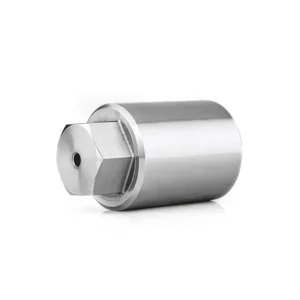
Ultra-high precision mechanical components machined to tight tolerances.
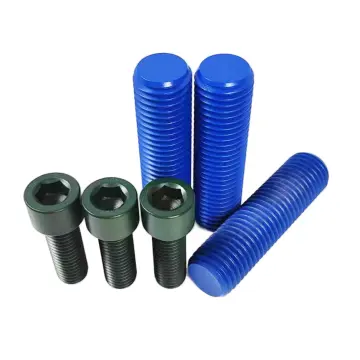
Maintains mechanical stability and impact strength at cryogenic levels.
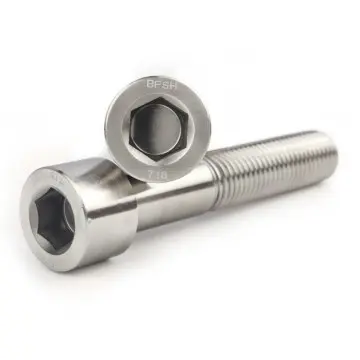
Engineered to retain structural integrity at elevated service temperatures.
Reliable fastener solutions for marine engineering, petrochemical facilities, and clean energy projects.
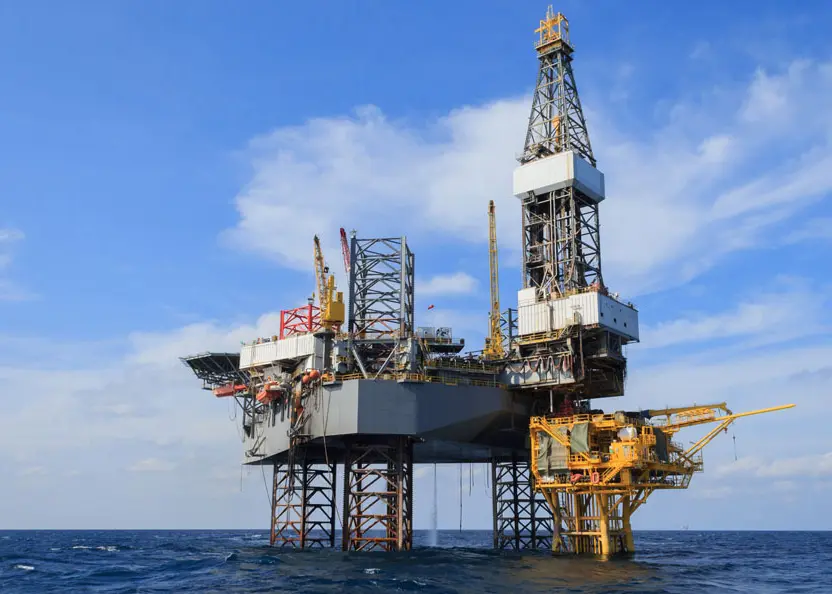
A4-80, A5-80, Duplex 2205, and certified marine fasteners.
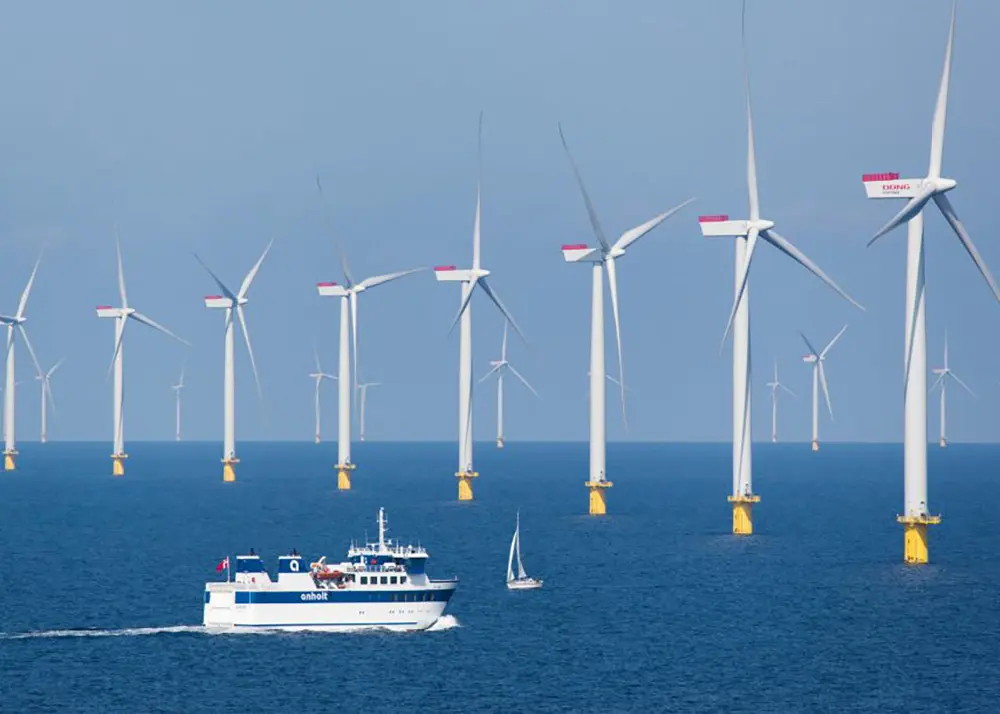
High-temperature resistance for gas turbines and power systems.
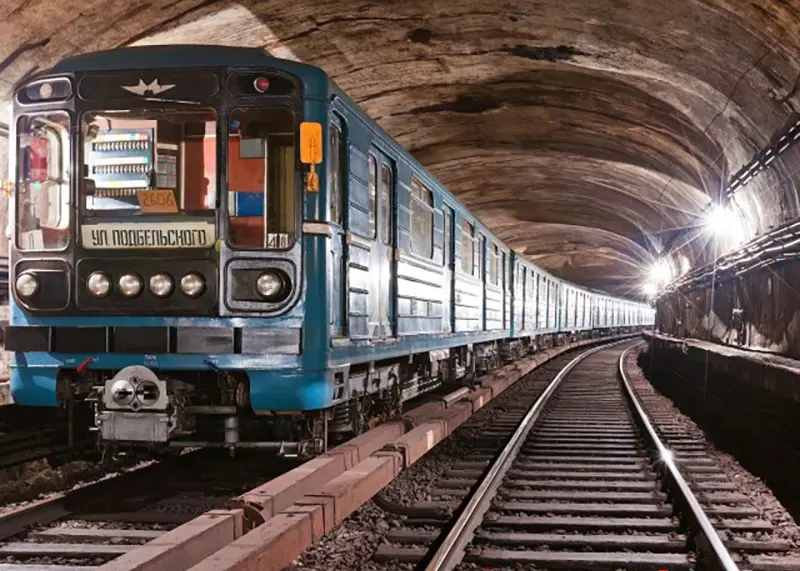
High fatigue strength joints engineered for transportation infrastructure.
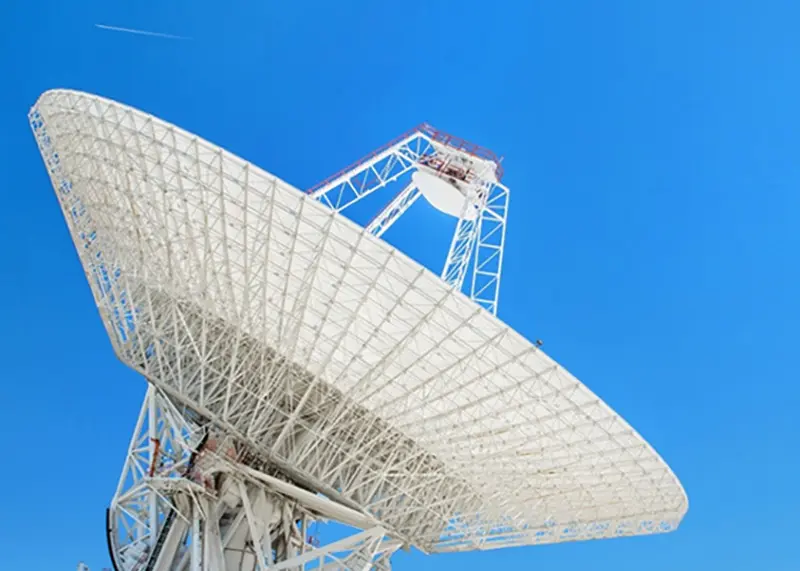
Non-magnetic fasteners and precision components.
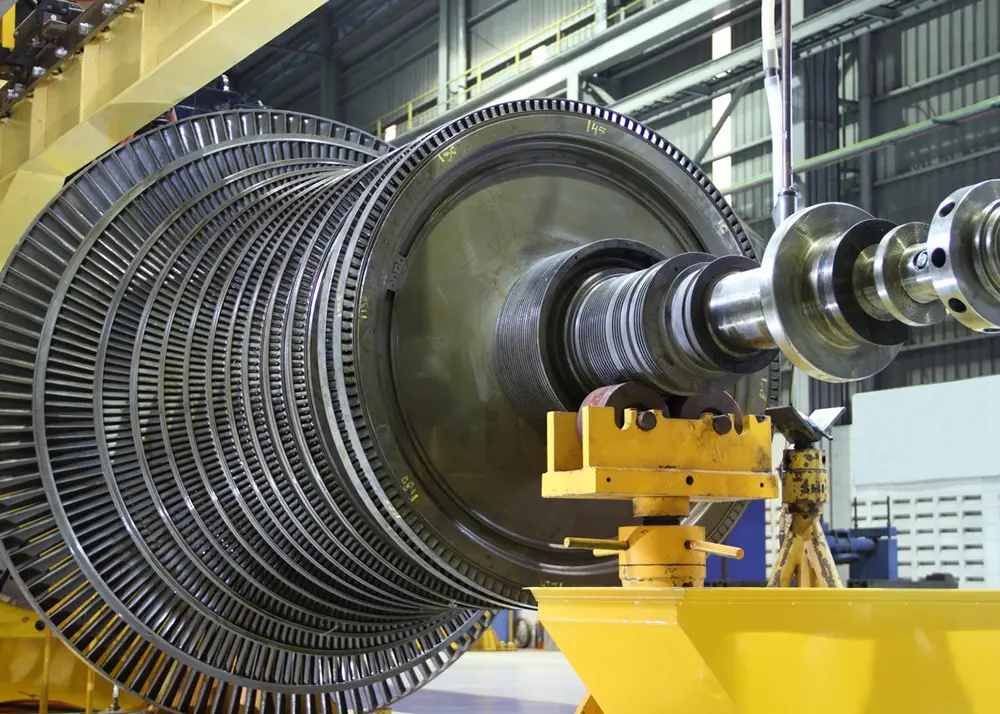
Resistant to H2S, sour gas, and aggressive processing acids.
Marine environments subject structural connections to relentless chloride exposure, electrochemical attack, and mechanical fatigue. Our components are used across specialized shipping, marine propulsion systems, offshore wind turbines, submarine pipelines, and offshore drilling platforms.
These applications utilize materials such as A4-80, A5-80, D8-80, D6-70, Duplex 2205, ASTM A320 L7, 40CrNiMoA, Alloy 718, and EN 14399 steel structure connection pairs. Complete with classification society certificates, these fasteners maintain clamping force despite exposure to seawater currents and mechanical loads.
Power generation and petrochemical operations subject components to a combination of corrosive media and thermal stress. From high-pressure steam turbines to chemical processing reactors, our high-temperature alloys (up to 1200℃) and low-temperature alloys (down to -270℃) help maintain structural integrity, minimize downtime, and support site safety.
A forward-looking view into intelligent fastening systems and next-generation metallurgy.
The global industrial fastening market is shifting from standard alloys toward high-performance materials and intelligent connection solutions. Research focuses on optimizing performance while reducing overall structural weight. Key development paths include:
Integrating micro-sensors within critical structural bolts to dynamically measure clamping load, mechanical strain, and early-stage corrosion, enabling predictive maintenance schedules.
Developing hexavalent chromium-free zinc-nickel coatings and ceramic overlays to provide barrier protection without causing hydrogen embrittlement.
Refining nickel-iron-cobalt superalloys capable of operating across temperature extremes, from cryogenic space hardware at -270℃ to aerospace propulsion components at 1200℃.
Answers to complex engineering questions regarding corrosion mitigation and material selection.
Subsea material selection focuses on water depth, ambient temperature, dissolved oxygen levels, and the presence of hydrogen sulfide (sour environment). For deepwater applications exposed to high mechanical stress and salt spray, we recommend Duplex 2205 or Super Duplex 2507 due to their high Pitting Resistance Equivalent Number (PREN > 40). If the connection contacts sour reservoir fluids containing H2S, NACE MR0175 compliance is required. In these cases, Nickel alloys like Inconel 718 or Hastelloy C276 are selected to prevent Sulfide Stress Cracking (SSC).
Galvanic corrosion occurs when two metals with different electrochemical potentials contact each other in an electrolyte. Solutions include:
Hydrogen embrittlement is the process where high-strength steel (typically tensile strengths > 1000 MPa) absorbs atomic hydrogen, leading to brittle failure under static tensile loads. This absorption can occur during acid pickling, electroplating, or in-service cathodic protection. To mitigate this risk, fasteners must undergo thermal baking post-plating (typically at 200°C for 4 to 24 hours) to drive out hydrogen. Alternatively, non-magnetic alloys, austenitic stainless steels, or lightweight high-temperature plastics can be used.
Duplex 2205 has a mixed microstructure of austenite and ferrite, offering mechanical and chemical advantages over standard 316 (A4-80) austenitic steel. 2205 provides double the yield strength, allowing engineers to design smaller or fewer bolts to secure equivalent loads. Additionally, Duplex 2205 has a higher PREN (approx. 35 vs 24 for 316), providing greater resistance to pitting and crevice corrosion in seawater splash zones.
High-performance engineering polymers like PEEK and PVDF are immune to galvanic corrosion, rust, and acid attack. They are lightweight (about 1/5th the weight of steel) and provide electrical isolation. While their absolute tensile strength is lower than high-alloy metals, they are suitable for chemical processing baths, pharmaceutical environments, and aerospace electronics where minimizing weight and metal contamination is critical.
Stay informed with technical news and company developments from our Shanghai engineering center.
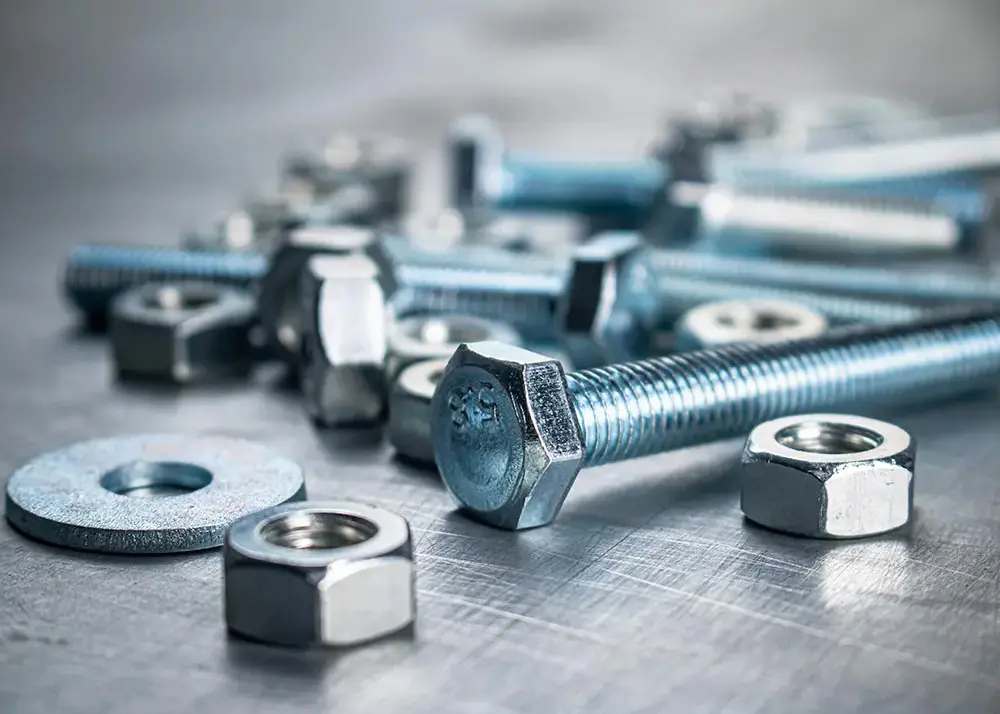
As we step into 2025, the future of fasteners is poised for significant innovation, driven by materials science advancements and automated manufacturing systems.
Read Article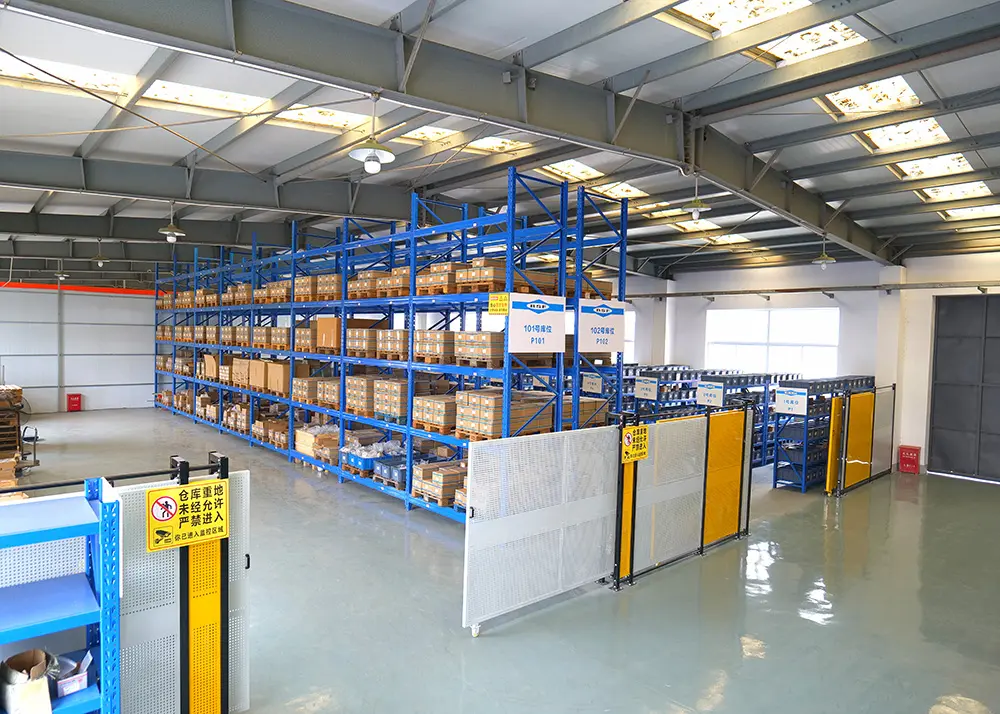
Beiersdorf, a leading fasteners supply company, has announced a warehouse renovation project to optimize lead times for our special materials inventory.
Read Article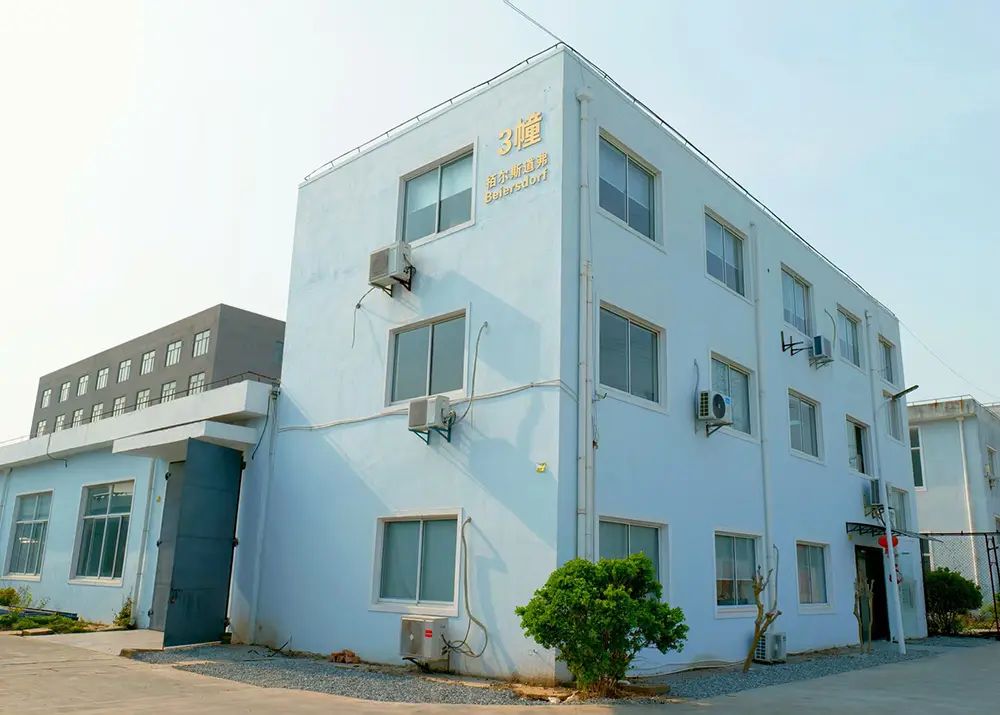
Established in Shanghai in 2015, we operate with a global perspective, providing professional fastening solutions for marine engineering and critical infrastructure.
Read ArticleSupporting global projects with localized supply logistics and technical consultation.

Delivering high-performance alloy products to Europe, the Americas, and Southeast Asia.

Beiersdorf is a supplier of special fasteners, providing technical consultations and guidance, from early-stage material selection to installation and maintenance support.
Call Us Free (24/7 Support):
+86(0)21-38022886Need a consultation? Contact our engineering team today.
Explore our specialized catalog of special steel, titanium, non-magnetic, and low-temperature fasteners.