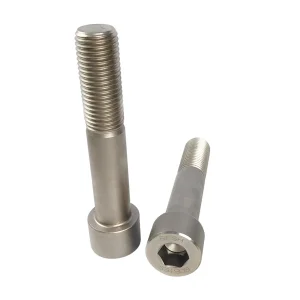
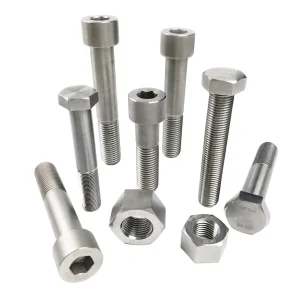
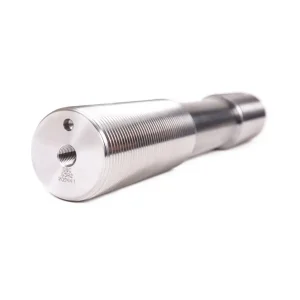
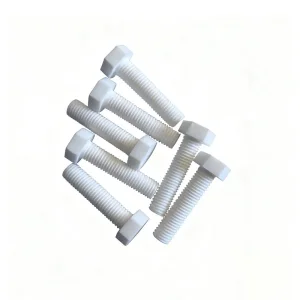
In the modern high-performance manufacturing landscape, titanium bolts and nuts are no longer reserved solely for aerospace and niche defense applications. As global heavy industries strive for decarbonization, increased fuel efficiency, and longer operational lifecycles under extreme environments, titanium fasteners have transitioned into a critical material choice across automotive racing, petrochemical processing, biomedical devices, semiconductor equipment, and offshore energy infrastructure. The exceptional strength-to-weight ratio—where titanium alloys match the tensile properties of high-strength structural steels while weighing approximately 45% less—has driven a massive paradigm shift in engineering design.
Currently, the global industrial demand is dominated by two primary grades: Commercially Pure Titanium (Grades 1 through 4) for applications requiring supreme chemical corrosion resistance, and Ti-6Al-4V (Grade 5), which is the workhorse alloy containing 6% aluminum and 4% vanadium. Grade 5 titanium offers an ultimate tensile strength exceeding 950 MPa, making it highly competitive with Class 8.8 and 10.9 steel fasteners. The ability of titanium to form a stable, passive oxide surface film instantly in the presence of oxygen provides near-infinite resistance to wet chlorine, chlorides, and saline solutions, positioning it as the premium selection for deep-sea oil extraction and maritime defense vessels.
China has established itself as the global epicenter for titanium processing, accounting for over 50% of the world's titanium sponge production capacity. This concentration of raw material refinement, coupled with advanced downstream manufacturing clusters in regions like Baoji (famously known as "China Titanium Valley") and Shanghai, provides Chinese manufacturers with unmatched supply chain resilience. The direct result is a significant reduction in lead times and raw material acquisition costs, which is passed on to international procurement agencies as a distinct financial advantage.
Chinese factories have heavily modernized their production lines by integrating multi-station cold heading machinery, high-precision thread rolling units, and advanced 5-axis CNC machining centers. While Western manufacturers often rely on slow, material-intensive machining methods for small runs, Chinese suppliers utilize hybrid manufacturing protocols. This involves hot forging for larger structural fasteners and precision cold heading for high-volume standard lines. This combination guarantees fiber-line continuity within the titanium grain structure, dramatically improving fatigue resistance while minimizing material waste (buy-to-fly ratio).
Beiersdorf Industrial Technology (Shanghai) Co., Ltd. was established in 2015 and is located in Shanghai, China. We are an enterprise mainly engaged in the development, manufacturing, and global distribution of special fasteners and ultra-high precision components.
Guided by our core beliefs, “Product quality is the foundation for an enterprise's survival” and “Heart to sunshine, everything to prosperity”, we strive to build zero-defect connections for high-reliability systems globally. Our production facility is equipped to handle custom components, complex geometries, and exotic metallurgy demands.



We push the limits of material science. Our fastener products are rated and certified to withstand the most demanding environmental and mechanical stress factors on earth.
 -270℃ Low-temperature Fastener
 Titanium Alloy Fasteners (Gr2, Gr5, Gr7)
 Cobalt Alloy Fasteners
Nickel Alloy Fasteners (Inconel 718, 625)
Best Seller Series
Fasteners with Tensile Strength Up to 1900 MPa
1200℃ High-temperature Fastener
Cobalt Alloy Fasteners
Nickel Alloy Fasteners (Inconel 718, 625)
Best Seller Series
Fasteners with Tensile Strength Up to 1900 MPa
1200℃ High-temperature Fastener
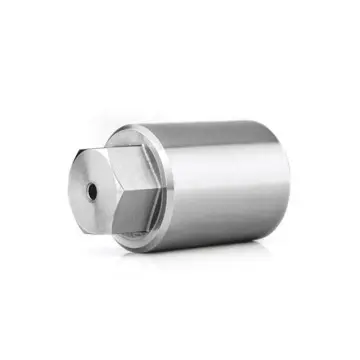
Designed for high-precision electronics, medical MRI scanners, and military systems requiring complete magnetic transparency.
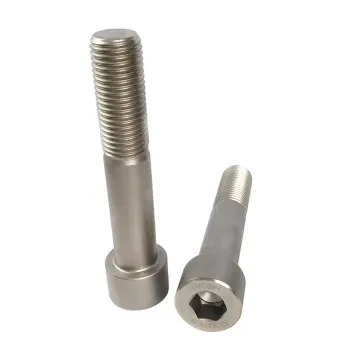
Includes super stainless steels, titanium alloys, nickel-based superalloys (Inconel, Monel) for corrosive industries.
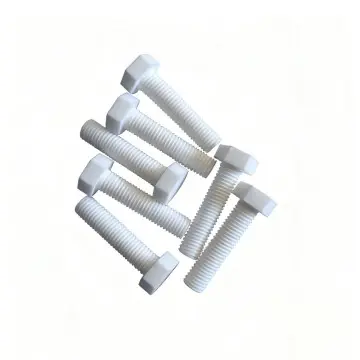
Ultra-lightweight and corrosion-resistant fasteners constructed from high-grade PEEK, PVDF, and PTFE plastics.
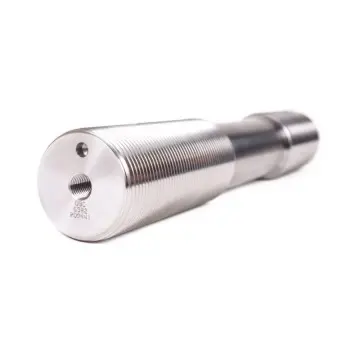
Certified high-reliability marine grade connections built to satisfy international maritime standards.
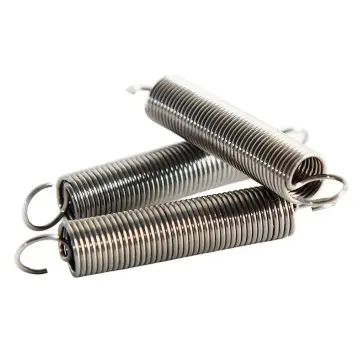
High tensile strength raw materials sourced for demanding dynamic load environments in heavy machinery.
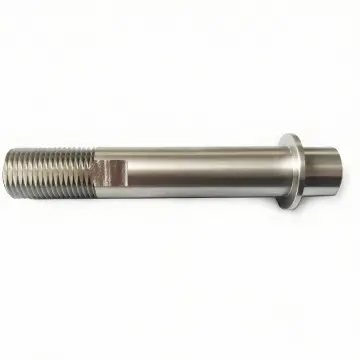
Ultra-high precision CNC turned and milled components engineered for medical, electronic, and semiconductor sectors.
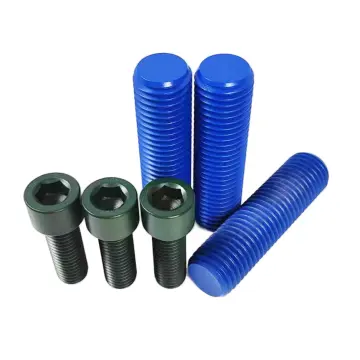
Maintains structural stability and ductility in cryogenic setups including liquid nitrogen and LNG distribution.
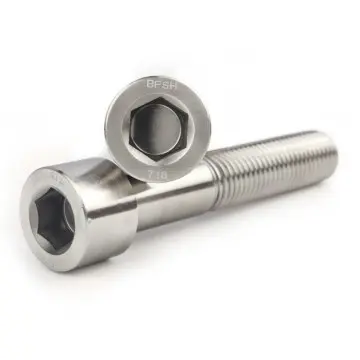
Superalloy structures retaining maximum shear strength under thermal expansions up to 1200℃.
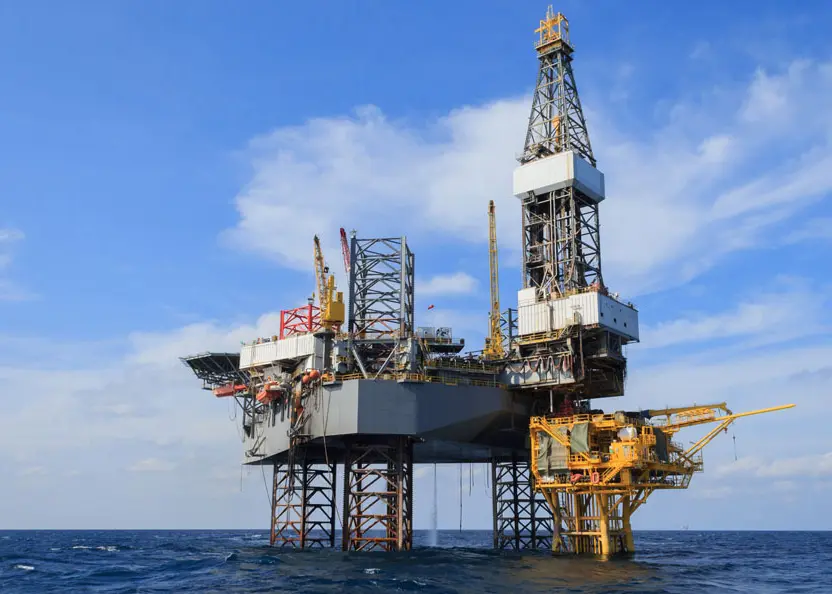
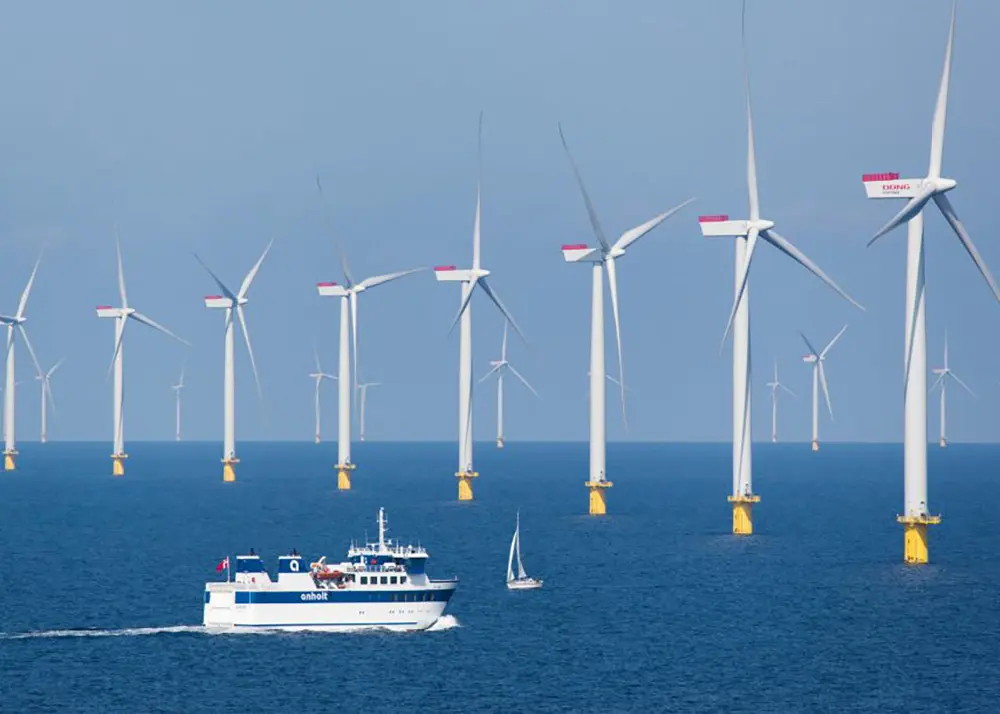
Our special fasteners are widely used in the field of shipbuilding and oceanography engineering, specifically in the manufacture of special ships, marine propulsion, marine accessories, yacht manufacturing, offshore oil drilling platforms, submarine pipelines, offshore wind power, underwater lifeboats, port machinery, dock construction, etc. These special fasteners mainly include A4-80, A5-80, D8-80, D6-70, 2205, L7, 40CrNiMoA, Inconel 718, EN14399 steel structure connection pair, classification society certificate fasteners, etc.
By leveraging grade 5 titanium alloys, marine developers reduce structural mass while preventing galvanic corrosion between aluminum superstructure plates and standard steel fasteners. The anti-biofouling traits of titanium also limit barnacle growth in tidal zones.

Global procurement teams in charge of aerospace, defense, and high-reliability industrial infrastructure prioritize distinct criteria when selecting a titanium fastener vendor. Compliance with standards such as ASTM B348 (for raw titanium bar stock), ASTM F468 (for nonferrous bolts, hex cap screws, and studs), and ASME B18.2.1 is mandatory. Beyond administrative standards, procurement directors analyze the following factors:
Every delivery batch must have mill test reports (MTR) tracing back to the primary titanium sponge melt. This prevents the distribution of recycled scrap titanium, which introduces interstitial elements like nitrogen, carbon, and hydrogen that can cause hydrogen embrittlement and catastrophic shear failures.
Titanium is inherently prone to friction-wear and thread galling under installation torque. Strategic suppliers apply specialized coating layers, such as molybdenum disulfide, anodizing, or physical vapor deposition (PVD) finishes, to control the friction coefficient and simplify maintenance cycles.
Under critical applications, thread pitches must align within ISO 965-1 class 6g tolerances or aerospace-grade UNJ standards (characterized by larger root radii to minimize mechanical stress concentrations).
As the industrial world steps further into 2025, three core development trends are shaping the future of high-performance fasteners:
1. Standardization and Sustainability: Heavy industries are actively targeting circular manufacturing. Recycling titanium chips from CNC machining processes back into primary raw materials using electron beam melting (EBM) is reducing carbon footprints. 2. Ultra-Lightweight Focus: The rapid growth of aerospace vehicles, satellites, and electric vehicles (EVs) has turned mass-reduction into a key performance metric. Replacing steel fasteners with titanium alternatives cuts vehicle weight, improving range and payload efficiency. 3. Advanced Surface Integration: The adoption of functionalized nanocoatings on titanium fasteners prevents micro-galling and oxidation at elevated temperatures, expanding their operating limits without compromising material toughness.
Beiersdorf is not only a supplier of special fasteners, but also can provide various technical consultations and guidance related to fasteners, including the selection of products and raw materials in the early stage, as well as the installation guidance and maintenance of fasteners in the subsequent stage.
Need a Consultation? Contact Us 24/7
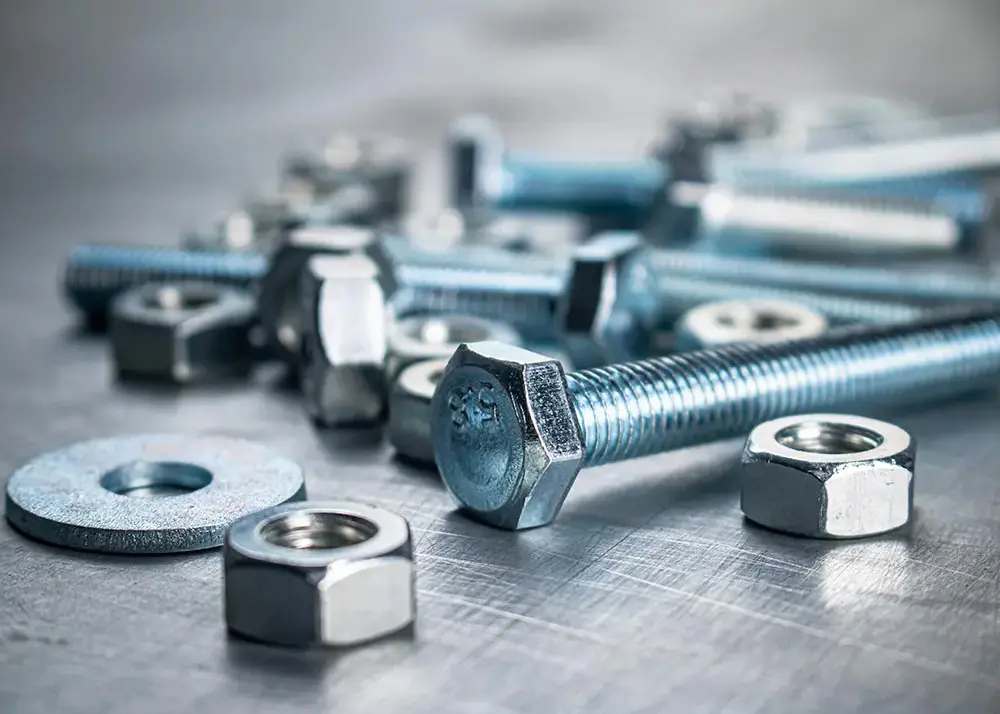
In the heart of the global industrial landscape, the fastener industry stands as a silent but crucial cog driving the machinery of progress. As we step into 2025, the future of fasteners is poised...
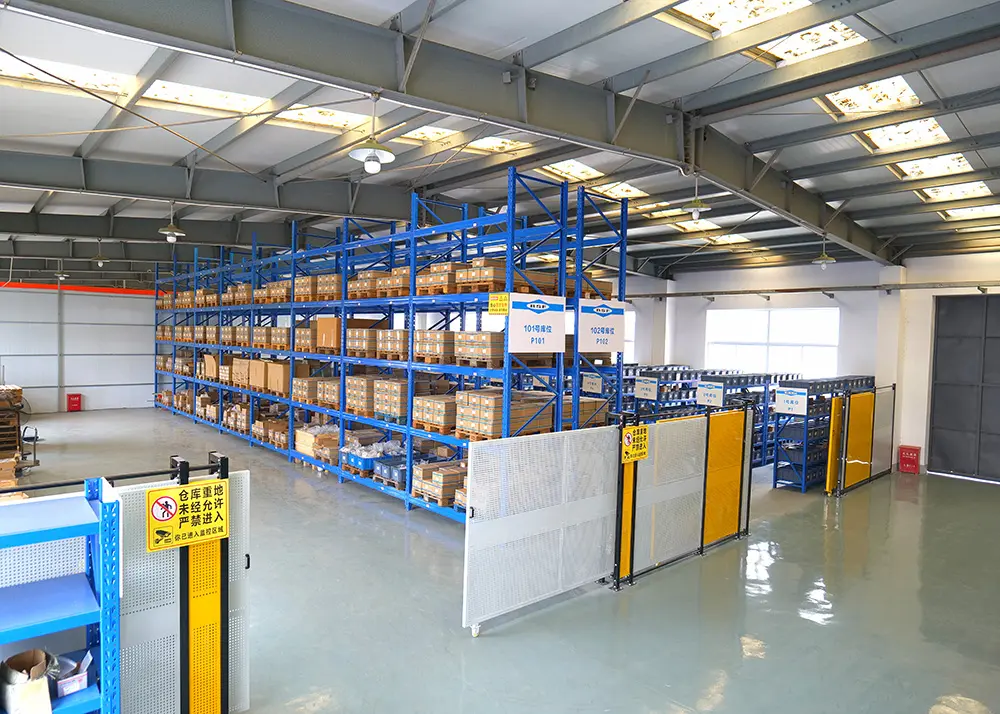
Beiersdorf, a leading global fasteners supply company, has announced the commencement of a comprehensive warehouse renovation project. This initiative is part of the company's ongoing...
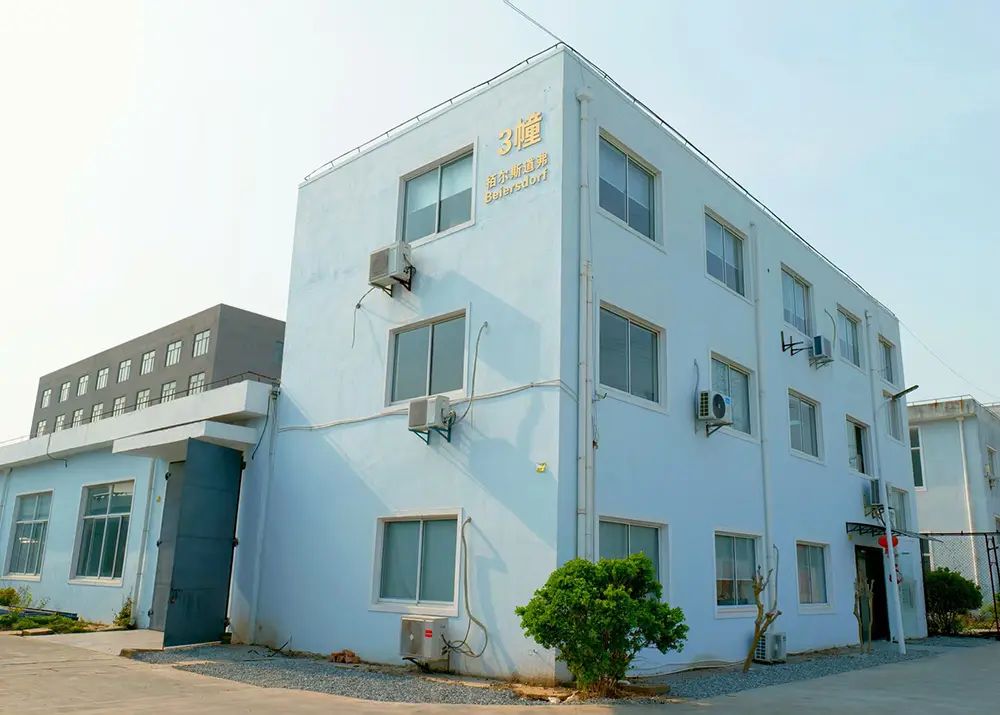
Beiersdorf (Shanghai) was founded in 2015. We are a company with a global perspective dedicated to providing professional fastener solutions. Fasteners, as the most basic and common mechanical part...


 BSF
BSF