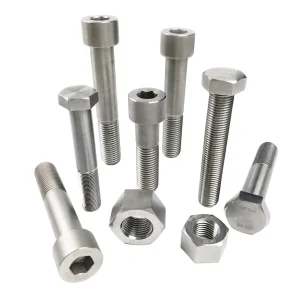
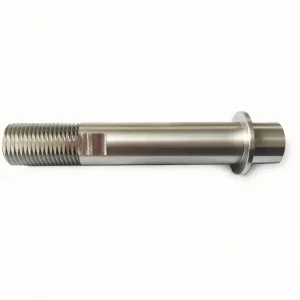
In the domain of industrial fastening, the selection of stainless steel is not merely about preventing rust; it is about metallurgical integrity. Our China Stainless Steel Hexagon Nuts are engineered using high-performance austenitic, martensitic, and precipitation-hardening stainless steels. From 304/316 grade for standard industrial use to Super Duplex 2205/2507 and Nickel Alloys for extreme petrochemical environments, we prioritize material traceability. Every batch undergoes rigorous spectral analysis to ensure the chromium, nickel, and molybdenum ratios meet international ASTM/DIN/ISO standards, effectively mitigating Stress Corrosion Cracking (SCC) and intergranular corrosion.
Our factory employs a dual-stream production philosophy: Cold Heading for high-volume, cost-efficient standard hexagon nuts, and CNC Machining for ultra-high-precision, custom-profiled, and small-batch aerospace components. By optimizing the grain flow during the cold forming process, we achieve superior tensile strength without compromising the nut’s ductility—a critical factor in vibration-heavy automotive and rail transit applications.
The modern procurement landscape demands more than just low costs; it requires transparency and reliability. At our Beiersdorf facilities, we have integrated Industry 4.0 technologies to transform our manufacturing floor. Utilizing IoT-enabled sensors, we monitor production lines in real-time to maintain tolerances within micrometers.
Navigating global standards is complex. We provide comprehensive Localization Support to ensure our products integrate seamlessly into your regional compliance frameworks—be it REACH, RoHS, or specific maritime classification society standards (CCS, DNV, GL). Our engineering consultancy team acts as an extension of your procurement department, assisting in material selection, torque calculation, and fatigue life analysis.
The future of the hexagon nut market lies in weight optimization and coating innovation. We are currently pioneering Zinc-Flake and PVD coatings that offer higher salt-spray resistance while eliminating the risk of hydrogen embrittlement. As we move towards 2030, our R&D roadmap focuses on "Lightweighting"—using high-strength-to-weight ratio alloys that reduce the total assembly mass without sacrificing structural integrity.
A2 (304) is the industry standard for general corrosion resistance. A4 (316) contains molybdenum, providing superior resistance to chlorides and pitting, making it essential for marine and chemical processing environments. The '-70' or '-80' designation refers to the minimum tensile strength (700MPa vs 800MPa).
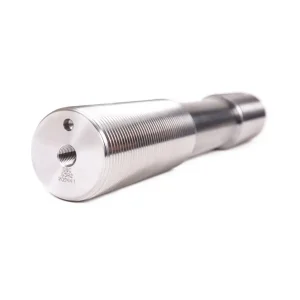
Yes. Our CNC precision machinery division specializes in custom fasteners based on CAD drawings. We can produce complex geometries, proprietary threads, and specialized head profiles tailored to unique assembly requirements.
We utilize automated hash detection, optical sorting machines, and manual spot inspections. Our Quality Management System (QMS) is ISO 9001 certified, and we maintain internal standards that often exceed ISO international requirements.
 BSF
BSF