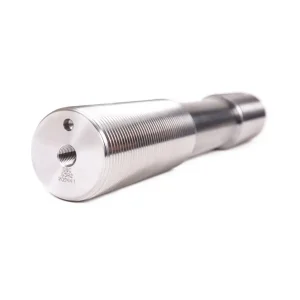
China Self Drilling Tapping Screws Supplier & Fastener Products

Your Elite Partner for Custom Industrial Fasteners, Advanced Ultra-High Precision Components, and Specialized High-Performance Material Solutions Configured for High-Demand Environments.

Whitepaper: Self-Drilling Tapping Screws Engineering & Global Procurement Guide

In the modern structural engineering and manufacturing ecosystems, choice of fasteners influences the structural safety, assembly efficiency, and life-cycle durability of the final application. Among the wide range of mechanical components, Self-Drilling Tapping Screws (SDTS) stand out as highly efficient fasteners. They eliminate pre-drilling and tapping operations, effectively shortening production timelines while maintaining reliable joint tension.

"Eliminating the alignment, drilling, and pre-tapping steps directly addresses assembly costs. SDTS perform drilling, thread forming, and securing tasks in a single dynamic operation."

1. Technical Definitions & Material Science

Self-drilling tapping screws combine the characteristics of a drill bit (the point) and a screw (the threads) into a single component. The drill point (ranging from Point #1 to Point #5) is designed to cut through material—ranging from light gauge sheet metal to structural hot-rolled carbon steel—before the lead threads engage. The threads then cold-form or cut corresponding internal threads in the substrate.

Material selection dictates the performance boundaries of these fasteners:

  • Carbon Steel (Case Hardened): Offers high torsional strength and hardness, making it optimal for steel-to-steel joints. Must be coated with zinc, zinc-nickel, or organic polymers to prevent corrosion.
  • Stainless Steel (304 / 316): Provides excellent corrosion resistance. However, because standard austenitic stainless steel cannot be case-hardened to cut through structural steel, it is suited for softer substrates like aluminum, plastics, and thin timber unless paired with specialized tips.
  • Bi-Metal Fasteners: Feature a carbon steel drill point welded to a stainless steel body. This hybrid construction combines the drilling capability of carbon steel with the long-term corrosion resistance of stainless steel.
Screw Point Type Drill Capacity (Thickness) Primary Base Material Key Applications
Point #2 0.8mm to 2.5mm Light-gauge steel sheets HVAC, metal framing, metal roofing
Point #3 2.5mm to 4.5mm Medium structural steel Solar bracket assembly, machinery guards
Point #4 / #5 4.5mm to 12.0mm Heavy structural hot-rolled steel Industrial steel construction, ocean platforms

2. Self-Drilling vs. Self-Tapping: Clarifying the Nomenclature

A common point of confusion in global procurement is the difference between *self-drilling* and *self-tapping* screws:

Self-Tapping Screws (sheet metal screws): Require a pre-drilled pilot hole. Once the hole is established, the screw taps its own threads in the material.

Self-Drilling Screws: Have a built-in drill point. They drill their own pilot hole, tap the threads, and complete the installation without prior preparation, making them efficient for fast-paced assembly lines.

3. Global Standards Compliance & Localized Regulatory Landscapes

International compliance is a prerequisite for critical infrastructure. For global supply chains, products must adhere strictly to international standards, including:

  • DIN 7504: European standard regulating dimensions, tolerances, and mechanical requirements of self-drilling tapping screws.
  • ISO 15480: Specifies properties for hex washer head self-drilling tapping screws with tapped threads.
  • ASME B18.6.4: Standard regulating American dimensional configurations for thread forming and cutting screws.

Additionally, localized environmental compliance such as RoHS and REACH, along with specific maritime classification standards, ensures that fasteners can be integrated into high-stakes global engineering without regulatory friction.

4. The Strategic Role of China's Advanced Manufacturing Clusters

China's manufacturing infrastructure has evolved from high-volume production to precision engineering. Modern manufacturing clusters, such as those in Shanghai and Zhejiang, integrate advanced raw material sourcing, automated heat treatment, and precision cold heading. Partnering with a specialized Chinese supplier like Beiersdorf provides access to this integrated logistics infrastructure, offering custom alloy options, in-house QA laboratories, and cost-effective production scaling.

Technology & Patents

  • Over 100 utility model patented products.
  • Eight invention patents in specialty fasteners.
  • High-strength configurations up to 1900 MPa tensile strength.
  • Custom temperature capabilities from -270℃ to 1200℃.

Quality Assurance Benchmarks

Our QC labs conduct strict verification tests to ensure batch reliability, including:

  • - Torque & Pull-Out Strength Profiling
  • - Rockwell & Vickers Hardness mapping
  • - Salt Spray testing for marine environments
  • - Spectroscopy for precise material analysis
2535+
Production Base (M²)
100+
Patented Formulations
500t
Raw Materials Stocked
10,000t
Stainless Standard Parts

Technology & Verification Infrastructure

Providing structural reliability through strict manufacturing controls, technical R&D, and optimized warehouse operations.

🔍

Hash Detection

We have formulated a strict sampling inspection system to minimize defects in products leaving our factory.

⚙️

Technology R&D

Our group currently holds more than 100 utility model patented products and eight invention patented products.

📦

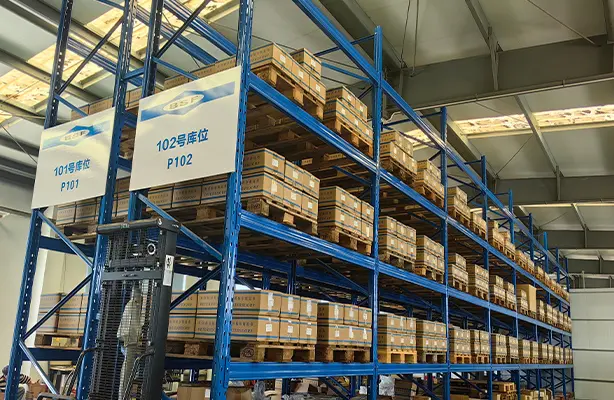
Warehouse Logistics

We manage nearly 100,000 product models, with 500 tons of specialty raw materials and 10,000 tons of finished stainless steel standard parts in stock.

Established 2015

About Beiersdorf Industrial Technology (Shanghai) Co., Ltd.

Located in Shanghai, China, Beiersdorf Industrial Technology is a dedicated supplier of special fasteners and ultra-high precision components. We serve demanding industries with high-performance fasteners designed to perform under extreme mechanical, environmental, and thermal stresses.

“Product quality is the foundation for an enterprise's survival.”
“Heart to sunshine, everything to prosperity.”

Whether supplying standard items or designing custom components from specialized alloys (including titanium, nickel-based, and cobalt alloys), our team ensures alignment with structural design parameters and chemical compliance requirements.

Beiersdorf Facility
Beiersdorf QA Lab
Production Equipment

Custom Fastener Series & Solutions

Explore our specialized range of high-performance components engineered for critical applications.
Non-Magnetic Fasteners

Non-Magnetic Fasteners

Suitable for precision instruments, medical imaging hardware, and aerospace structures.
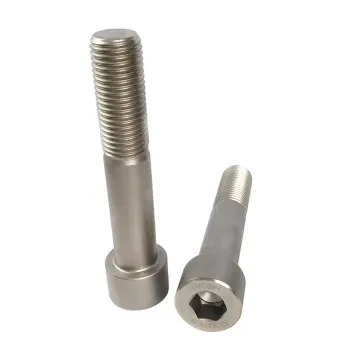
Special Material Bolts

Special Material Bolts

Includes super stainless steel, titanium alloys, nickel-based alloys, and cobalt alloys.
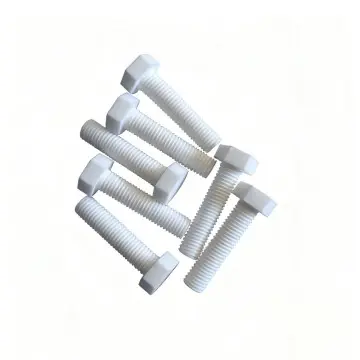
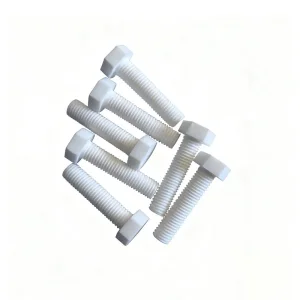
Plastic Fasteners

Plastic Fasteners

Lightweight, non-conductive, and highly corrosion-resistant components.
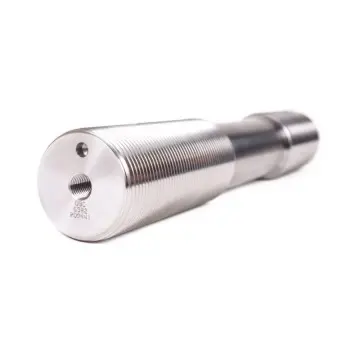
Classification Society Fasteners

Classification Society Fasteners

Certified components designed for marine engineering and shipbuilding applications.
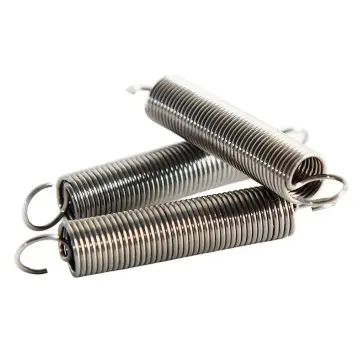
High-End Raw Material Spring Wire

Special Raw Material Spring Wire

High tensile strength wire engineered for demanding dynamic applications.
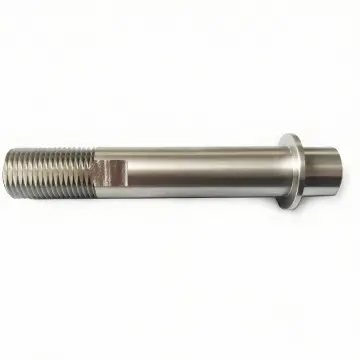
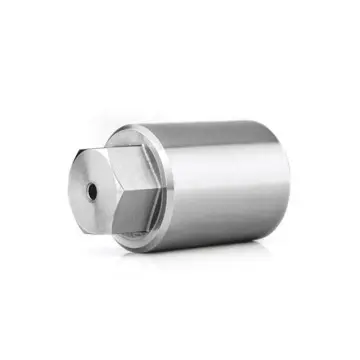
Precision Machined Parts

Precision Machined Parts

Ultra-high precision components for electronics, medical, and semiconductor devices.
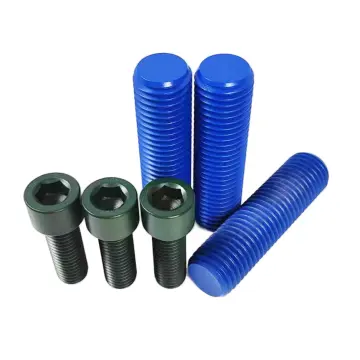
Low Temperature Fasteners

Low Temperature Fasteners

Maintains structural stability and impact toughness down to -270℃.
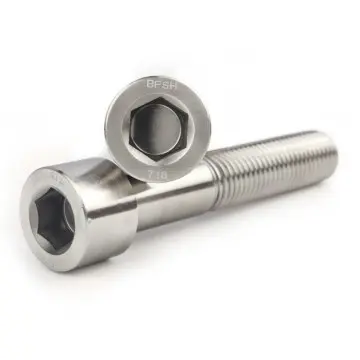
High Temperature Fasteners

High Temperature Fasteners

Maintains physical properties and limits thermal creep up to 1200℃.

Primary Application Fields

Providing engineering support and custom solutions across critical industrial sectors.

Shipbuilding and oceanography engineering

Shipbuilding & Oceanography

Our fasteners are utilized in marine propulsion systems, offshore oil drilling rigs, port machinery, and marine construction. Typical materials include A4-80, A5-80, 2205 duplex, 718 alloys, and classification society certified fasteners.

Energy power field

Energy & Power Field

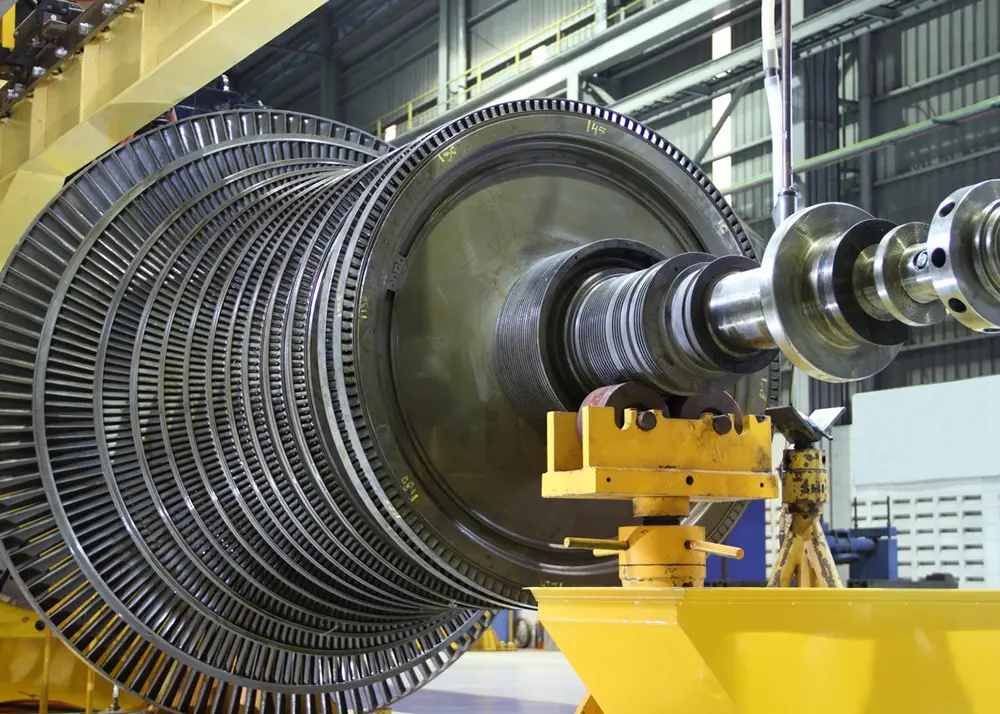
Engineered for high thermal resistance and structural integrity in power generation systems, including gas turbines, boilers, solar arrays, and high-voltage transmission structures.
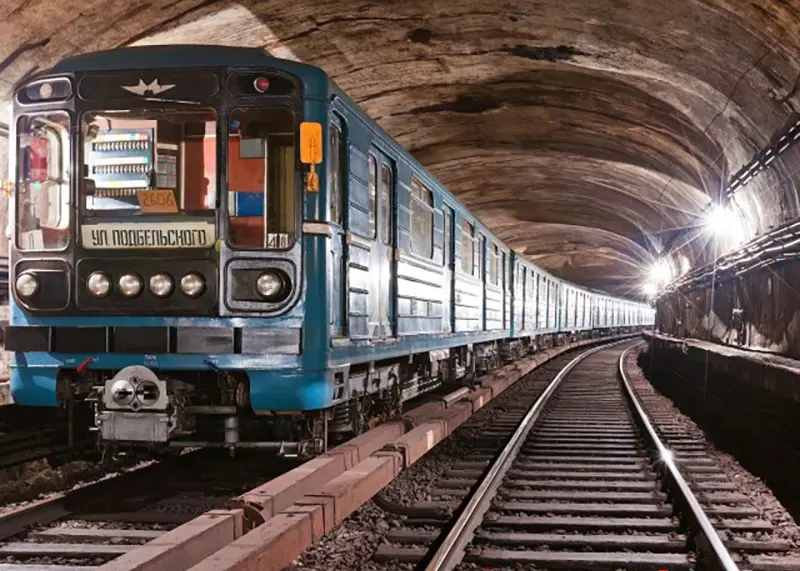
Rail transit field

Rail & Infrastructure

High-tensile fasteners designed to withstand continuous dynamic vibration in high-speed rail systems, carriage assembly, and track infrastructure.

Electronic communication

Electronic Communication

Ultra-high precision, non-magnetic fasteners designed to prevent signal interference in telecommunication towers, radar arrays, and medical diagnostic equipment.
Petrochemical engineering

Petrochemical Engineering

Highly corrosion-resistant components designed to withstand acidic and chemical environments in refining equipment and pipelines.

Engineering FAQ: Self-Drilling Tapping Screws & Specialized Fasteners

Find answers to common technical, compliance, and material specification questions from global procurement teams.

Q1 How do you select the correct drill point size (Point #2 vs. Point #5) for structural steel?
Selecting the drill point size depends on the combined thickness of the steel layers being joined. Point #2 is optimized for thin-gauge sheet metal work (0.8mm to 2.5mm thickness). Point #3 is suitable for standard structural steel channels (up to 4.5mm). For heavy hot-rolled steel and H-beams ranging from 4.5mm to 12.0mm thick, Point #4 or Point #5 is required. If the point is too short, the threads will engage the material before the hole is completed, causing the screw to bind or snap.
Q2 Why are bi-metal self-drilling screws preferred for outdoor solar and marine structures?
Bi-metal screws combine a carbon steel drill point with a stainless steel body. Standard stainless steel cannot be case-hardened to drill through hard steel profiles. The carbon steel point cuts the pilot hole, and then the stainless steel body (often Grade 304 or 316) provides long-term resistance to atmospheric moisture, salt spray, and galvanic corrosion.
Q3 How does Beiersdorf guarantee high-temperature stability up to 1200℃?
We utilize high-temperature superalloys such as Inconel (600, 625, 718), Hastelloy, and specialized titanium alloys. These raw materials undergo vacuum heat treatment to maintain high yield strengths and limit thermal creep under high operational temperatures.
Q4 What quality control steps are executed during the manufacturing process?
Our multi-stage QA framework includes raw material chemistry verification using optical emission spectrometers, continuous dimensional tracking during cold-heading, hardness surveys (Vickers/Rockwell) after heat treatment, thread gauge verification, and tension-load verification tests to confirm structural safety margin requirements.
Q5 What are the key differences between DIN 7504 and ISO 15480 standards?
While both standards govern self-drilling tapping screws, DIN 7504 is the German national standard that outlines shapes (A through N, including pan, countersunk, and hex heads) and basic dimensional properties. ISO 15480 is the international standard focusing specifically on hex washer head self-drilling tapping screws, specifying strict mechanical requirements, thread forms, and drilling performance tests.
Q6 Can non-magnetic fasteners be used in high-vibration medical or aerospace equipment?
Yes. Our non-magnetic fasteners are made from high-strength titanium, specialty copper-nickel alloys, or high-alloy plastics. They prevent electromagnetic interference in MRI machines or aerospace instrumentation while maintaining mechanical resistance to vibration-induced loosening.
Q7 What factors affect the pull-out and shear strength of self-drilling screws?
Key factors include the thickness and hardness of the substrate, the depth of thread engagement, thread pitch, and the chemical composition of the screw. A higher pitch density (threads per inch) increases the shear surface area, which improves resistance to mechanical pull-out in thin sheet metals.
Q8 How does Beiersdorf manage stock levels for global supply chain requirements?
Our warehouse in Shanghai maintains a safety stock of over 500 tons of raw materials and 10,000 tons of finished stainless steel standard parts. This inventory helps stabilize lead times against raw material fluctuations and supports rapid deployment for large-scale infrastructure projects.
Q9 How does classification society certification affect marine engineering projects?
Marine classification certificates (such as DNV, ABS, or CCS) verify that fasteners meet strict safety, chemical, and physical performance limits required for deep-sea engineering, ship hulls, and marine propulsion systems. Using certified fasteners is often a regulatory requirement for marine insurance and compliance.
Q10 What options do you offer for anti-corrosion coatings?
We offer zinc electroplating, hot-dip galvanizing, mechanical zinc plating, zinc-nickel alloy coatings, and organic/ceramic fluoropolymer coatings (like Xylan). These coatings are designed to withstand up to 1,500 hours of salt spray testing without red rust development, depending on environmental requirements.

Get in Touch Now

Beiersdorf provides technical consultations and guidance for custom fasteners. We assist with initial product and raw material selection, installation specifications, and maintenance guidelines for challenging industrial environments.

Call our office directly
+86(0)21-38022886

Our engineering support staff is available Monday through Friday for technical consultation.

Request a Technical Quote

Contact us 24/7 to discuss your project requirements.

Latest Industrial Insights & Updates

Keep up with technical developments, manufacturing updates, and structural engineering trends.
Future of Fasteners
Jan 24, 2025

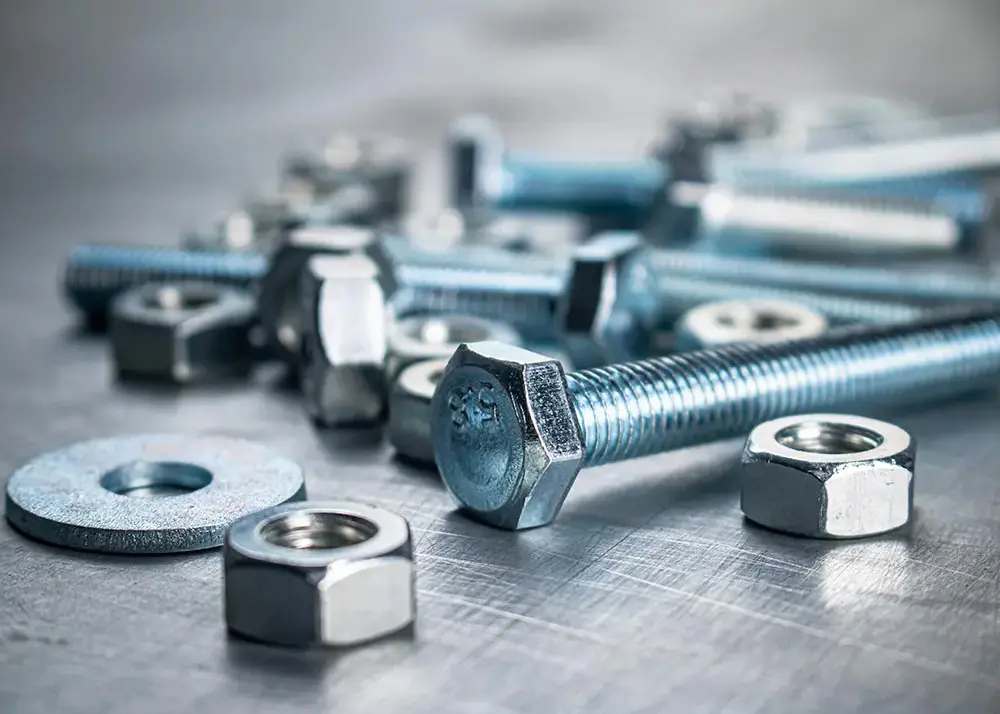
The Future of Fasteners: Innovation, Standardization, and Sustainability

As global manufacturing moves toward automation, the fastener industry is shifting focus toward sustainable coatings and tighter dimensional tolerances...

View More Details →
Warehouse Renovation
Jan 24, 2025

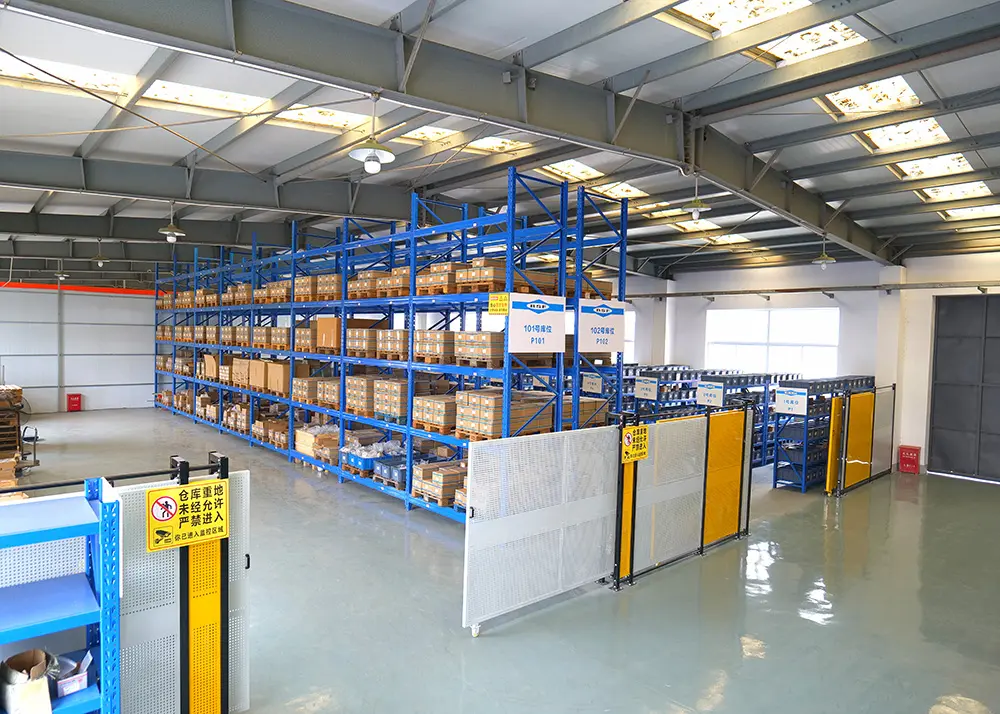
Beiersdorf Embarks on Warehouse Renovation to Enhance Operational Efficiency

We have initiated a logistics upgrade at our Shanghai distribution hub, adding semi-automated retrieval systems to improve processing speed...

View More Details →

Establishment Beiersdorf
Jan 24, 2025

Connect the world, Fasten the future -- Establishment of Beiersdorf (Shanghai)

Founded in 2015, Beiersdorf was established with a focus on delivering engineered fastener solutions to maritime and high-temperature industries...

View More Details →

Global Logistics & Distribution

Serving industrial markets across Europe, North America, Southeast Asia, and the Middle East from our Shanghai hub.

Beiersdorf Market Distribution Map