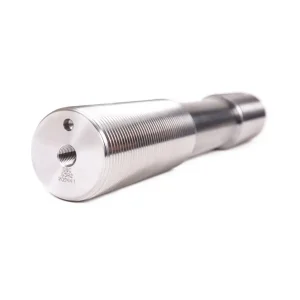
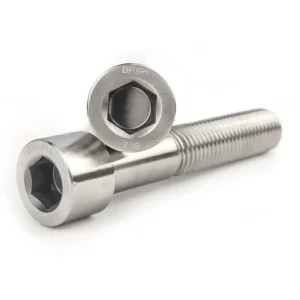
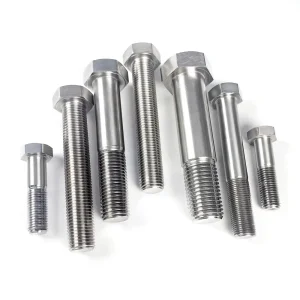
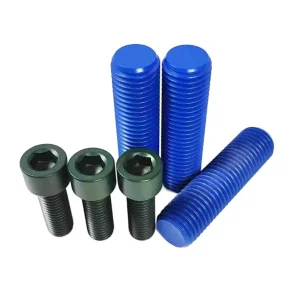
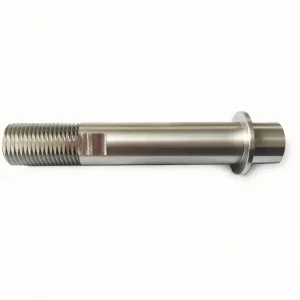
In modern mechanical and structural engineering, high-stress load distribution is a core parameter that dictates system reliability. Alloy Half-Moon Nuts (also known in structural steelwork as crescent washers or lunar cross-dowel nuts) are specialized fastening components designed to secure perpendicular joints and circular piping flanges. They act as critical anchors that redistribute axial forces along curved channels, preventing stress concentrations that can lead to catastrophic joint failure.
Globally, the market for alloy half-moon nuts is experiencing rapid growth driven by the acceleration of maritime energy infrastructure, structural mass timber frameworks, offshore wind developments, and heavy transport manufacturing. The structural dynamics of curved interfaces—particularly in aerospace frames and undersea petrochemical piping—demand alloy configurations that resist mechanical deformation and chemical corrosion. Industrial buyers are shifting away from standard carbon steels toward high-strength, micro-alloyed configurations containing elements like Chromium, Molybdenum, Titanium, and Nickel to meet modern safety margins.
China, as the world's premier metallurgical manufacturing powerhouse, plays a pivotal role in this supply chain. Chinese exporters have upgraded their manufacturing bases from basic steel fabrication to high-precision, CNC-machined, and cold-forged alloy processing. By leveraging advanced thermal treatments and automated thread rolling technologies, Chinese factories now offer industrial components that match or exceed international standards (such as ASTM, DIN, ISO, and EN specifications) at optimized economies of scale. Leading firms like Beiersdorf Industrial Technology in Shanghai lead this vanguard, supplying certified custom components across critical global regions.
The industrial fastener sector is undergoing a profound transformation. The key driving factors reshaping the production and deployment of alloy half-moon nuts include:
We have formulated the most stringent sampling inspection system, utilizing digital profiling, magnetic particle inspection, and ultrasonic scanners to strive to achieve zero defects for all products out of our factory.
Innovation is at the core of Beiersdorf. At present, our entire group has more than 100 utility model patented products and eight invention patented products, proving our technical superiority.
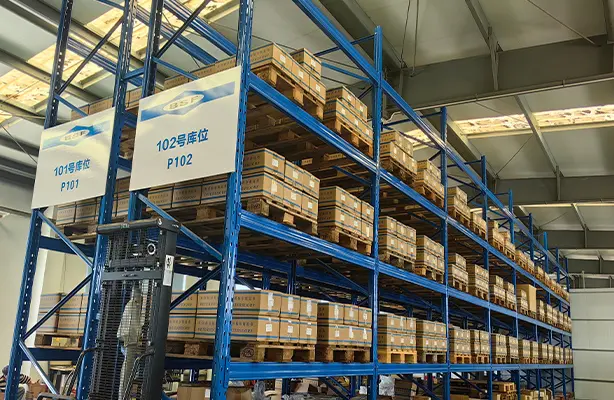
We operate nearly 100,000 product models, with 500 tons of special raw materials in stock and 10,000 tons of finished stainless steel standard parts in stock for immediate global dispatch.
Beiersdorf Industrial Technology (Shanghai) Co., Ltd. was established in 2015 and is located in Shanghai, China. It is an enterprise mainly engaged in the business of special fasteners and ultra-high precision components.
"Product quality is the foundation for an enterprise's survival."
"Heart to sunshine, everything to prosperity"
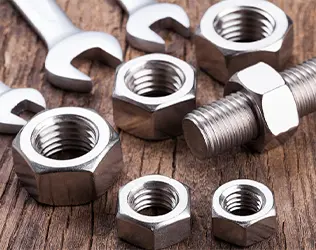
The operational necessity of Alloy Half-Moon Nuts becomes clear when analyzing specific high-risk regional environments. In marine shipbuilding and ocean engineering, fasteners are exposed to salt spray and high tensile loads. In oceanographic zones, joints must maintain structural alignment under fluctuating undersea pressures and wave-induced shear fatigue. Standard carbon steel fasteners disintegrate under these conditions, making corrosion-resistant, classification-society-certified alloys the standard.
For heavy transport networks, such as rail freight transit and locomotive frames, components face continuous high-frequency vibration. Under these dynamic forces, standard thread profiles can slip, leading to complete joint separation. The half-moon configuration distributes this localized shear force across a broad, curved contact surface. This mitigates stress concentration points and ensures the connection remains stable over long operational life-cycles.
In chemical and petrochemical engineering, fasteners secure piping networks carrying high-pressure, volatile compounds. Thermal expansion cycles in refineries subject mechanical joints to extreme physical stress. Selecting titanium, nickel-based superalloys (such as Inconel), or cobalt-based alloys ensures that bolts, studs, and half-moon nuts retain their tensile properties. This reduces the risk of hazardous emissions and sudden structural failures.
The technical trajectory of alloy fasteners targets extreme performance boundaries. The development roadmap highlights three primary milestones:
Through alloying formulations (including Cobalt-Chrome-Nickel bases), modern fasteners achieve stability at cryogenic levels down to -270°C for LNG carrier tanks and aerospace liquid rocket boosters. At the other end of the scale, high-temperature fasteners can withstand environments up to 1200°C without significant creep deformation or oxidation, critical for gas turbine components and advanced exhaust headers.
Conventional structural joints rely on Grade 8.8 or 10.9 fasteners. Modern industrial demands require tensile capacities up to 1900 MPa. Achieving this strength requires precise vacuum induction melting (VIM), electro-slag remelting (ESR), and secondary thermal treatments to prevent hydrogen embrittlement.
Advanced multi-axis CNC machining centers enable production tolerances of +/-0.005mm. For medical and semiconductor manufacturing equipment, cleanroom-ready micro fasteners must contain minimal magnetic properties and outgassing characteristics, demanding precision-machined plastics, titanium alloys, or non-magnetic stainless steel alloys.
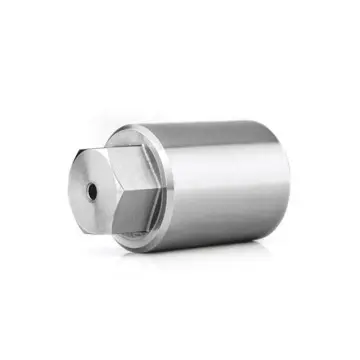
Suitable for electronic, semiconductor, and medical imaging applications requiring zero magnetic interference.
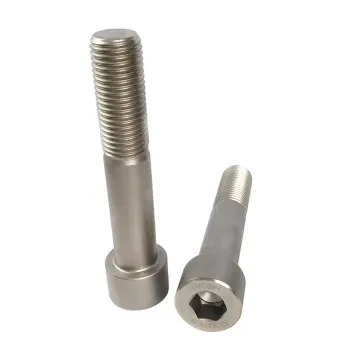
Includes super duplex steels, Inconel, Monel, Hastelloy, and other tailored chemical formulations.
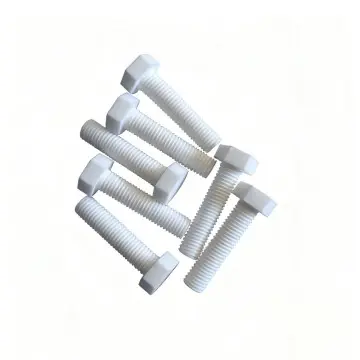
Lightweight, non-conductive, and corrosion-resistant fasteners for specialized equipment.
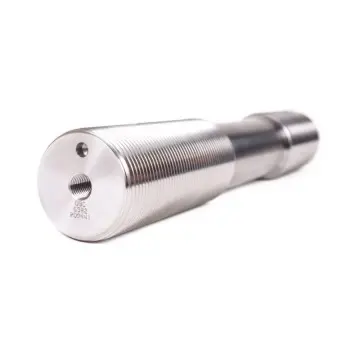
Fully certified fasteners for ships and marine engineering structures.
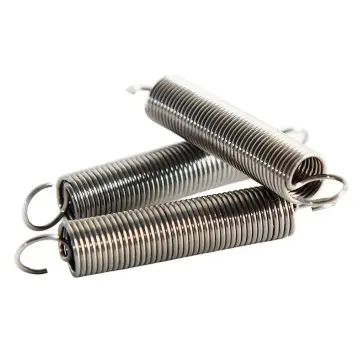
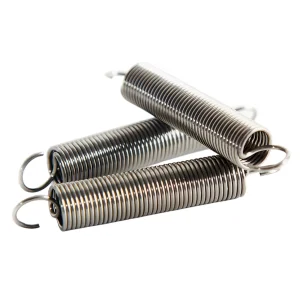
High tensile strength spring wire engineered for demanding dynamic applications.
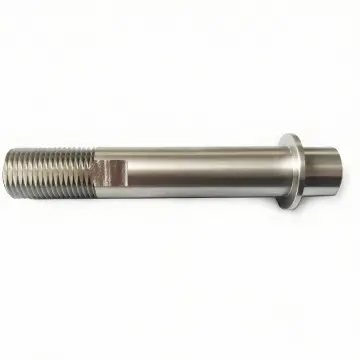
Ultra high precision components manufactured to strict micron-level engineering tolerances.
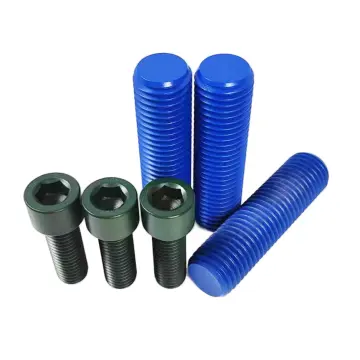
Ensures mechanical stability down to cryogenic zones of -270℃.
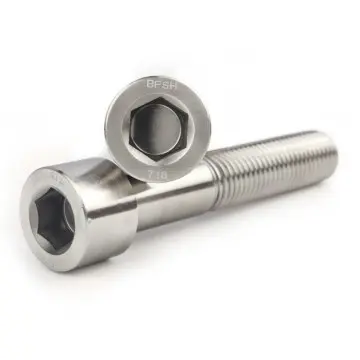
Maintains yield strength and limits creep deformation in operations up to 1200℃.
Our special fasteners are widely used in the field of shipbuilding and oceanography engineering, specifically in the manufacture of special ships, marine propulsion, marine accessories, yacht manufacturing, offshore oil drilling platforms, submarine pipelines, offshore wind power, underwater lifeboats, port machinery, dock construction, etc.
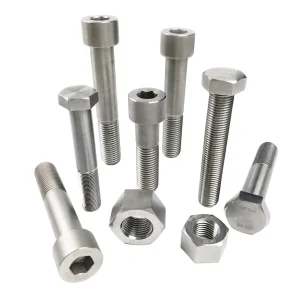
These special fasteners mainly include A4-80, A5-80, D8-80, D6-70, 2205 duplex stainless steel, ASTM A320 Grade L7, 40CrNiMoA, Alloy 718 (Inconel), EN14399 steel structure connection pairs, and classification society certificate fasteners.
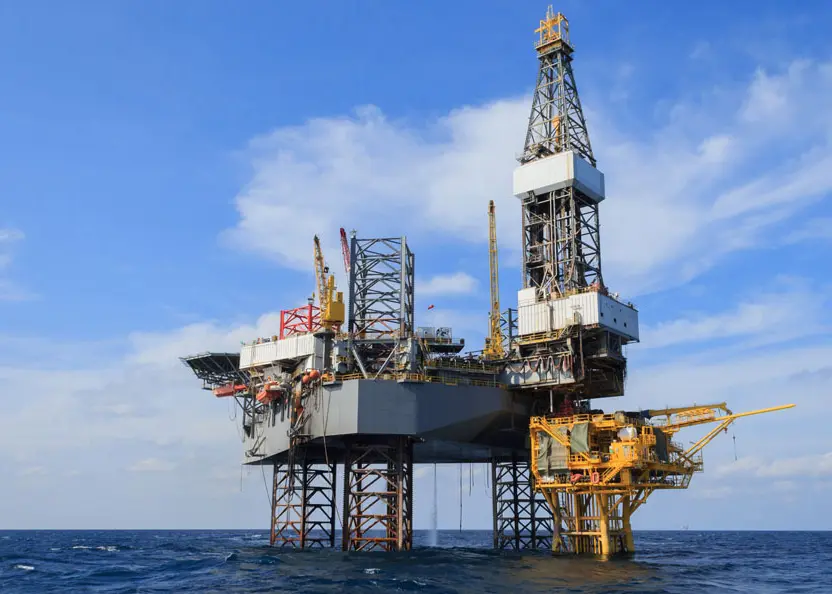
Beiersdorf's precision-engineered alloy fasteners and custom half-moon nuts are exported to major industrial centers worldwide, serving maritime projects, petrochemical processing facilities, and infrastructure developments.


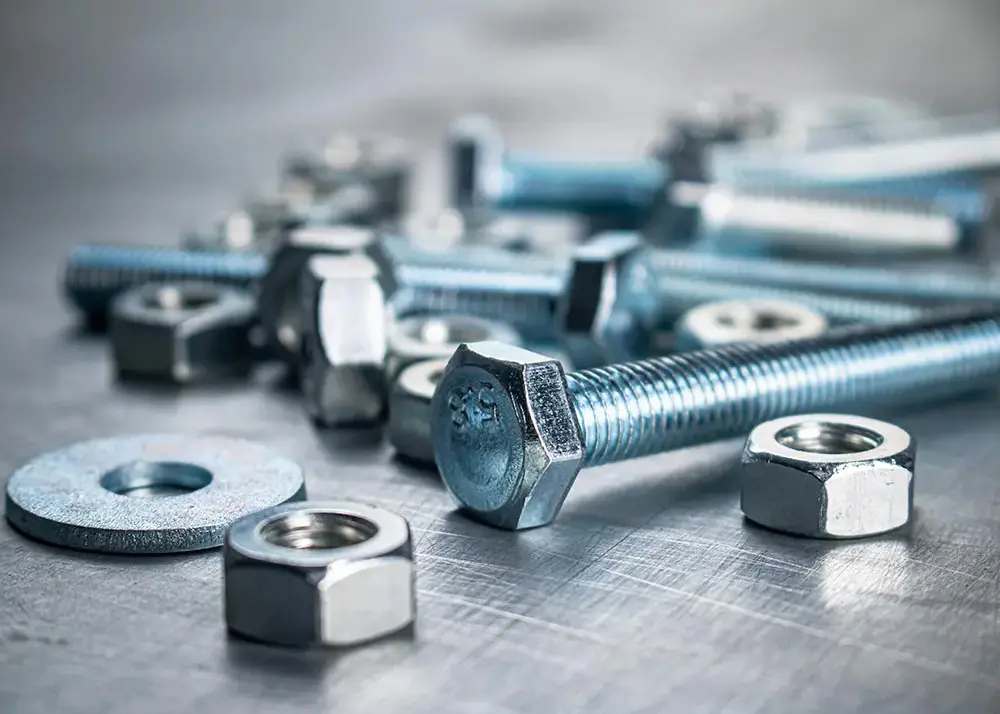
In the heart of the global industrial landscape, the fastener industry stands as a silent but crucial cog driving the machinery of progress. As we step into 2025, the future of fasteners is poised...
View More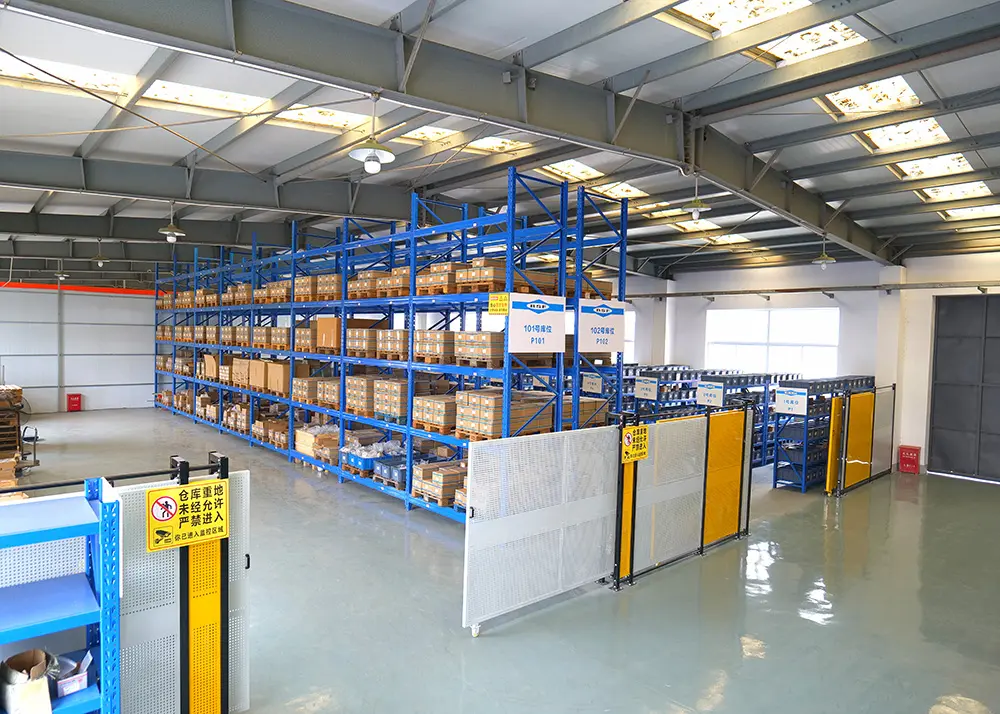
Beiersdorf, a leading global fasteners supply company, has announced the commencement of a comprehensive warehouse renovation project. This initiative is part of the company's ongoing commitment...
View More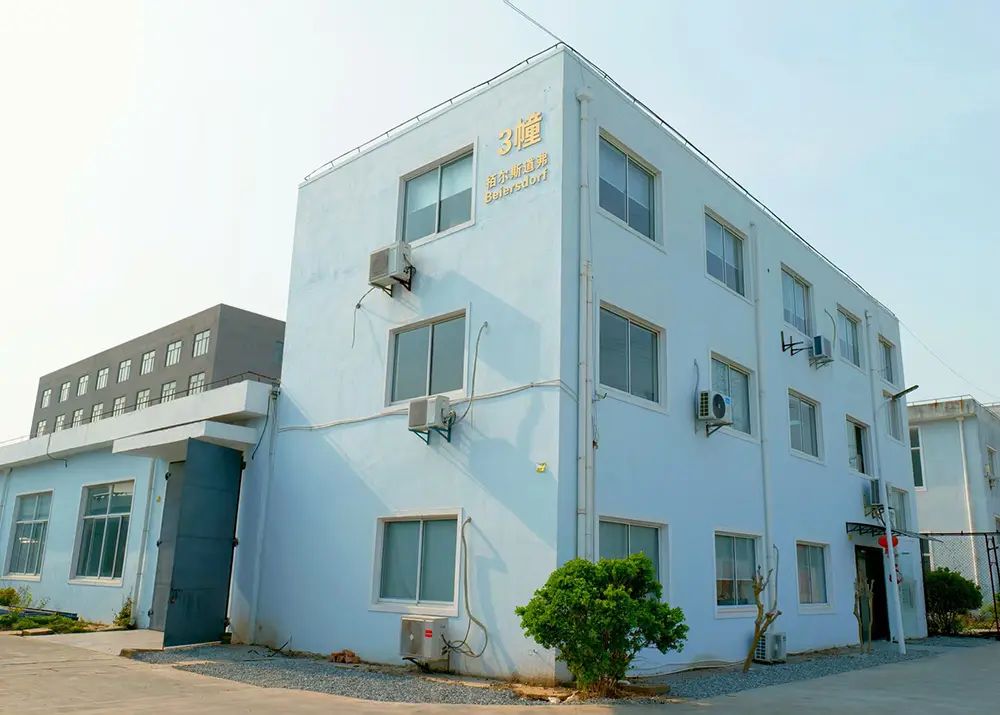
Beiersdorf (Shanghai) was founded in 2015. We are a company with a global perspective dedicated to providing professional fastener solutions. Fasteners, as the most basic and common mechanical parts...
View MoreBeiersdorf is not only a supplier of special fasteners, but also can provide various technical consultations and guidance related to fasteners, including the selection of products and raw materials in the early stage, as well as the installation guidance and maintenance of fasteners in the subsequent stage.
Need a Consultation? Contact Us 24/7
 BSF
BSF