Explore our catalog of advanced metallurgical anchoring elements and components optimized for demanding structural installations.
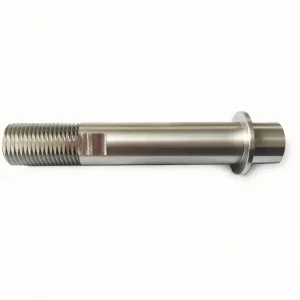
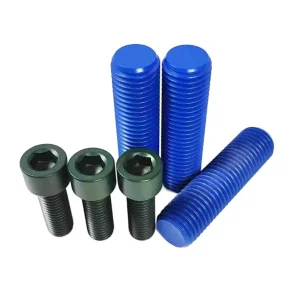
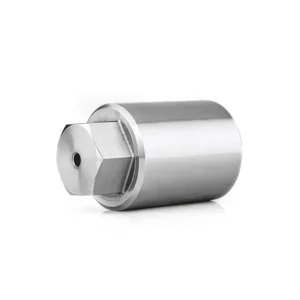
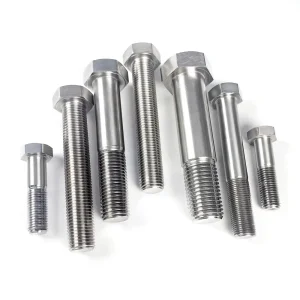
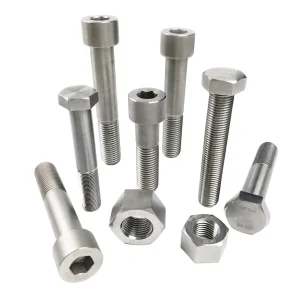
Stainless steel toggle bolts represent a critical fastening methodology engineered specifically for hollow substrates, including aerated concrete, structural cavities, hollow masonry, and composite fiber panels. The functional principle hinges upon load dispersion. When a standard fastener experiences high pull-out forces on a thin wall, it risks structural failure due to shear stress truncation.
The spring-actuated wing mechanism on a toggle bolt collapses to pass through a pre-drilled clearance hole and automatically expands behind the hollow wall. This shifts the failure envelope from local shear pull-out to a wider compression load distributed across the rear face of the substrate. Calculating this requires evaluating the bearing surface area of the fully open toggle wings against the ultimate compressive strength of the wall material.
At Beiersdorf, our mechanical testing indicates that precision-manufactured stainless steel toggle bolts exhibit up to a 45% increase in pull-out load limits compared to zinc-alloy counterparts, primarily due to the flexural modulus and yield strength of Grade 316 stainless steel under severe installation torques.
The performance of a toggle anchor in critical industrial applications is limited by the chemical configuration of its alloy. In corrosive conditions—such as marine splash zones, high-humidity processing facilities, and chemical exhaust plenums—ordinary carbon steel is subject to fast oxidation.
By utilizing high-grade Austenitic Stainless Steels (such as AISI 304, AISI 316, and 316L) along with Duplex 2205 alloys, we ensure the formation of a self-healing chromium oxide (Cr₂O₃) passive layer. To evaluate performance in high-chloride marine environments, engineers rely on the Pitting Resistance Equivalent Number (PREN):
With Molybdenum content between 2.0% and 3.0%, AISI 316 achieves a PREN value of approximately 23-25, showing high resistance to localized pitting and crevice corrosion compared to AISI 304. For extreme marine environments, our duplex alloys reach PREN levels above 35, protecting critical installations from mechanical degradation.
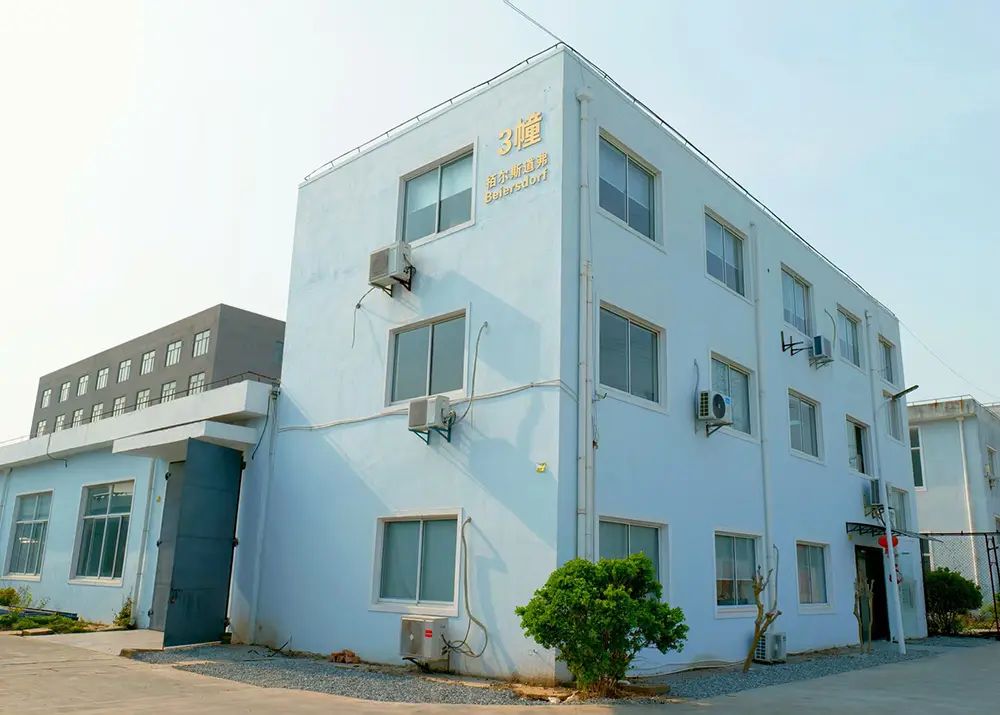
Operating a 2,535 m² manufacturing base in Shanghai, Beiersdorf Industrial Technology integrates modern fabrication techniques to ensure precision, repeatability, and efficiency. Traditional fastener fabrication often introduces structural inconsistencies during heading and thread rolling. In our Factory 4.0 framework, multi-station cold-forging machines form fastener components under computer control, preserving the grain-flow integrity of the metal.
Our integration of automated optical inspection (AOI) systems—often referred to as our *Hash Detection* protocol—measures dimensional variations with accuracies down to ±0.01mm. This eliminates human error and guarantees that every batch of toggle wings, threaded rods, and expansion channels conforms strictly to target tolerances.
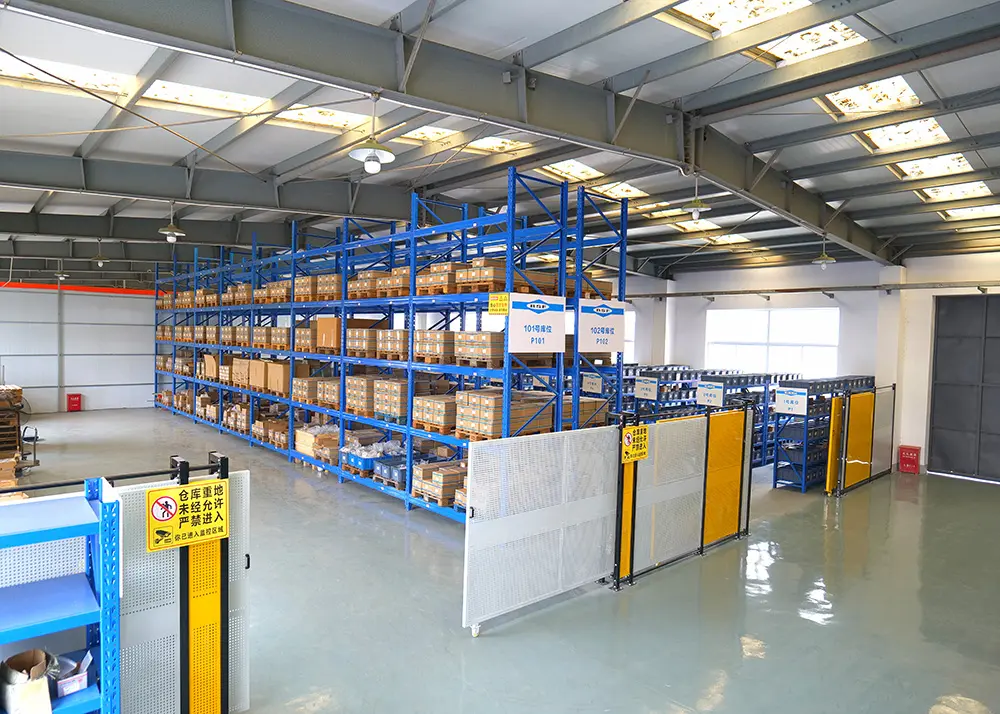
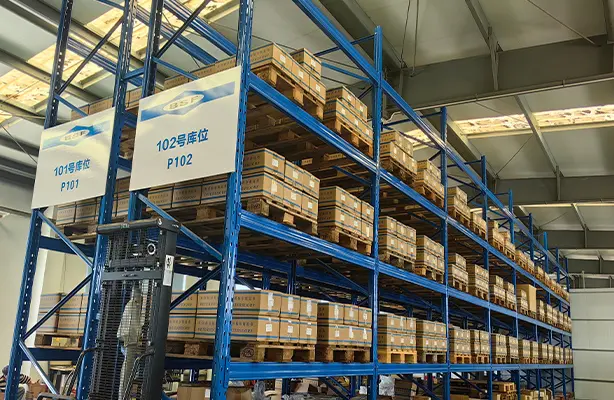
With 500 tons of specialized raw alloy material and over 10,000 tons of finished stainless steel standard parts in stock, we manage global delivery timelines with low lead times, matching the procurement cycles of modern infrastructure projects.
The fastener industry is evolving beyond traditional geometry. The technical roadmap at Beiersdorf focuses on three key innovations:
Our commitment to quality, advanced research and development, and modern supply chain systems defines our position in the global industry.
We enforce a strict sampling inspection system utilizing spectral scanners, ultrasonic imaging, and mechanical pull-testers to achieve zero defects for every batch dispatched from our factory.
Our group holds more than 100 utility model patented products and 8 invention patented designs. We continuously innovate to develop specialized fastening systems for extreme industrial conditions.
We manage nearly 100,000 product models. A continuous stock of 500 tons of special raw materials and 10,000 tons of finished stainless steel standard parts ensures immediate logistics response.
Our engineered toggle anchors and specialty fasteners are utilized across diverse mission-critical global industries.
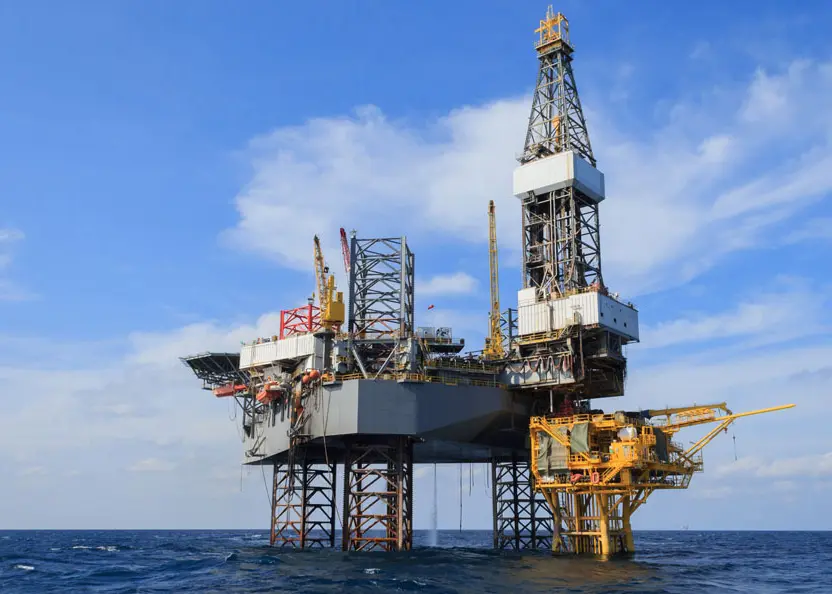
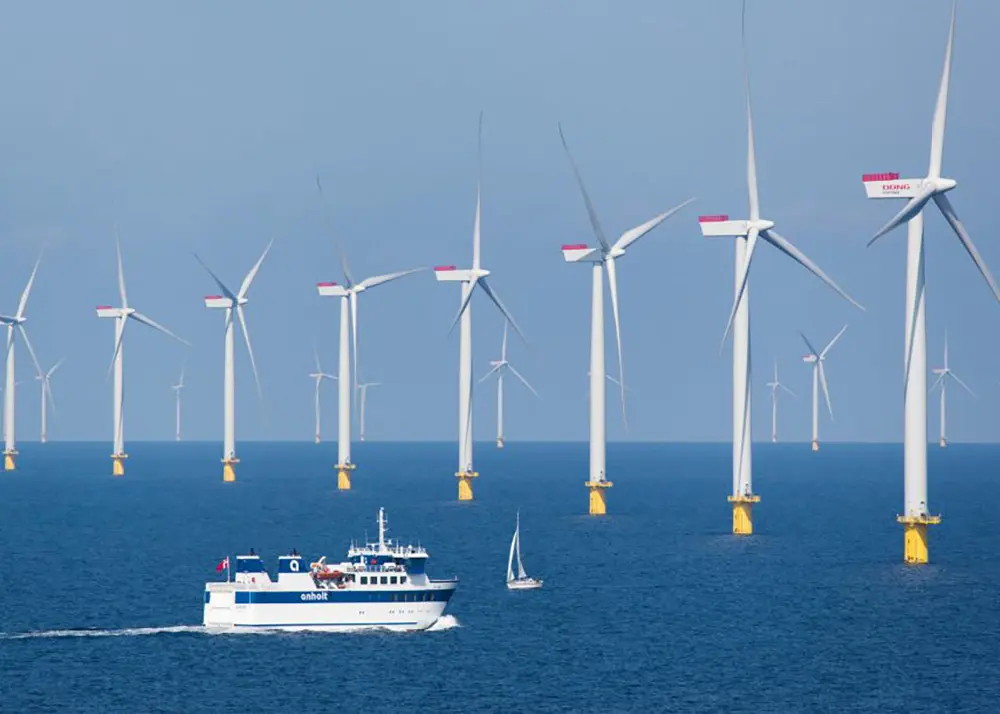
Used in special ship construction, propulsion systems, offshore oil drilling platforms, marine pipelines, and wind energy installations. Fasteners comply with CCS certification rules utilizing A4-80, A5-80, Duplex 2205, and Inconel 718.
High-integrity alloys designed to maintain yield strength up to 1200℃ within chemical reactors, exhaust gas cleaners, desulfurization equipment, and pressurized piping networks.
Non-magnetic fasteners and ultra-high precision custom machined components machined to micron level tolerances, critical for sensitive lithography machines, cleanrooms, and medical diagnostic hardware.
Global industrial procurement is governed by strict regulatory compliance frameworks. Fasteners are not simple commodities; they are load-bearing safety components. Beiersdorf guarantees complete transparency and traceability for all shipments.
Our products meet international standards including ASTM, ASME, DIN, ISO, BS, and JIS. For marine projects, we supply certified classification fasteners approved by major maritime classification societies (such as DNV, ABS, LR, and CCS), ensuring safe operation in high-salinity marine applications.
Our localization support service helps engineering firms select appropriate alloys and thread dimensions during the design phase. We also provide on-site installation guidance to verify correct torque values and prevent galling during setup.
| Alloy Grade | Tensile Strength (MPa) | Yield Strength (MPa) | Operating Temp Limit | Corrosion Resistance |
|---|---|---|---|---|
| AISI 304 (A2-70) | 700 Min | 450 Min | -196℃ to 800℃ | Standard Industrial |
| AISI 316 (A4-80) | 800 Min | 600 Min | -270℃ to 800℃ | High (Marine / Acid) |
| Duplex 2205 | 900 Min | 650 Min | -50℃ to 300℃ | Extreme (Pitting / SCC) |
| Inconel 718 | 1200 Min | 1000 Min | -250℃ to 700℃ | Superalloy Specialty |
Explore our advanced classification and high-temperature alloy fasteners designed for complex mechanical installations.
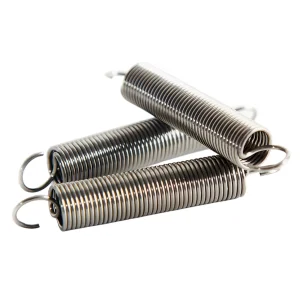
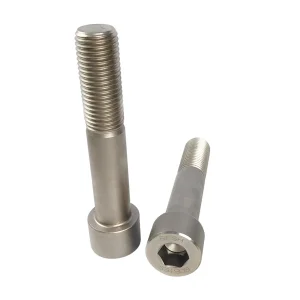
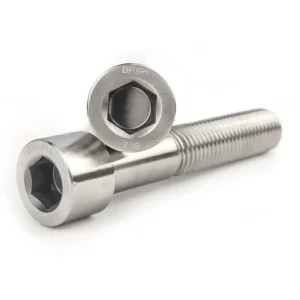
Expert answers addressing the design, metallurgy, installation, and deployment of stainless steel anchoring systems.
The shear load capacity ($V_c$) depends on the core steel's shear strength and the substrate's local bearing capacity. For hollow masonry, local crushing of the brick shell is often the governing failure mode rather than bolt shear. Calculating this requires distributing the load over the contact surface of the toggle wings, limiting bearing pressure to 0.35 times the characteristic compressive strength of the masonry unit. We recommend using a safety factor of 4.0 for structural engineering design.
AISI 316 contains 2-3% Molybdenum, which increases its resistance to chloride-induced pitting and crevice corrosion. Marine atmospheres contain high concentrations of sodium chloride, which can disrupt the passive film of chromium oxide on 304 stainless steel, leading to localized pitting. Grade 316 maintains passive film stability under these conditions, helping to prevent corrosion fatigue.
At cryogenic temperatures, standard carbon steels undergo a ductile-to-brittle transition, leaving them vulnerable to sudden catastrophic failure. High-nickel and high-chromium austenitic stainless steels maintain a Face-Centered Cubic (FCC) crystal structure down to absolute zero. This lattice structure prevents cleavage fracture propagation, maintaining high impact toughness and ductility even when submerged in liquid helium.
Beiersdorf utilizes a multi-step quality assurance program. The initial phase involves verifying raw material heat chemistry through optical emission spectroscopy. During production, optical sensors check dimensional conformity, followed by automated sorting of finished parts. Finally, dynamic load tests, ultrasonic integrity scanning, and thread check inspections verify that every batch meets specification before packaging.
Beiersdorf Industrial Technology (Shanghai) Co., Ltd. was established in 2015 and is located in Shanghai, China. We specialize in engineering and manufacturing high-integrity special fasteners and ultra-high precision components for critical infrastructure projects.
Our business philosophy is simple: “Product quality is the foundation for an enterprise's survival.” We believe that attention to detail, continuous research and development, and customer service are essential to maintaining long-term partnerships with our clients worldwide.
“Heart to sunshine, everything to prosperity” — driving our engineers to push boundaries and design fastening solutions for the modern world.
Beiersdorf provides technical consultation and guidance for high-performance fastening applications. Our support team can assist with product selection, raw material choices, and installation procedures.

Need configuration support? Contact us for technical assistance.
Keep up with research and operational updates in the high-integrity structural assembly field.
Analyzing new global standardization changes, environmental initiatives in low-carbon steel, and advanced mechanical designs shaping industrial assembly.
Our facility upgrade improves stock management and order processing speed for our selection of standard and custom fasteners.
Looking back at our 2015 founding and our development path toward becoming a reliable international partner for specialized anchoring solutions.
Our high-integrity fasteners are distributed to industrial projects and manufacturing hubs worldwide.


 BSF
BSF