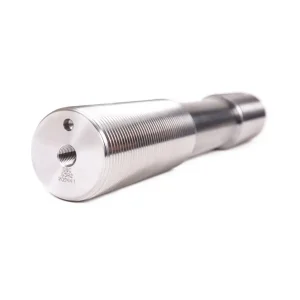
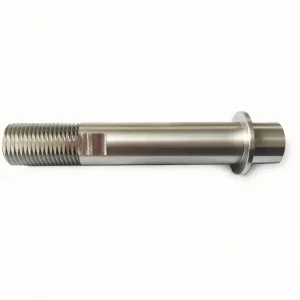
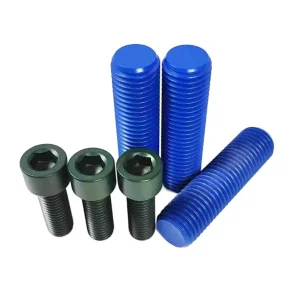
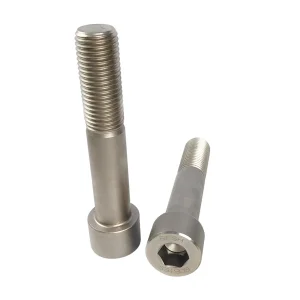
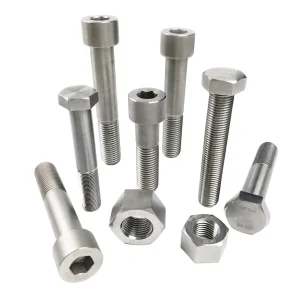
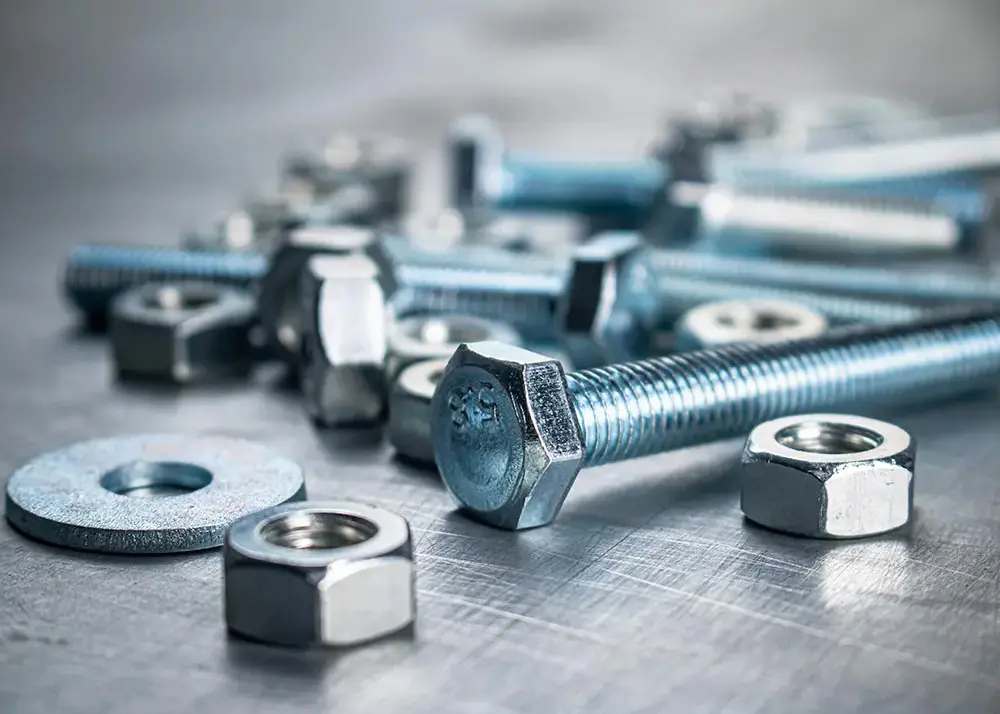
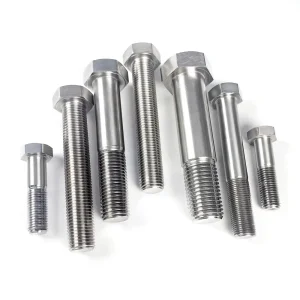
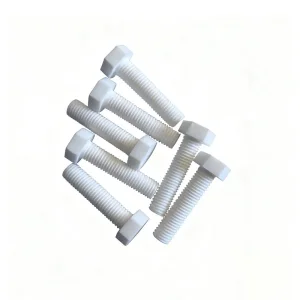
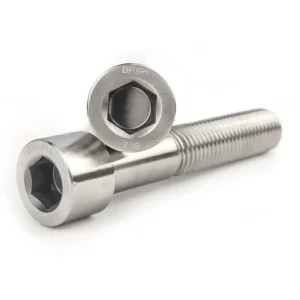
In modern mechanical design and structural engineering, the 5/16 inch stainless steel bolt represents one of the most widely used fractional fastener standards globally. Utilized across both Unified Coarse (18 TPI - UNC) and Unified Fine (24 TPI - UNF) thread pitches, 5/16" bolts form the bedrock of architectural, marine, and light-to-medium industrial assembly applications. Stainless steel alloys, particularly Grade 304 (A2) and Grade 316 (A4), are specified to mitigate the pervasive effects of atmospheric, galvanic, and chemical corrosion.
As industrial infrastructure pivots towards longevity and lowered maintenance overheads, the global market for stainless steel fasteners continues to register consistent compound annual growth rates (CAGR). Today's supply networks demand a high level of metallurgical predictability, precision tolerance control, and consistent mechanical behavior. China, as a dominant manufacturing hub, has transitioned from producing standard carbon steel components to exporting high-end, super stainless steel, titanium, and nickel-alloy fasteners. This technological evolution supports demanding operating parameters required by offshore energy, marine engineering, and advanced automotive assembly.
According to international standards like ASME B18.2.1 and ASTM F593, a 5/16 bolt must maintain rigorous tensile yield strengths to secure load-bearing profiles. Grade 316 options are highly sought after by industrial procurement officers due to the addition of 2-3% Molybdenum, which dramatically enhances pitting resistance in chloride-heavy settings. For critical structures, relying on certified, traceable China manufacturing centers ensures that the chemical composition and mechanical stress ratings conform strictly to international baselines.
The fastener landscape is undergoing a significant transformation driven by material science breakthroughs and environmental regulations. Industry 4.0 paradigms require that fasteners do not simply act as passive locking components but rather perform reliably in harsh environments. We identify three overarching developments in the premium fastener sector:
To maintain competitiveness, Chinese exporters are investing heavily in automated heat-treatment systems, multi-station cold-forging gear, and high-precision CNC finishing machines. By combining these advanced manufacturing techniques with rigorous material traceability, suppliers can fulfill the demands of international clients who require both high volume and high precision.
Our manufacturing ethos is built on the belief that product quality is the foundation for an enterprise's survival. To achieve this, we have implemented a strict sampling inspection system to work towards achieving zero defects for every batch of fasteners leaving the facility.
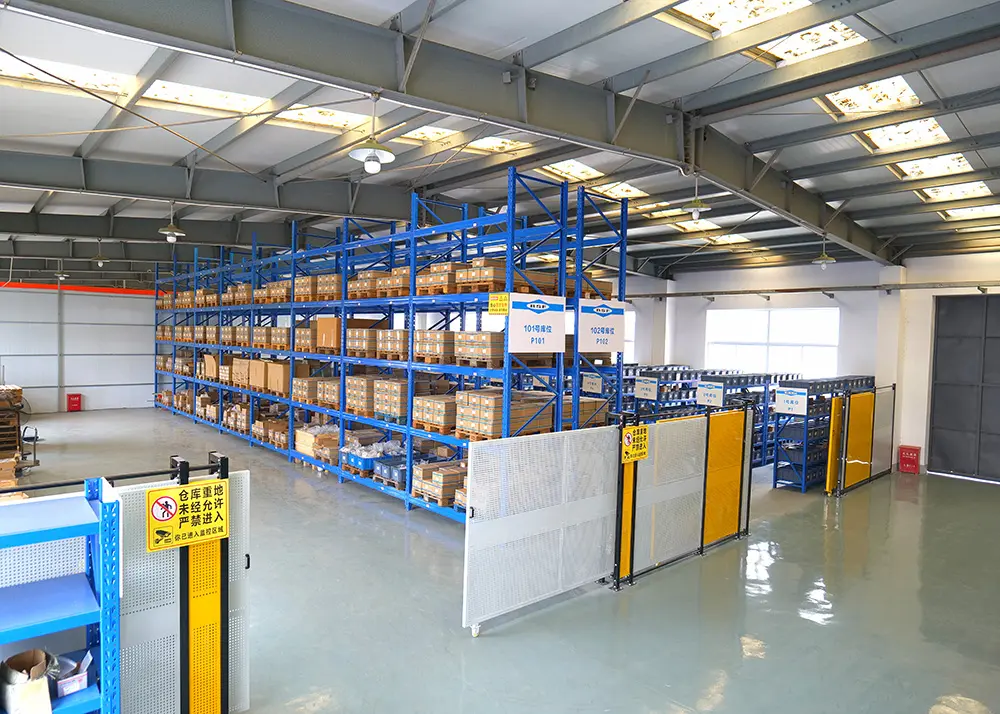
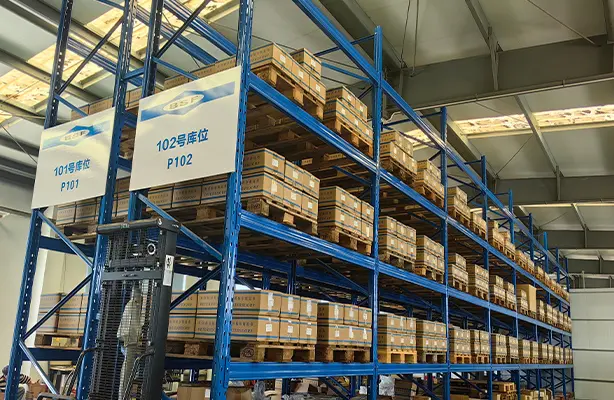
With nearly 100,000 product models in our catalog, we maintain a robust raw material inventory and stock of finished stainless steel standard parts. This comprehensive stock allows us to supply global procurement projects quickly, reducing lead times for urgent industrial upgrades.
 Hash Detection Inspection
 Efficient Warehouse Logistics
5/16 stainless steel bolts are used across a wide variety of industrial settings. Depending on the environment, the chemical composition of the bolt must be carefully matched to the stress levels, temperatures, and corrosive agents present.
Exposure to seawater demands materials that resist pitting and crevice corrosion. Certified classification society fasteners—including A4-80, A5-80, D8-80, and Duplex 2205—are used in marine propulsion systems, yacht building, offshore wind platforms, and submarine pipelines.
Petrochemical processing involves high pressures, temperatures, and corrosive chemicals. Fasteners made from Inconel alloys and super stainless steel are chosen to maintain their structural integrity and secure high-pressure piping flanges and pressure vessels.
Vacuum systems, medical devices, and cleanroom environments require high precision and minimal magnetic interference. Non-magnetic fasteners and ultra-high-precision machined components are used to prevent system disruption and contamination.
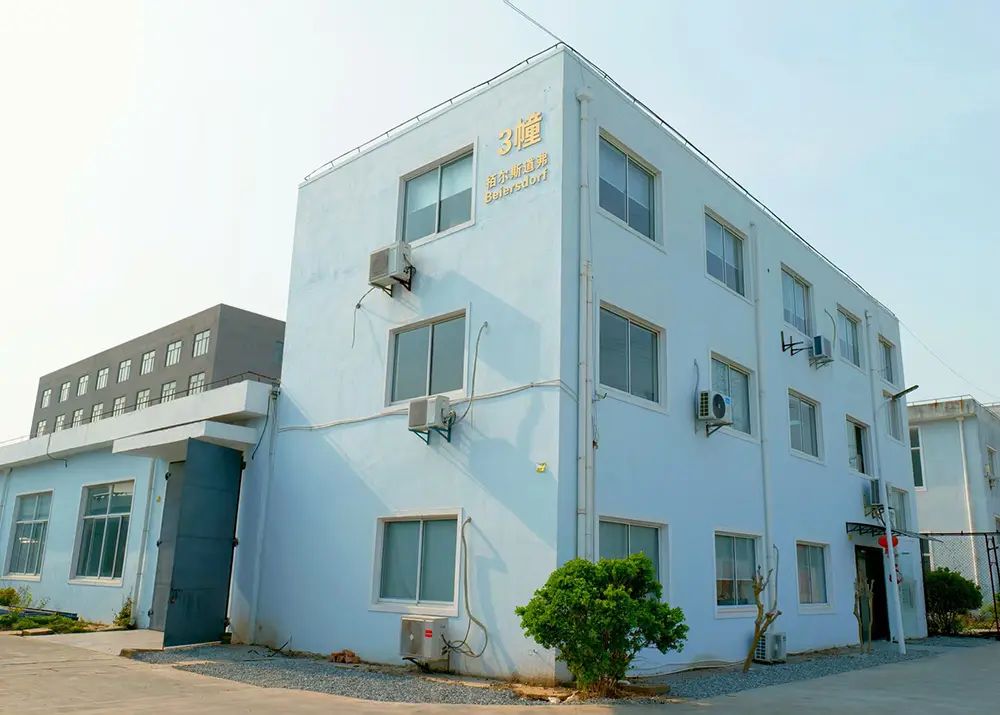
Established in 2015 in Shanghai, China, Beiersdorf Industrial Technology is specialized in manufacturing and supplying special fasteners and ultra-high precision components. Over the years, we have built our business on the core principle: "Product quality is the foundation for an enterprise's survival."
With a 2,535 m² production base, we manufacture custom products for demanding industries. Our engineering teams assist clients from initial selection and raw material analysis to final installation guidance and long-term maintenance support.
 Cryogenic Resistance
Low-temperature fasteners designed to operate down to -270°C without becoming brittle, suitable for liquid nitrogen and LNG applications.
 Titanium & Cobalt Alloys
High strength-to-weight ratio fasteners featuring excellent fatigue resistance, widely used in marine and lightweight structures.
 High-Temp Alloys
Nickel and cobalt-based fasteners engineered to resist deformation and oxidation in temperatures up to 1200°C.
High-Tensile StrengthFasteners exhibiting tensile strengths up to 1900 MPa, designed to support heavy mechanical loads under dynamic strain.
The manufacturing of 5/16 stainless steel bolts is moving toward higher levels of chemical optimization and digital trace tracking. To meet the demands of critical industries, suppliers are focusing on several key technical initiatives:
Metallurgical Refinement: Micro-alloying techniques are being used to control grain structure, reducing susceptibility to hydrogen embrittlement. Standard 316 formulations are modified with controlled nitrogen and carbon content (e.g., 316L, 316H) to tailor the fasteners for cryogenic stability or high-temperature strength.
Surface Coating Technologies: Advanced thin-film depositions, such as PTFE coatings, zinc-flake treatments, and passivation layers, are applied to mitigate thread galling. These surface treatments are particularly important for stainless steel thread assemblies, helping to ensure consistent torque-tension relationships.
Digital Product Passports: To comply with modern traceability requirements, fasteners are increasingly integrated with digital records. This allows engineers to trace each batch of bolts back to its original ladle analysis and heat-treatment run, supporting quality assurance protocols in critical systems.

From our headquarters in Shanghai, we export to industrial hubs across North America, Europe, Southeast Asia, and the Middle East. Our logistics setup is organized to manage complex shipping requirements and support regional distributors and industrial end-users.
Beiersdorf provides technical consultations and guidance for fastener selection. We assist with initial material evaluations, sizing choices, and advice on installation and maintenance protocols.
Contact Us 24/7. Our Team Will Assist You Promptly.
 BSF
BSF