 BSF
BSF
1 / 5
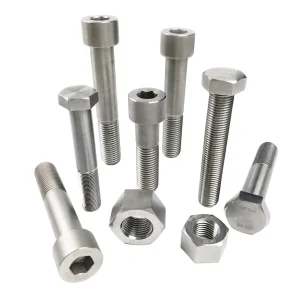
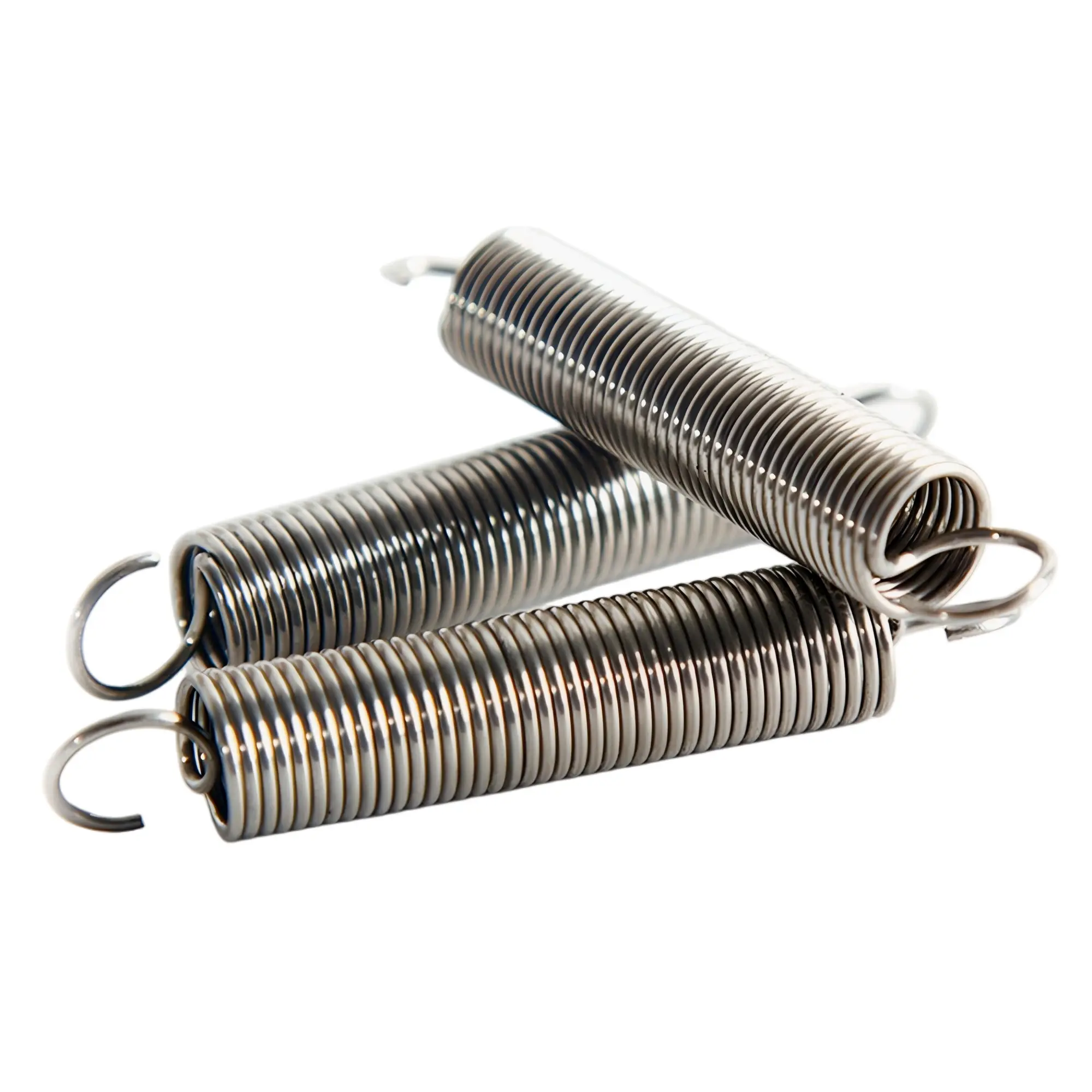
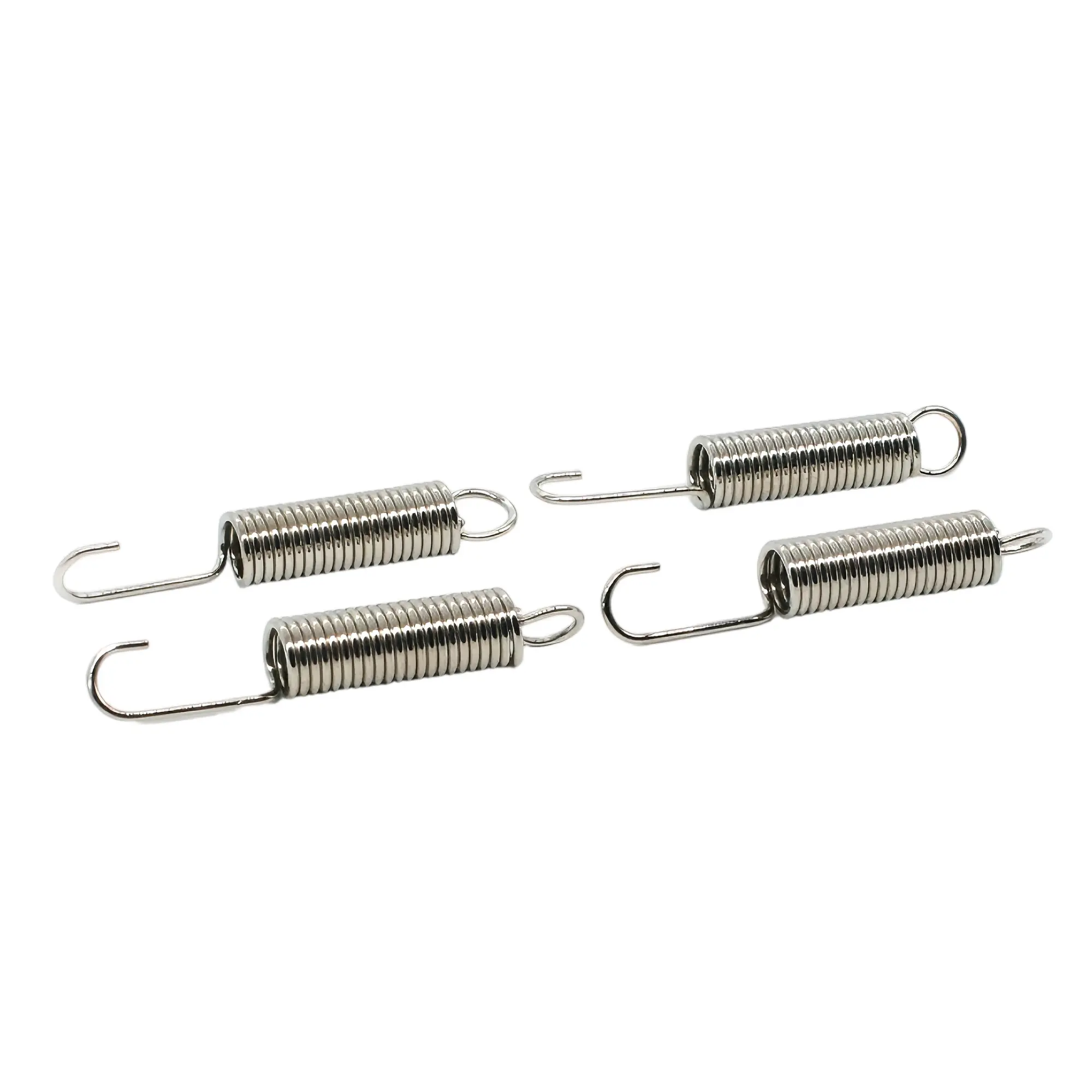
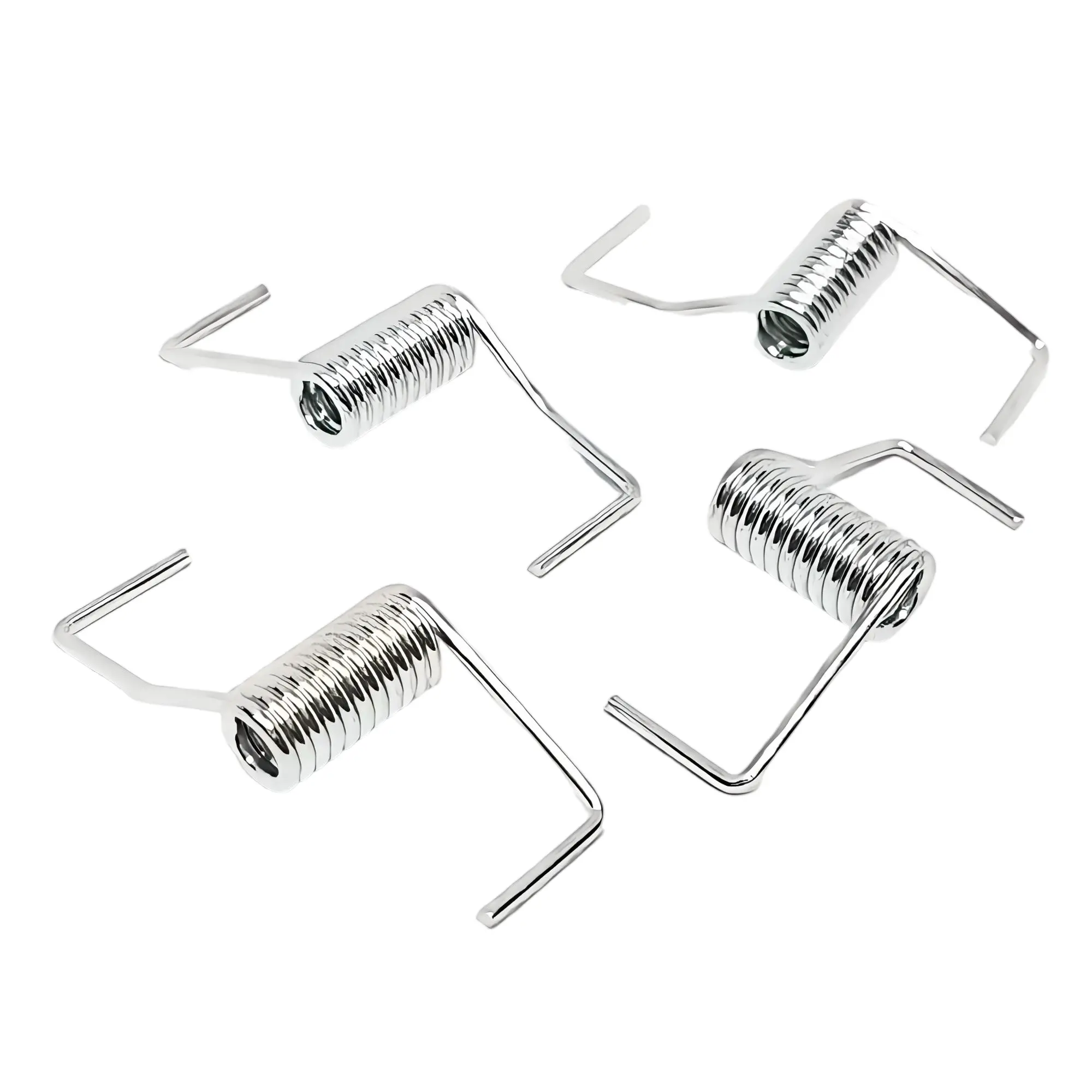
By continuously applying elastic preload, the screws can be prevented from loosening. This is particularly suitable for vibration scenarios such as those in automotive chassis and construction machinery.
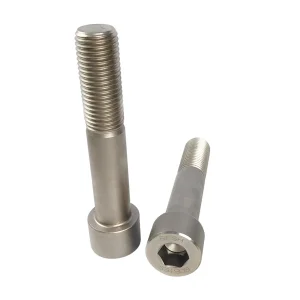
For example, the U-shaped bolts used in automotive leaf springs need to withstand tensile forces of over 800 megapascals. The material must possess high strength properties.
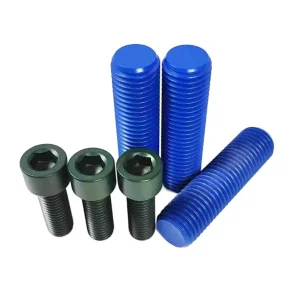
To prevent rusting, surface treatment processes such as galvanization or phosphating are usually required.
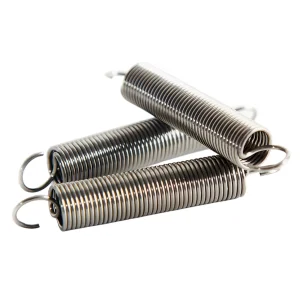
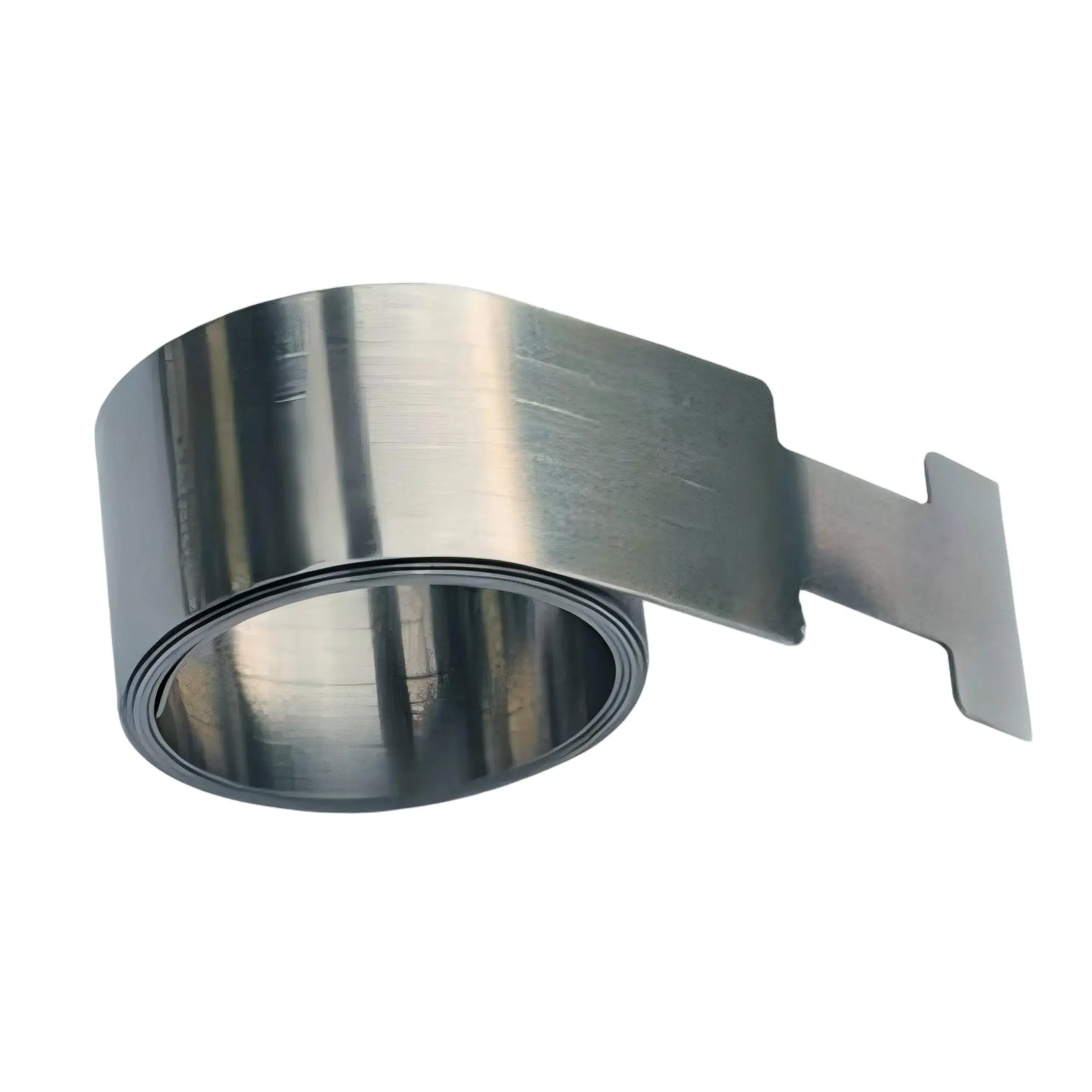
The flat-section cylindrical helical compression spring, due to its low compression height and large compression capacity, is often used in engine valve mechanisms or clutches where space is limited.
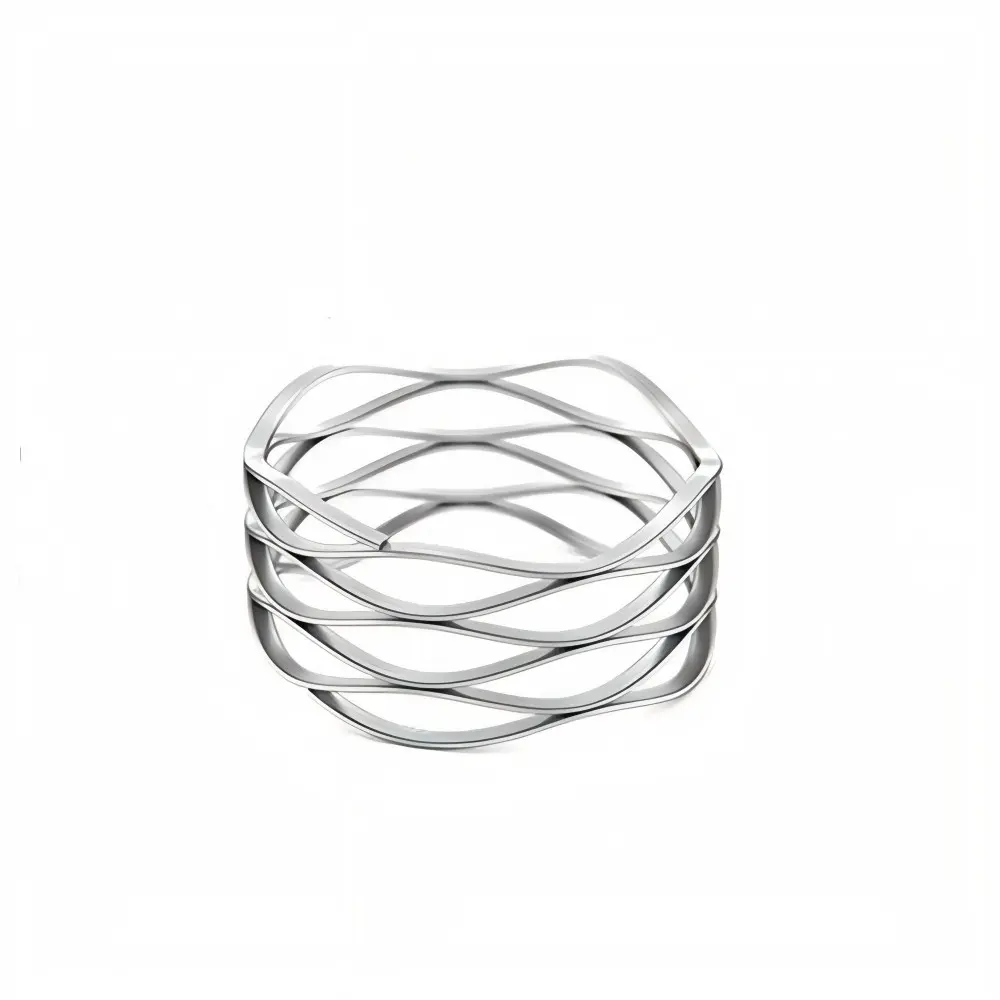
Non-equal pitch or conical helical springs eliminate resonance through variable stiffness characteristics, suitable for high-speed variable load mechanisms or heavy-duty vibrating screens.
High-End Special Raw Material Spring Wire demonstrates remarkable elasticity, fatigue resistance and environmental adaptability, and plays a crucial role in various high-tech fields.
Used for manufacturing fastener parts of turbine blades, diaphragm springs, etc., they need to withstand temperatures of 600 to 900°C and maintain a high elastic modulus (such as 3J21 alloy).
The diaphragm and bellows components rely on the long-term stability of the spring wire (fatigue life ≥ 10⁷ cycles).
High elasticity alloys (such as 3J53) are used to manufacture corrosion-resistant valve springs, suitable for chemical medium environments.
The relay contact spring needs to have a low magnetic permeability (μ ≤ 1.05) to avoid electromagnetic interference.
Salt-resistant corrosion-resistant spring wire materials (such as HGH3625 welding wire) are used for key connection components of offshore wind turbines.
The springs of the control rod drive mechanism in the nuclear reactor need to undergo radiation resistance tests (cumulative dose ≥ 10⁶ Gy).
| High-end Special Raw Material — Spring Wire Available Types | ||||||||
| Inconel | Nimonic | Incoloy | Hastelloy | Haynes | Titanium | Nilo | Nickel | Stainless Steel |
| 600 | 75 | 800HT | B2 | 25 | Grade 1 | 36 | 200 | 302 |
| 601 | 80A | 800 | B-3 | 214 | Grade 2 | 42 | 201 | 304 |
| 625 | 86 | 801 | C-4 | 282 | Grade 3 | 48 | 205 | 316 |
| 718 | 90 | 825 | C-22 | 52 | 212 | 316Ti | ||
| X750 | 95 | 890 | C59 | 270 | 321 | |||
| 100 | 925 | C-276 | 2205 | |||||
| C263 | 926 | C-2000 | 2507 | |||||