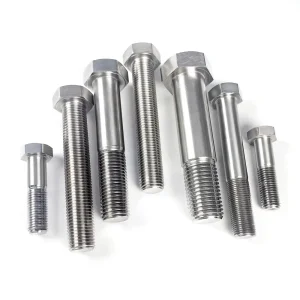
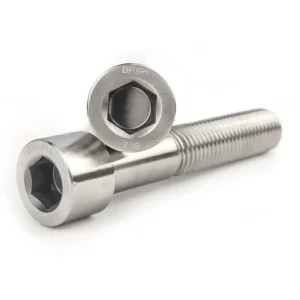
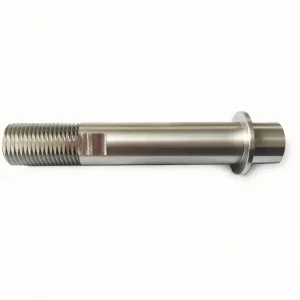
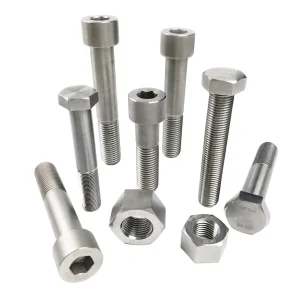
In modern industrial applications, vibration isolation and torque retention are paramount. Custom removing locking nuts represent the pinnacle of fastening technology, designed not merely to secure, but to provide reliability under extreme conditions. As a premier supplier and exporter, we understand that standard hardware fails where customized precision engineering succeeds.
Locking nuts (or prevailing torque nuts) operate by creating friction between the bolt and nut threads. In high-vibration environments—such as marine propulsion, aerospace, or heavy petrochemical infrastructure—standard nuts loosen. Our custom engineering services focus on three primary locking mechanisms:
Choosing a Chinese supplier for custom locking nuts offers a unique combination of R&D capability and cost efficiency. Our facility leverages:
The global fastener market is shifting toward "Smart Fastening." This involves not only the physical nut but the data behind it. Trends include the adoption of lightweight materials to reduce vehicle emissions and the integration of IoT-ready, load-sensing bolts. As a top exporter, we are actively developing coatings that prevent galvanic corrosion—a critical failure point in multi-material assemblies.
We provide tailored solutions for:
For custom orders, we utilize a streamlined workflow: 3-5 days for prototyping, followed by production scheduling based on volume. We pride ourselves on fast turnaround without compromising structural integrity.
Yes. We work closely with major classification societies. Our products undergo rigorous testing, including salt spray testing and tensile stress analysis, to meet maritime certification standards.
Our engineers conduct a "Use Case Analysis." If your application involves temperatures exceeding 500°C, we recommend Nickel-based alloys. For deep-sea applications, 2205 or 2507 Duplex stainless steel is preferred to mitigate corrosion.
 BSF
BSF